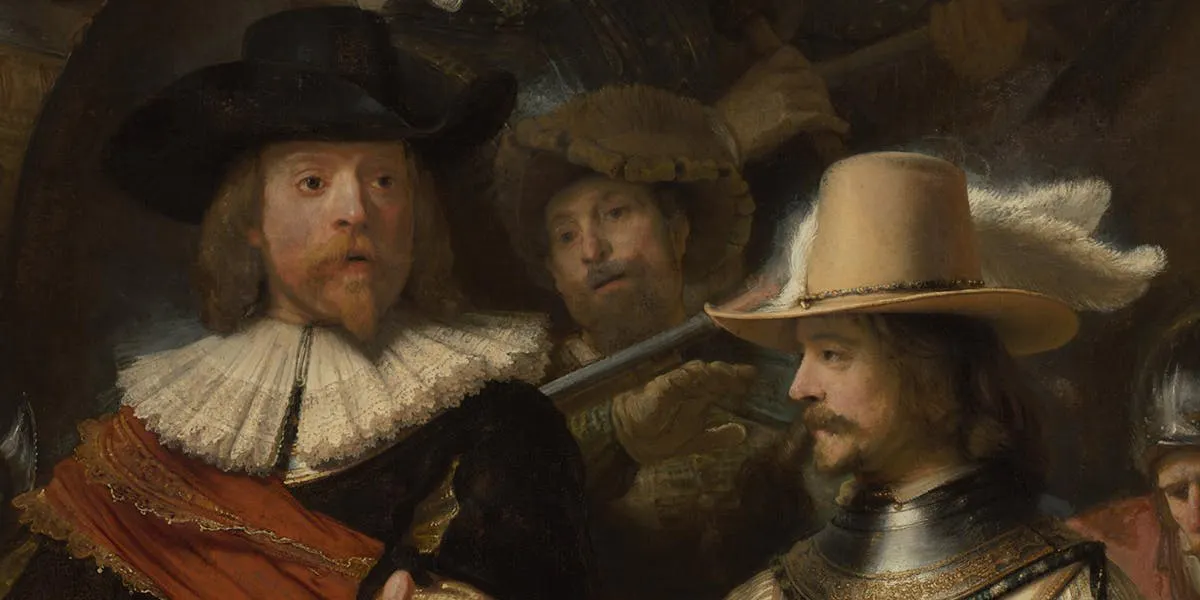
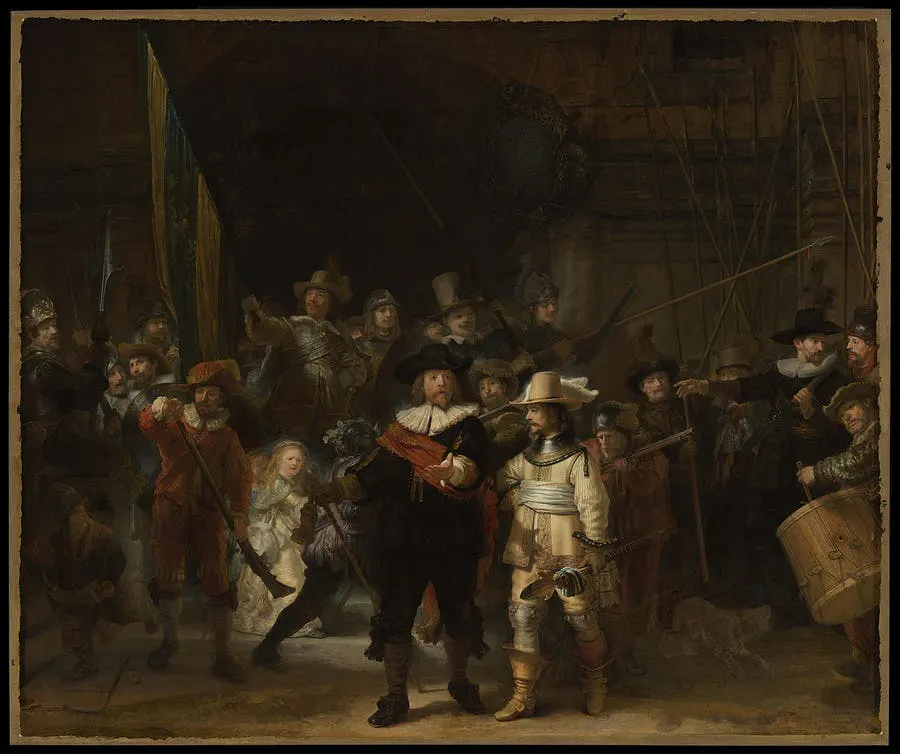
The Rijksmuseum in Amsterdam has revealed the most detailed photo ever captured of Rembrandt's masterpiece The Night Watch. The 44.8 gigapixel image, on the museum's website, allows the viewer to zoom so far into the composition that the individual brushstrokes, particles and pigments used by Rembrandt are visible.
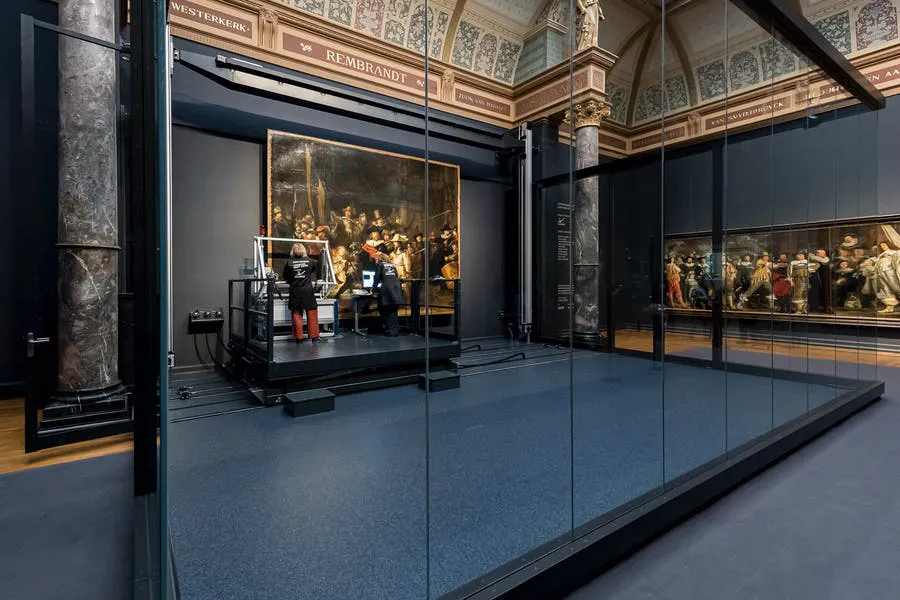
As the museum said in a statement, the photograph will play a key role in Operation Night Watch, the largest restoration project undertaken on the masterpiece to date. Started last July, the project takes place behind a glass wall in the Gallery of Honor of the museum to allow visitors to admire the painting and watch the work of the experts. On pause during the digitization of the high definition image, the restoration process resumed its course as of May 13.
Photography is a crucial source of information for researchers.
The surprising photograph results from 528 separate images. The 24 rows of 22 images were assembled digitally using artificial neural networks, giving rise to a file composed of 44.8 gigapixels, the distance between each pixel being 20 micrometers. More than a technological feat, the initiative will allow scientists to study the painting in detail from a distance. The image will also be used as a reference point to measure the aging of the canvas.
Related: Rembrandt's "Night Watch" Is Being Restored In Public
"The Operation Night Watch research team uses the latest technology and continually pushes the boundaries of what we thought was possible," said Taco Dibbits, director of the Rijksmuseum. "Photography is a crucial source of information for researchers, and online visitors can use it to admire Rembrandt's masterpiece in great detail."
Related: Small Pennsylvania Museum Discovers Rembrandt in its Collection
In a deserted Rijksmuseum, the teams resumed their work in the glass chamber as of May 13, respecting the security measures imposed by the government. According to the institution's website, the protocol has been reviewed in accordance with the guidelines and the enormous size of the composition, 12 by 14 feet, which allows two people to work simultaneously without risk. Although the project was halted for two months due to the pandemic, the experts continued their work at home by analyzing the data that had been collected so far. You can see the image online here.
The second phase of Operation Night Watch was to start in the summer of 2020 but has been postponed until early next year.
Find all the news from the art world on Barnebys Magazine!