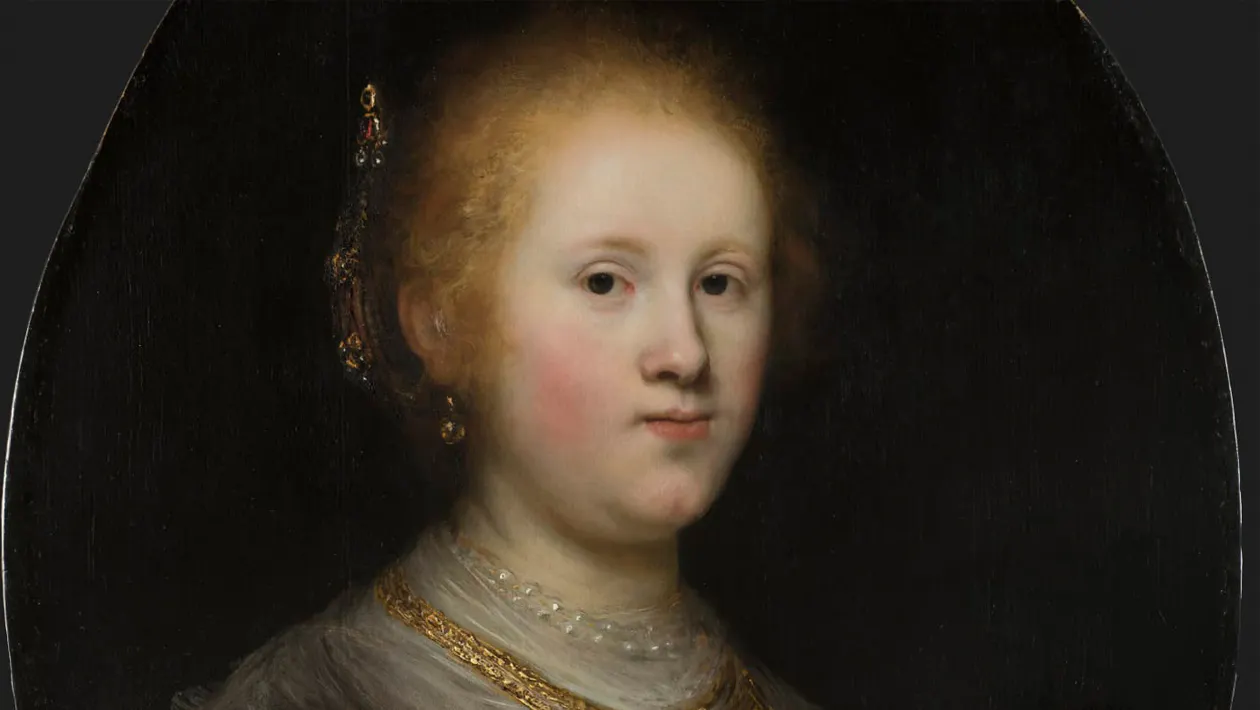
Thanks to recent conservation work, Allentown Art Museum in Pennsylvania has discovered one of its artworks is a Rembrandt original.
The artwork, which depicts a rosy-cheeked woman dressed in exquisite jewelry and fine fabrics, including lacy collar, was acquired by the museum in 1961. It was initially attributed to Rembrandt – the woman in the painting appeared in several other of his canvases – but then downgraded to the status of a painting by the artist’s studio, likely an assistant. Now, thanks to advanced conservation and imaging techniques, including infrared reflectography, the museum has confirmed the original assessment and the 1632 painting, Portrait of a Young Woman, is confirmed to have been painted by Rembrandt himself.
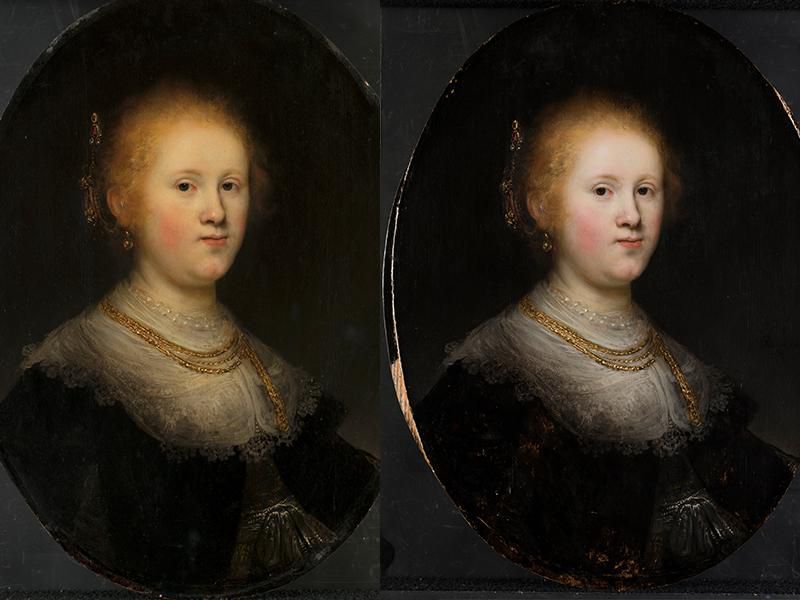
The original confusion surrounding the painting’s authenticity stemmed from its poor condition. Conservators had brushed thick, dark, gooey varnish across the portrait’s surface, smearing the subject’s face and confusing earlier X-ray analyses. The lack of clarity in the subject’s clothing, jewelry and hair ornaments, darkened by overpainting, also fueled doubts, and concerns were also raised over the artist’s signature, which is different from the majority of those found in his other masterpieces.
See also: Top 10 Rediscovered Masterpieces
A number of scholars and curators have now looked at it, supported the attribution and said that if this was in their museums, they'd label it as a Rembrandt.
However, when the painting was sent off for ‘routine conservation’ at a New York University lab, opinions started to change. Experts noticed signs that it may be an original Rembrandt. As reported by CNN, according to Shan Kuang, a conservator at NYU's Institute of Fine Arts who worked on the project, thick layers of varnish from a previous restoration had darkened over time, obscuring the brushstrokes and hiding the depth of appearance for which the artist was celebrated.
"It was the fashion, in the 1920s, to not see any texture," Kuang said to CNN, explaining the previous restorer's decision to add varnish. "We call it a 'mirrored surface' – people wanted to see their reflection, which is really counter to what a Rembrandt should look like.
"The restorer was so frustrated building up the layers of varnish to make the texture disappear, that he actually poured it on. It was the consistency of molasses, and you could actually see the drip marks." As this coating was removed and the original artist's brushwork was revealed.
See also: A Rediscovered Caravaggio on Display in New York
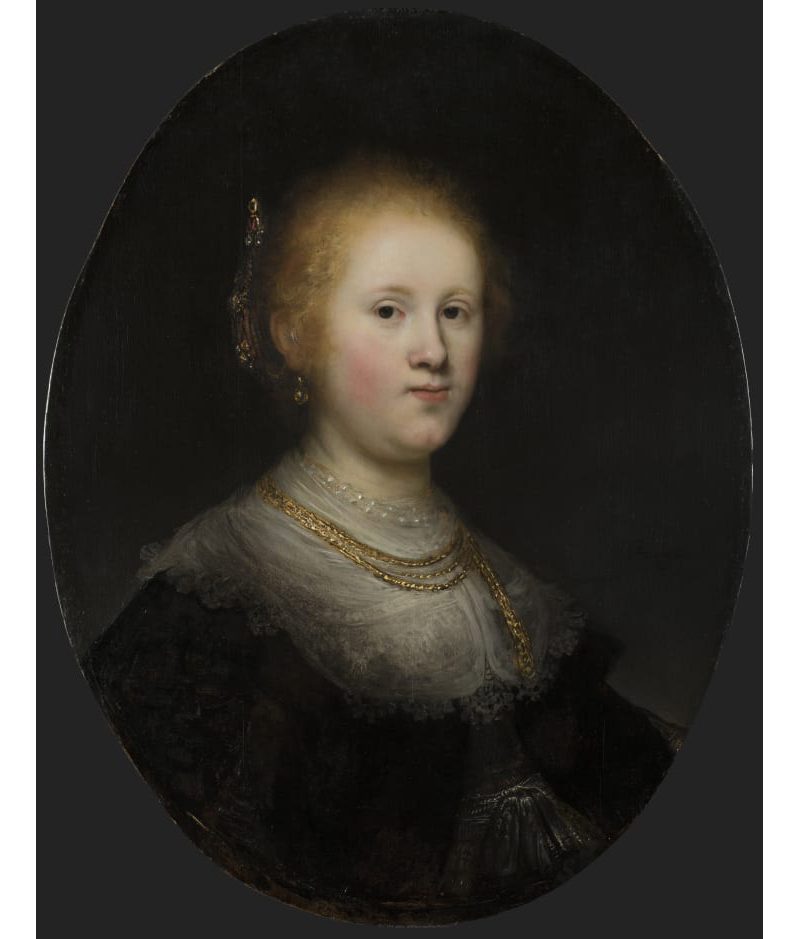
Kuang also said that the signature used on this portrait is consistent with other works from that year, 1632, when the painter briefly wrote his name as ‘RHLvan Rijn’, while he transitioned from using his initials to spelling out the word ‘Rembrandt’.
See also: Caravaggio: The Baroque Rebel
Rembrandt van Rijn produced hundreds of paintings and etchings during his lifetime, during the ‘Dutch Golden Age’, which has resulted in numerous attribution disputes. Among those hotly debated in the art world are the Met’s Portrait of a Man (The Auctioneer) and the Frick Collection's Polish Rider.
However, thanks to advancing technology, works are increasingly authenticated, like a self-portrait donated to the UK’s National Trust that's worth $30 million.
See also: A Record Breaking Day for Artemisia Gentileschi
There is now no formal process for Allentown Art Museum to confirm the attribution. The Rembrandt Research Project, which rejected the painting in the 1970s, is no longer actively making attributions, however Kuang welcomes scholars and historians to examine the work and build on her team's research.
Portrait of a Young Women is expected back on display at the Allentown museum on June 7, where it will feature in a dedicated exhibition.