
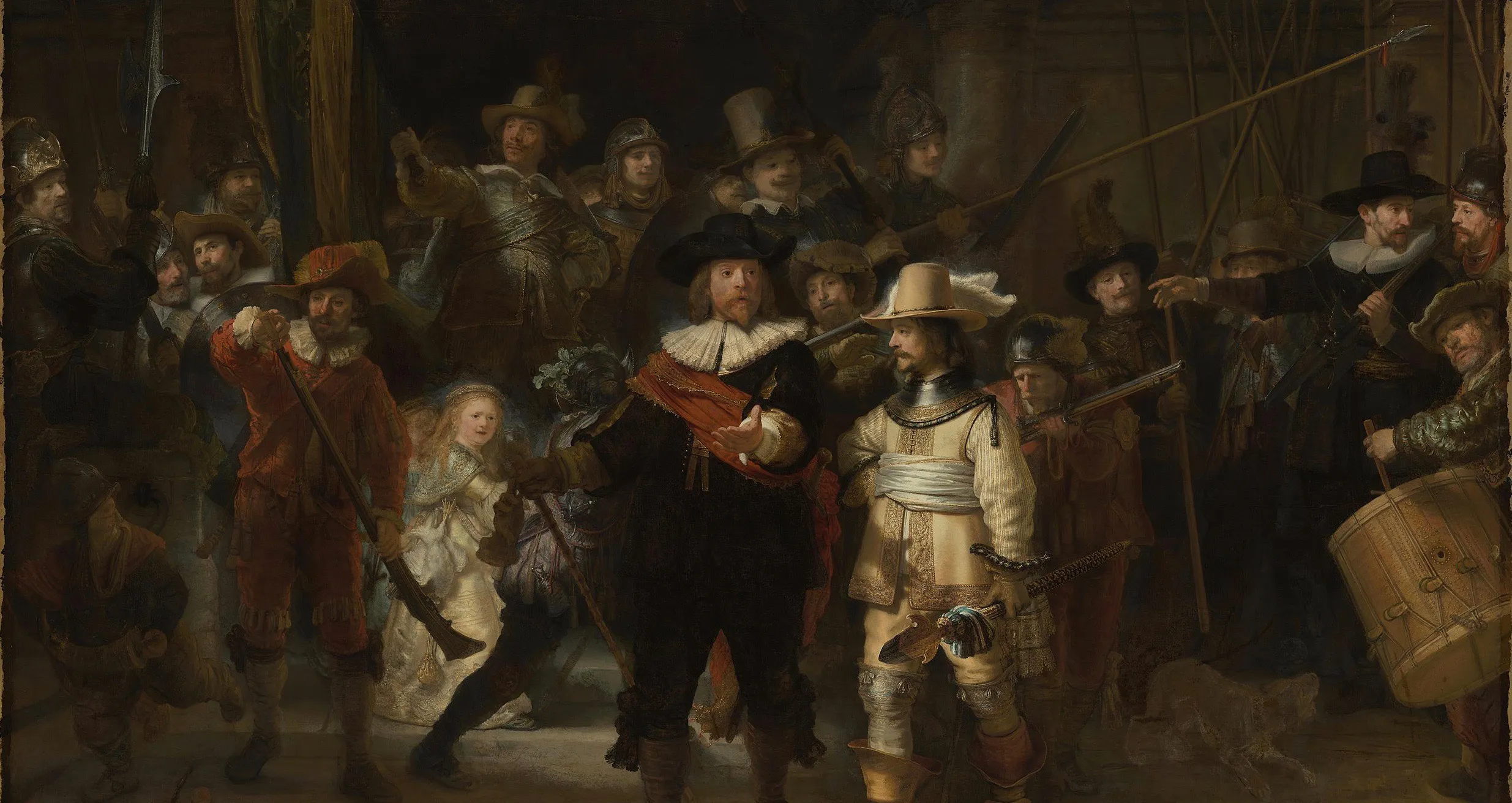
Rembrandt's most famous group portrait The Night Watch (1642) is a pièce de résistance at the Rijksmuseum in Amsterdam, which owns the world's largest collection of works by the Dutch Baroque painter. In October 2018, the museum announced that the painting would undergo an extensive restoration after the closure of the 2019 Rembrandt exhibition in honor of the 350th anniversary of the artist's death.
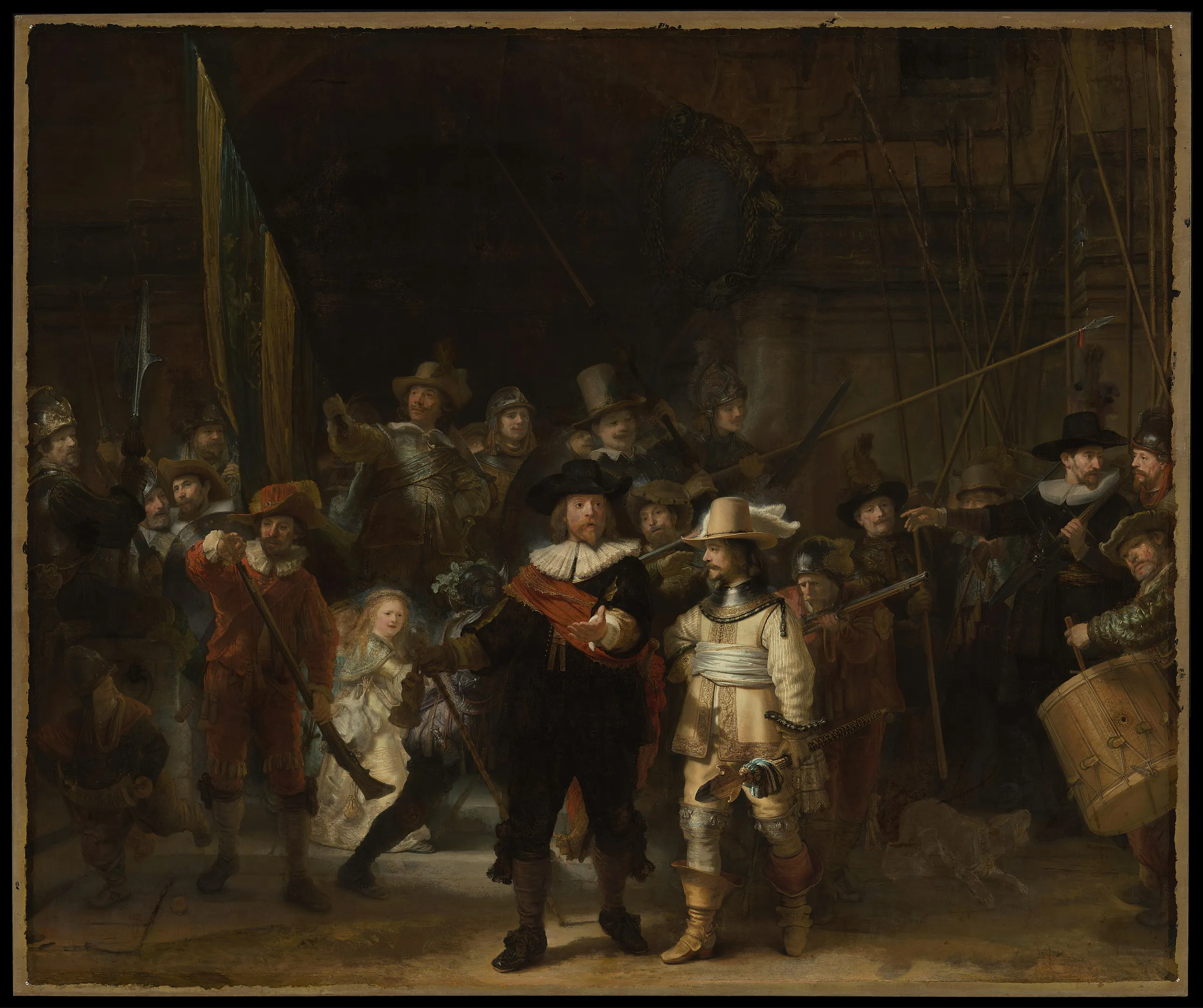
Rembrandt completed The Night Watch in 1642 as a commissioned work for the great hall of Amsterdam's Kloveniersdoelen (Musketeers' Meeting Hall) by Captain Frans Banning Cocq, the mayor of the city. In the work, he featured Captain Frans Banning Cocq and Lieutenant Willem van Ruytenburch prominently, as reflected in the official name of the painting: The Shooting Company of Frans Banning Cocq and Willem van Ruytenburch. Seventeen other guards under Cocq's military command paid Rembrandt 100 guilders to be included in the painting.
Related: Small Pennsylvania Museum Discovers Rembrandt in its Collection
The large-scale work is considered a masterpiece for its extraordinary illumination and chiaroscuro, dynamic movement and group portrait composition. The painting was not titled The Night Watch until the 19th century when the various varnishes applied for protection over the years had darkened and made it appear like the scene was occurring at night.
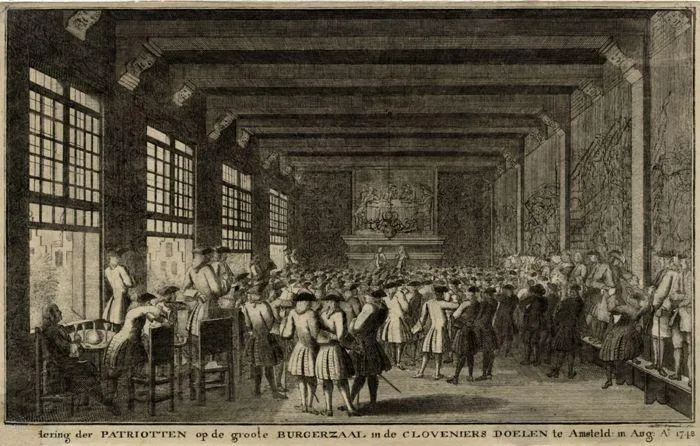
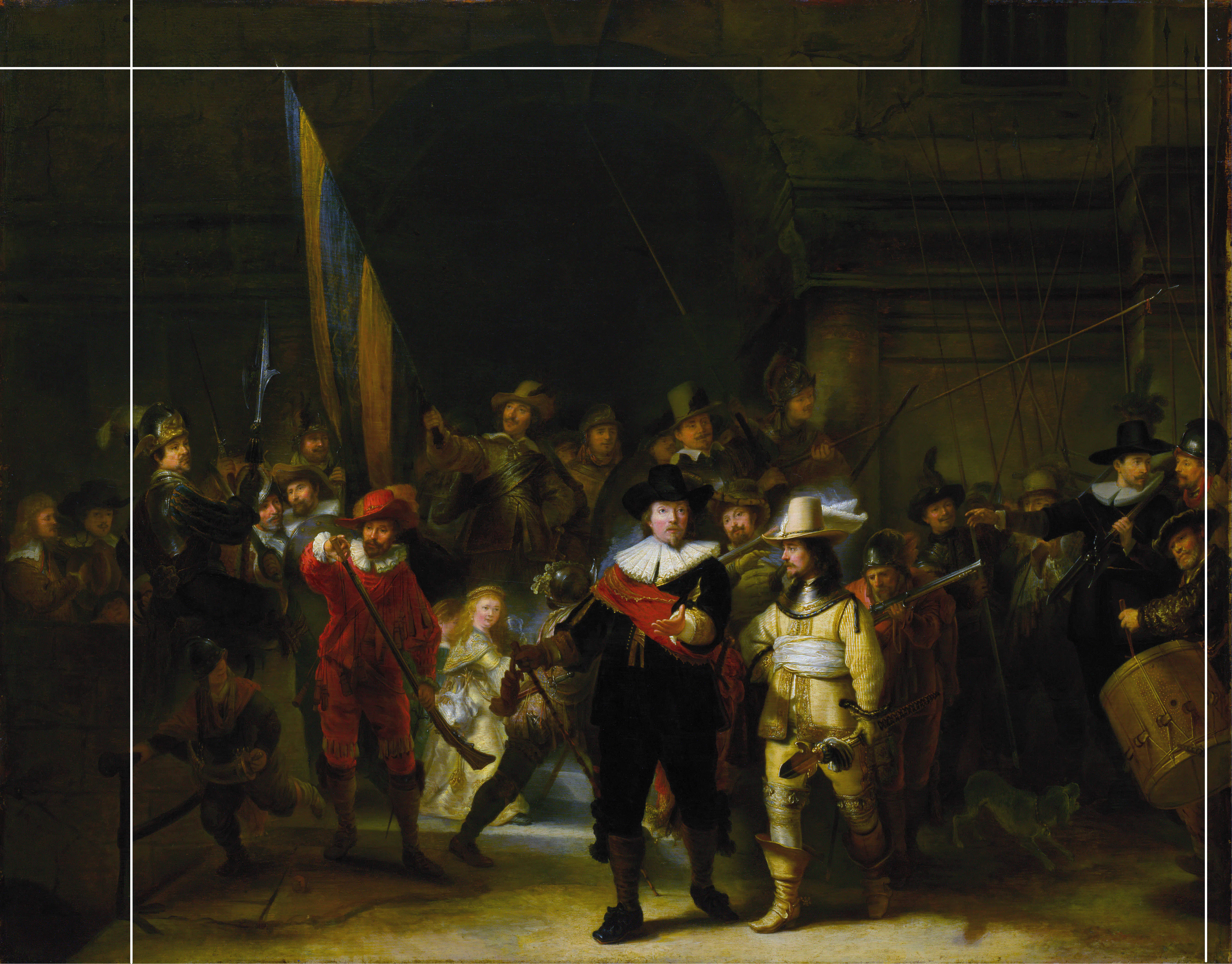
The painting remained in the ballroom of the hall for more than seventy years. In 1715, it was relocated to Amsterdam City Hall. The space, however, proved too small for the massive work. Without further ado, parts of the painting were cut off generously at the top and on both sides, reducing the painting to an impressive 11.9 x 14.3 feet. Unfortunately, the whereabouts of the cut pieces of canvas are today unknown.
About one hundred years later, The Night Watch became part of the collection of the Rijksmuseum, which was moved from The Hague to Amsterdam in 1808. The museum was initially housed in Trippenhuis, a Neoclassical mansion, and Rembrandt's masterpiece was exhibited there in the Great Hall. In 1885, the move to the new Rijksmuseum building took place, where the valuable exhibits of the collection are shown to this day.
During World War II, the painting, along with the other treasures of the Rijksmuseum, was removed for safekeeping and hidden in a repository in Maastricht and returned to the museum after the war.
Related: The Top 10 Stolen Masterpieces
After almost four centuries, even a masterpiece by Rembrandt could not survive unscathed. However, more serious than poor preservation were the three attacks on The Night Watch in the 20th century. In 1911 and 1975, the painting was vandalized with a knife. Due to the thick varnish applied earlier, the painting was barely damaged. In 1990, a man poured acid on it, which thankfully had no major consequences because it was immediately cleaned by a team of experts.
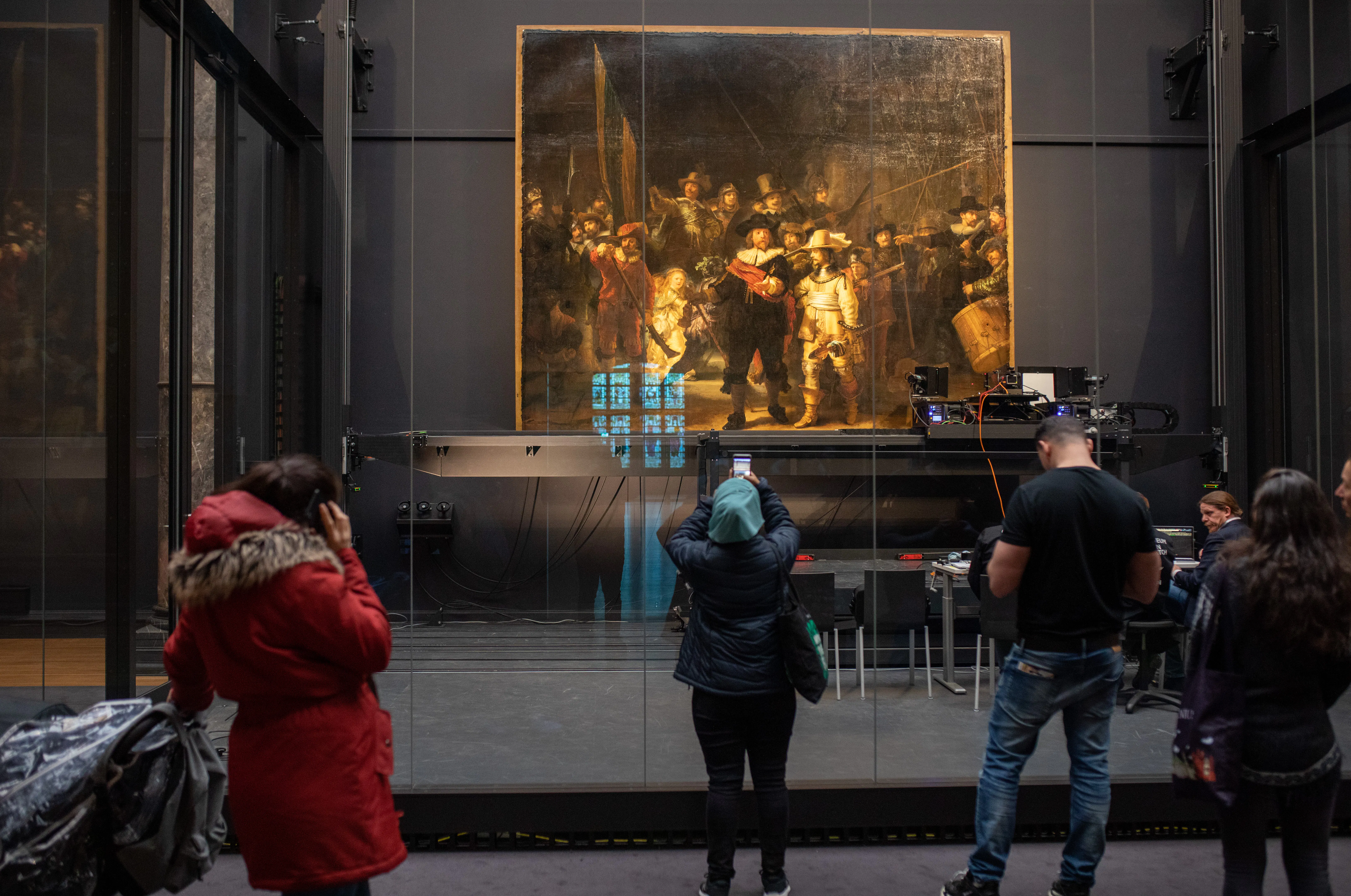
Now with this new, thorough restoration, The Night Watch will shine again in its old splendor. However, since the museum did not want to remove the centerpiece of the Rijksmuseum from the exhibition for an extended period of time, they decided to carry out the examination and cleaning by the experts inside a glass chamber. The progress of the work, which began on July 8, 2019, can even be followed live online.
The restoration is expected to take a year and cost €3 million ($3.7 million).