
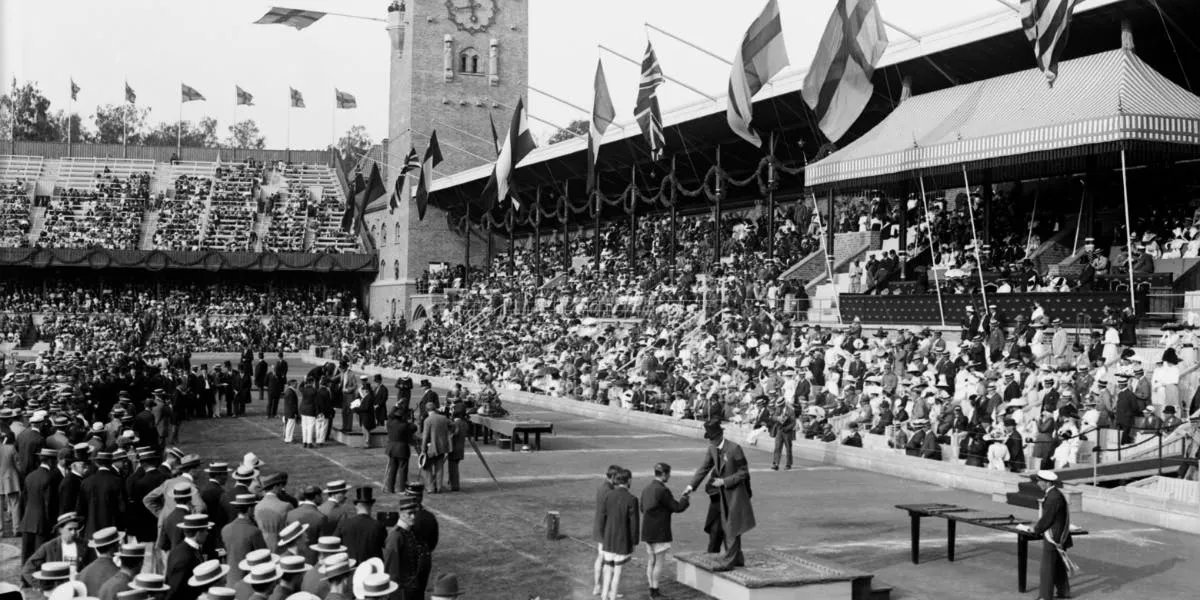
From the beginning, the Olympic Games were a religious ceremony to honor the gods and the competitive soul of man. The first competitions in gymnastics and horse riding were followed by poetry and other artistic performances. Through the heritage of Greek art, sculpture and ceramics, we can imagine what the Olympic Games used to look like.
The athletes who won the Olympics did not receive any medals after the competitions held to honor Zeus in the city of Olympia. Instead, the names of the winners, their fathers' names, place of birth and lineage were noted and registered as champions. When the winners returned to their hometowns, they were so well received that poets and speakers recounted their achievements for decades and treated them as demigods.
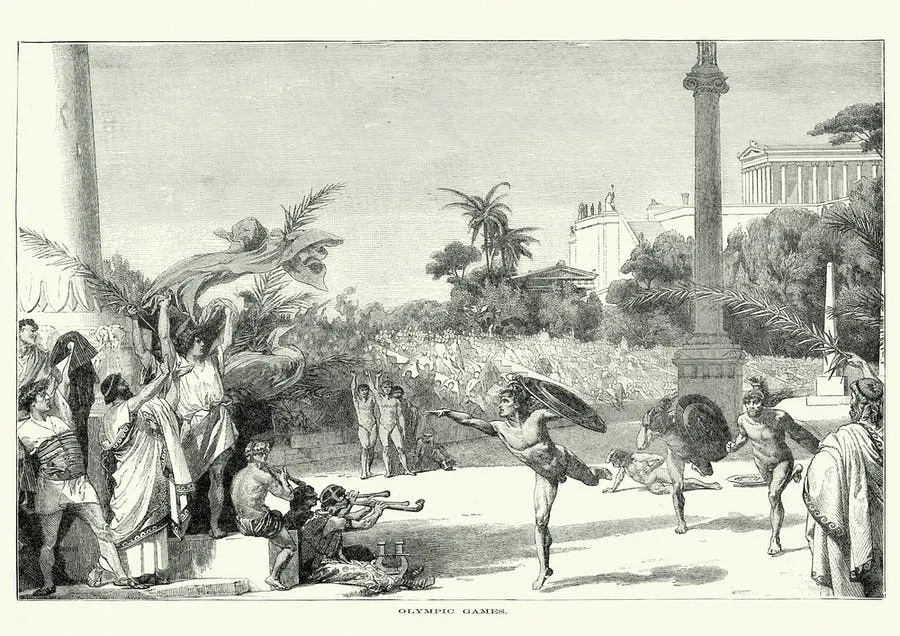
Although we mentioned the winners' strengthened egos, we must emphasize that they actually received a physically symbolic object after a victory. The prize consisted of an olive branch and a wool headband, but also free food - for the rest of ones life. If you succeeded in all five branches of a Pentathlon, you got a statue erected by yourself in the temple, Zeus' most important shrine, in Olympia. The first Olympic Games in antiquity took place in 776 BC and was held every four years until 393 AD.
Related: Not Just for Royals: A History of the Tiara
Passion for the Olympics would re-emerge when Baron de Coubertin (Pierre Frèdy) founded the Comité international olympique (CIO) in 1894. The first committee represented 12 countries: Argentina, Belgium, France, Greece, Italy, New Zealand, Russia, Sweden, Great Britain, Hungary, United States and Austria. The first modern Olympics were held in 1896 in Athens.
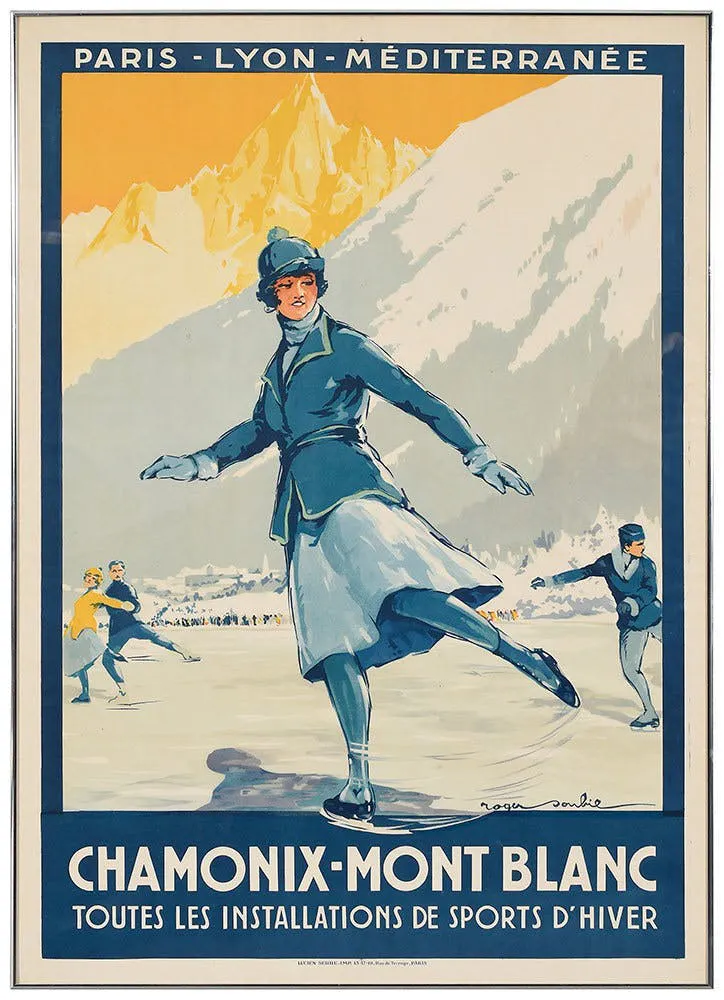
The first Winter Games took place in 1924 when a winter week was planned in Chamonix, France, with the aim of developing the Olympic Games to include more sports.
Competitions in art had already been held in ancient Greece and were included in the modern Olympics in the early 20th century. From 1912 when the summer games were held in Stockholm until 1948 when the games took place in London, art was part of the competitions, something that came from Coubertin's original idea of the games. The competitions also went by the name "Pentathlon of the Muses".
Related: Why You Should Collect Prints
Medals could be won for architecture, literature, music, painting and sculpture. All entries in the arts competitions had to be sports-themed.
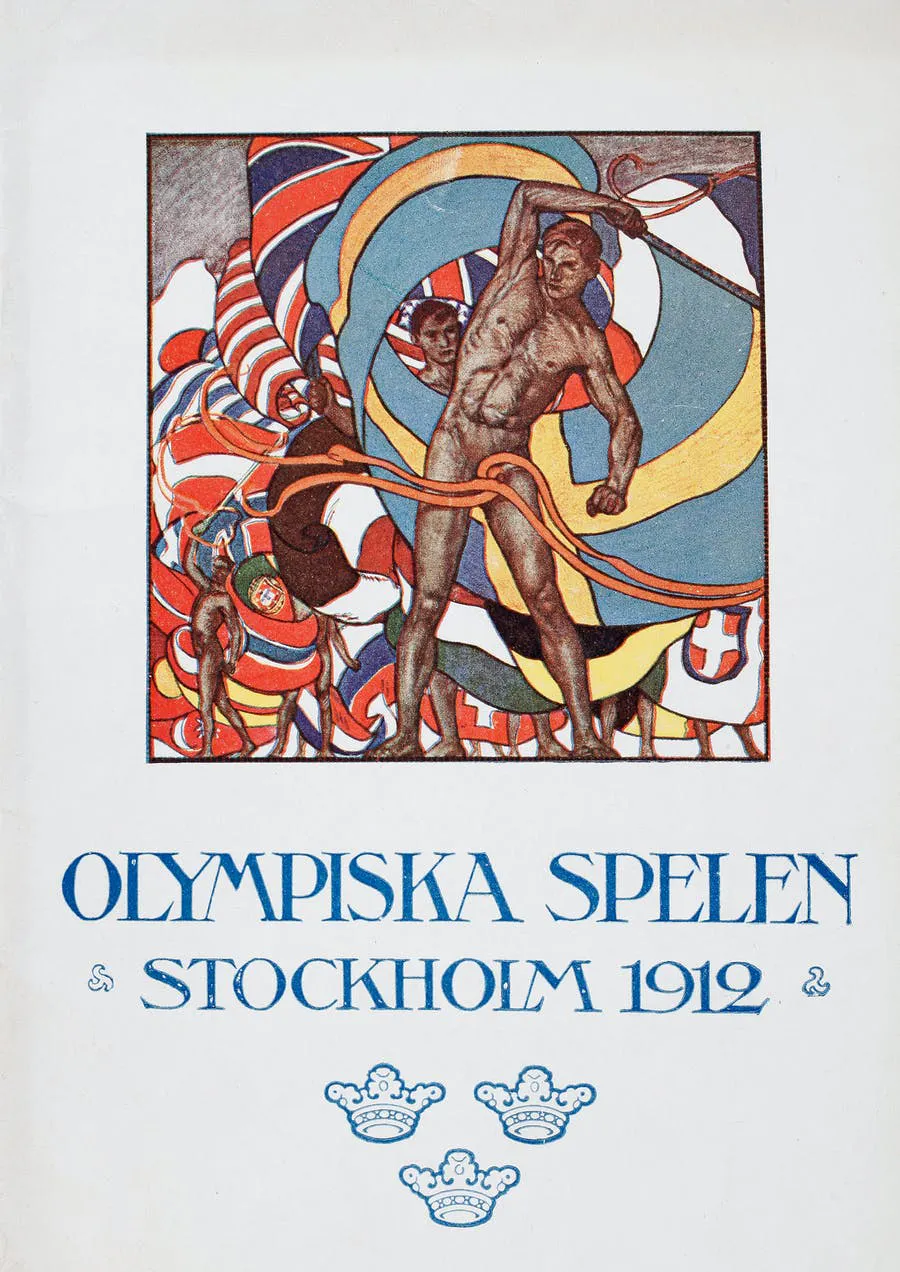
In Stockholm in 1912, five gold medals were awarded and the first gold medal in literature went to the founder Coubertin for the contribution Ode au Sport which he sent in under a pseudonym. In Sweden, the introduction of cultural disciplines in the Olympics was not welcomed. Artists themselves claimed that they did not want to compete for points and prizes and raised the question of how a fair assessment would be possible.
Related: Athlete to Artist: A World Record for Muhammad Ali
The US has nine Olympic medals in art, including four gold medals. At the 1912 games held in Stockholm, American Walter Winans took gold for his bronze cast of a horse pulling a chariot, entitled An American Trotter. It was the first gold ever awarded in the modern Olympic Games for sculpture. In 1908, Winans had won a silver for sharpshooting in the London Games, as well as a silver for the same sport in 1912. He is one of only two individuals who won medals in both art and sport competitions.
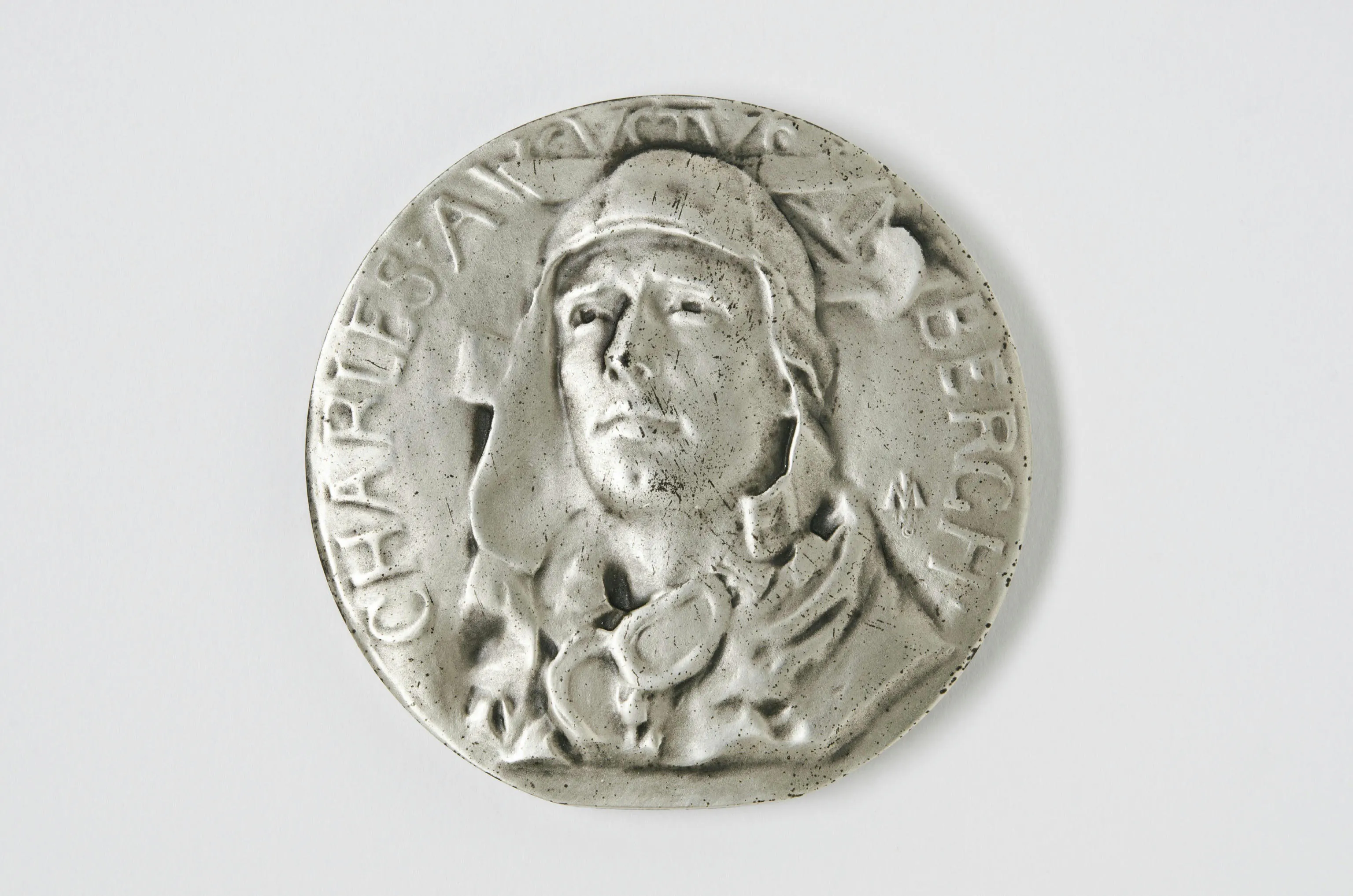
The majority of America's nine medals were awarded during the US-hosted games held in Los Angeles in 1932. During the 1932 Games, it is recorded that nearly 400,000 visitors came to the Los Angeles Museum of History, Science and Art to see works that had been entered by big names for the competitions.
Related: 6 Iconic American Paintings
For architecture, John Russell Pope, the architect of the Jefferson Memorial, took silver for his design for the Payne Whitney Gymnasium at Yale University. In the same games, artist Lee Blair took gold for drawings, whilst Percy Crosby was awarded a silver for the same competition. For his graphic work entitled Leg Scissors, Joseph Golinkin took home the gold for the United States. Sculptor Mahonri Young was awarded the gold for his statue The Knockdown.
The reason why the art competitions ceased after 1948 was that the artists were classified as professionals, when the participants in the sports competitions were required to be amateurs.
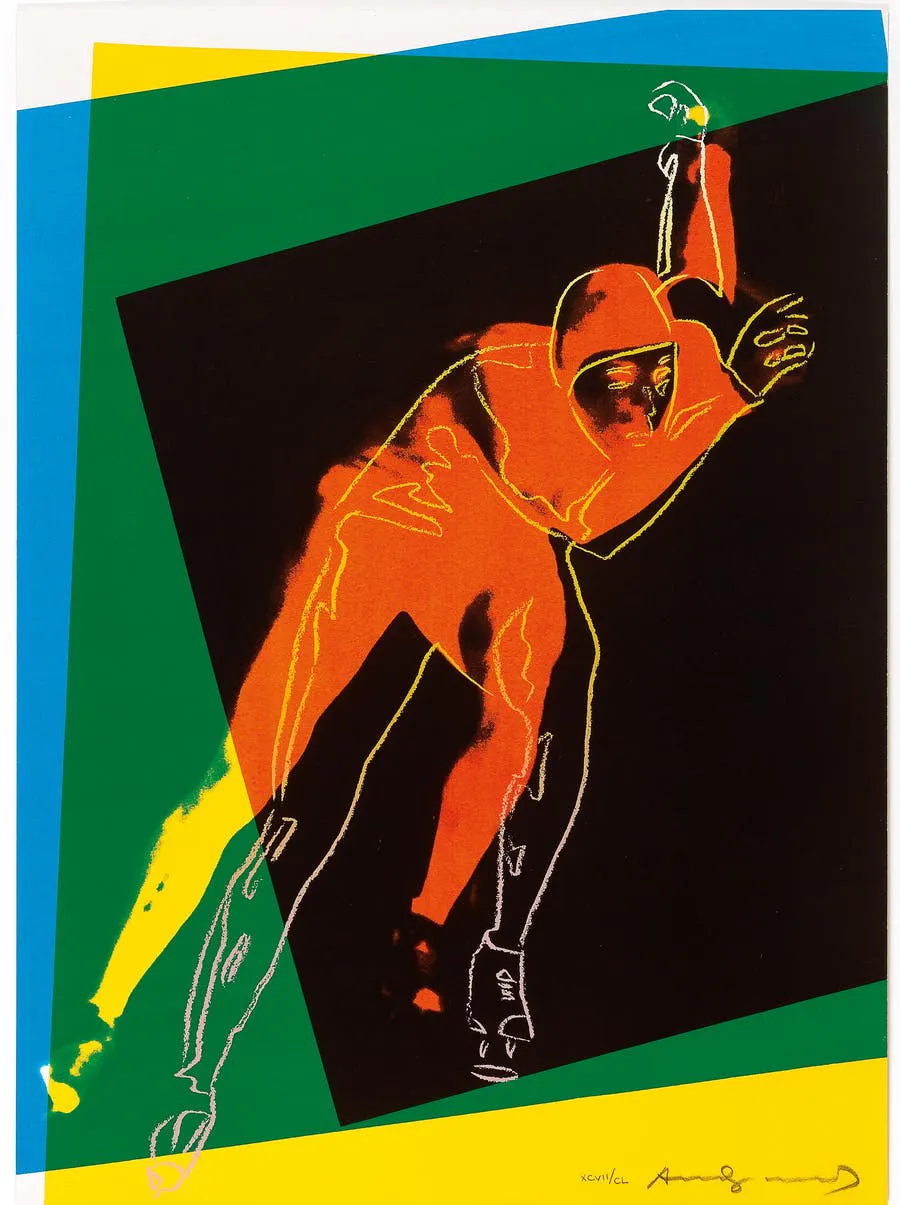
Today, though the art competitions have been abolished, the Olympic art traditions survive through the Cultural Olympiad, where cultural and artistic practices are displayed. At the Vancouver 2010 Winter Games, a digital cultural olympiad was presented. In 2012, the Cultural Olympics got an extra large space at the Summer Games in London, but in 2016, the Cultural Olympiad's investment was scaled down due to Brazil's recession.