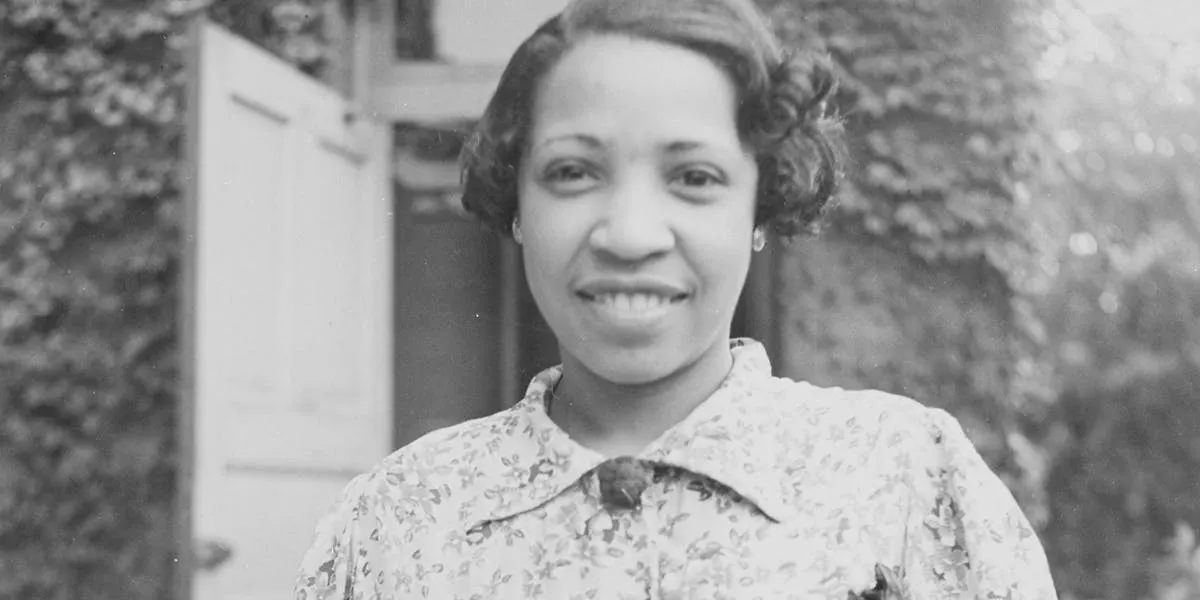
Blanche Hoschedé Monet was Claude Monet's stepdaughter, daughter-in-law, and apprentice. From her childhood years until his death, she followed and learned from, as well as cared for the great master.
Blanche was born in Paris in 1865 and was the daughter of Ernest and Alice Hoschedé. Her father was not only a businessman but also an art collector and critic with a great interest in the Impressionist painters of the time. As a patron of Claude Monet from the dawn of the artist’s career, the two men became close friends. Their relationship was both professional and personal: as a patron, Hoschedé would sell the works of Monet and his contemporaries (Edgar Degas, Camille Pissarro and Alfred Sisley were among his protégés). As a friend, he would commission works for his own enjoyment, for example asking him in 1876 to paint decorative panels for his drawing room in the Château de Rottembourg, as well as several landscape paintings.
Related: Claude Monet: The Father of Impressionism
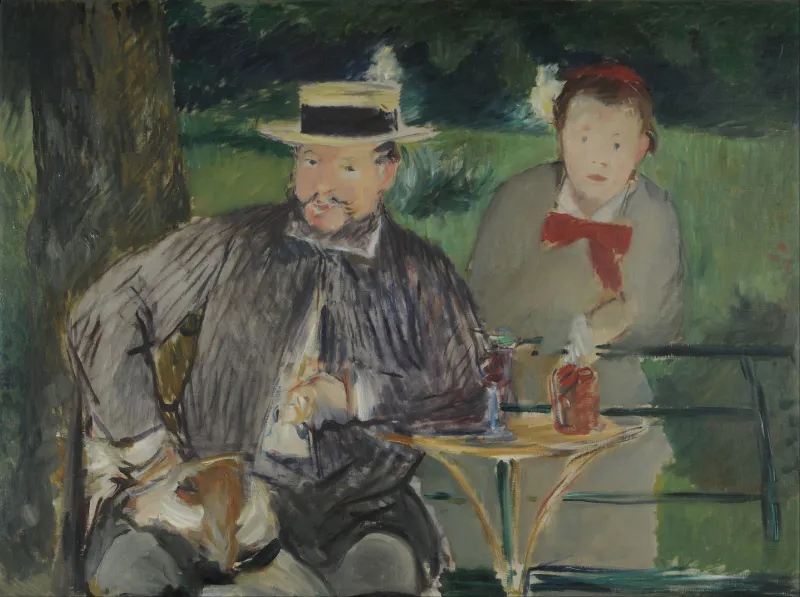
Hoschedé was known for his extravagant life, although his luck did not last long, and in 1877, he went bankrupt. As a consequence, his art collections were auctioned out. The family, Ernest, Alice and six children moved in with the Monet family in Vétheuil. Ernest, however, did not spend much time with them and stayed in Paris, later moving to Belgium. At the time, Monet had two sons together with his wife Camille, although soon after the move, Camille passed away. Claude Monet and Alice Hoschedé stayed together in Vétheuil with eight children until 1881, when they moved to Poissy and eventually on to Giverny in 1883. Alice and Ernest never divorced, but the relationship between Claude and Alice grew stronger and stronger. After Ernest’s death in 1891, the couple got married.
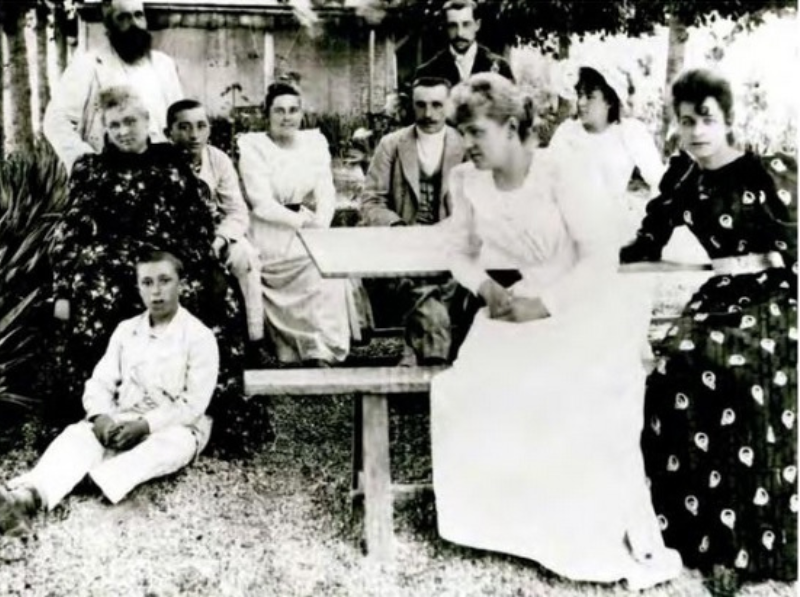
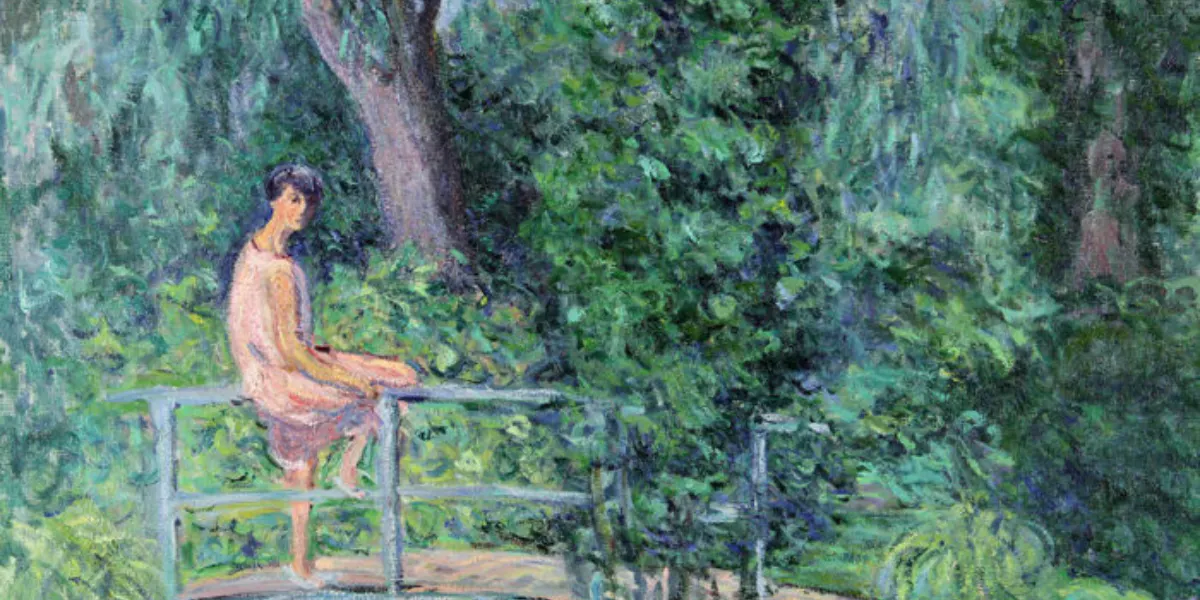
Blanche and her five siblings then officially became the stepchildren of the great artist. Blanche was the only one of the eight children who took an interest in art. When she was 11 years old she started to paint and spend a lot of time in Monet’s studio, as well as Édouard Manet’s. At the age of 17, she worked as an assistant to Monet and became his only apprentice. Inspired by her teacher and stepfather, she adopted the artist’s Impressionist style and portrayed the master's same subjects in his typical green and purple color scheme.
Related: Impressionism: Between Shadow and Light
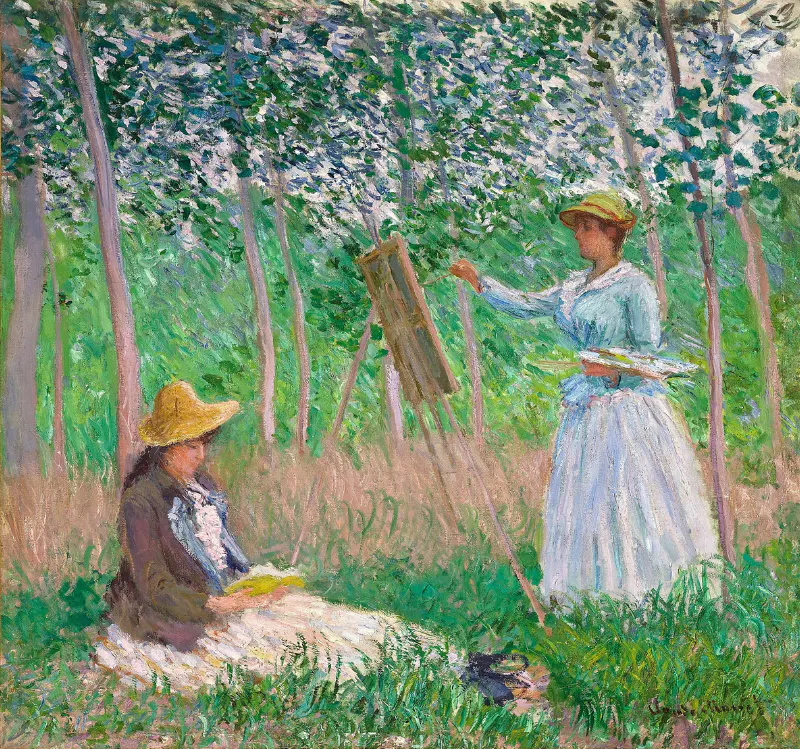
She went on to paint alongside the American artists Theodore Earl Butler and John Leslie Breck, and a romance soon developed between the young girl and Breck. Monet did not like what he saw and made sure the love affair came to an end – perhaps because Monet himself had another fiancé in mind for his beloved stepdaughter.
Related: The Art of Plein Air Painting
Want more articles like this delivered straight to your inbox? Subscribe to our free newsletter
In 1897 Blanche married Claude Monet's eldest son Jean, becoming not only stepdaughter but also the daughter-in-law of the great artist. The couple lived in the village of Rouen, whose landscapes became a common motif in Blanche’s works. After Blanche’s mother’s death, she took over the Monet household and lived with the old man during the difficult period when the artist suffered from depression and started to lose his sight.
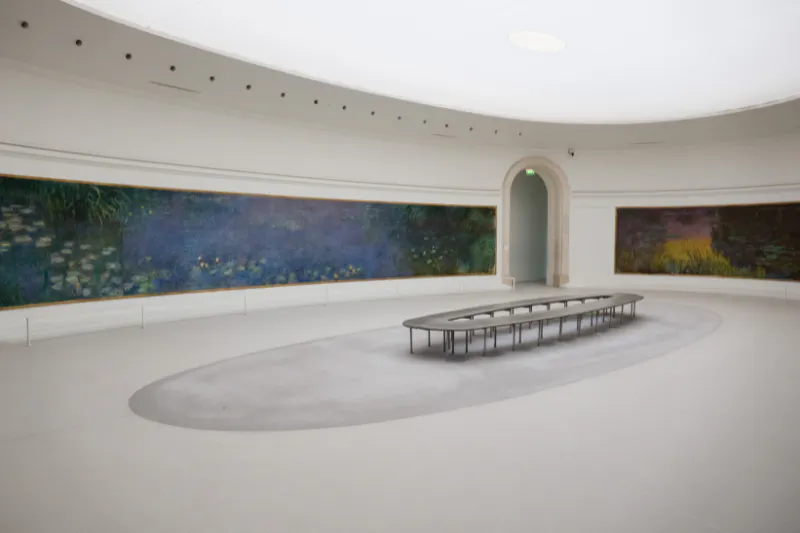
It was their friend Georges Clemenceau who called Blanche Monet’s ‘Blue Angel’. Dr Janine Burke, a contemporary art historian, also argued that Blanche probably assisted Monet in the making of the Grandes Décorations: “given the sheer scale of the surfaces to be covered in the Grandes Décorations, it is logical to consider Monet had an assistant, and who better than Blanche?”.
Related: Spring in Art: 10 Works of the Season
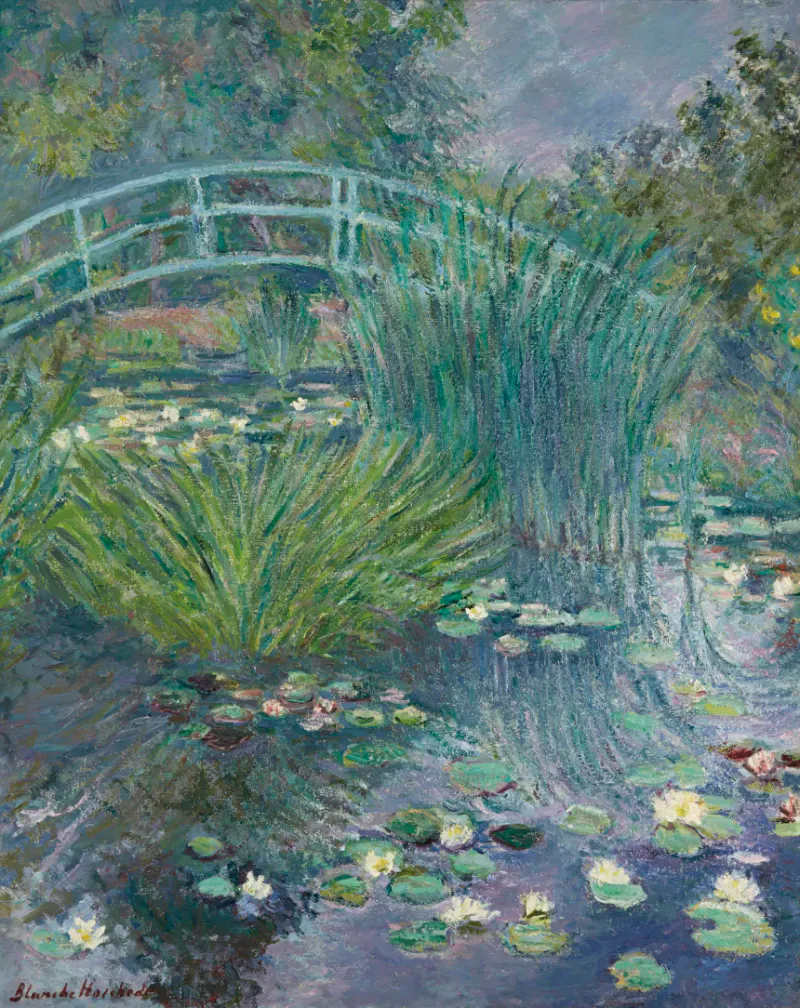
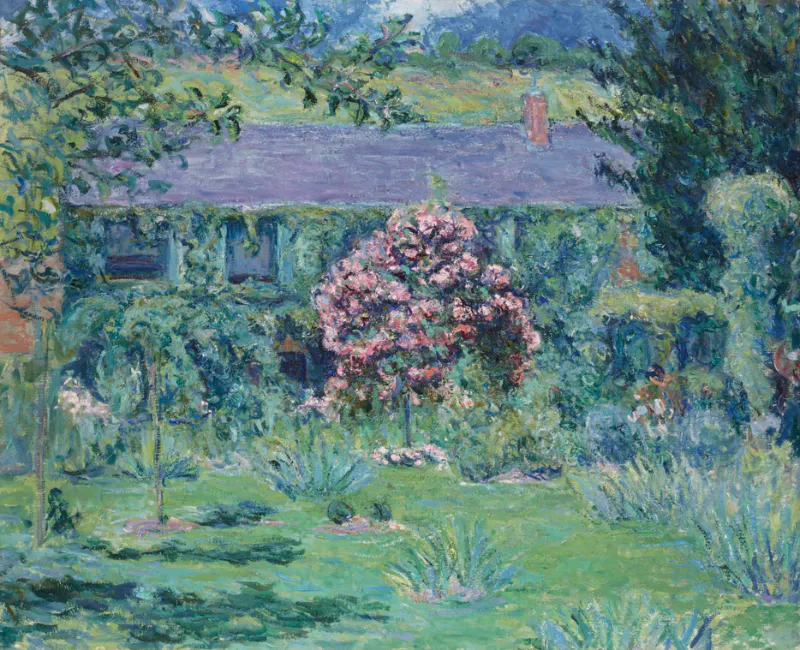
Blanche's oeuvre is distinctively Impressionist, with landscapes full of trees such as pines and poplars, meadows and rivers. Even after Monet's death, she remained in Giverny for the rest of her life and continued painting. At the age of 82, she passed away in Nice.