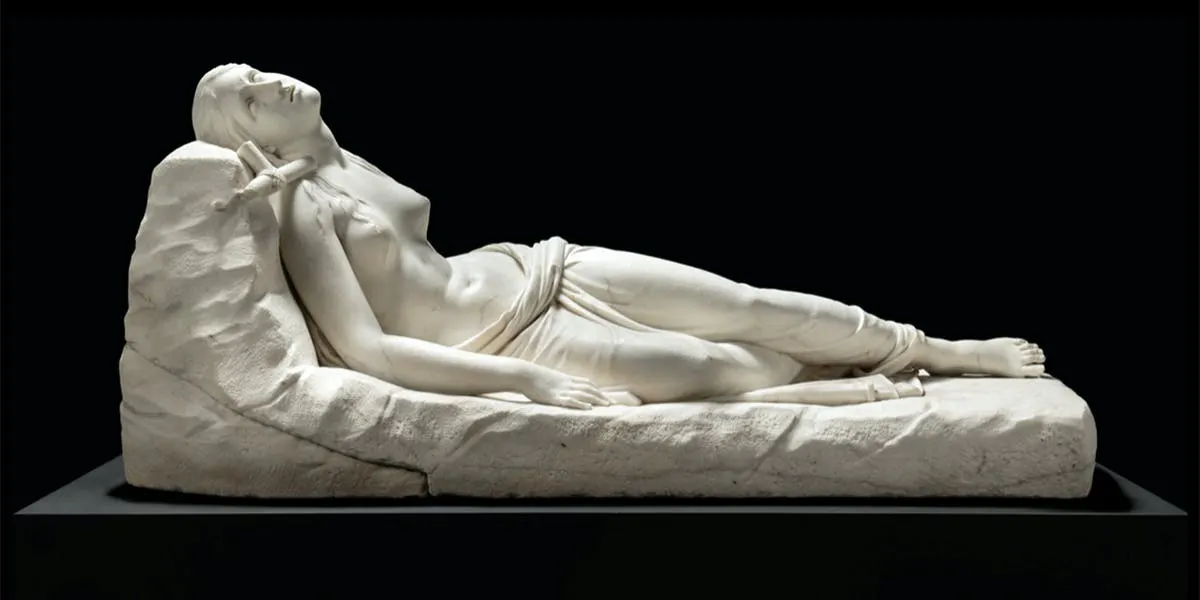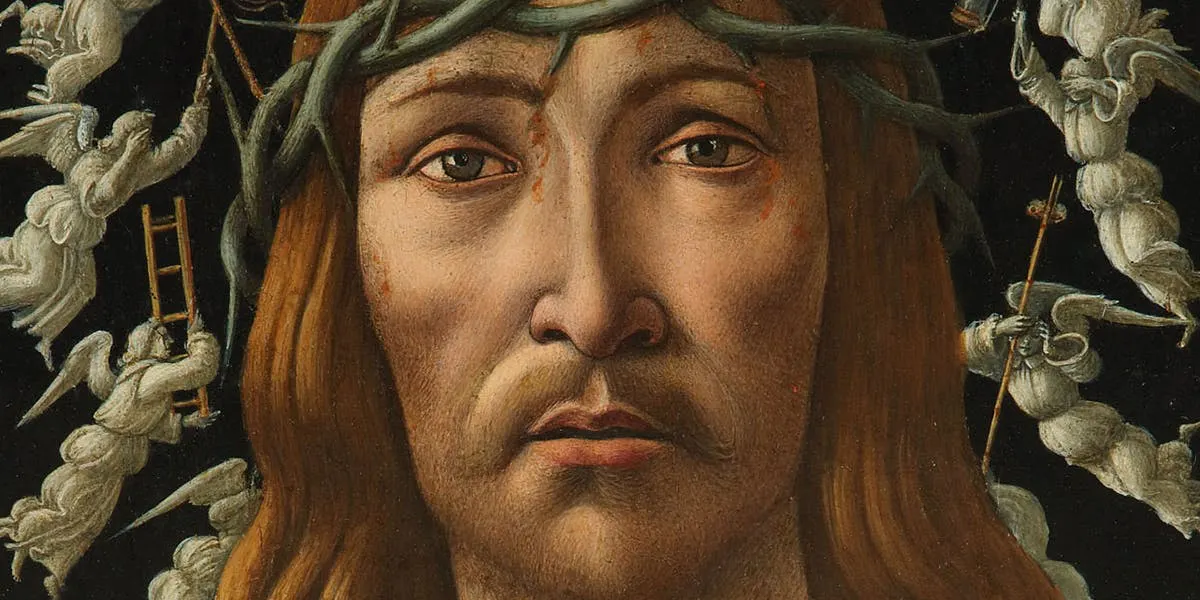
I also fell under her spell the moment I laid my eyes on her...
In 1776, 19-year-old Douglas Hamilton, the eighth Duke of Hamilton, was traveling in Rome. The Eternal City was the last stop on his four-year Grand Tour through Europe, which had taken him to the important centers of science and culture. The young Duke from Scotland was accompanied by the doctor and travel writer Dr. John Moore and his son of the same name, who was to die in 1809 as a general in the British Army in the Battle of La Coruña.
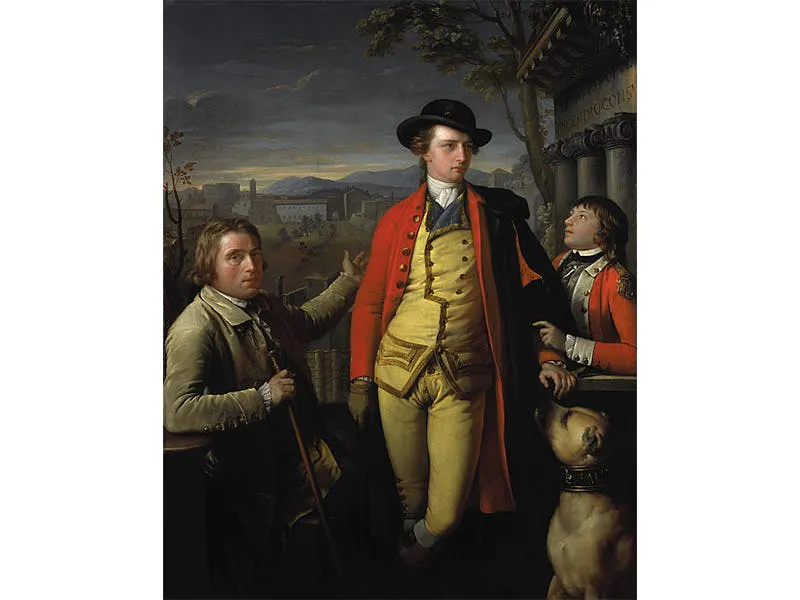
In 1776, La Coruña was still a long way off and Douglas Hamilton commissioned a portrait of himself and his two travel companions as well as a dog against the backdrop of Rome. The painter in charge was Gavin Hamilton (not related to the Duke), who had settled in Rome and also worked as an antique dealer.
Related: The 5 Most Important Sculptures in Italy
Just as popular as such portraits were antique souvenirs, which were intended to remind travelers of their grand tours for their entire lives, as well as decorate their homes. Through the mediation of Gavin Hamilton, Douglas Hamilton acquired the Roman souvenir par excellence: a marble sculpture of the Greek goddess Aphrodite.
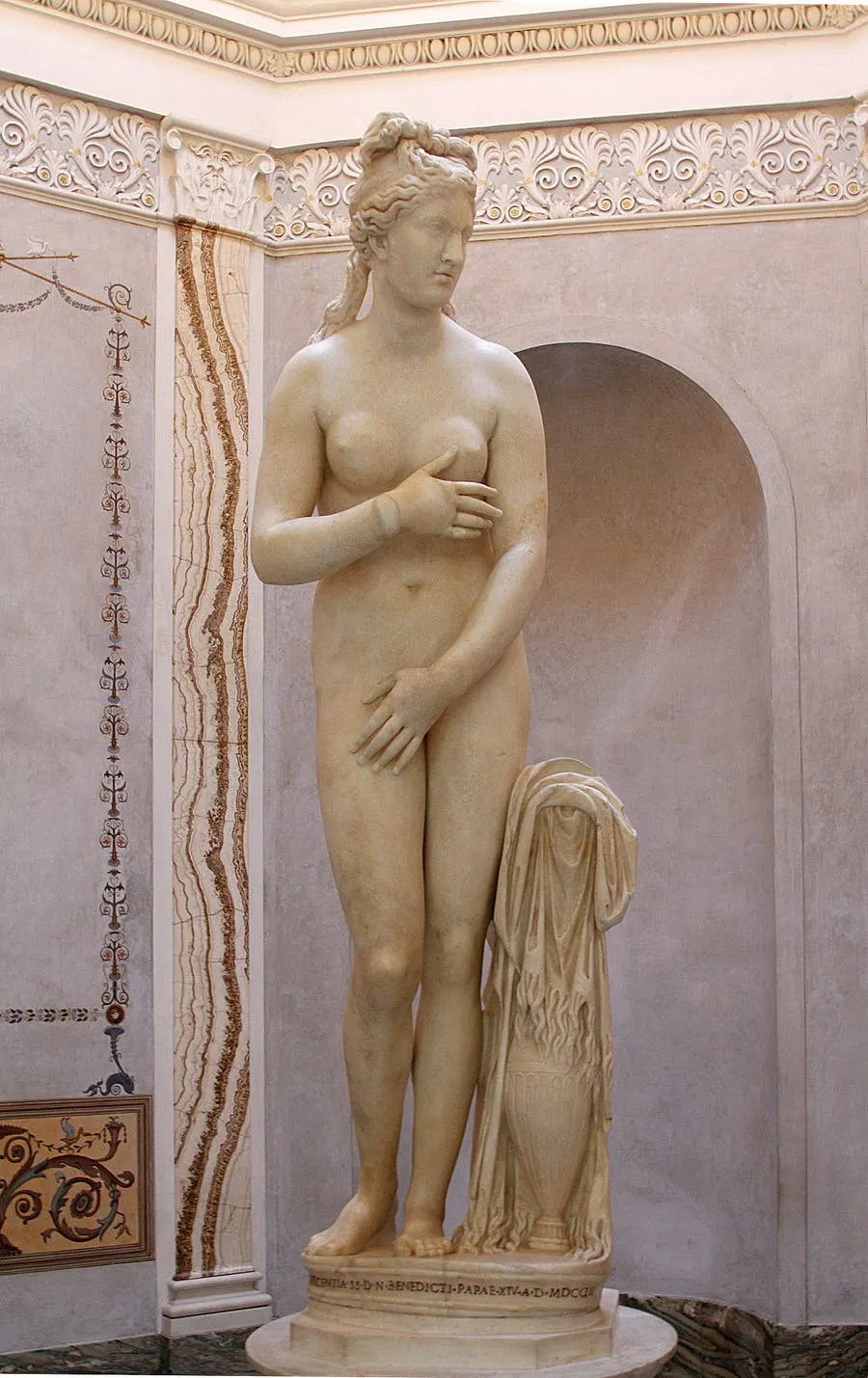
The 187 cm high statue is a Roman copy of a model created by the famous Greek sculptor Praxiteles from the 4th century BC. The most famous and eponymous Roman copy of this sculpture is the one that was excavated in a garden in Rome in the 17th century and has been in the Capitoline Museums since 1752, know as the Capitoline Venus. Douglas Hamilton likely saw her in Rome and wanted a copy for himself to bring home. Related: The 10 Most Expensive Sculptures Sold at Auction
Douglas Hamilton had his sculpture shipped to his Scottish homeland, where the goddess found residence in his family's country estate, Hamilton Palace in Lanarkshire, and stayed there for almost a century and a half. In 1921, however, the noble castle had to be demolished and the sculpture, now known as Hamilton Aphrodite, was sold to the American publisher William Randolph Hearst. The Hamilton Aphrodite was last seen publicly in 1949 when it was acquired by another private collector.
On December 7, 2021, the marble masterpiece finally reappeared when she was called up in an auction dedicated to her at Sotheby's in London.
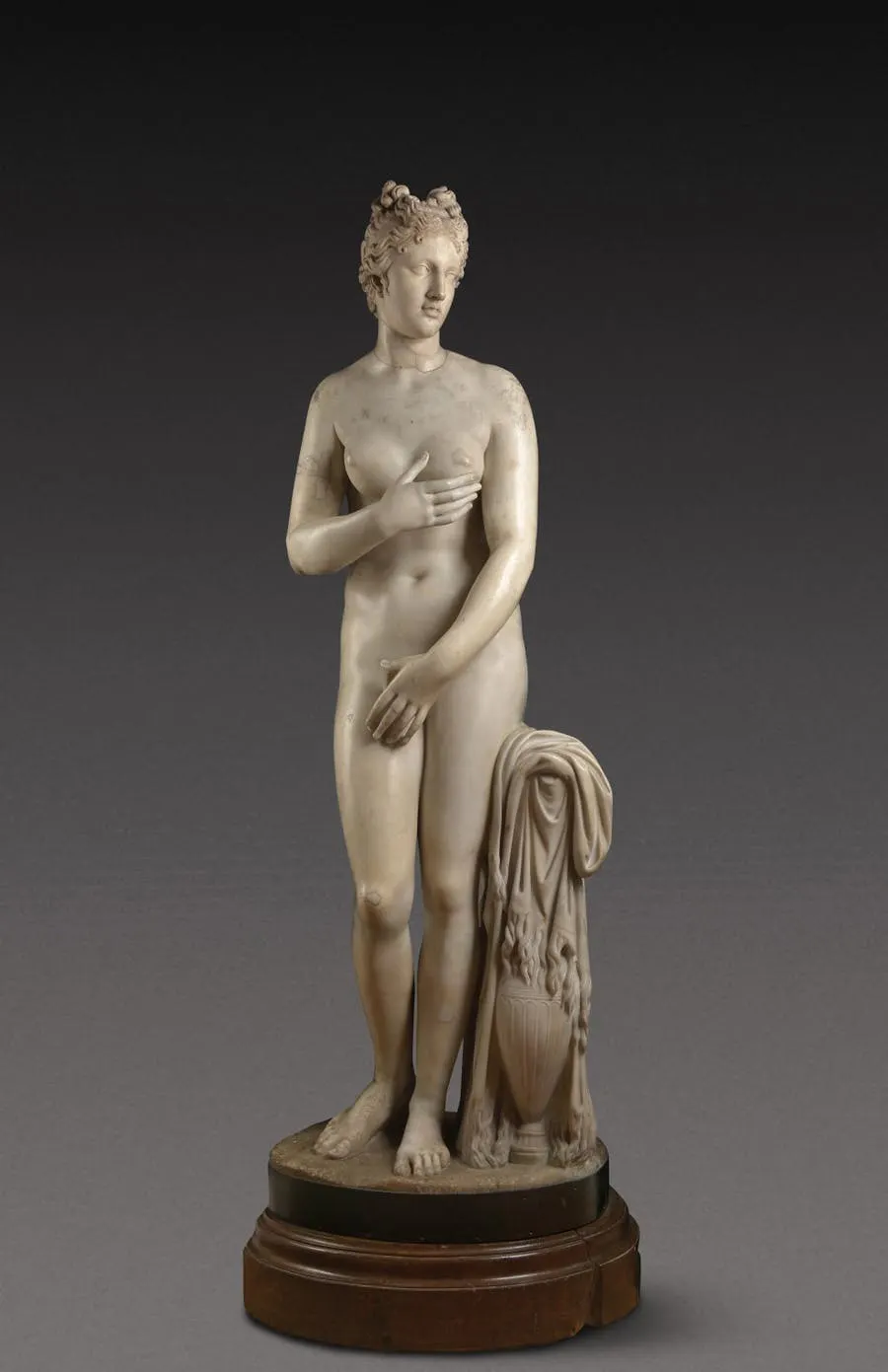
"The Duke of Hamilton is said to have fallen in love with Aphrodite the moment he first saw her, almost 250 years ago," said Florent Heintz, head of Sotheby’s Ancient Sculpture and Works of Art department. "I also fell under her spell the moment I laid my eyes on her, struck as I was by her subtle blend of earthly beauty and divine majesty, and I hope that the public will share the same experience."
Related: An Artistic Representation of Breasts Throughout the Centuries
Five fierce bidders engaged in a bitter battle for one of the most important Roman statues to be found in the British Isles in the 18th century. Offered with an estimated price of 2-3 million GBP, the Hamilton Aphrodite went to an anonymous collector from Asia after 20 minutes, who won Aphrodite for 18.6 million GBP including buyer's premium ($24.8 million). The incredible sculpture has also set a new record for an ancient marble sold at auction.
You can find more news from the auction market in Barnebys Magazine!