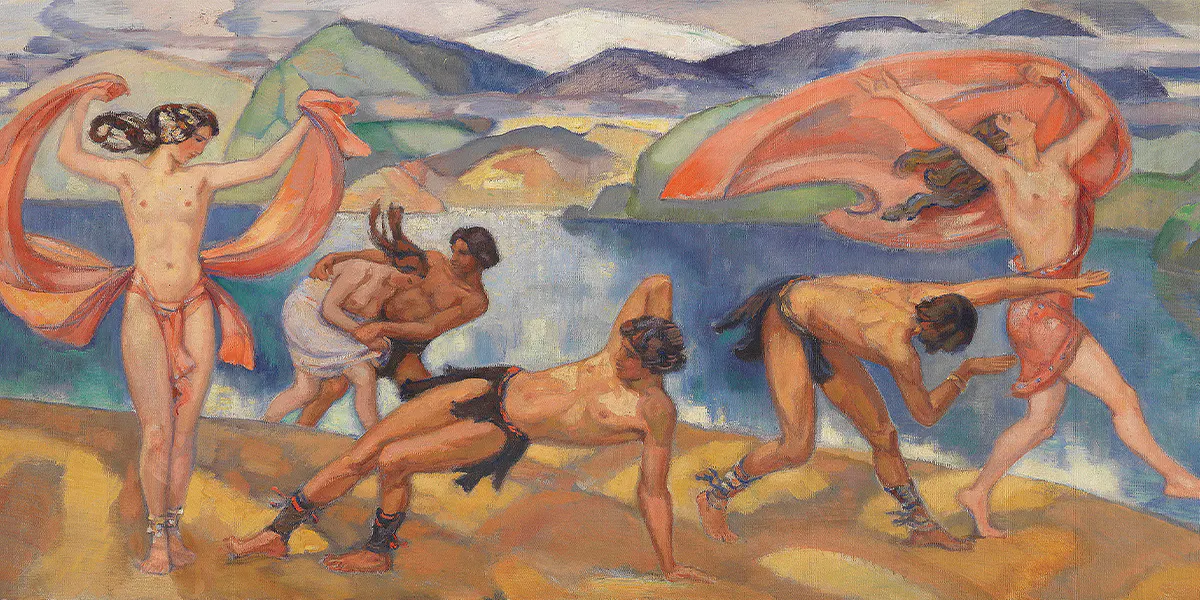
Ludwig von Hofmann, born in Darmstadt in 1861, was drawn and belonged to a variety of artistic movements, including historicism, art nouveau, symbolism and New Objectivity.
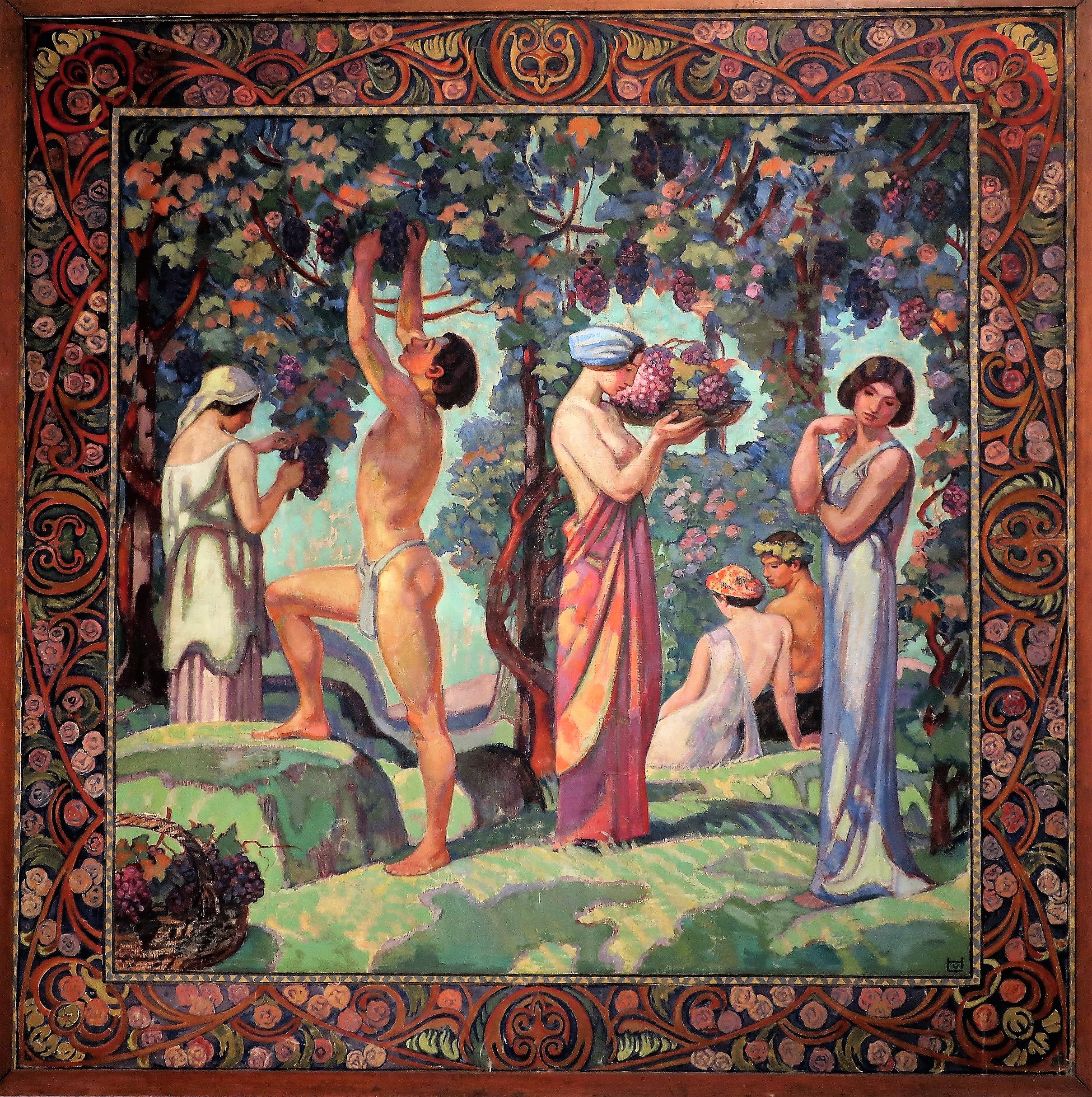
Most famous are his paintings in which he deals with the ideal image of an Arcadian way of life. In keeping with the spirit of the times at the beginning of the 20th century, the paintings figure young people with beautiful bodies, yet without the pathos that the ending age of historicism brought to such works.
Want more articles like this delivered straight to your inbox? Subscribe to our free newsletter!
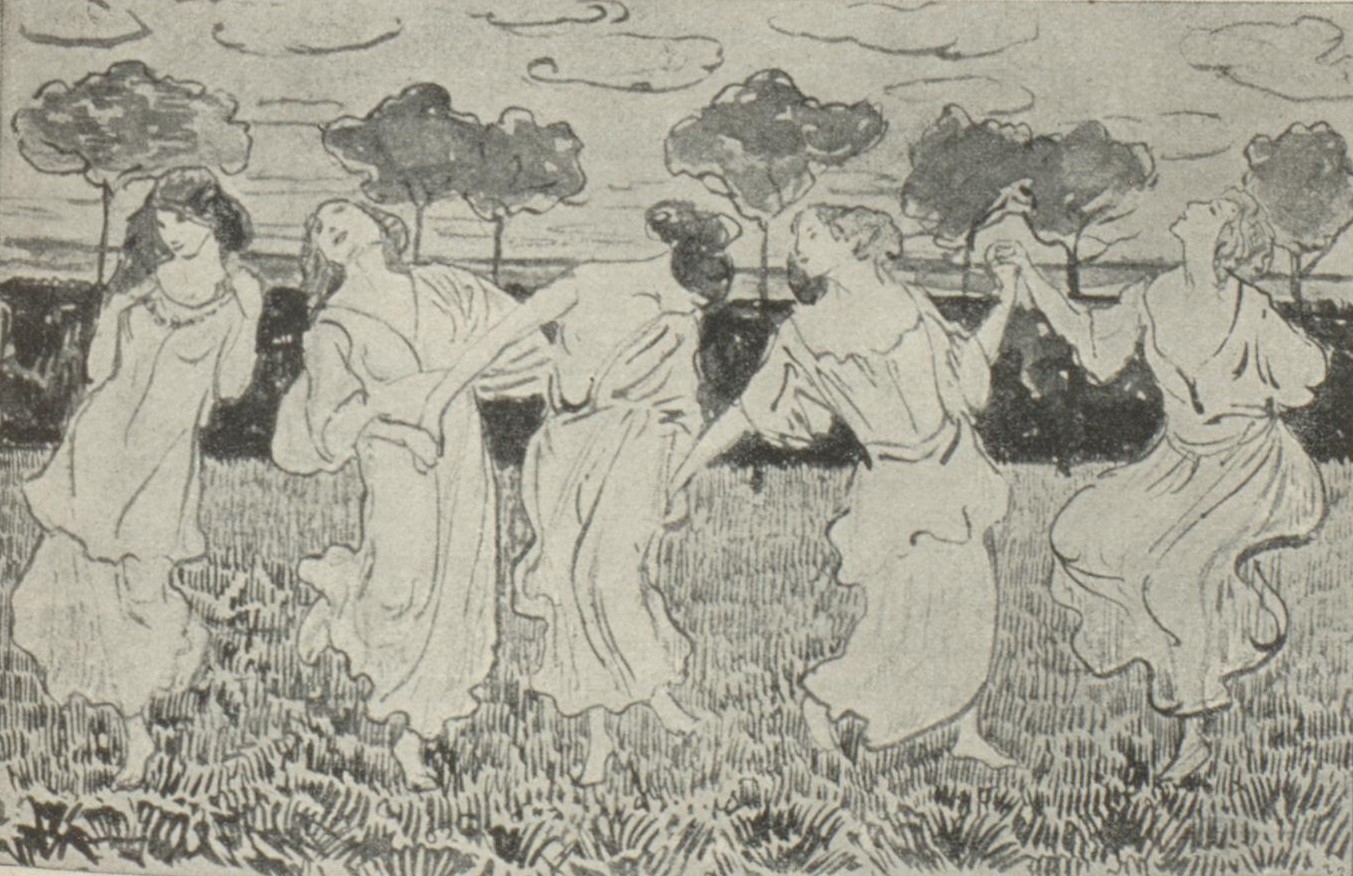
In addition to his work as a painter, Hofmann was also active as a designer and illustrator. Particularly noteworthy is his artistic work for Pan, an Art Nouveau magazine for arts and culture published between 1895 and 1900. There are also large-scale murals by his hand, among others in the foyer of the New Theatre in Weimar and in the German National Library in Leipzig.
Related: Jugend: The Birth of an Artistic 'Youth' Movement
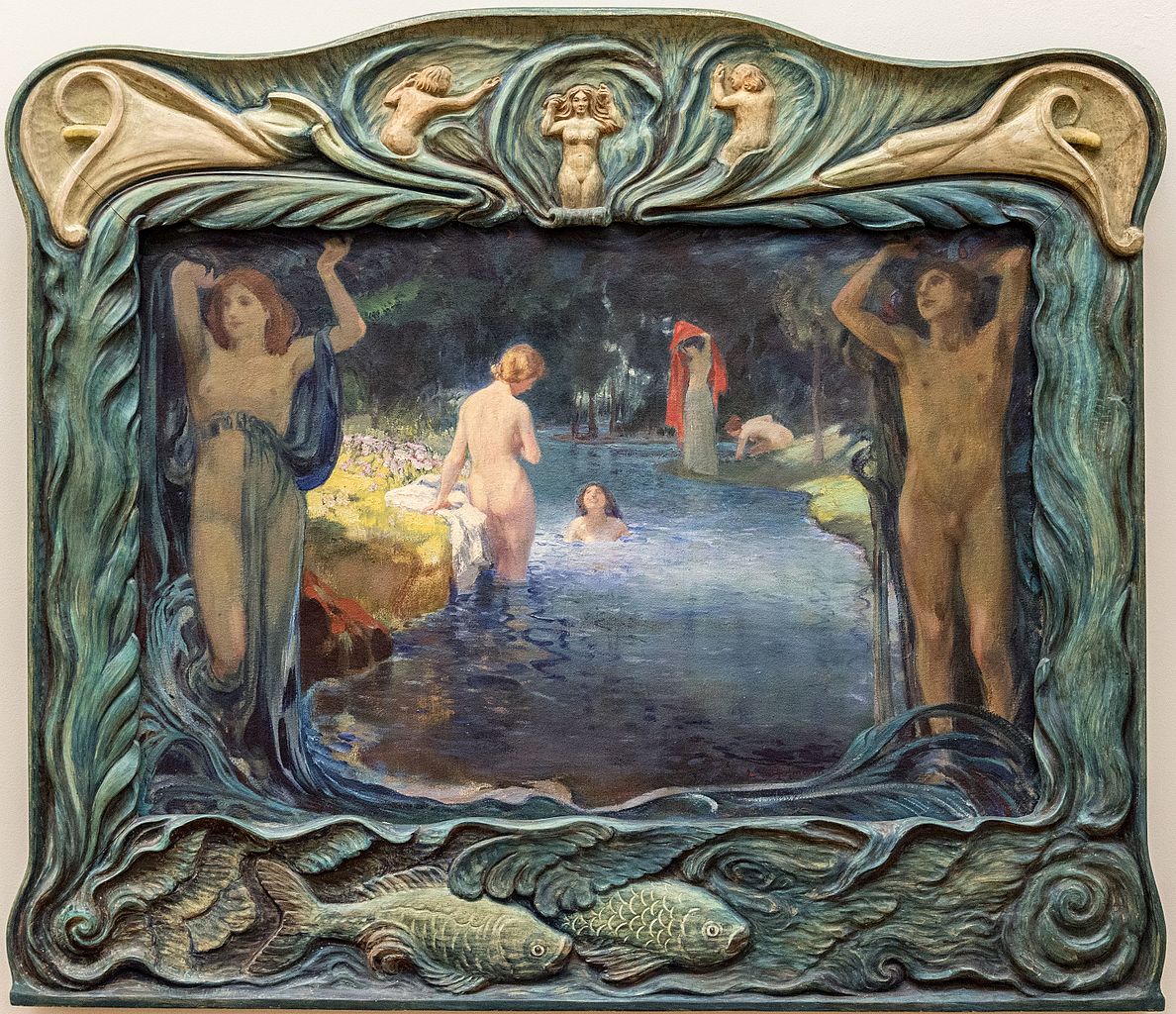
Hofmann, who himself had studied at the art academies in Dresden and Karlsruhe as well as at the Académie Julian in Paris, taught as a professor at various institutes: the Grand Ducal Art Academy in Weimar (1903-16) and the Art Academy in Dresden (1916-31). During his time in Weimar, he belonged to the avant-garde group Neues Weimar, which was dedicated to modern art movements. Among his students were Jean (Hans) Arp and Ivo Hauptmann, whose father, the Nobel Prize winner for literature Gerhard Hauptmann, was a friend of Ludwig von Hofmann.
Related: Wilhelm von Gloeden and the Nude Men of Taormina
Between 1894 and 1900 Ludwig von Hofmann spent a lot of time in Italy with its Arcadian landscapes. Besides Rome, he spent most of his time at his villa in Fiesole near Florence.
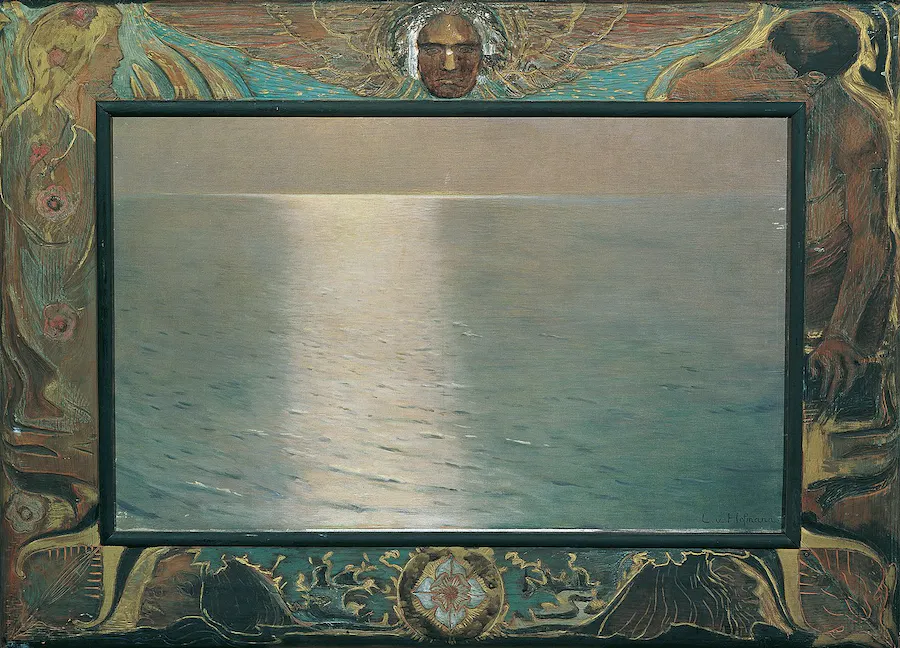
One collector of Hofmann's works was Empress Elisabeth of Austria, who liked the Greek ideal without much pomp. But Hofmann's works were hardly noticed in the 1920s and 1930s. During the Nazi regime, some of his works were classified as 'degenerate', removed from collections, and even destroyed. Ludwig von Hofmann died a few months after the end of the Second World War in Pillnitz near Dresden.
Related: Beauty is Truth: A Real Portrait of Empress Elisabeth of Austria
Ludwig von Hofmann's heyday in the epoch of Art Nouveau was almost 100 years ago, when his significant oeuvre was once again given greater attention. His current record price on the auction market was achieved in 2016 when Frühlingssturm (Spring Storm) from 1894/1895, which is not only a major work by the artist but also of the Art Nouveau period, was sold at auction by Grisebach in Berlin for 375,000 euros (including fees).
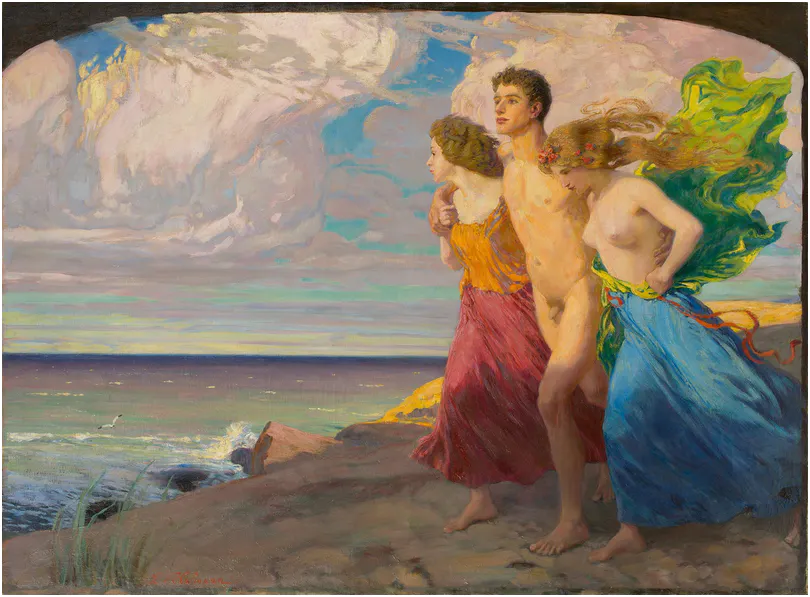
The painting, which had once been part of the collection of the German-Jewish publisher and patron Rudolf Mosse (1843-1920), was left behind in 1934 when his descendants had to flee Germany and came into the possession of the City of Darmstadt via several stages, which restituted the work to the heirs in 2015. At the following auction in Berlin, it was acquired by a private collector who gave it to the city of Darmstadt on permanent loan. Today, Spring Storm, painted in Rome, is exhibited in the foyer of the Museum Künstlerkolonie in Ludwig von Hofmann's hometown of Darmstadt.