
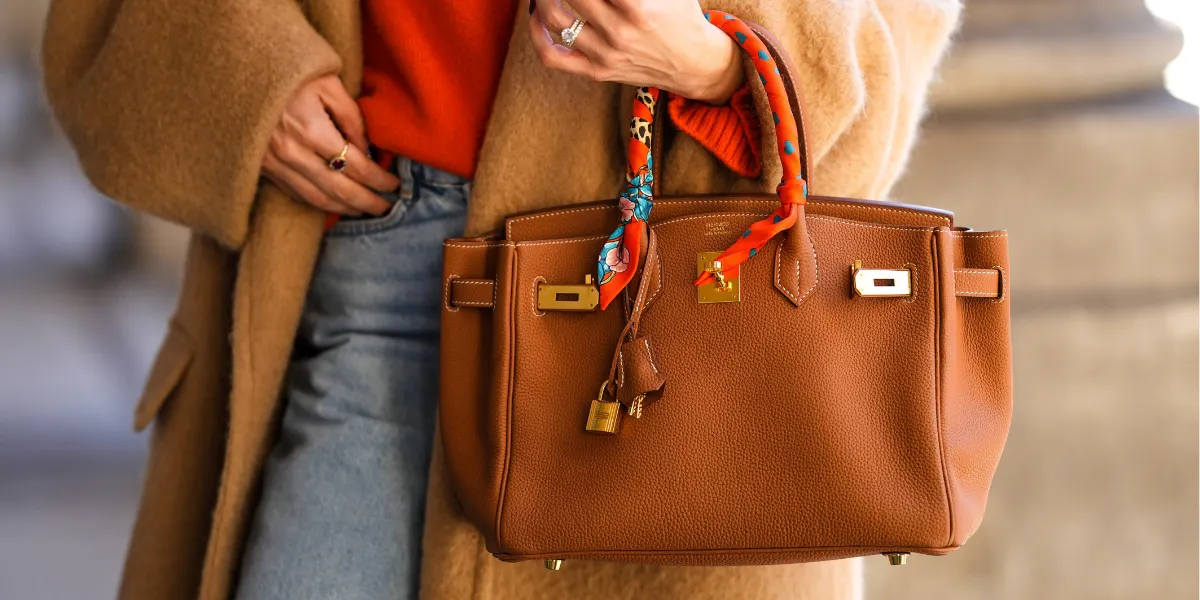
In 1984, Jane Birkin was flying from Paris to London. She was accompanied by her two-year-old daughter Lou, born of a relationship with the French director Jacques Doillon that followed her turbulent partnership with Serge Gainsbourg. The English-born Birkin was a well-known actress and perfectly embodied the French bohemian style of seemingly effortless sophistication. Fringe bangs, jeans, a blue-and-white striped shirt, and a touch of makeup completed her iconic look. However, traveling with a small child was difficult for her too and she complained to her seat neighbor about how her bag was not large enough to hold everything she needed. While she talked her papers slipped, scattering notes and documents everywhere.
Related: 5 Iconic Handbags and the Women Who Made Them Famous

But Birkin’s neighbor was not just any commuter. It was Jean-Louis Dumas, president of the French fashion house Hermès, founded by his family in 1837. Dumas seized his opportunity and promised to design a bag just for her, one that was roomy and comfortable while still remaining both elegant and trendy.
Related: Hermès: A World of Leather and Silk
The promised bag was delivered shortly thereafter, based on an earlier design from 1900, and named the Birkin. Since its launch, the Birkin has become the ultimate "it bag," capturing the attention of every fashionista. Jane Birkin herself has said that the fame of the bag has far exceeded her, becoming a real symbol of luxury and an accessory beloved by Hollywood, royalty and more. The Birkin bag has become a cultural reference, mentioned in series such as Sex & the City, The Sopranos, and Gossip Girl.
Related: How to Spot a Fake Hermès
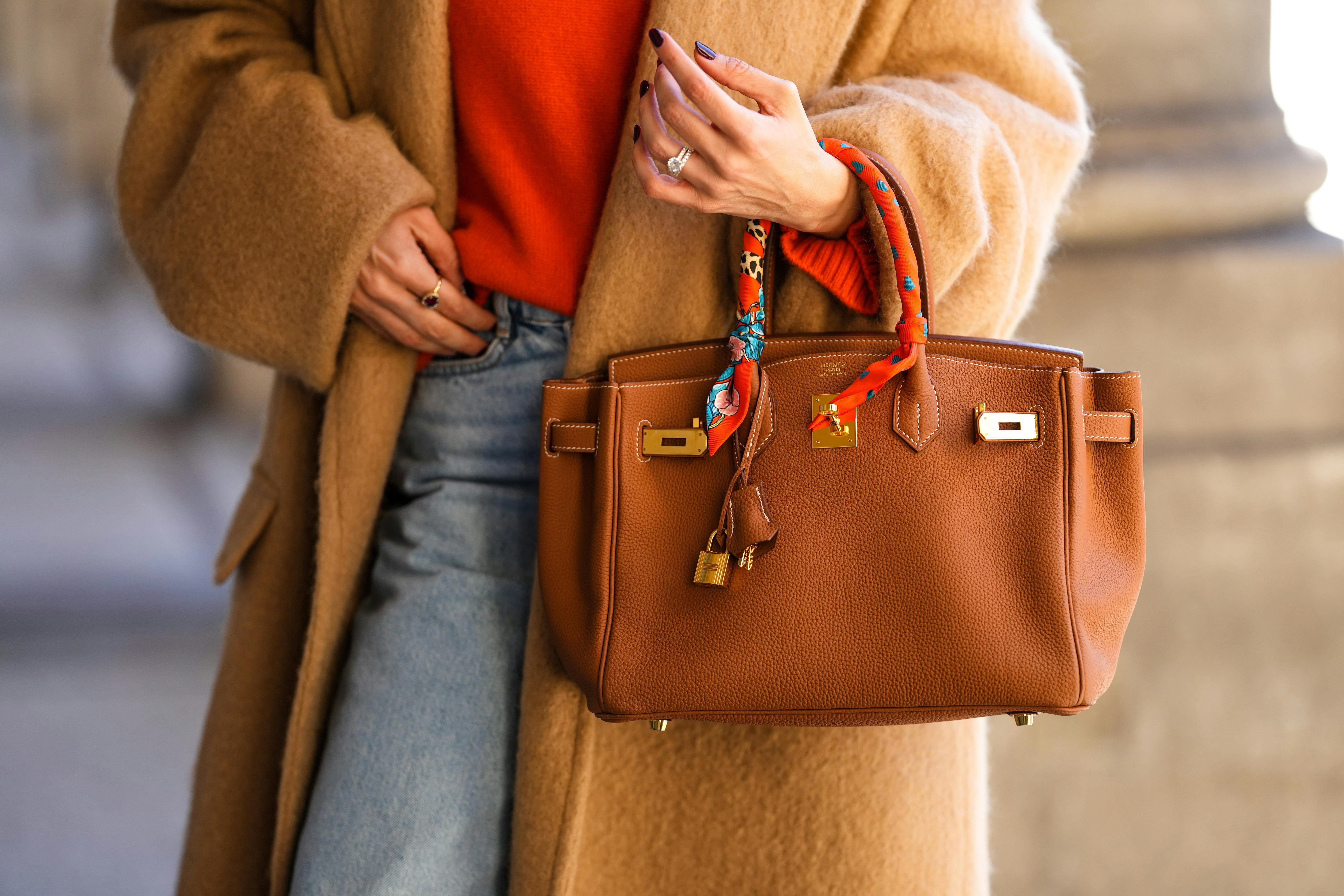
According to Hermès, the Birkin should be carried by holding the two handles in the crook of one arm. The padlock that holds the two side straps is a design element more than anything; in fact, in the spirit of carefree French elegance it is preferable to keep it open. The Birkin is considered an ‘everyday bag’, unlike the Kelly, which, inspired by the princess Grace Kelly, has a more structured and formal shape.
Want more articles like this straight to your inbox? Subscribe to our free newsletter here!
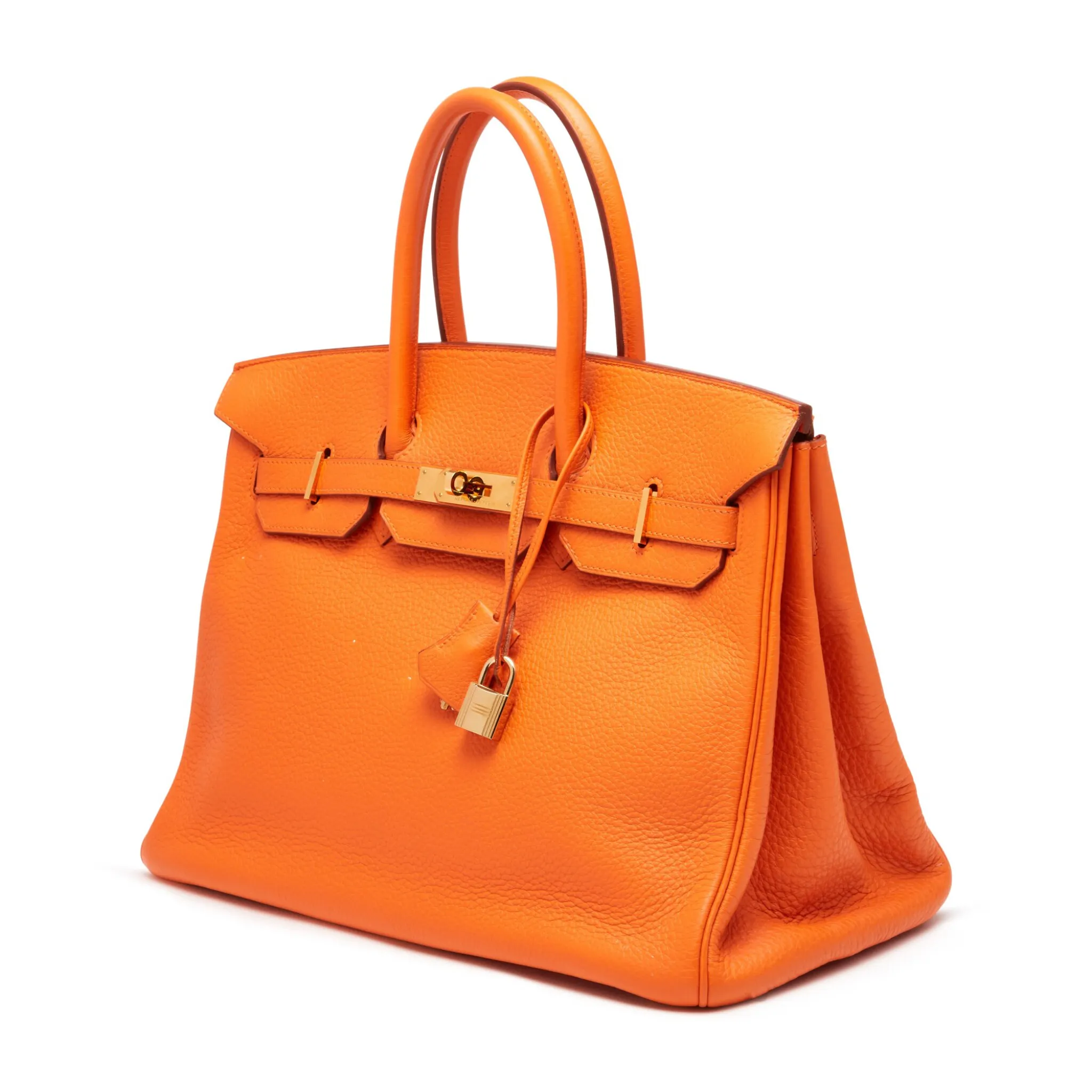
Available in cowhide, ostrich leather and calf leather, the Birkin is produced in different sizes, ranging from 25 to 40 cm. The iconic color is the typical Hermès orange, which was born of necessity: in the war period the beige shades became unavailable, so Émile-Maurice Hermès settled for orange, never suspecting that the shade would become the house color. Nowadays, the choices aren’t so limited: the Birkin is available in a veritable rainbow.
Related: It’s in The Bag: The Handbag Collectors’ Market
The valuation of the Birkin bag has trended upward since its market launch, both in the store, where prices have increased by 8-12% per year, and on the secondary market, which has seen the average price of a bag triple over ten years. This is mainly due to scarcity, as demand is much higher than supply. Each bag is still made by hand by trained artisans and takes 18 hours of work to finish.
Listen: Podcast Ep #38 Unlocking the Hermès Hype
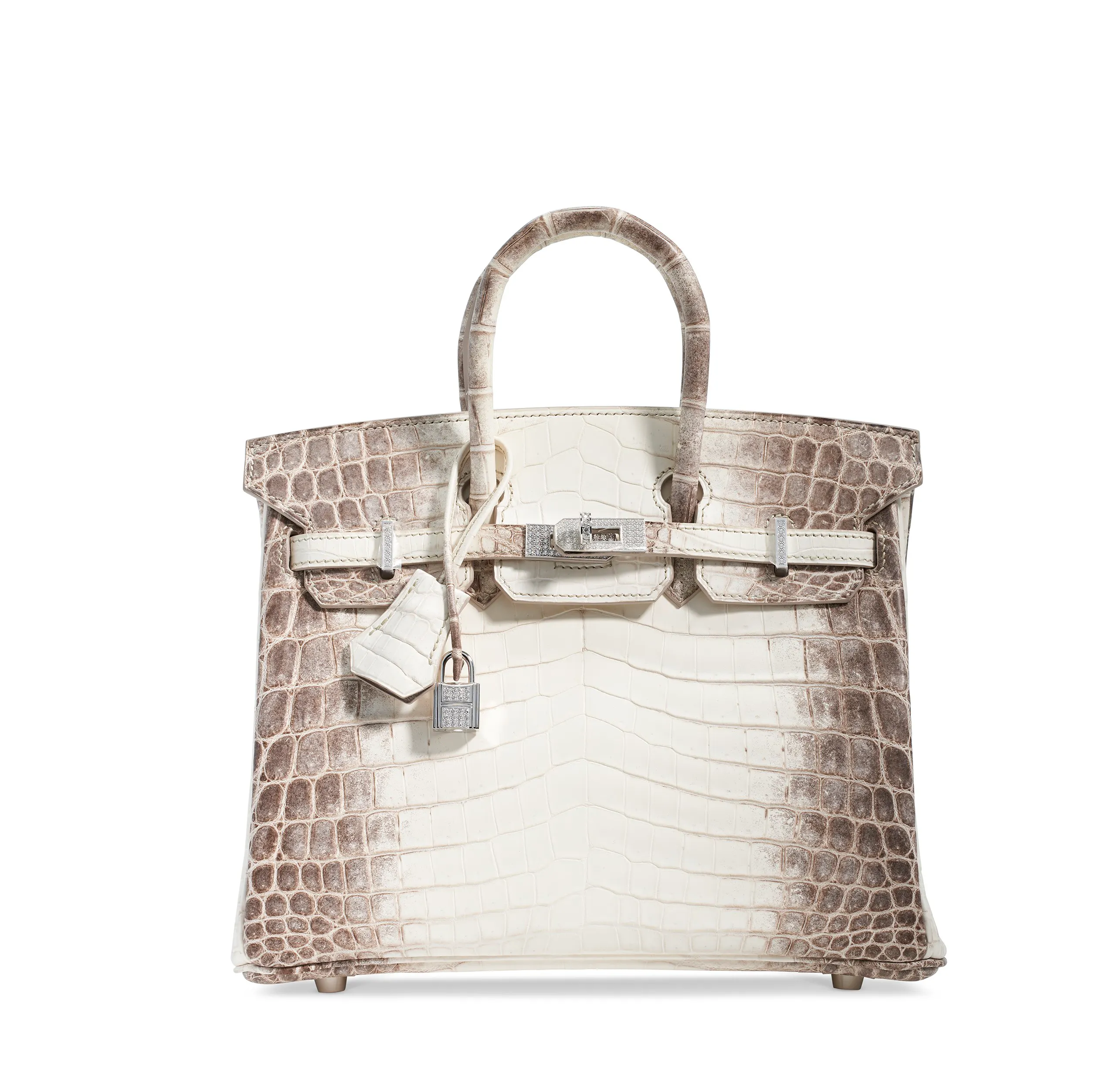
The most expensive Birkin ever sold is a white niloticus crocodile Himalaya Birkin 35 in white gold and diamond hardware that was auctioned for $381,440 at Christie's in 2017. The crocodile Himalaya Birkins are the rarest and priciest, with multiple versions selling for over $300,000 at auction.
Find more articles on Barnebys Magazine
This is an updated version of the article originally published on November 22, 2019