A good fashion designer must be an architect for the patterns, a sculptor for the shape, a painter for the designs, a musician for the harmony and a philosopher for the fit.
Cristóbal Balenciaga (1895-1972) is widely celebrated as one of fashion's greatest designers, earning him the titles of "master" and "couturier des couturiers." His journey began alongside his mother, who imparted her invaluable expertise. At twelve, he caught the eye of the Marchioness of Casa Torres, who entrusted him with replicating one of her dresses. She encouraged him to pursue sewing and ignited a passion for art. Among the paintings young Balenciaga admired at Casa Torres were Velázquez's Portrait of an Apostle, El Greco's Saint Sebastian, and the Cardinal Luis María de Borbón y Vallabriga by Goya.
Related: Diego Velázquez: The Spanish Court Portraitist
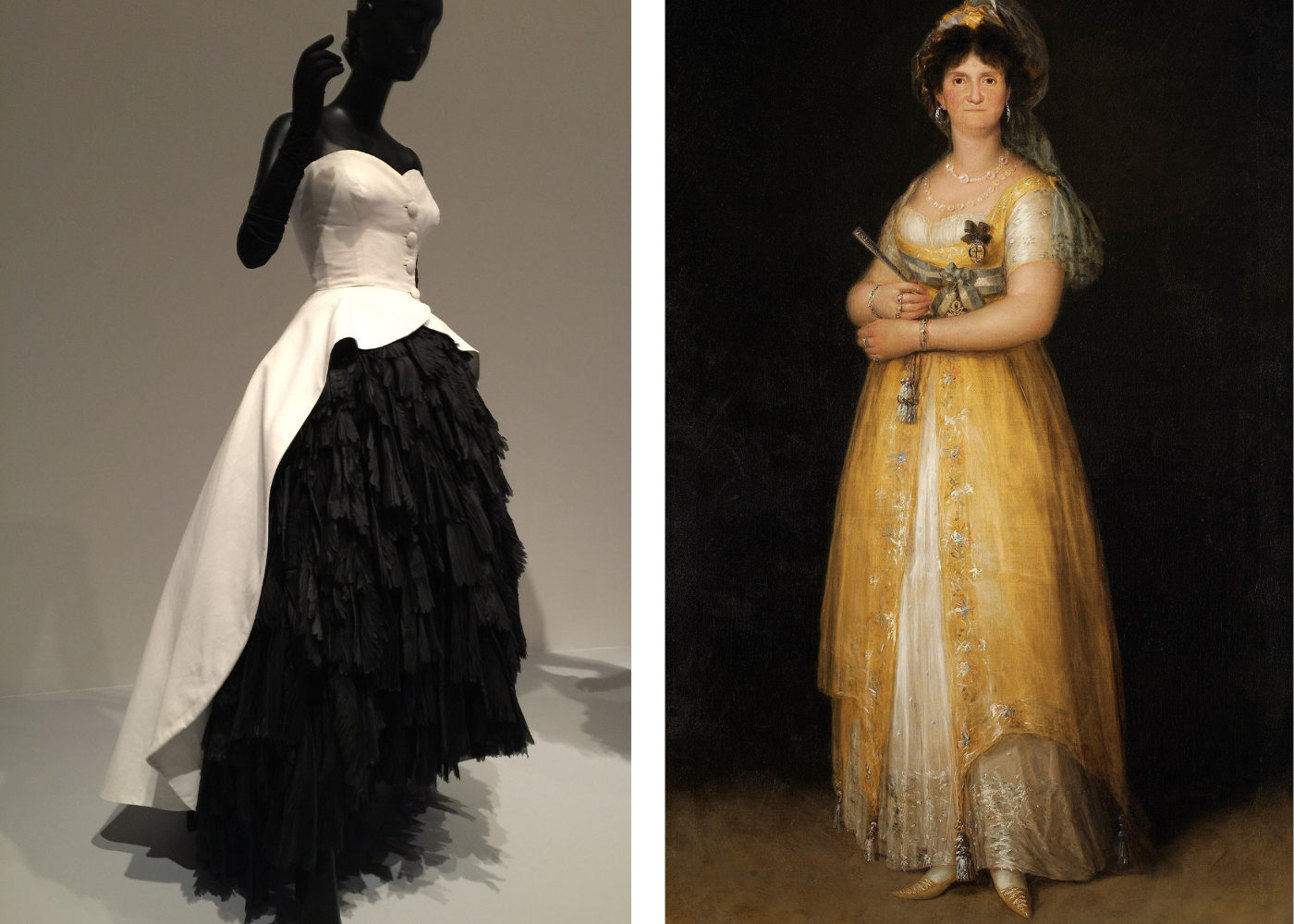
Cristóbal Balenciaga openly acknowledged that he drew inspiration from these artists, and a closer examination reveals numerous parallels, from stylistic choices in cuts to the selection of materials. Indeed, his sculptural creations drew consistent influence from Spain's rich sartorial heritage, embracing the dark elegance of the 16th century and the colorful diversity of regional folk costumes. This influence is evident through the pieces from in his personal collection, which he collected for his personal documentation.
Related: Haute Couture: Fashion Meets Art
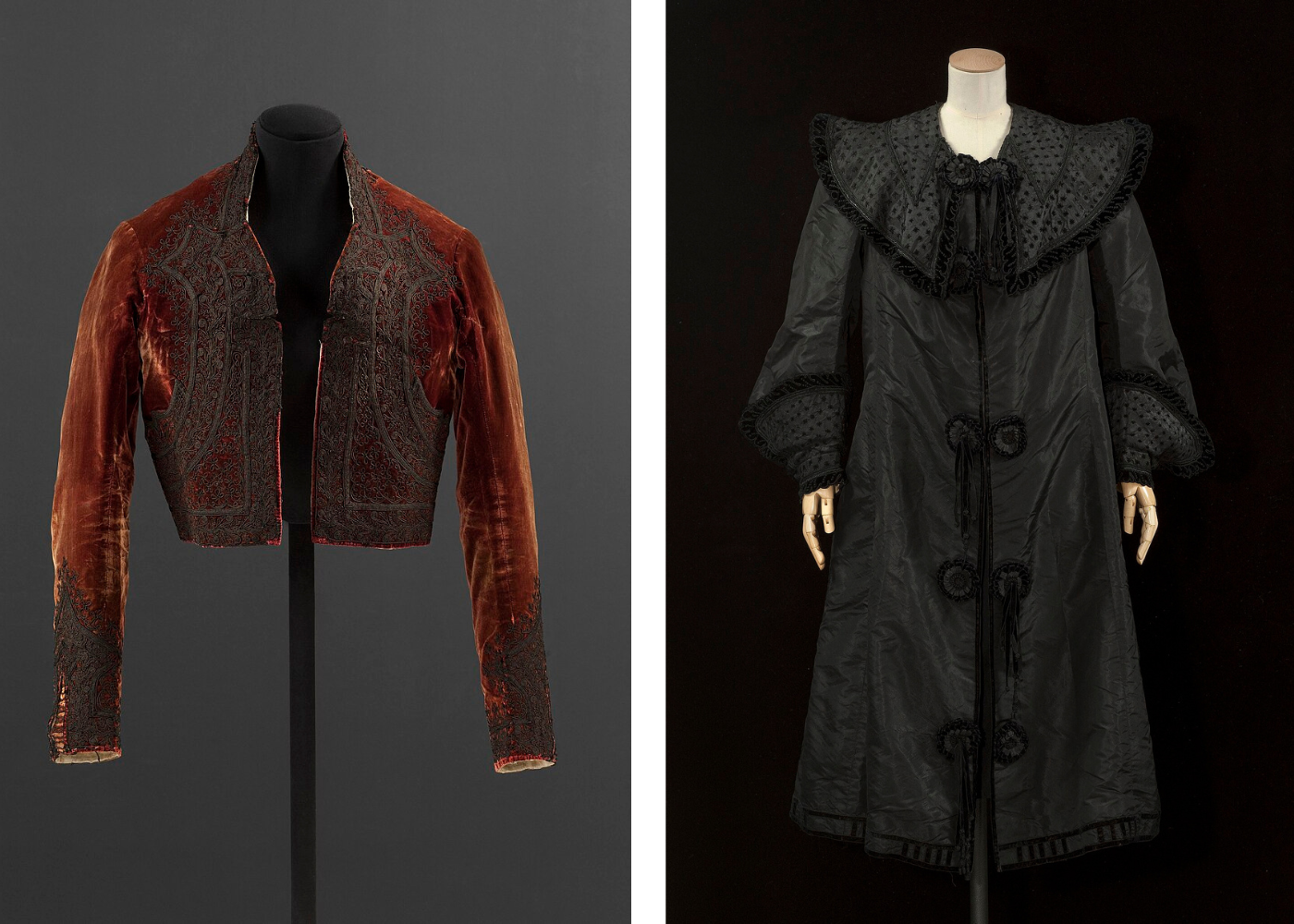
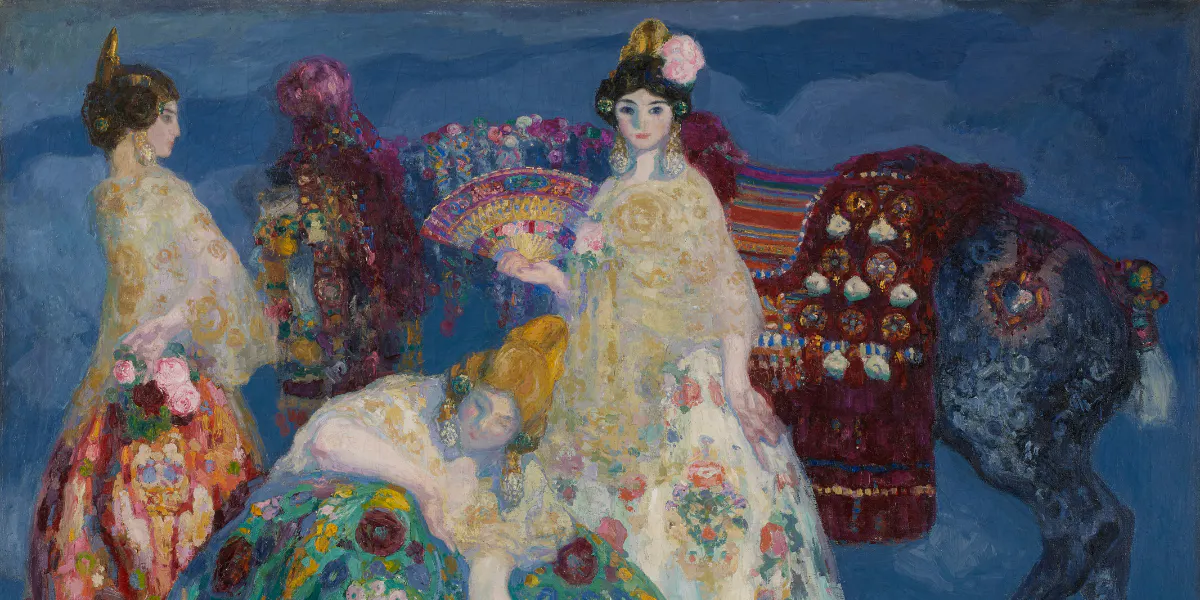
Connections between the worlds of painting and fashion become even more apparent in the colours and embellishments, which resonate with their use of black, floral patterns and intricate embroidery in both artistic domains. Balenciaga's deep Catholic faith also left a profound imprint on his designs.
Related: El Greco: A Meeting of East and West
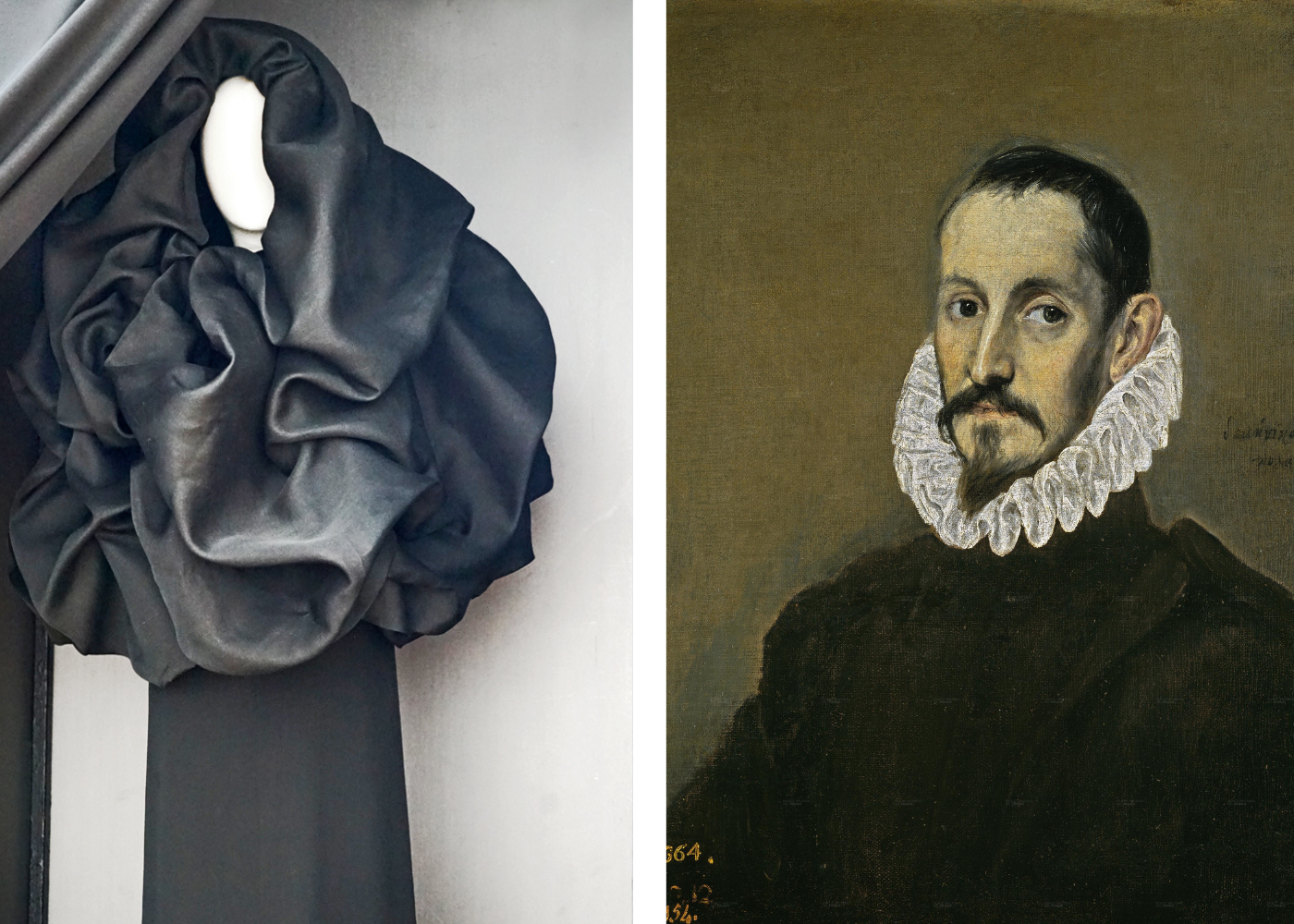
His profound admiration for El Greco, the father of the Spanish School of the 16th century known for his opulent religious representations and portraits of the Spanish bourgeois, is palpable. One example is a silk crepe dress adorned with an extravagant hood, reminiscent of El Greco's 1586 portrait. Balenciaga's creations also reflect the influence of various religious icons, apparent in the shapes and volumes of his sumptuous clothes.
Although Balenciaga's career began primarily before the Second World War, it was during the 1950s that he initiated a profound revolution in the female silhouette, which continued to evolve, reaching its peak in the early 1960s. His classic and refined style earned him a devoted clientele, including the royal families of Spain, Belgium, Morocco and the United Kingdom. His influence was felt deeply by numerous fashion designers, including Oscar de la Renta, André Courrèges (who collaborated in his studio), Emanuel Ungaro, and Hubert de Givenchy.
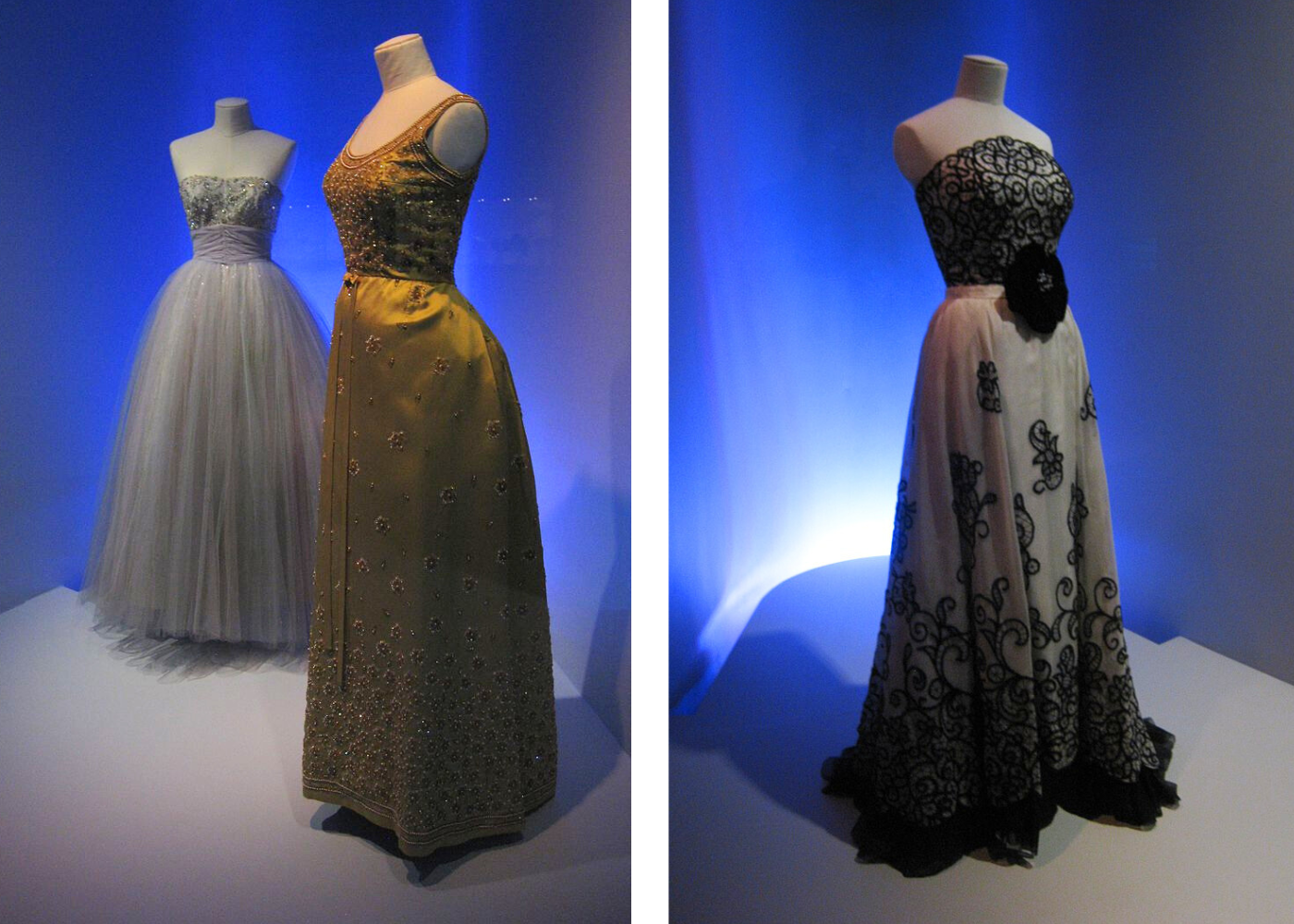
The works of Spanish court painters notably resonate with the designer's emphasis on black, which, at the court of Philip II, symbolized power and elegance. As for the embroideries and patterns adorning his fabrics, they are thought to evoke the imagery of still lifes and the portraits of Spanish ladies from the 18th and 19th centuries. Goya, in particular, is believed to have profoundly influenced Balenciaga's imagination and aesthetics, both in terms of style and color, resulting in what is often referred to as a 'goyesque' touch in the couturier's creations.
Related: The 7 Most Expensive Works by Francisco Goya
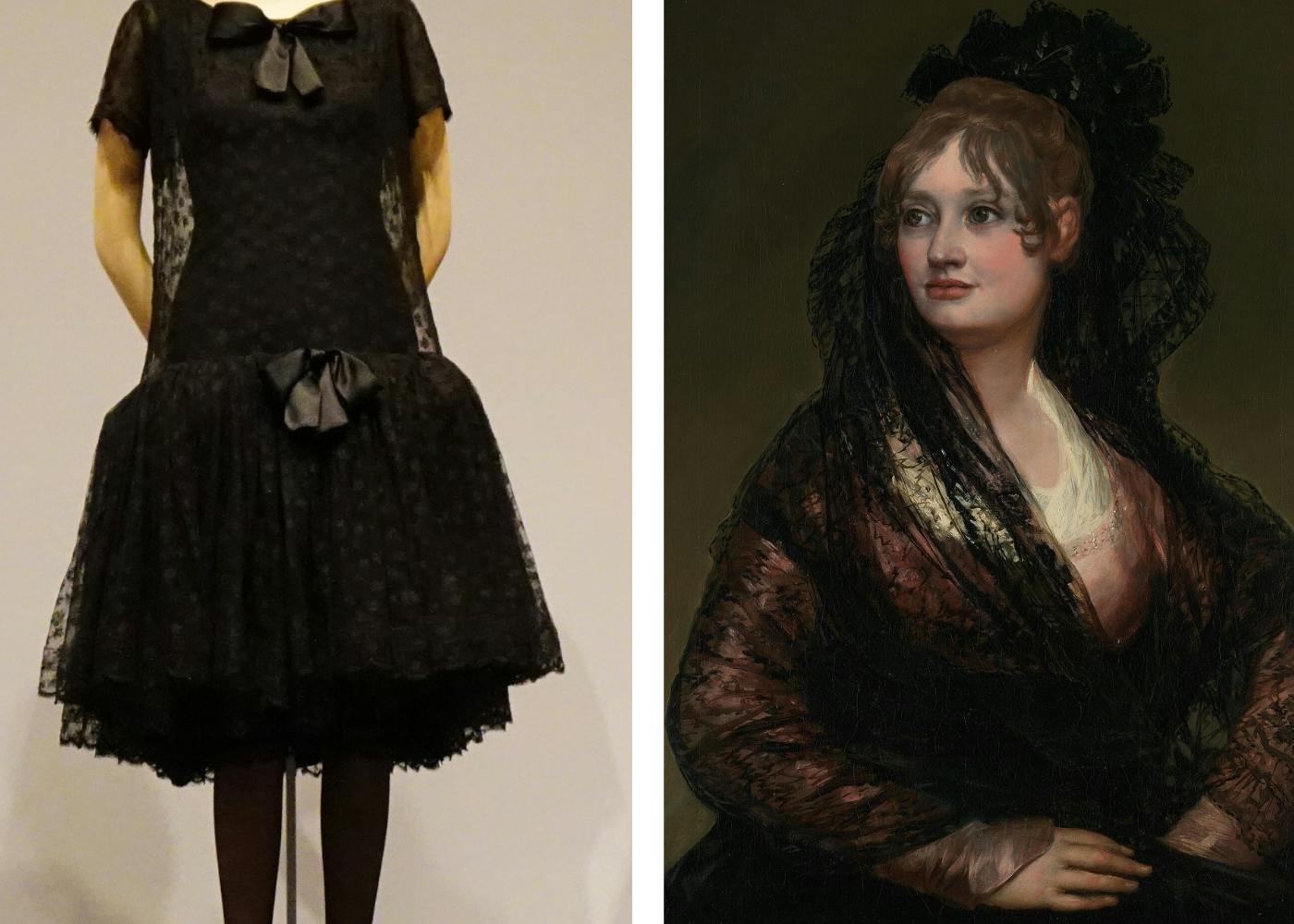
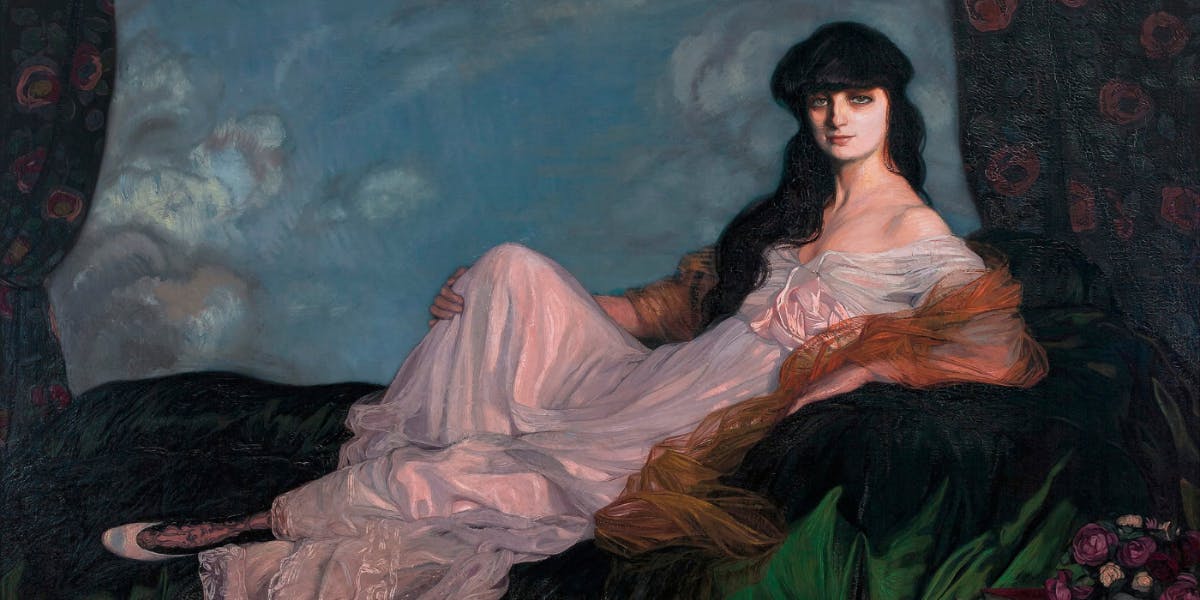
It's not just the works of Goya or El Greco that influenced the designer. Paintings from the 19th and 20th centuries also played an important role in Balenciaga's creative process, and depictions of daily life and modern Spanish culture were incorporated into his pieces. This distinctive cultural identity found its strongest expression in 20th-century Spanish painting, including the works of contemporary artists like Ignacio Zuloaga, a close associate of Balenciaga, an acquaintance of Balenciaga.
Related: Andalusian Painting: A Journey Into the Heart of Romanticism
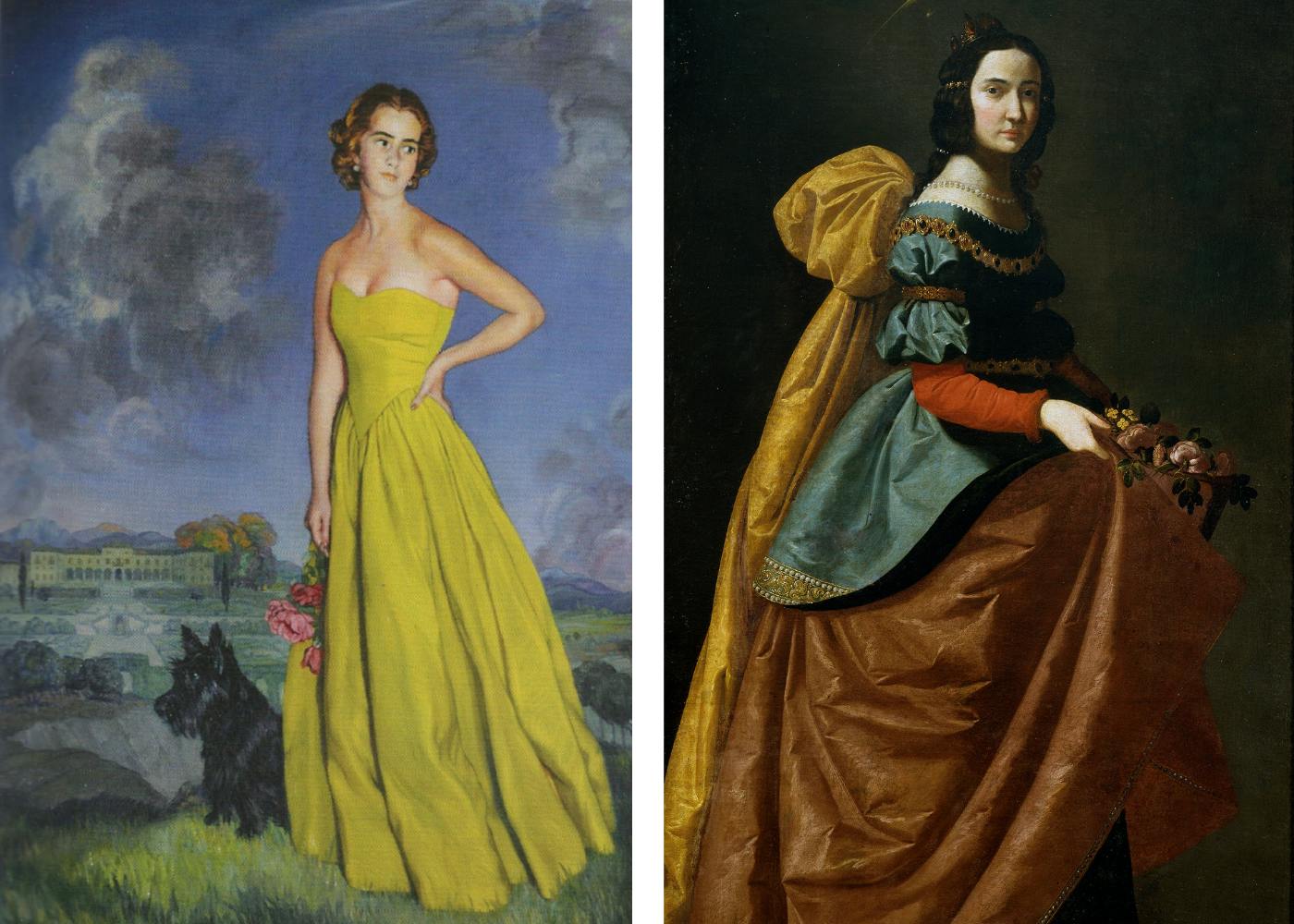
Elements like the strapless dress worn by high-society women or the relaxed attire for home settings were distinct features in Zuloaga's paintings that Balenciaga seamlessly incorporated into his designs. Notably, the voluminous green strapless evening gown, similar to that worn by Princess Sveva Colonna in Zuloaga's portrait, stands out as a spectacular example. It also evokes the opulence of courtly attire depicted in 17th-century portraits.
Want articles like this delivered straight to your inbox? Subscribe to our free newsletter!
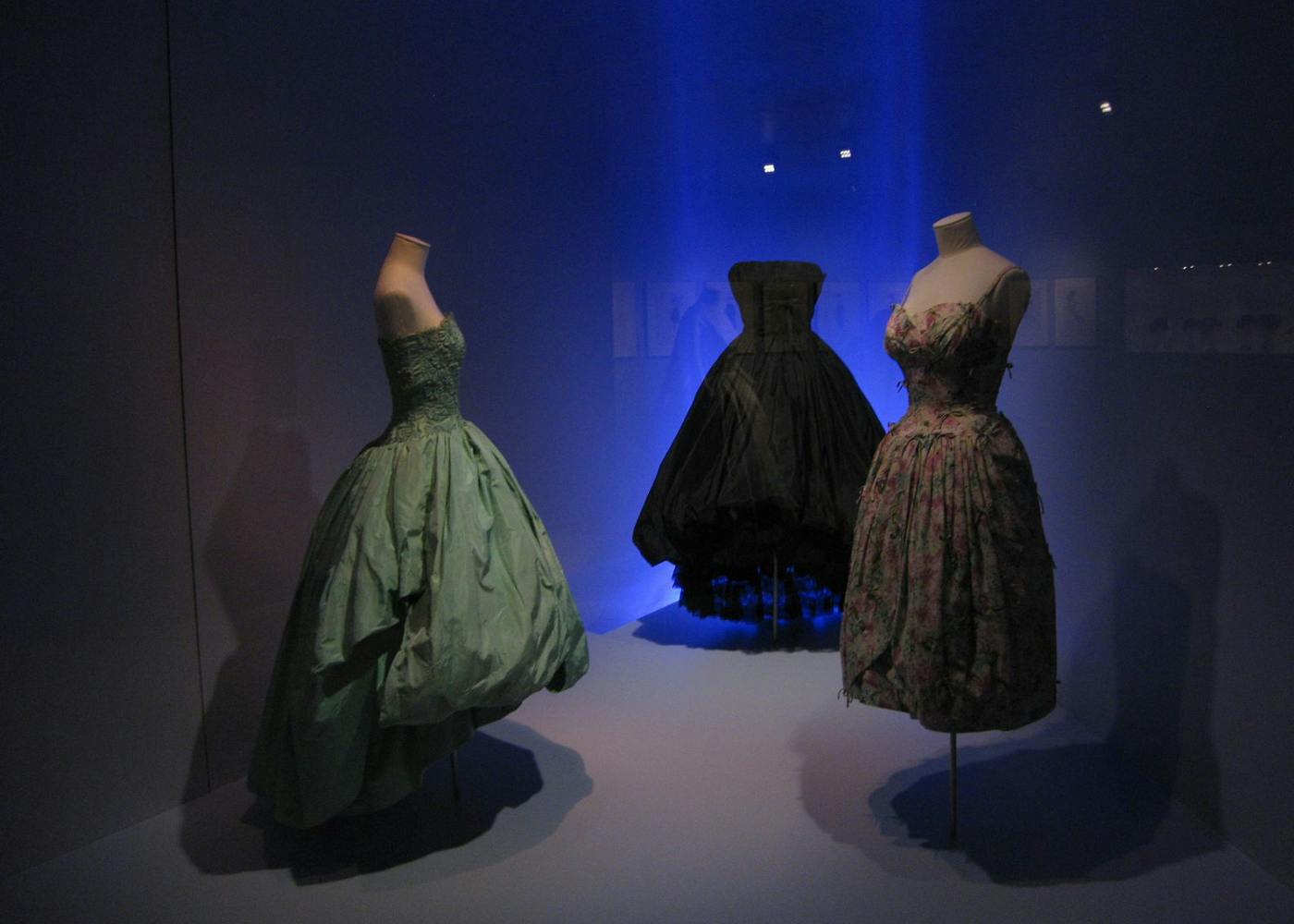
Balenciaga was a fascinating enigma in the fashion world. Unlike iconic fashion houses like Dior or Chanel, he defies association with a specific era or style. He shied away from interviews and public appearances, guarding his privacy. He also refused to engage in advertising and corporate partnerships, preferring to focus on the art of couture and fashion design.
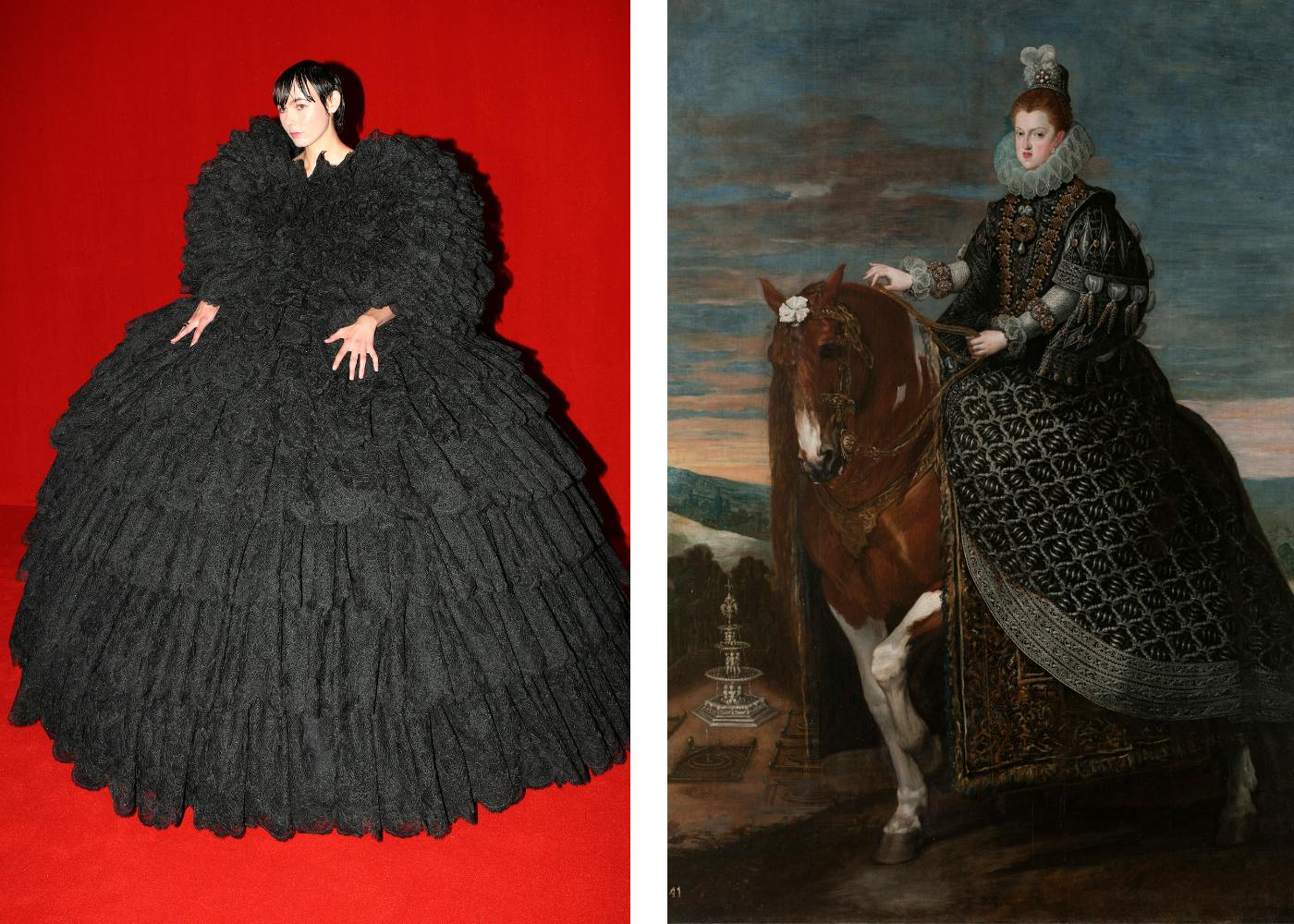
In 1968, the couturier made the decision to retire. Today, the Balenciaga brand is under the ownership of the French holding company Kering. One can only believe that the house continues to draw inspiration from Spanish folklore and painting, as shown by this dress from the Spring/Summer 2022 women's collection.
Find more articles in Barnebys Magazine
This is an updated version of an article originally published on July 1, 2019.