1939 was the year that Alfa Romeo decided to race under its own name and create the Alfa Corse factory racing team. The new team’s arrival reshuffled the cards in the world of racing, for until that point, Scuderia Ferrari had acted as Alfa’s official factory team on the racetracks. When Enzo Ferrari (1898-1988) was offered the position of sporting director for the new team, he refused, slamming the door on the Milanese manufacturer that had employed him one year earlier, following his career as a motor-racing driver in the 1920s.
Related: Alfa Romeo: a Symbol of Italian Style and Design
Enzo Ferrari went off to set up his own company, Auto Avio Costruzioni, near his native town of Modena. Joined by former mechanics of Fiat and Alfa Romeo, Enzo’s firm constructed not only mechanical parts for planes and automobiles but also a new racing car: the AAC Tipo 815, the model that purists consider the first Ferrari in the car maker’s history (and produced with a base engine from Fiat). However, at the Mille Miglia 1940 race in Brescia, the two 815s failed to live up to the sporting expectations of its manufacturer, who was forced to cast aside his dreams of speed and grandeur in order to participate in fascist Italy’s war effort by producing machine-tools in his workshops.
If you can dream it, you can do it.
When World War I ended many years earlier, Enzo had managed to find work in a warehouse that recycled disused military vehicles – a job that sparked his interest in mechanics. By the time World war II ended, he had enough knowledge to make his new car brand a success.
Related: Why are Ferraris Red?
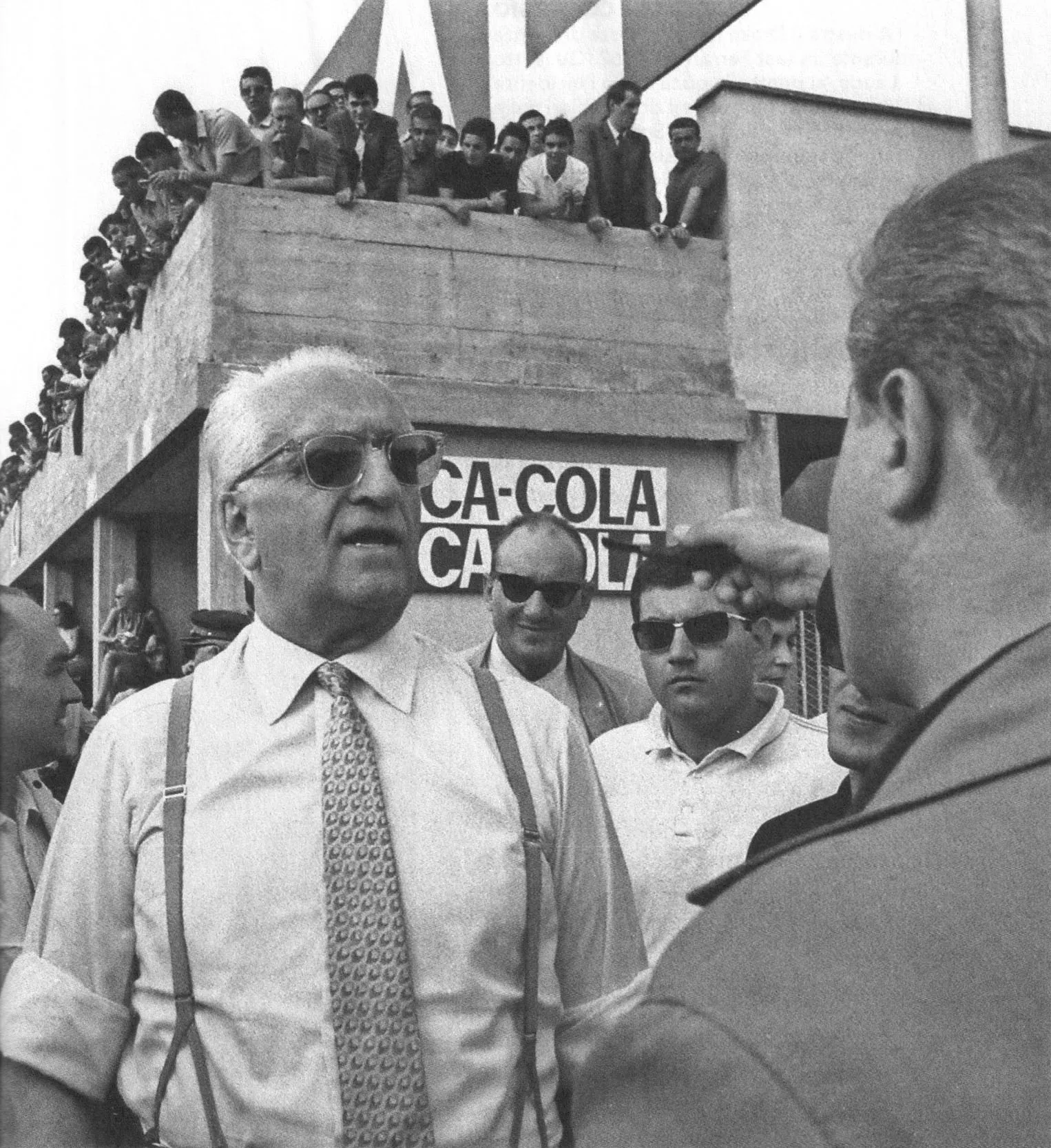
In 1943, the company's workshop moved to Maranello, 20 kilometres south of Modena. In Maranello, where Ferrari is still based today, the company's second race car, a Ferrari 125 S with a 1.5-liter, V12 engine, was built in 1947. The new car won the Grand Prix of Rome that same year. Enzo Ferrari, who as early as 1927 was awarded the title of Il Commendatore (commander) by the Italian king Vittorio Emmanuel for his racing skills, now became Il Commendatore for the entire racing world – a nickname he retained for life.
The 125 S bore the distinctive Ferrari badge with a black horse against a yellow background (Cavallino rampante), originally painted on the cabin of the fighter plane flown by Francesco Baracca, an Italian hero from the Great War. It went on to win victory after victory on roads and racetracks, as did the 159 S and 166 S that followed it. The latter model also paved the way for the construction of passenger vehicles.
Related: Jaguar: The Roar of Luxury
When, in 1950, the Formula 1 World Championship was established, the Ferrari team was naturally at the starting line. Initially, it had to endure the domination of the ‘Alfettas’ before distinguishing itself on every track in the next two seasons. Following Alfa Romeo’s withdrawal from the competition, Ferrari came up against other serious rivals on the racetrack, namely Maserati, Mercedes, Ford, McLaren and Porsche, but Enzo always believed that “If you can dream it, you can do it”.
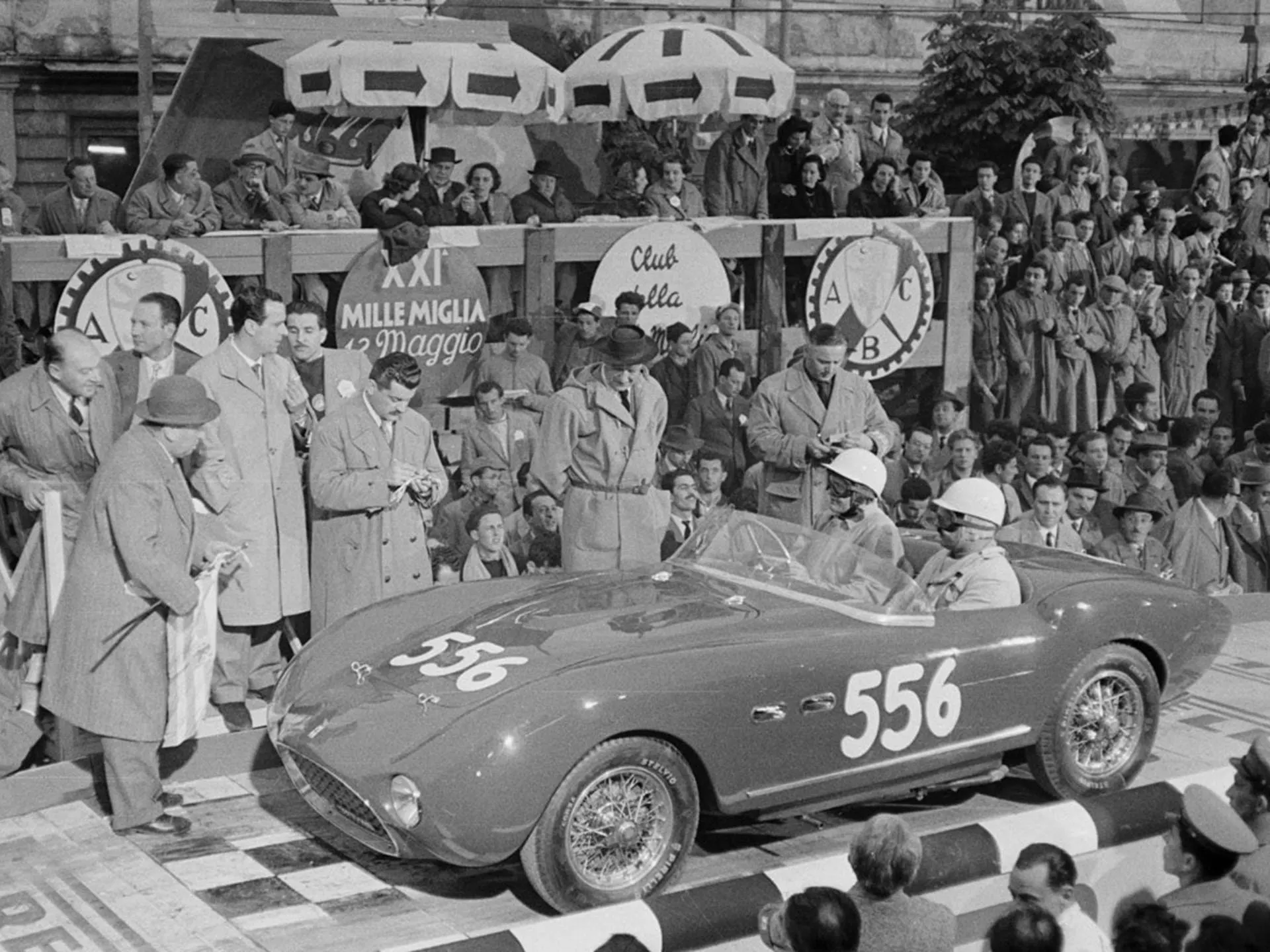
With fifteen Formula 1 world championships, and with drivers as legendary as Fangio, Prost, Lauda, Villeneuve and ‘the Red Baron’ Schumacher, the Ferrari brand was officially written into the record, and still today continues to produce some of the most beautiful automobiles in the world.
Related: Capturing the Golden Age of Formula 1
While the company's priority was competition vehicles rather than the industrial construction of passenger vehicles, Ferrari’s firm – which became a public company in 1960 – turned firmly towards this market in the following decade. The simple reason was cost. With passenger vehicles, Ferrari could continue to finance races and rallies, which were increasingly popular – but also increasingly expensive.
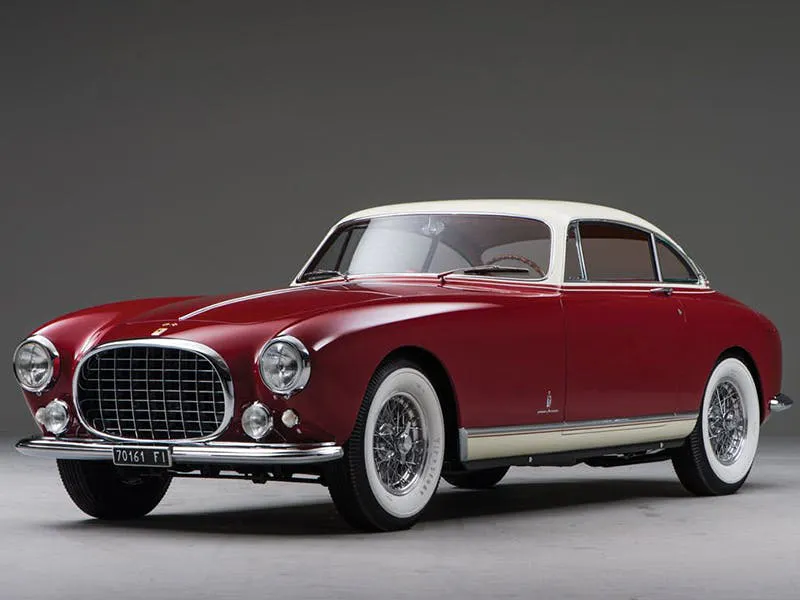
The first car to be driven by the ordinary driver was the 166 Inter, produced in 38 copies and presented at the Turin show in 1948.
The successor to the Interserien was 250 Europa, which was made in 1953 and '54, and the subsequent 250 Europa GT. In 1961, the 250 GTE was created – a car model with four seats and which gave the comfort of a family car without losing the feeling of a racing car. A success, a total of 954 variants were produced until it was replaced by 330 America two years later.
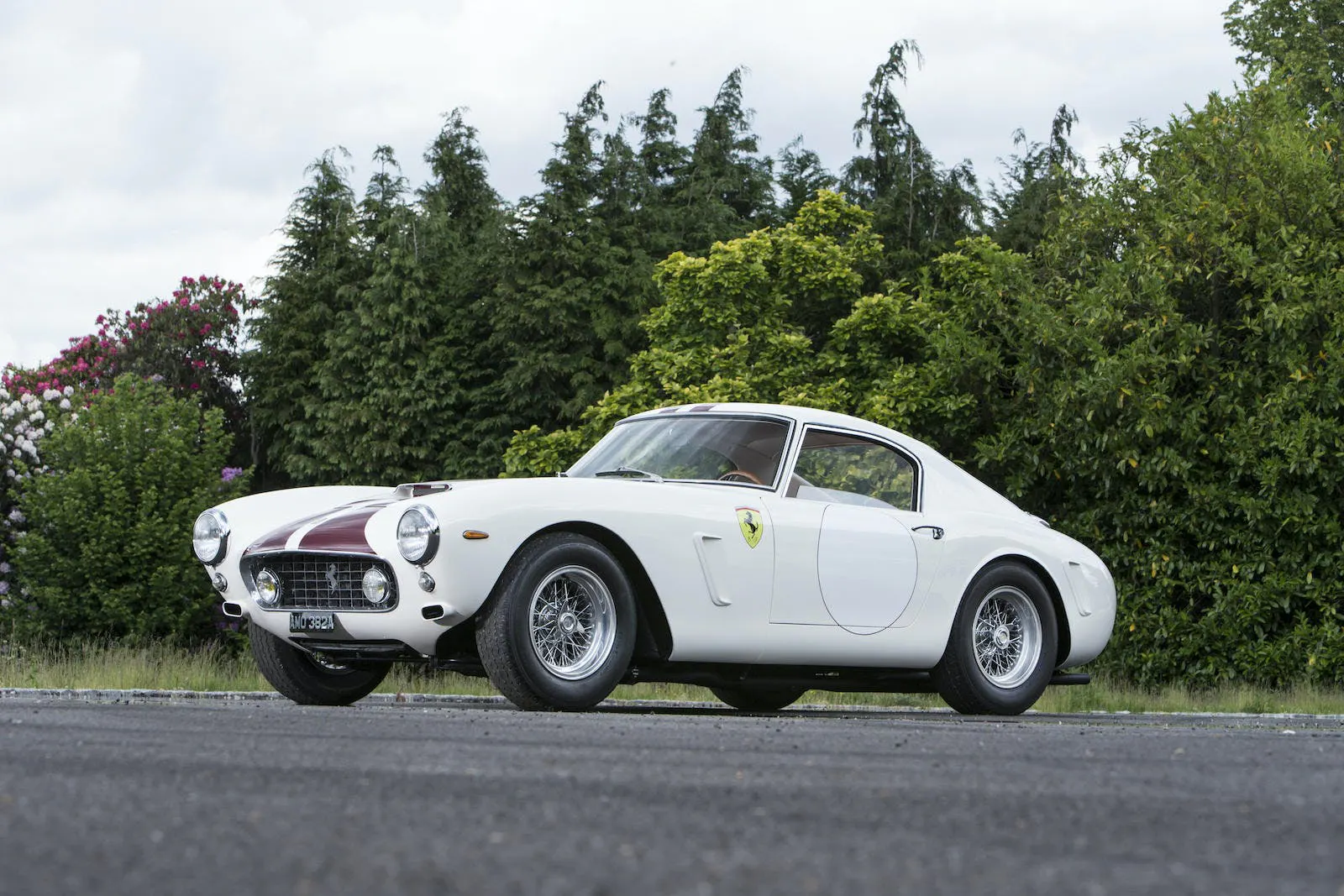
The sports model 250 GTO, of which only 39 copies were produced, between 1962 and '63, remains one of the manufacturer’s most emblematic and sought after models – and also one of its most expensive. A 1962 Ferrari 250 GTO by Scaglietti sold for $48.4 million in 2018 at Sotheby's RM.
Want articles like this delivered straight to your inbox? Subscribe to our free newsletter!
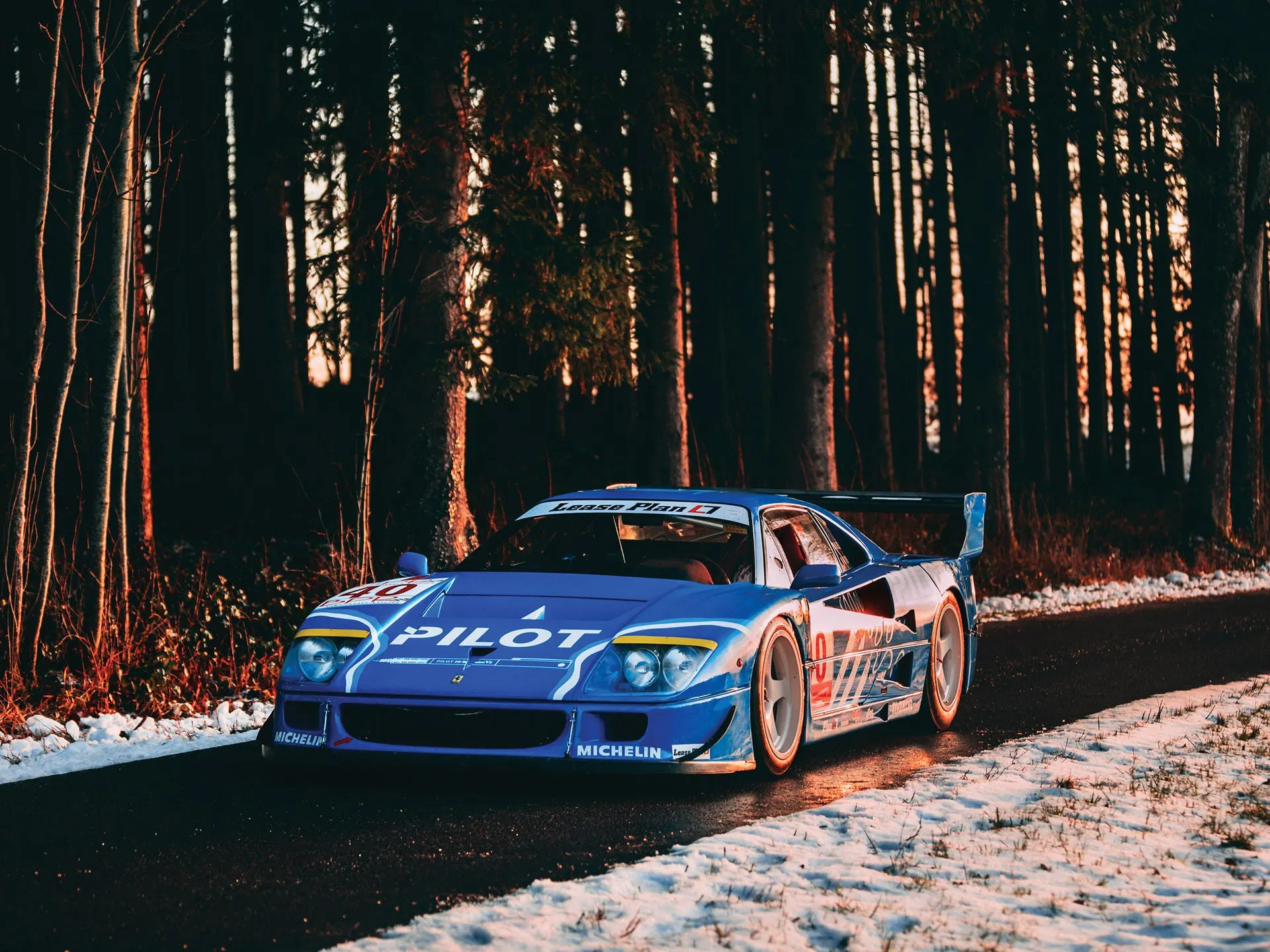
Passionate about mechanics and motorization, but less interested in bodywork, Enzo entrusted the dressing up of his race cars to talented collaborators like Gian-Battista ‘Pinin’ Farina. Himself a former race-car driver, Farina became Ferrari’s car-body designer in 1952, and the family business he started still collaborates with the brand. The company PininFarina, which has been listed on the Milan stock exchange since 1986, produced the car bodies for the last two models to be designed by Enzo before his death in 1988: the celebrated Testarossa, produced until 1996, and the F40, launched in 1987. To describe their collaboration, Battista explained that Ferrari looked to recreate the world’s most beautiful women in his cars, while his role was to design tailor-made clothing for them.
As early as 1969 Fiat bought a 50% share of Ferrari, but despite that backing, after its founder’s death, Ferrari came across serious difficulties in the 1990s, selling only 2,289 vehicles in 1993, as opposed to double this figure just two years previously. Appointed as head of the company in 2004, Luca di Montezemolo, Enzo Ferrari’s former assistant, then succeeded in bringing the company back up to speed thanks to an innovative industrial and commercial policy, and an initial public offering. Sales have taken off, namely thanks to the new Asian markets, and have reached new records: 8,398 cars sold in 2017, raising a turnover of €3.3 billion; then, in 2019, 10,131 cars were sold, 9.5% more than in 2018, with net revenues of €3.8 billion.
Related: 10 Most Expensive Classic Cars Ever Sold at Auction
In 2020, Ferrari continued to perform well despite the challenges related to the COVID-19 pandemic. The carmaker reported solid sales, reaching 9,119 cars sold and maintaining its position in the luxury car market. Ferrari also had a fantastic year in 2022, with a new sales record of 13,221 vehicles delivered, compared to 11,155 models in 2021. The positive results confirm the brand's enduring appeal and its success in meeting the demand for luxury sports cars.
Find more articles in Barnebys Magazine
This is an updated version of an article originally published on August 12, 2020.