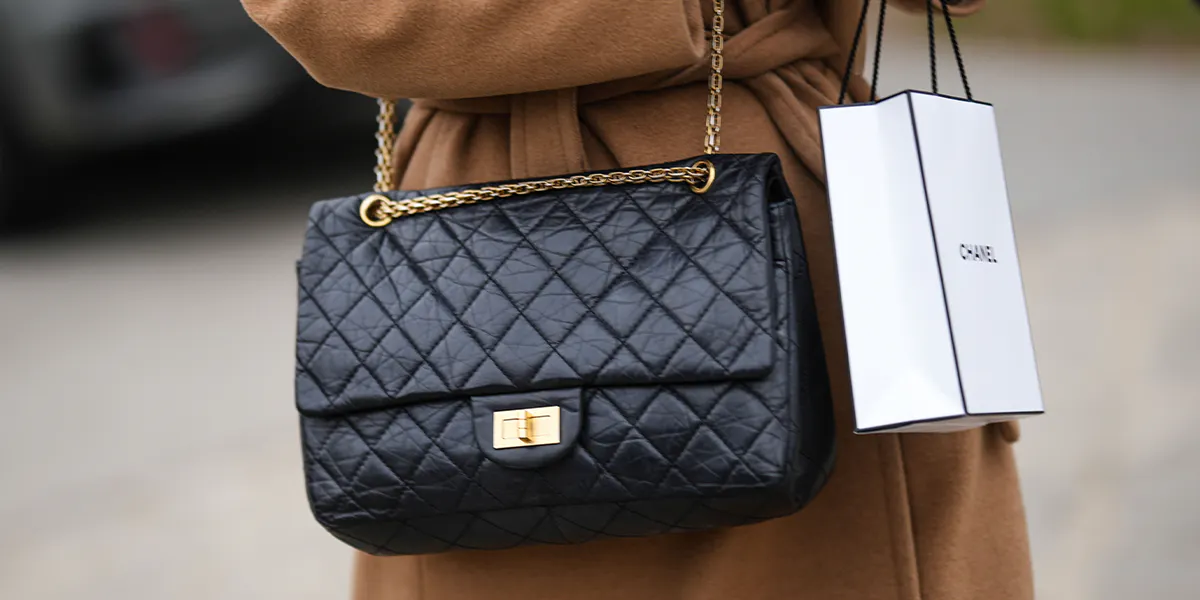
"Tired of carrying my bags by hand and losing them, I slipped a strap over them and slipped them over my shoulder," Gabrielle "Coco" Chanel once said about her now-iconic Chanel handbag. What sounds like a relatively unremarkable DIY project today was absolutely revolutionary in the mid-1950s.
Coco Chanel's groundbreaking invention was preceded by about 150 years of handbag history as the first handbags appeared around 1800. At the time, slim, high-waisted Empire dresses were in fashion and did not allow for any sewn-in pockets like those found in opulent Rococo gowns. These bucket bags were modeled on needlework pouches. In the following decades, the shape of these handbags changed, but one aspect remained constant: the short handle. This meant they had to be carried by hand or over the wrist. In the early 20th century, the clutch emerged as a variant that did without a handle altogether.
See also: How Coco Chanel Revolutionized the Handbag
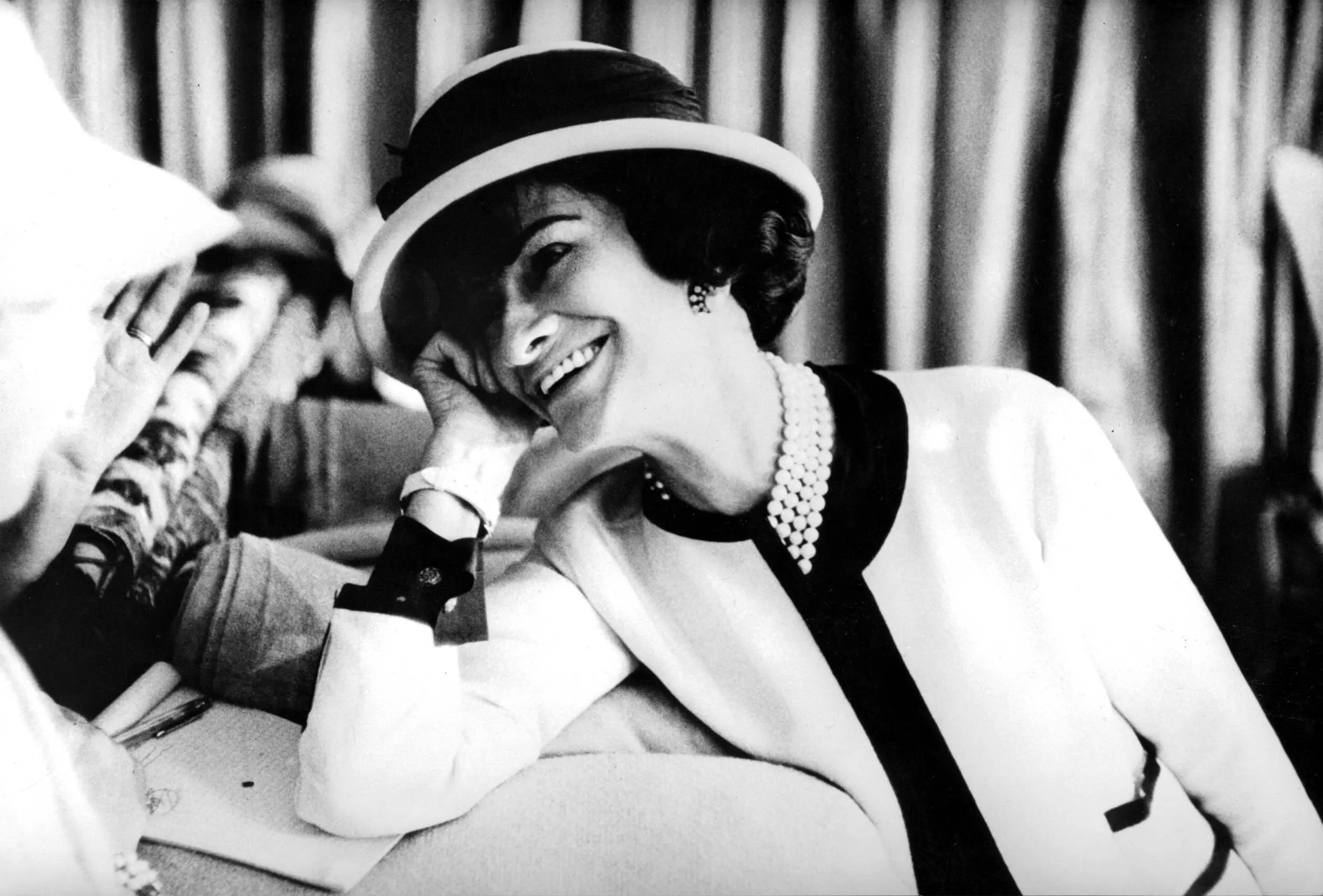
By the mid-1950s, Coco Chanel finally had enough. She was a busy and active woman who had better things to do than constantly clutch her handbag. Having already shortened skirts and retired the corset, Chanel turned to optimizing the handbag. Bags had been part of Chanel's collection since 1929, but still conformed to the style of the time.
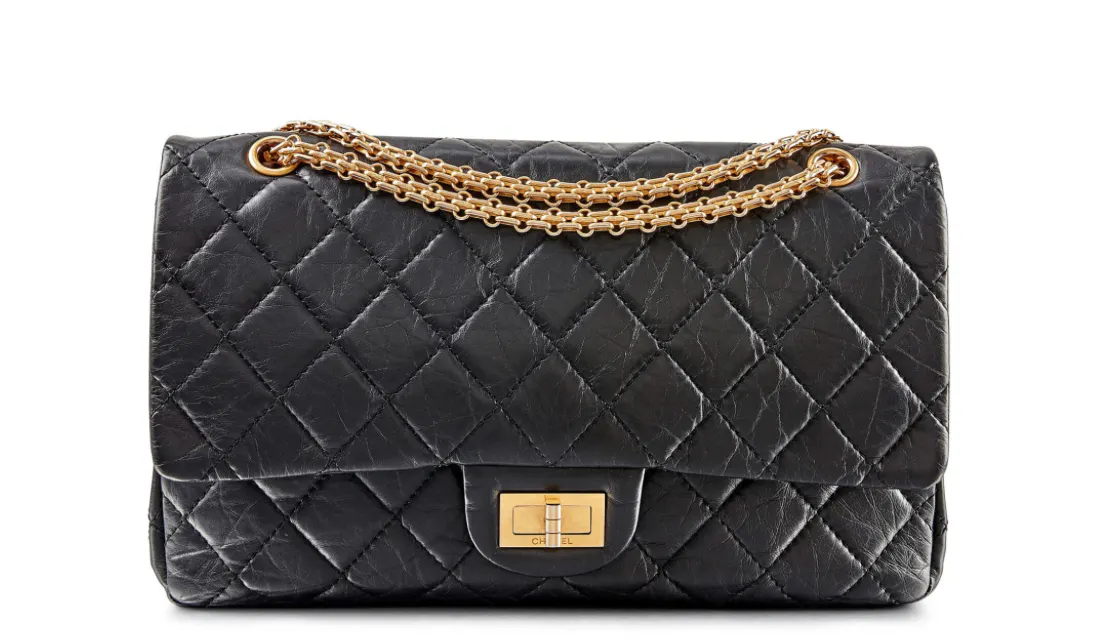
In February 1955, Chanel presented her revolutionary handbag, the 2.55, which was named after the date. The bag was rectangular and initially available only in black and brown leather with a burgundy lining. It featured a double flap: the inner flap secured with a snap fastener and the outer flap with the Mademoiselle Lock, a rectangular twist lock. The name of the lock reflected Coco Chanel's status as an unmarried and independent woman, while the double flap was designed to give the bag greater stability and secure its contents. The large main compartment also contained three smaller inner pockets, including one for the indispensable lipstick, and a secret zippered pocket beneath the inner flap to hold private items such as love letters. An additional slip pocket was added to the back of the bag.
See also: 5 Iconic Handbags and the Women Who Made Them Famous
Create a search alert 🔔 for Chanel to receive an email when a new lot is listed at Barnebys!
Coco Chanel is said to have drawn significant inspiration from the years she spent as a child in a convent. The long shoulder chain was reminiscent of the chains the nuns used to carry their keys on their belts, while the iconic diamond quilting pattern was inspired by the abbey's stained-glass windows. Other sources, however, cite the diamond-patterned clothing worn by jockeys at the horse races Chanel frequently attended. However, none of these sources can be definitively proven, and Coco Chanel never commented on it.
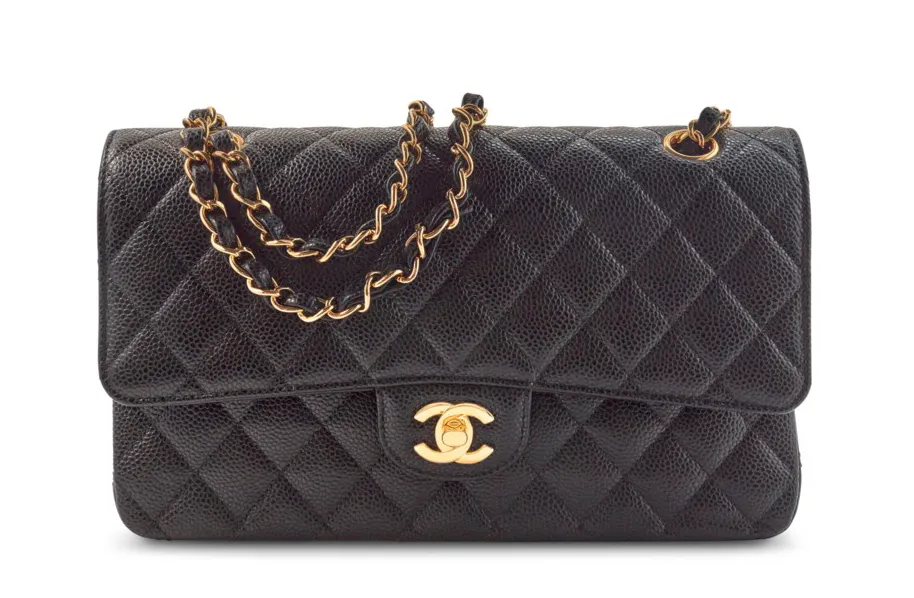
After Coco Chanel died in 1971, Karl Lagerfeld took over the creative direction of Chanel in 1983. He turned his attention to the 2.55 bag, transforming it into the famous Classic Flap Bag. The most striking change was the replacement of the rectangular Mademoiselle clasp with the iconic CC turn-lock, which in this early iteration was plated with 24-karat gold. This gold plating gradually diminished over the years and was completely removed in 2008. A leather strap woven into the shoulder chain was also added, enhancing carrying comfort. Finally, in 1986, the six-digit serial numbers were introduced, which could be read on a hologram sticker inside the bag. Since 2021, Chanel has used a digital microchip system to identify its bags.
See also: Chanel: French Fashion Par Excellence
Want to discover articles like this one directly in your inbox? Sign up for our free newsletter!
Today, Chanel's Classic Flap Bag is among the most recognizable and highest-priced handbags for sale. Nevertheless, Chanel never forgot the bag model that started it all. To celebrate the 50th anniversary of the 2.55, Chanel launched the 2.55 Reissue in 2005, which, like the original, featured the Mademoiselle turn-lock closure and a shoulder chain without a leather strap. This reissue remains part of the Chanel collection today, though it no longer carries the "Reissue" designation. While the original 2.55 was available exclusively in various leathers and muted colors, both the current version and the Classic Flap Bag boast a wide selection of colors and materials. Seasonal and limited-edition releases are highly sought after by collectors.
See also: How to Spot a Fake Chanel Handbag
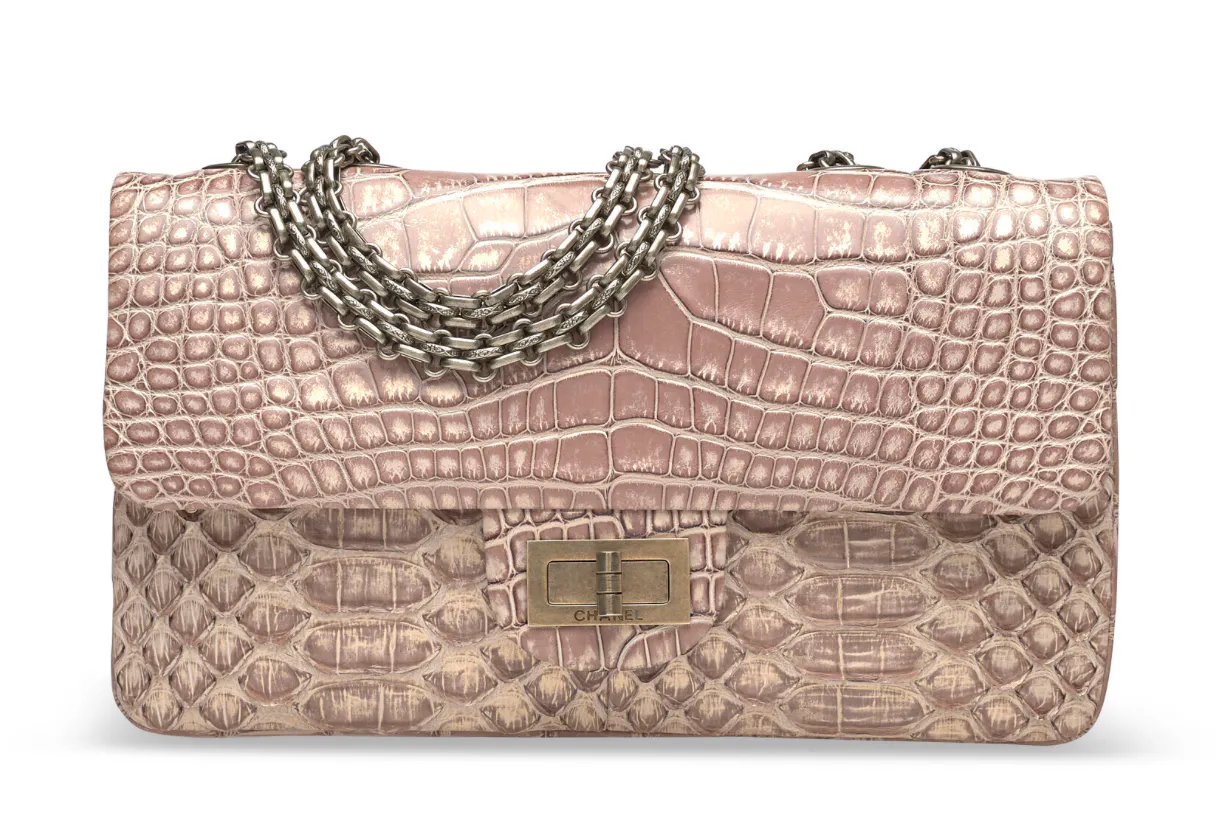
In terms of size, the original 2.55 has also been produced in different dimensions over the years – sometimes on special order. Today, both models are offered in Mini, Small, Medium (the classic size), Large/Jumbo, and Maxi. However, certain sizes may be excluded from seasonal collections due to the nature of the material.
Finally, it should be noted that the Classic Flap Bag is now also referred to as the 11.12, named after the six-digit serial code of the original Classic Flap Bag.
Do you own a Chanel handbag whose value you would like to have assessed? Use the online valuation service ValueMyStuff!
Whether you choose a 2.55 or an 11.12 depends largely on personal taste. The 2.55 is definitely more understated, while the 11.12, with its iconic CC logo, emphasizes the Chanel brand. However, you can't go wrong with either model. Both are timelessly chic and absolute must-haves in any closet. Should you ever decide to part with your Chanel bag – provided it's in good condition – both will retain a good resale value.