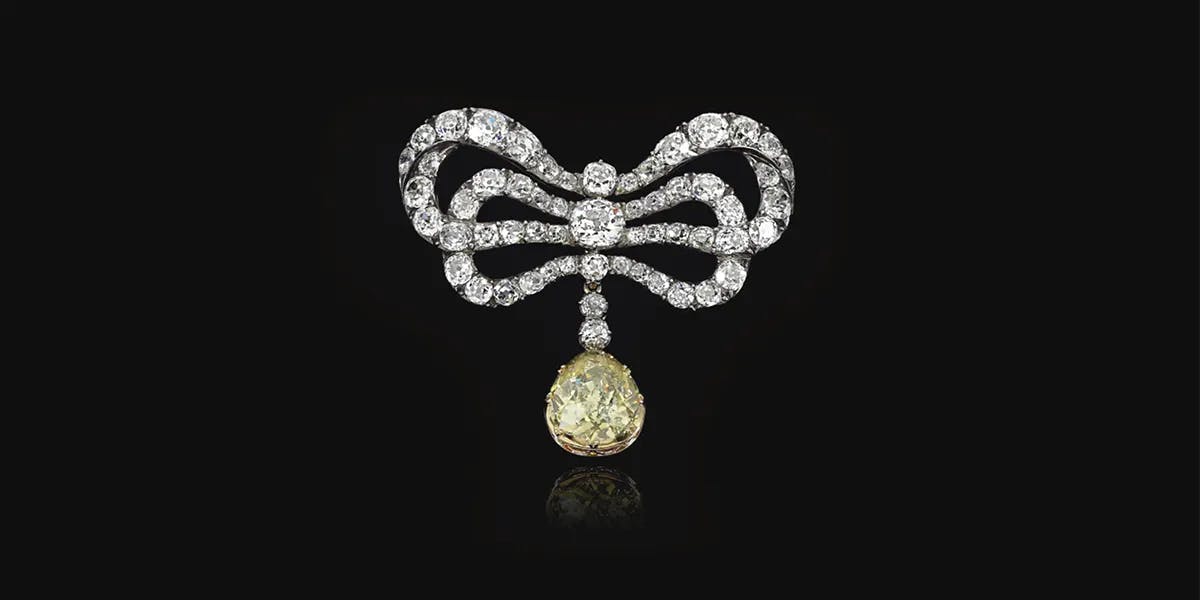
The brooch is not only impressive for its decorative value, but also for its versatility and origins. Suitable for everyday use, brooches have enjoyed on and off popularity. However, the brooch is a jewel that has a fascinating history, and which our predecessors have taken full advantage of.
It all began in the Stone Age with bone, horn and mammoth ivory needles designed to hold together the skins that men used to wear as clothing.
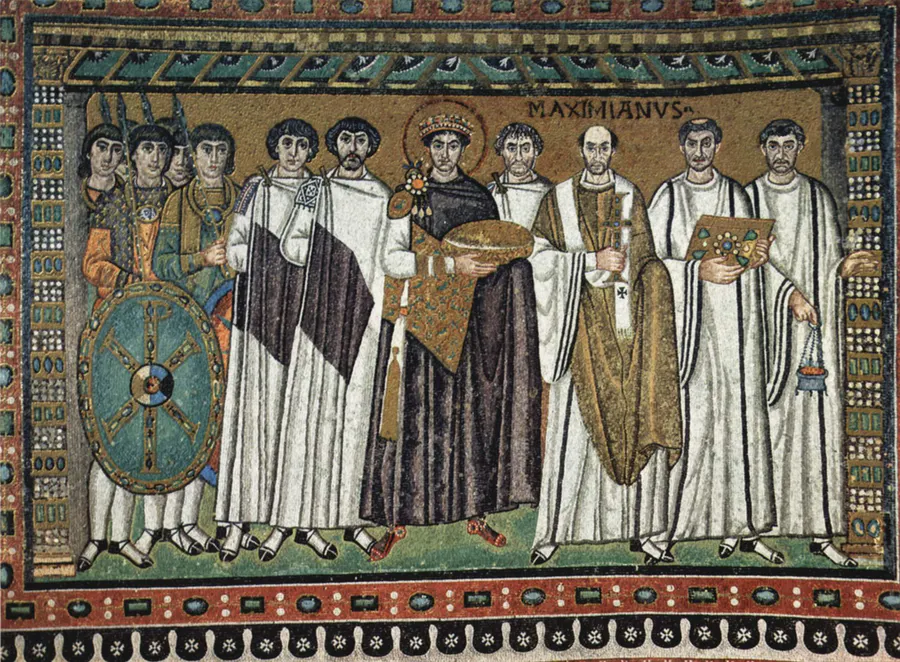
With the onset of metalworking, needles were designed in bronze and soon evolved into the more complex fibula (a clasp). The oldest brooches that have been discovered date back to the 3rd millennium BC and are thought to have been made in what is now Turkey. The fibula, which held together simple fabrics and garments much more reliably, could be designed in many different ways. It also served as a symbol of social status, especially in the late Roman and early Middle Ages.
Related: From Cleopatra to Queen Elizabeth II: The Aura of the Opal
Brooches and their clasps remained in use until the early Middle Ages, until they were replaced by the more practical button. However, as people still wanted the decorative aspect of a fibula, it was transformed into a kind of brooch, giving rise to a jewel for which aesthetics prevailed over utility.
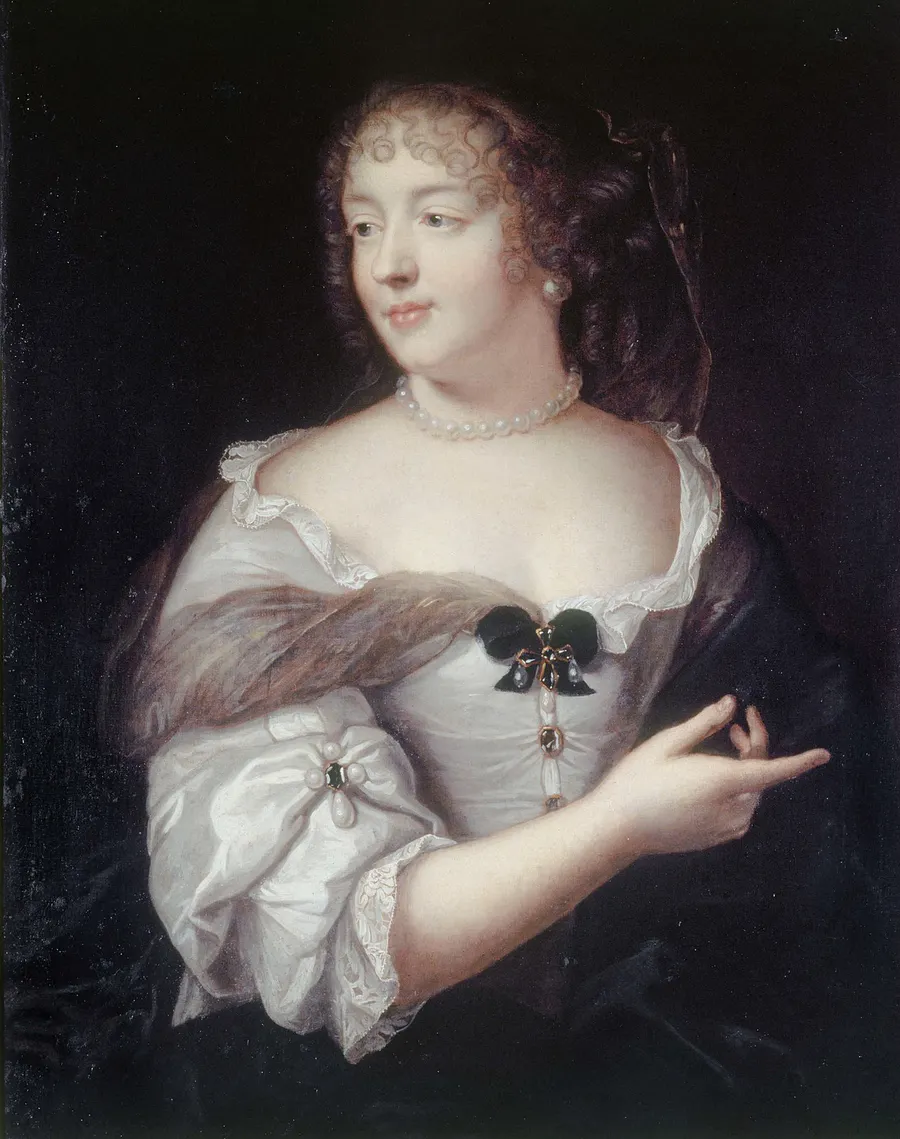
Despite all its versatility, the brooch, like any decorative object, has been subject to trends. In the 17th century, bow-inspired brooches adorned women's plunging necklines, becoming very fashionable. The most famous to date are those of the French letter writer Madame de Sévigné.
Related: Gemstones: 5 Interesting Facts
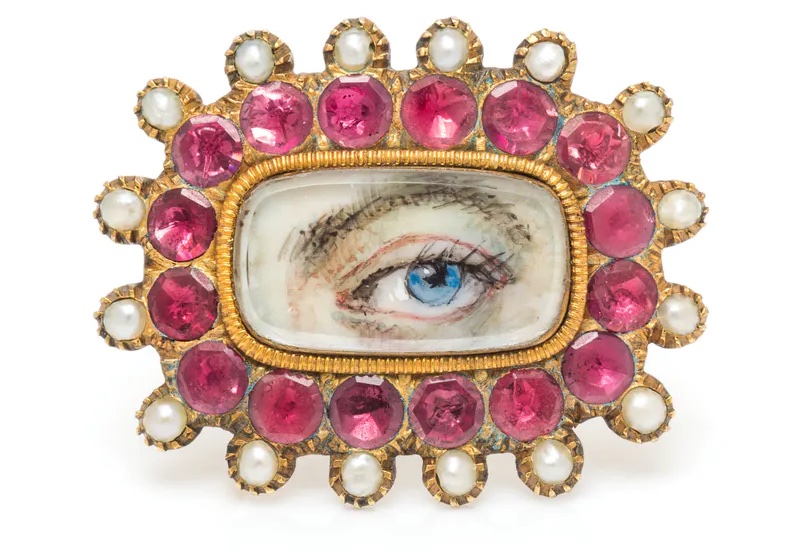
In the 18th century, it was common to wear the miniature portrait of a loved one, often on a snuff box or a pocket watch, or as a pendant or brooch. Around 1800, these miniatures only depicted the beloved's eye. It was in England, during the Romantic era, that 'memorial' brooches, containing the hair of a deceased person, first appeared.
Related: Arts & Crafts Jewelry: a Pure Art Form
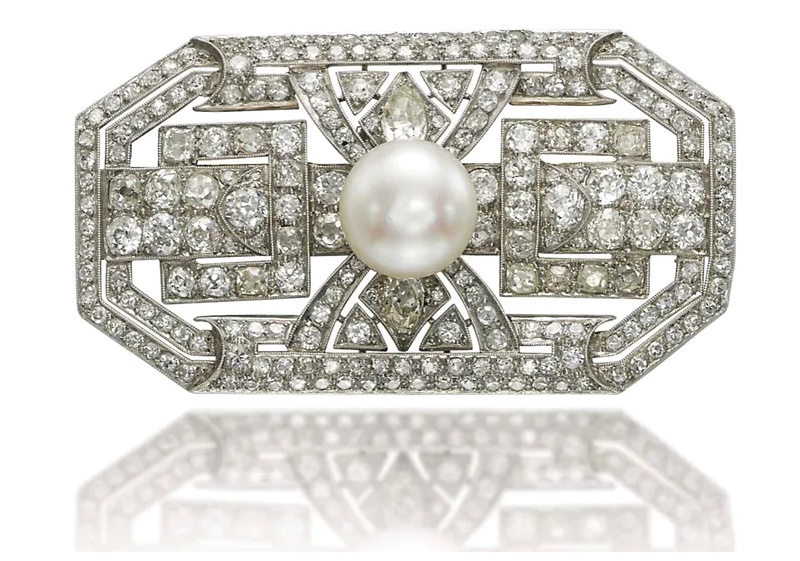
Elegant Art Deco brooches set with sparkling gemstones, combining opulent materials like onyx or, in keeping with the 'white jewelry' trend of the time, diamonds and pearls in a platinum setting, are still popular today.
Related: Designer Costume Jewelry: The Favorite Accessory
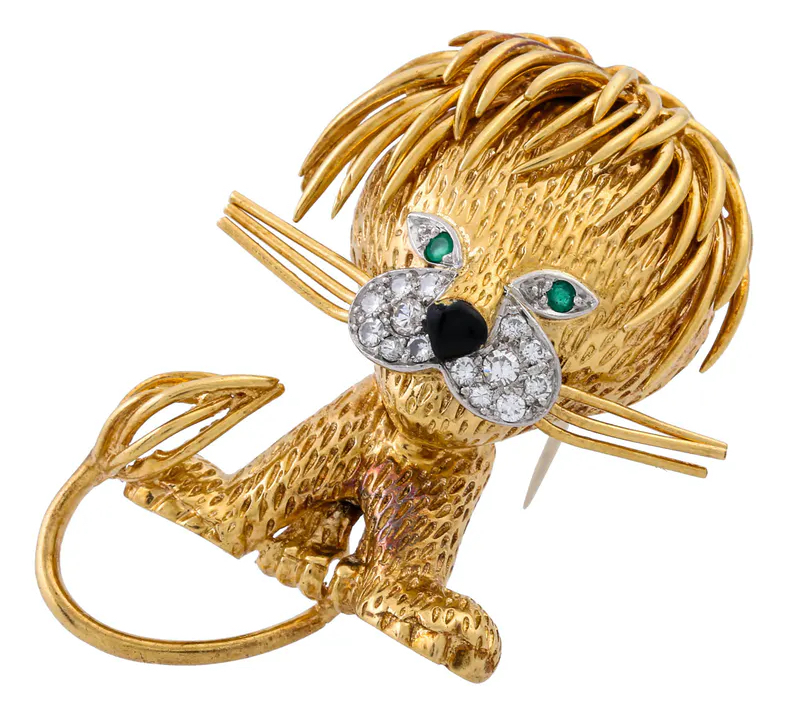
In the 1950s and 1960s, fascinating brooches were created in the shape of animals, such as lions, elephants and birds. Van Cleef & Arpels designs were particularly popular and have been favored by such illustrious collectors as Jackie Kennedy and Grace Kelly. Grace Kelly was also the proud owner of a brooch in the shape of a poodle, like the dog that Cary Grant had given her for her marriage to Prince Rainier of Monaco.
Related: The Imaginative Jewellery of Alexander Calder
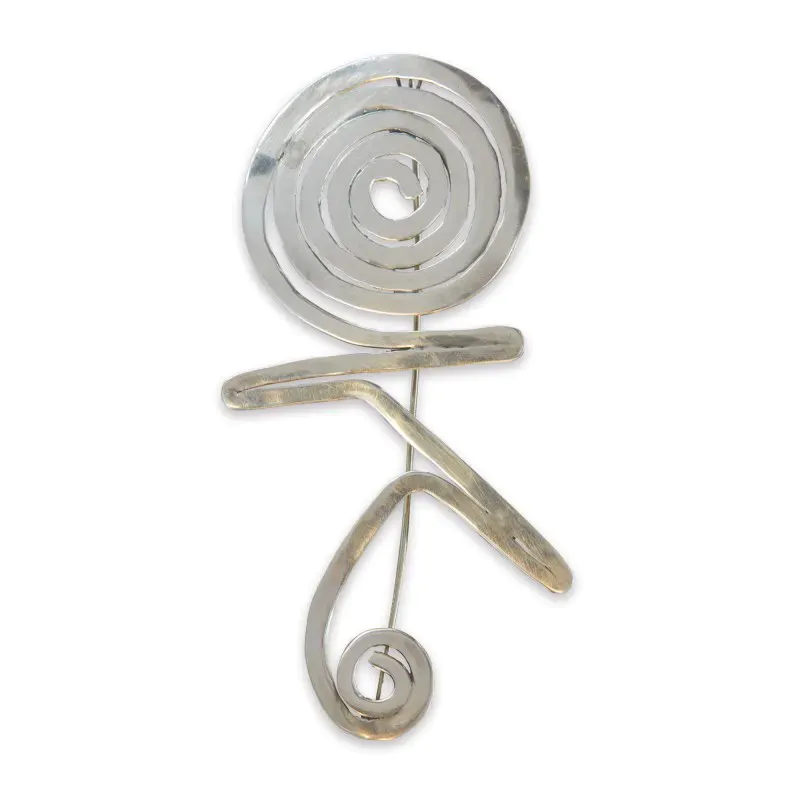
Brooches have also enchanted visual artists, who have created miniature works of art in the form of jewelry. Alexander Calder was particularly famous in this field, having created more than 1,800 pieces of jewelry in thirty years. Many of these pieces, mostly made of brass, were intended for his wife Louisa. His contemporary Georgia O'Keeffe received a spiral-shaped brooch, which she treasured all her life.
Whether antique, vintage or modern, classic, playful or simple, brooches are so versatile that everyone can find the one they like and that will perfectly personalize even the simplest of outfits.