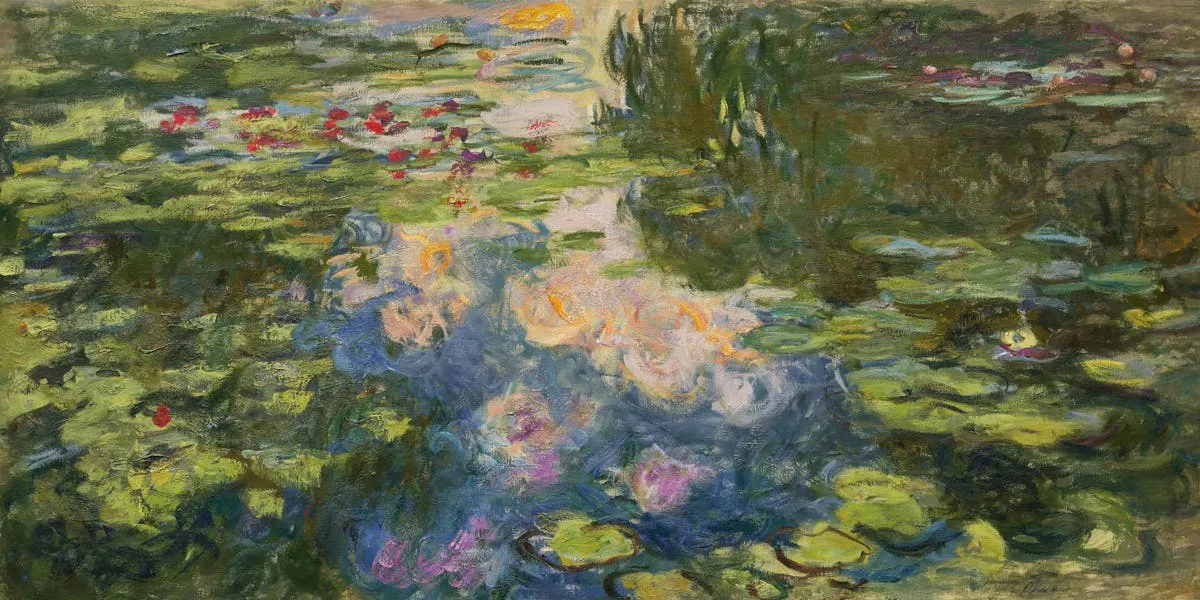
Opportunities to acquire paintings by Monet of this importance are rare indeed - this is one of the first large-scale Nympheas to appear on the market in a number of years.
In 1883, Claude Monet, then 42 years old and a widower, moved into a house in Giverny, northwest of Paris, with his mistress and future second wife Alice (widow of art collector Ernest Hoschedé), his two sons and Alice's six children. Initially a tenant, Monet ended up buying the large property in the early 1890s, along with the garden and other land.
Related: Monet's Water Lilies Discovered Underneath A Wisteria Painting
In Giverny, with the help of six gardeners, Monet had a garden landscaped with a Japanese-style pond in which water lilies, rhododendrons, bamboos, wisteria, apple trees and cherry trees grew and flourished. In doing so, he created the ultimate outdoor studio for an Impressionist, although the water lilies did not seem like a worthwhile motif to him at first. He once revealed to a visitor, "It took me some time to understand my water lilies. I planted them purely for pleasure; I grew them with no thought of painting them. A landscape takes more than a day to get under your skin. And then, all at once, I had the revelation - how wonderful my pond was - and reached for my palette. I've hardly had any other subject since that moment."
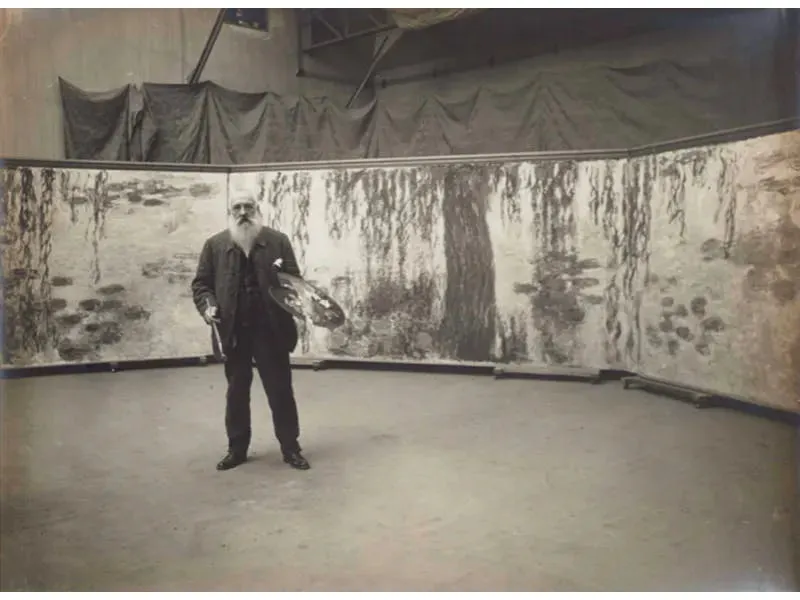
Monet's water lily paintings also include the Grandes Decorations begun in 1914, a series of monumental paintings in which the painter gave his initially realistic views of the pond a more abstract touch and worked with livelier colors and more flowing brushstrokes.
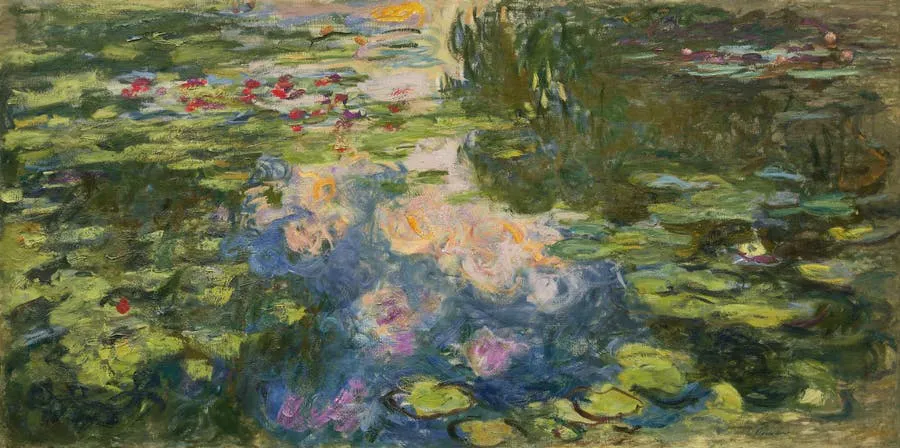
This new approach is evident in Le Bassin aux nymphéas (Water Lily Pond), the 3x6 ft canvas that will be presented at Sotheby's New York on May 12, and which dates precisely from this period of his career (1917-19). "As a remarkable example of Monet's late period works from his cherished home at Giverny, this monumental painting beautifully encapsulates how Monet's oeuvre evolved over time from his Impressionist breakthroughs to a more abstract focus with his preoccupation of his pond and water lilies," said Julian Dawes, co-head of the Impressionist and Modern Art Department at Sotheby's New York.
Related: Impressionism: Between Shadow and Light
Examples of the Grandes Decorations can now be admired at the Musée de l'Orangerie in Paris and MoMA in New York. The monumental works associated with this series are rarely offered on the auction market, as evidenced by the estimate of the Le Bassin aux nymphéas, set between $40-60 million. "Opportunities to acquire paintings by Monet of this importance are rare indeed - this is one of the first large-scale Nympheas to appear on the market in a number of years," said Helena Newman, head of the Impressionist and Modern Art Department at Sotheby's.
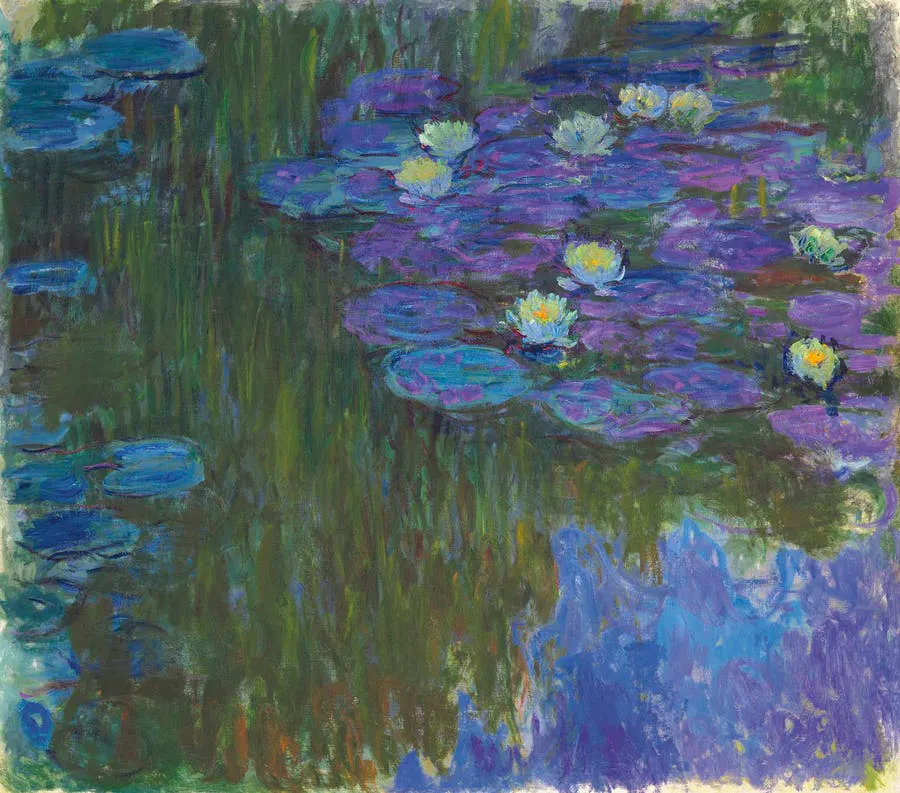
Currently, Monet's most expensive water lily painting is Nymphéas en fleur, sold at Christie's in May 2018 for $84.6 million.
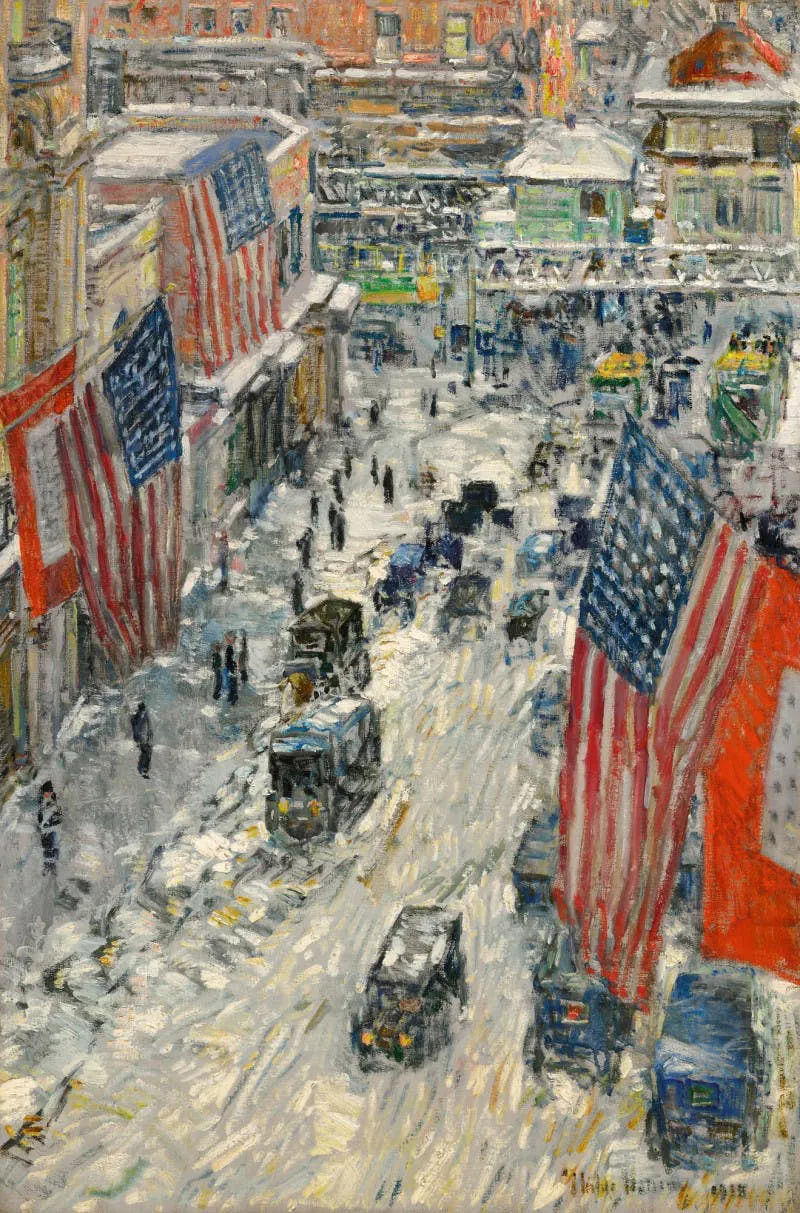
Comprised of just nine lots, Sotheby's Impressionist and Modern Art Evening Sale on May 12 includes works by Cézanne, Degas, Picasso, Diego Rivera, and Childe Hassam, as well as two other paintings by Claude Monet. American Impressionist Hassam's oil painting, Flags on 57th Street, Winter 1918, has the potential to set the artist's new record with an estimate of $12-18 million.