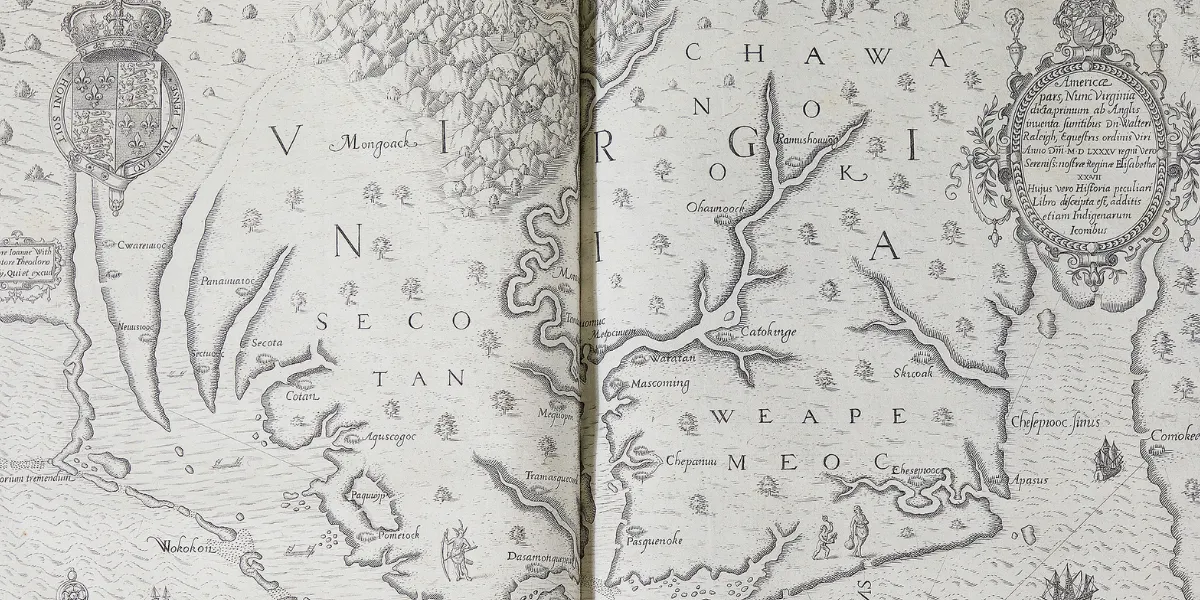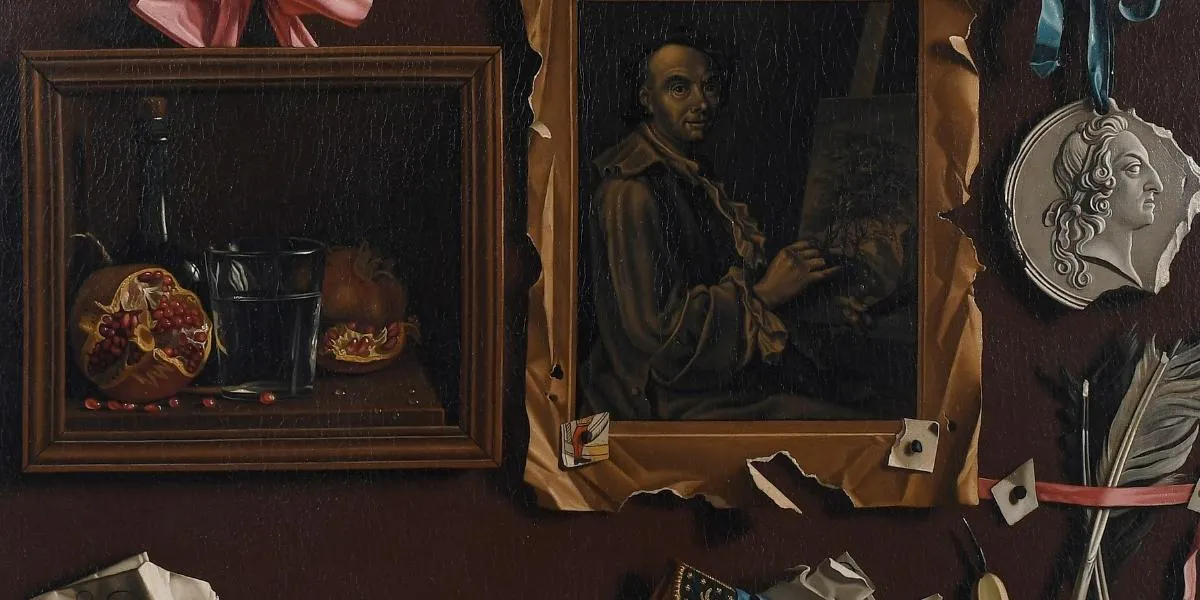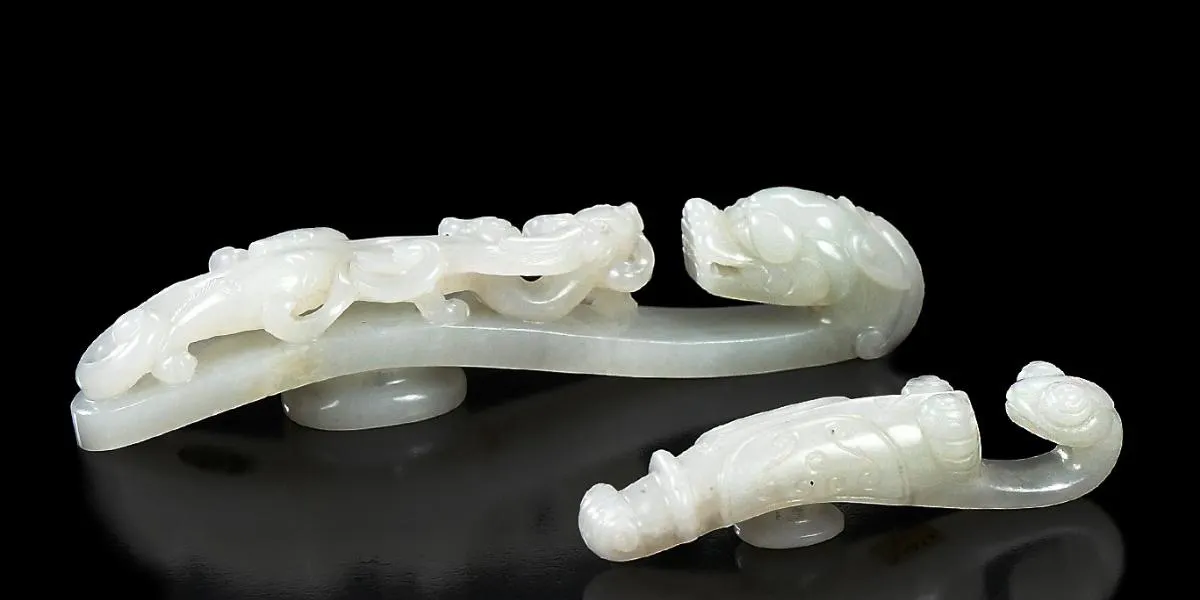
Brunk Auctions moves into the fall season with a three-day sale on November 10-12 that will include a range of categories including exciting works by Winfred Rembert; American classical furniture, lighting, and accessories from an important Boston private collection; rare and important maps deaccessioned from Colonial Williamsburg and others; French and Canadian coins; more interesting works form the estate of Peter Tillou including folk art and pre-Columbian works; American, Southern, and European fine and decorative arts, American and European furniture and much more.
Here are 5 highlights not to miss:
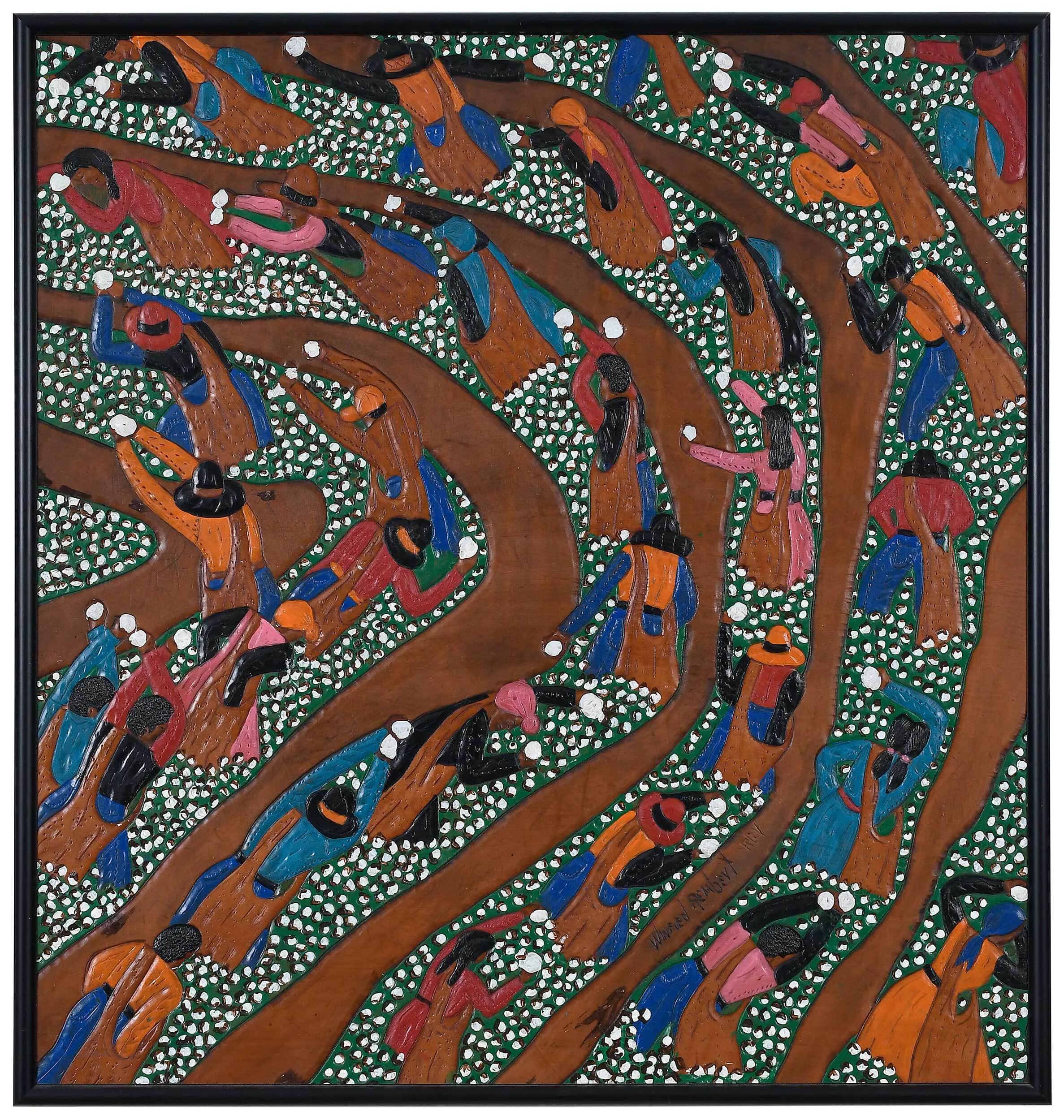
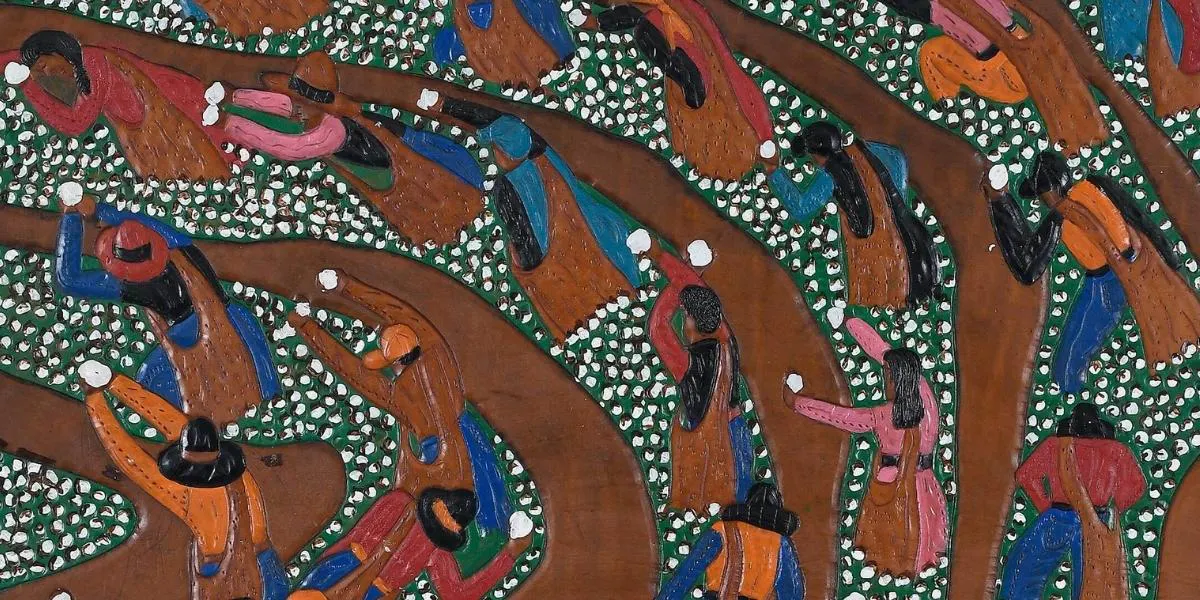
The two top lots are works by Winfred Rembert, of which this one above (Picking Cotton) is from the estate of legendary art dealer Peter Tillou. Rembert was born in rural Georgia and grew up in the segregated South of the 1940s. His art was born out of periods of injustice and incarceration: he was arrested after a civil rights demonstration in 1966 and then spent seven years in a chain gang (a group of prisoners chained together to do menial labor) where he learned leather work. He used this as artistic inspiration, carving scenes of his childhood into leather. In 2000, Rembert had a show at the Yale University Art Gallery and two years later he met the dealer Peter Tillou, who he worked with to produce his one-man show Memories of My Youth (2010) at the Adelson Galleries in New York City. Rembert died in 2021, but his memoir Chasing Me to My Grave: An Artist's Memoir of the Jim Crow South (2021) won the Pulitzer Prize in 2022. Both of his works offered in the auction depict seminal moments of his life: his childhood in a cotton-picking community and his time as part of a chain gang.
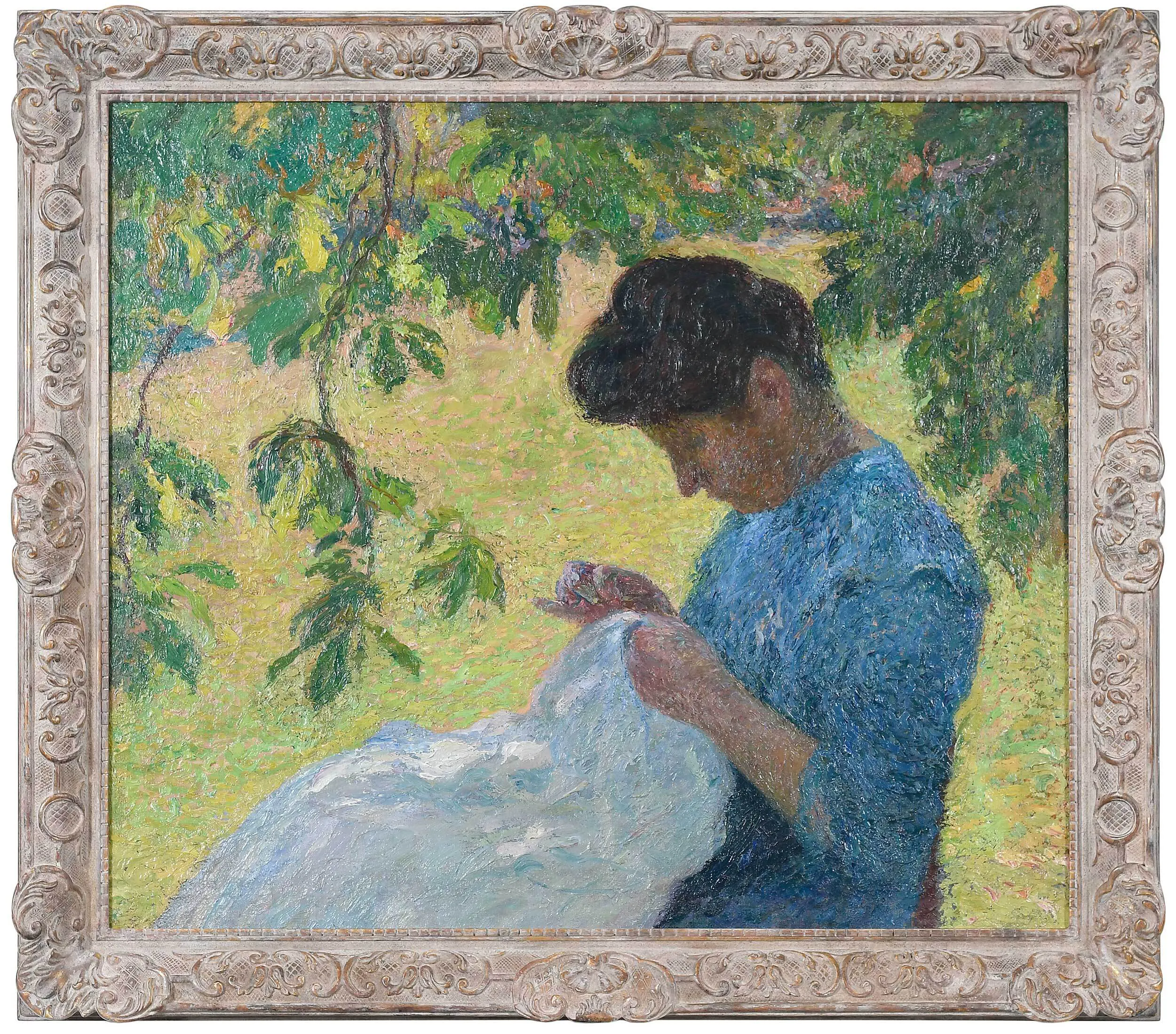
Femme Cousant sous un Marronnier (Woman Sewing under a Chestnut Tree) by Henri Martin (1860-1943) is an idyllic Impressionist work from the early 20th century. Born in Toulouse, Martin eventually showed at the Paris Salon, receiving his first medal there while he was in his 20s. His work combines elements of Impressionism, Pointillism and Post-Impressionism, and today his works hang in some of the most prominent French institutions, such as the Musee d'Orsay, the Council of State building and the Musée des Augustins de Toulouse in his home city.
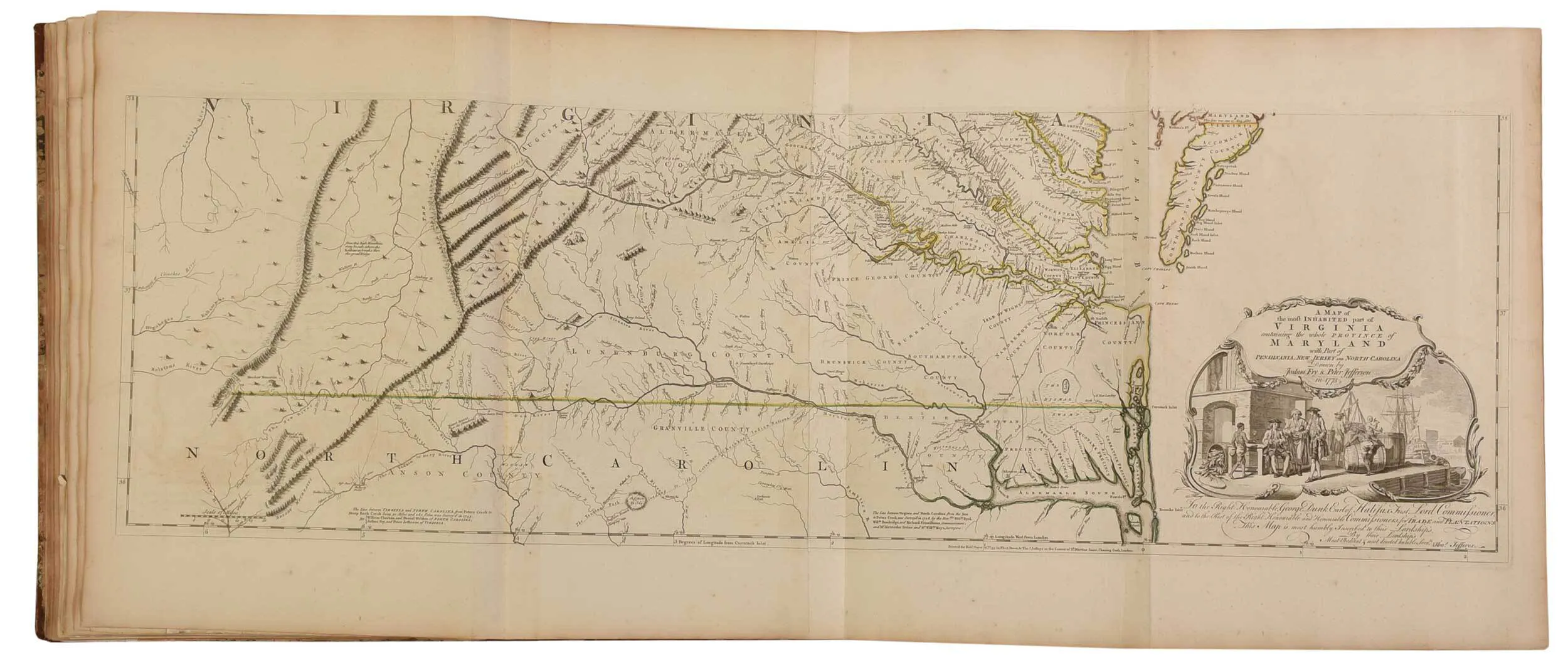
Thomas Jefferys was the most renowned cartographer of the 18th century and served as Geographer to the Prince of Wales, and later, Geographer to King George III. His well-placed position allowed him access to some of the most detailed and accurate surveys of America. After his death in 1771, his business partner, Robert Sayer, along with John Bennett, worked to accumulate the separately issued maps and republished them in 1776 as one comprehensive atlas of the American continent. Here are 23 maps comprised of 49 copper plates, on 30 sheets, from his The American Atlas. Walter Ristow (American, 1908-2006), former Chief of the Geography and Map Division at the Library of Congress, Washington, D.C., described Jefferys' atlas as a "geographical description of the whole continent of America, as portrayed in the best available maps in the later half of the eighteenth century ... as a major cartographic work it was, very likely, consulted by American, English, and French civilian administrators and military officers during the Revolution." [excerpt from Cohen & Taliaferro LLC write-up accompanied with atlas.]

Here are 24 $50 Canadian gold coins, depicting Queen Elizabeth II and the maple leaf on the reverse. They are dated 2011 and 2014, and are as issued by the Royal Canadian Mint, with occasional minor abrasion marks.
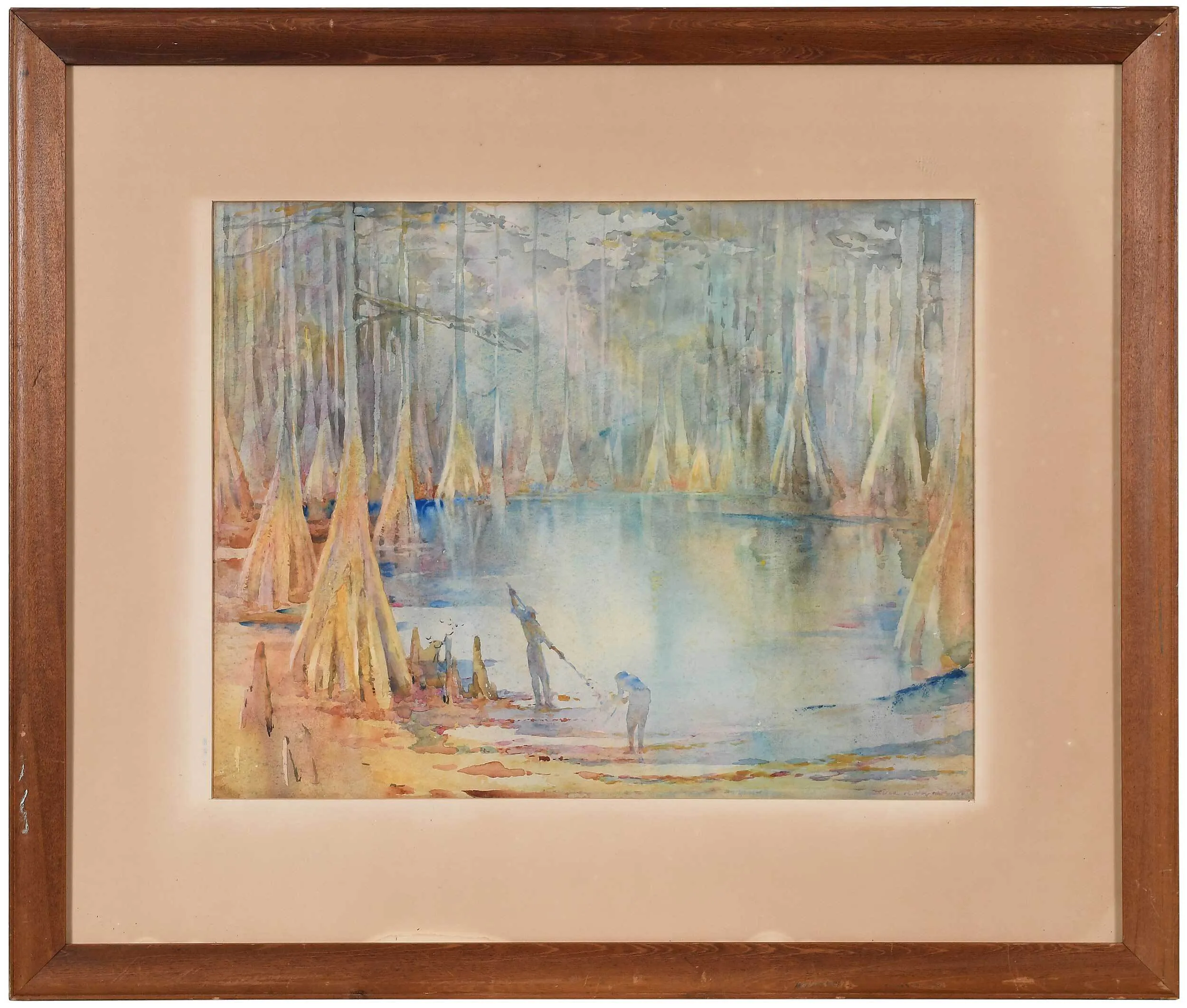
Alice Ravenel Huger Smith (1876-1958) was an artist of the Charleston Renaissance, the interwar period when Charleston, South Carolina flourished as the artistic center of the American South. She worked primarily in watercolor and preferred to portray the Carolina Low Country than the city of Charleston. That is true of her auction work, Swamp Fishing, a watercolor on board in prismatic color and geometric composition.