They loved and they painted: these relationships not only united two people, but also two creative spirits who inspired each other, passionately and sometimes tragically.
Christo (1935-2020) and Jeanne-Claude (1935-2009)
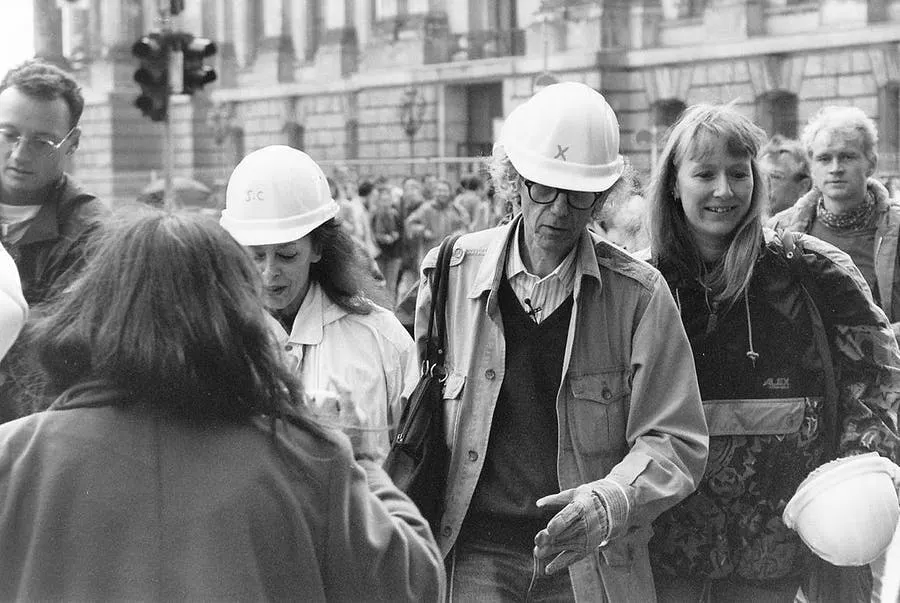
Christo and Jeanne-Claude had a lot in common: their love, their shared artistic vision and even their birthdays, June 13, 1935, he in Bulgaria, she in Casablanca. They met in Paris in 1958 and immediately fell in love, but Jeanne-Claude married someone else under pressure from her family, although she was pregnant with Christo's child. Shortly after their wedding, she returned to her great love. In 1961 they carried out their first joint art project, the first of many. Their art projects would surpass the boundaries of painting, sculpture and architecture in order to bring art from the exhibition rooms into public space and thus provide new perspectives. Their installations took place in many countries, though they called New York home starting in 1964. Jeanne-Claude died at the age of 74 in 2009, but Christo continued implementing their shared vision on his own until he died in May 2020.
Amedeo Modigliani (1884-1920) and Jeanne Hébuterne (1898-1920)
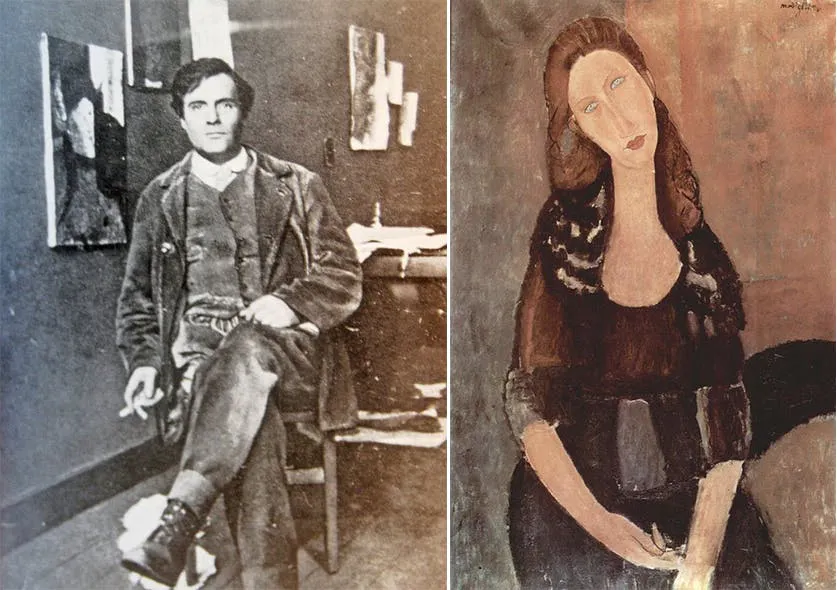
The impoverished painter Amedeo Modigliani and the young art student Jeanne Hébuterne, who grew up in a sheltered middle-class family, met in Paris in spring 1917 and fell in love immediately. For both of them it was their first great love, even for 33-year-old Modigliani, but Jeanne cast a spell over the handsome painter. Jeanne's parents were dismayed by the match and threatened to cut Jeanne off if she stayed with Modigliani. However, Jeanne chose love and the couple moved into a simple apartment in Montparnasse. The positive influence Jeanne initially had on Amedeo did not last long and the painter began to drink and use drugs again. But she stayed by his side even when his already weak health deteriorated further. Together they moved to the warm Côte d'Azur, where their daughter Jeanne was born. After returning to Paris in 1919, Jeanne became pregnant again and the couple became engaged. Before their wedding, Modigliani died of tuberculosis in January 1920. The heavily pregnant Jeanne Hébuterne then committed suicide the next day.
Related: Who Was Beatrice Hastings, the First Muse of Modigliani?
Frida Kahlo (1907-1954) and Diego Rivera (1886-1957)
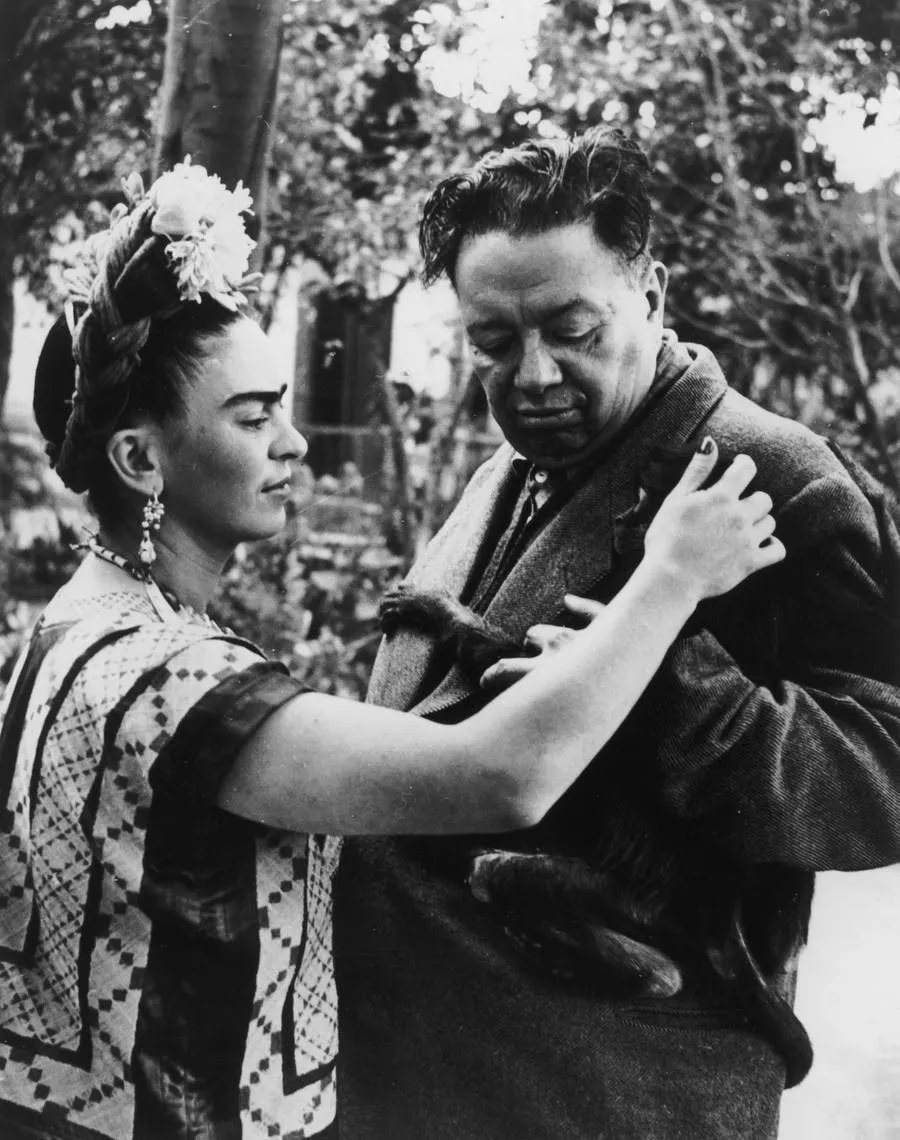
The marriage of the Mexican painter Frida Kahlo and her colleague and compatriot Diego Rivera was a rather turbulent one. Frida first saw the established painter in 1922 when he was doing a mural for her college. It was immediately clear to her that he would be the father of her children. Six years later she hesitantly presented him with some of her attempts at painting and he was intrigued. After their wedding in August 1929, their marriage was not happy because Rivera repeatedly cheated on his wife, who was 20 years his junior, even with her own sister. After ten years the marriage ended in divorce, but their passion for each other couldn't keep them apart and they remarried in December 1940.
Related: The True Story Behind Frida Kahlo's Iconic Style
Charles (1907-1978) and Ray Eames (1912-1988)
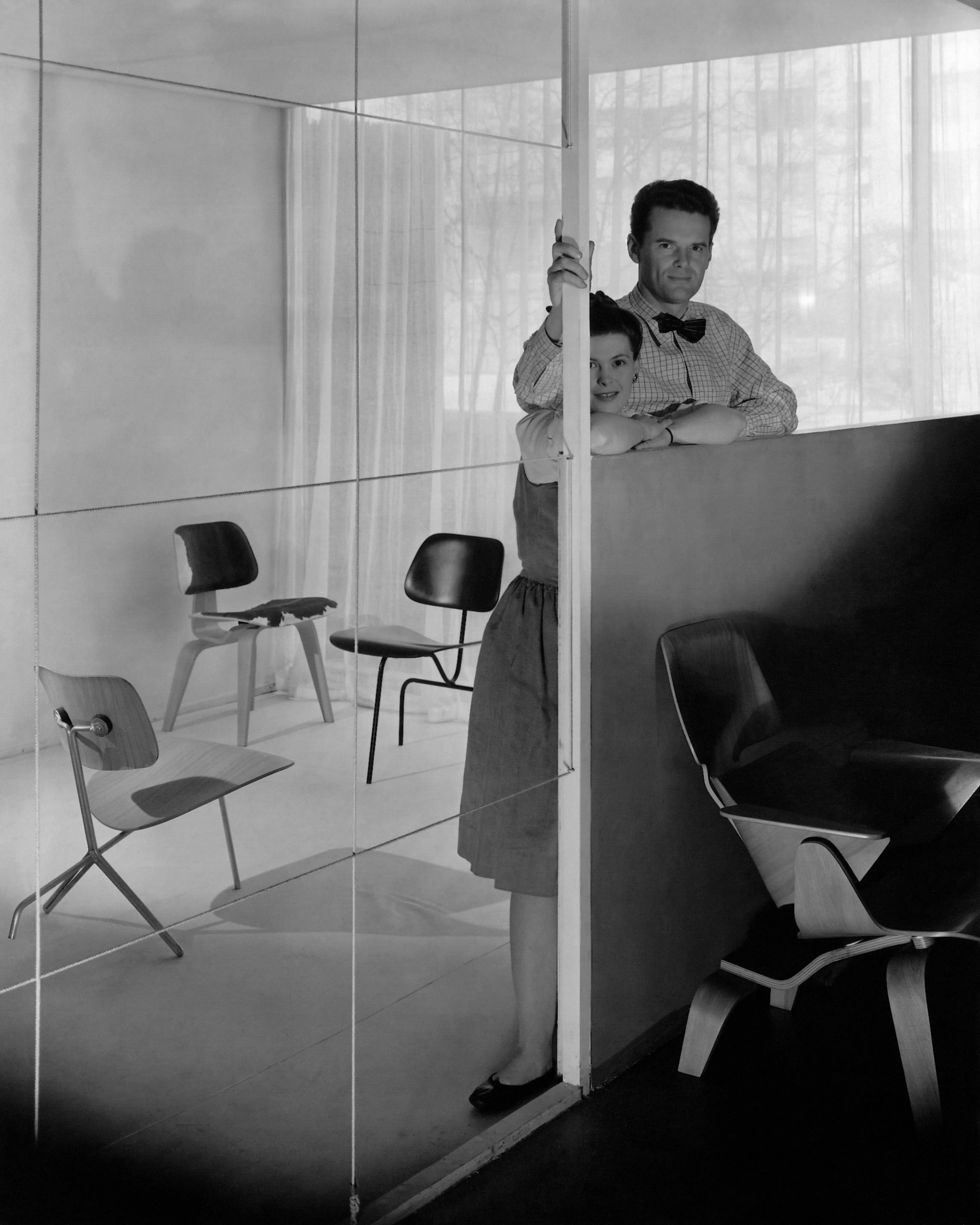
When the architect and designer Charles Eames worked as an industrial design teacher at the Cranbrook Academy of Arts around 1940, he had been married for more than ten years and had a daughter. But then Ray Keizer, who had devoted her art studies to abstract painting, entered his life and he divorced his wife in 1941. In the same year Charles and Ray married and their very successful journey together began. It was not just the fusion of two people, but also of two creatives whose respective profession and conception harmonized perfectly with that of the other. They were both interested in the use of new materials in the field of furniture design and agreed that the world of design needed democratization. This was reflected in their joint designs for the mass market, but also in the design of the house made from recycled materials that they shared from 1949. Another thirty years together followed until Charles Eames died on August 21, 1978 of complications from a heart attack. Ray followed her husband exactly ten years later to the day.
Related: The 10 Most Popular Furniture Designers
Wassily Kandinsky (1866-1944) and Gabriele Münter (1877-1962)
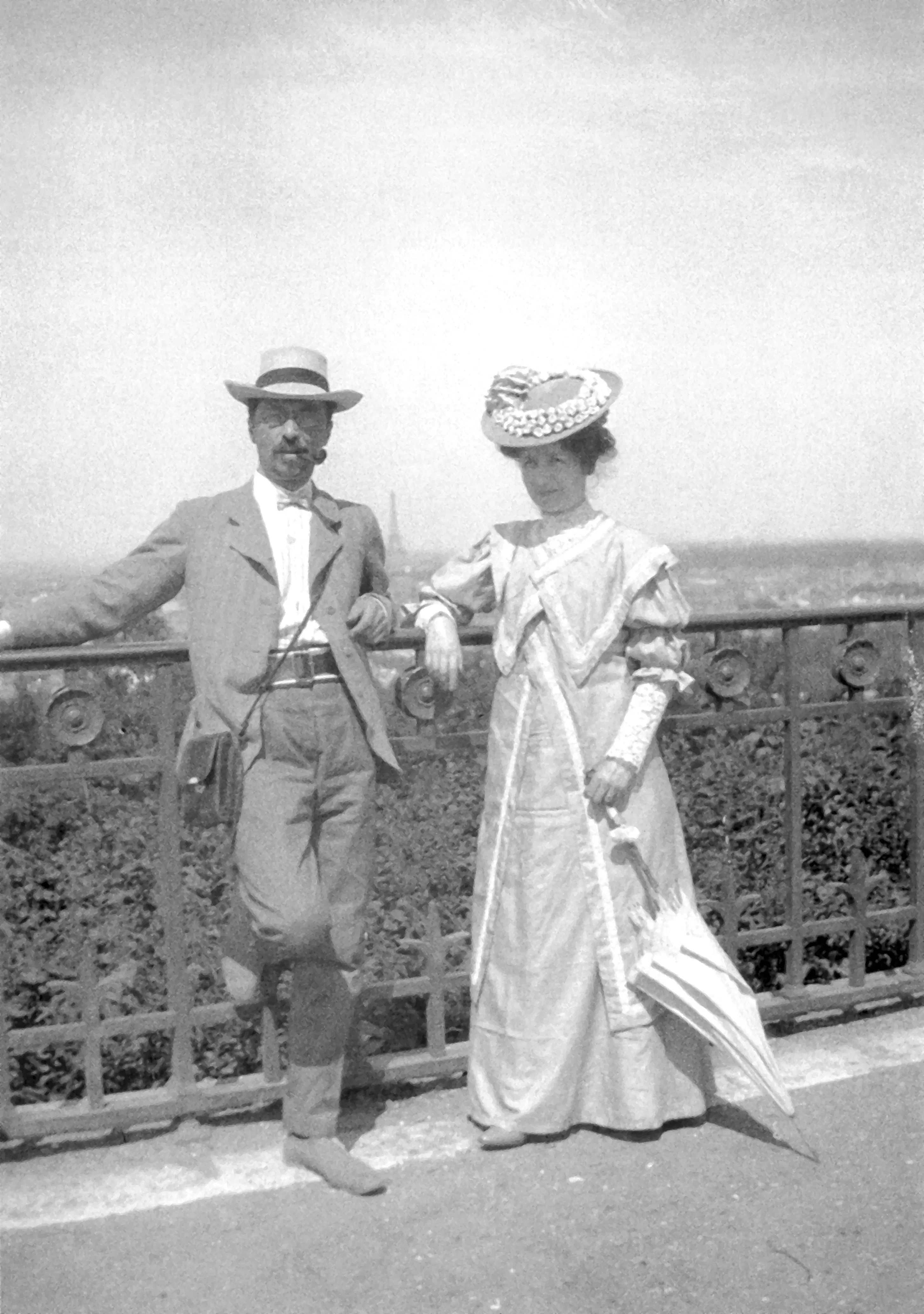
In 1902 Wassily Kandinsky was the director of the painting school of the short-lived Munich artist group Phalanx, which opposed the outdated guidelines of the art scene and also offered women unrestricted access to painting studies. One of these women was Gabriele Münter, who took part in Kandinsky's course in outdoor painting in Kochel am See that summer. A teacher-student relationship became love and they got engaged, even though Kandinsky was already married in his native Russia. But Münter and Kandinsky did not hide their relationship and painted together in the summer months in Murnau am Staffelsee, where Gabriele Münter bought a house in 1909. Kandinsky's first marriage ended in 1911, but he and Münter did not get married. After the outbreak of World War I, Wassily Kandinsky had to return to Russia and the relationship ended. In 1917 Kandinsky married someone else and Gabriele Münter did not enter into a new relationship until ten years later with the art historian Johannes Eichner.
Related: Bauhaus: A New Guild of Craftsmen
Alexej von Jawlensky (1865-1941) and Marianne von Werefkin (1860-1938)
Another artist couple, who were friends with Münter and Kandinsky and who painted with them in Murnau, were Marianne von Werefkin and Alexej von Jawlensky, who had started their relationship in their native Russia and went to Munich together. Von Werefkin, who came from a noble family and had been trained in painting by a private teacher, initially put her own talent on hold in favor of Alexej and devoted herself to promoting him on the Munich art scene. Only in 1906 did she find her way back to the easel. Financially secure, Marianne von Werefkin refused to marry Alexej von Jawlensky, who was a notorious philanderer. Soon, a ménage-à-trois established itself in their household, with the maid Helene Nesnakomoff as the third member of the group. Von Jawlensky and Helene had a son, Andreas, who was born in 1902. Exiled to Switzerland during the First World War, Alexej von Jawlenksy separated from Marianne von Werefkin in 1921 and married Helene Nesnakomoff the following year.
Georgia O'Keeffe (1887-1986) and Alfred Stieglitz (1864-1946)
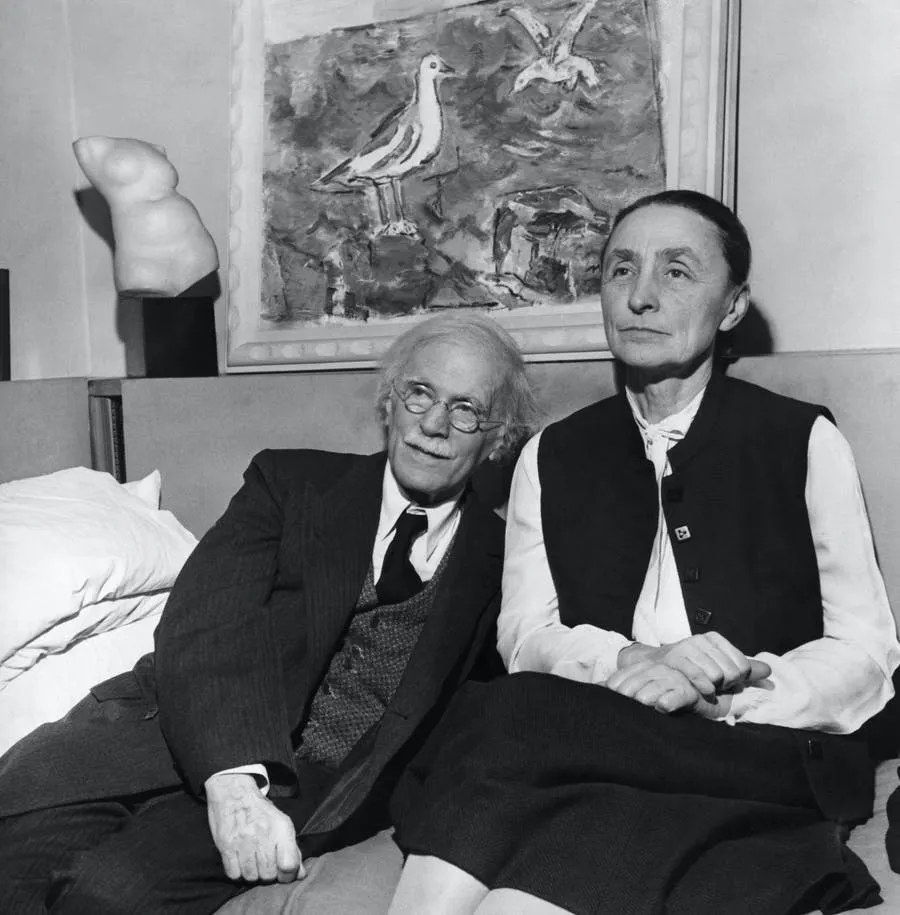
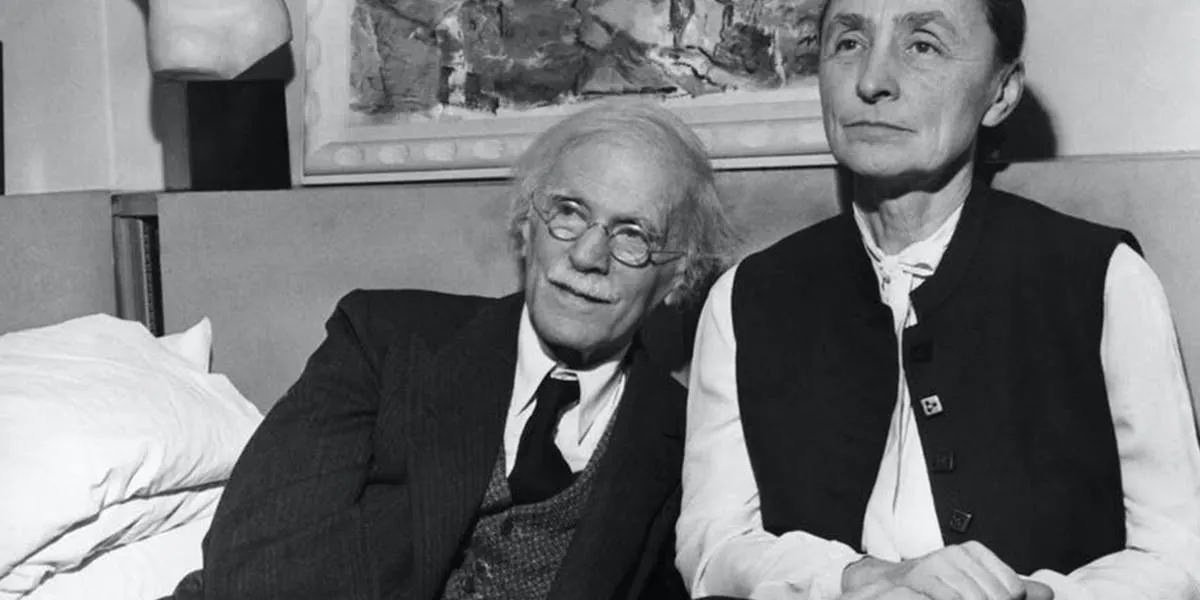
After studying painting in Chicago, Georgia O'Keeffe went to New York in 1916, where she met the 52-year-old photographer Alfred Stieglitz, who owned his own gallery in Manhattan and became her sponsor. Stieglitz was enraptured by O'Keeffe as an artist and as a woman and married her in 1924. He repeatedly photographed her, especially her hands. Georgia loved these shots, but was starting to feel hemmed in by New York and her husband. Again and again she was drawn to the solitude of the New Mexico desert, where she finally moved entirely. Despite the distance, the couple maintained contact and exchanged over 25,000 letters - until 1946, the year Stieglitz died.
Related: Georgia O'Keeffe's Lost Paradise
Alvar (1898-1976) and Aino Aalto (1894-1949)
In 1923, architect Alvar Aalto opened his first office in the Finnish city of Jyväskylä. Shortly afterwards, the architect Aino Marsio, who, like Aalto, had studied in Helsinki, became his assistant. They got along well, first as colleagues, then as lovers, and the wedding followed in 1924. The relationship between Aino and Alvar was on an equal footing, both professionally and personally. Together they implemented the projects that were commissioned to the architects. Aino also outperformed her husband now and then, including being awarded a gold medal at the Milan Triennale in 1936 for designing a glass. When the Aaltos founded the furniture company Artek in 1935, Aino became the chief designer. Aino Alto died in January 1949 shortly before her 55th birthday.
Related: The Aalto Vase: Small in Size, Big in Impact
Paula Modersohn-Becker (1876-1907) and Otto Modersohn (1865-1943)
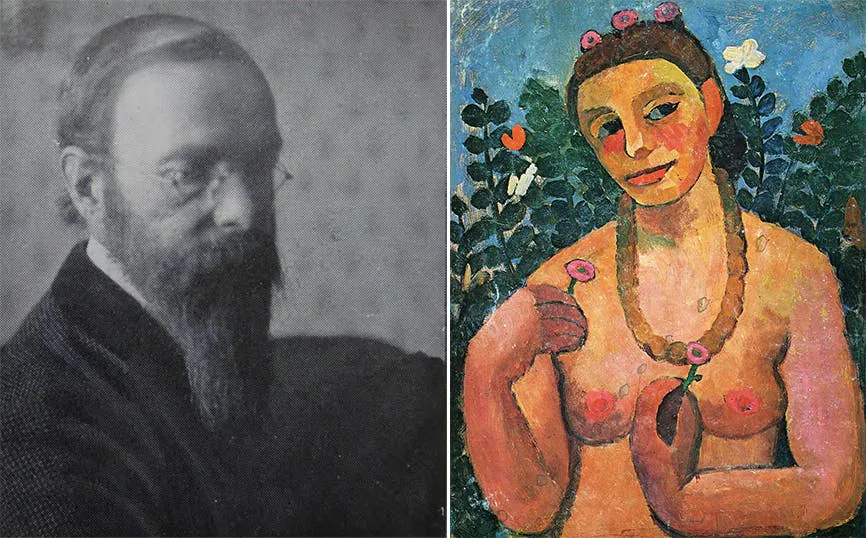
During a visit to the Worpswede artists' colony, the young painter Paula Becker fell in love with the inspiring place in the Teufelsmoor. In 1900 she moved there and fell in love with the painter Otto Modersohn, who also lived there, and whom she married the following year. The relationship seemed happy and Otto Modersohn, who was eleven years older than her, supported his young wife. But Paula struggled on the one hand, she wanted to devote her life entirely to art, on the other hand, she wanted to become a mother. In 1906, during one of her studies in Paris, she made her decision: she wanted to separate from her husband and lead a free life there as a painter. But when Otto Modersohn followed her, love gained the upper hand and the couple found themselves together again. The reunited happiness was crowned with Paula's pregnancy. Their daughter was born in November 1917. However, the birth was difficult and Paula Modersohn-Becker died three weeks later of the consequences.
Lee Krasner (1908-1984) and Jackson Pollock (1912-1956)
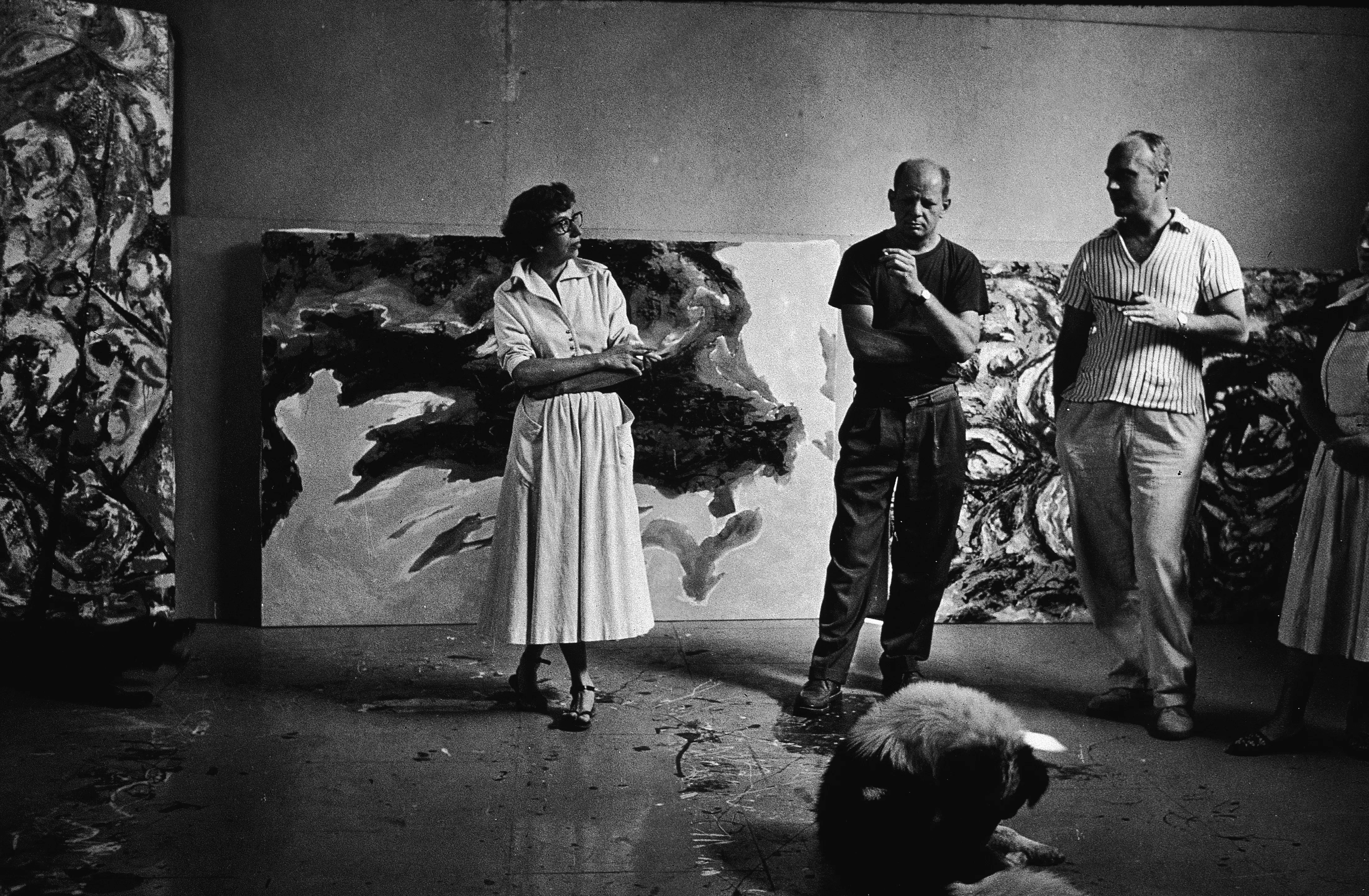
Lee Krasner and Jackson Pollock met in New York in 1941 when Krasner came across the name and work of the unknown painter in an exhibition. She then visited him in his studio and a relationship developed. Krasner, who herself painted in the style of abstract expressionism, was well connected in the New York art scene and made sure that Pollock was known too. In general, Krasner put her own work to the side for Pollock (they married in 1945) and concentrated on promoting his career. But the relationship was strained by the alcoholism and the affairs of Pollock and in 1956 Krasner decided to go on a trip to Europe that they had actually planned together. They didn't see each other again because Pollock died in her absence from the consequences of an intoxicated accident. As the sole heir of her husband, she promoted his artwork to a certain extent even after his death. The work of Lee Krasner, which was overshadowed by her more famous husband for a long time, is now receiving the recognition it deserves.