Drawing is the basis of everything.
A sketch in brown ink on paper produced by Vincent Van Gogh in the summer of 1888 will pass under Christie's hammer in March. Described by the auction house as one of the artist's greatest works on paper, the drawing bears witness to a decisive moment in his career, as he turned to the genre of portraiture and developed his production.
Entitled La Mousmé, the drawing was made in 1888, when Van Gogh was staying in Arles and saw his series of paintings on the harvest of the fields suddenly interrupted by torrential rains. Confined within the four walls of his studio, he embarked on a portrait of a Franco-Algerian soldier (Le Zouave) from which two oils and a drawing would emerge. His brother Theo was one of the first to be aware of this shift in genre, when the painter wrote to him at the end of the interminable week of rain: "the character interests me much more than the landscape".
Related: The First Known Works by 10 Famous Artists
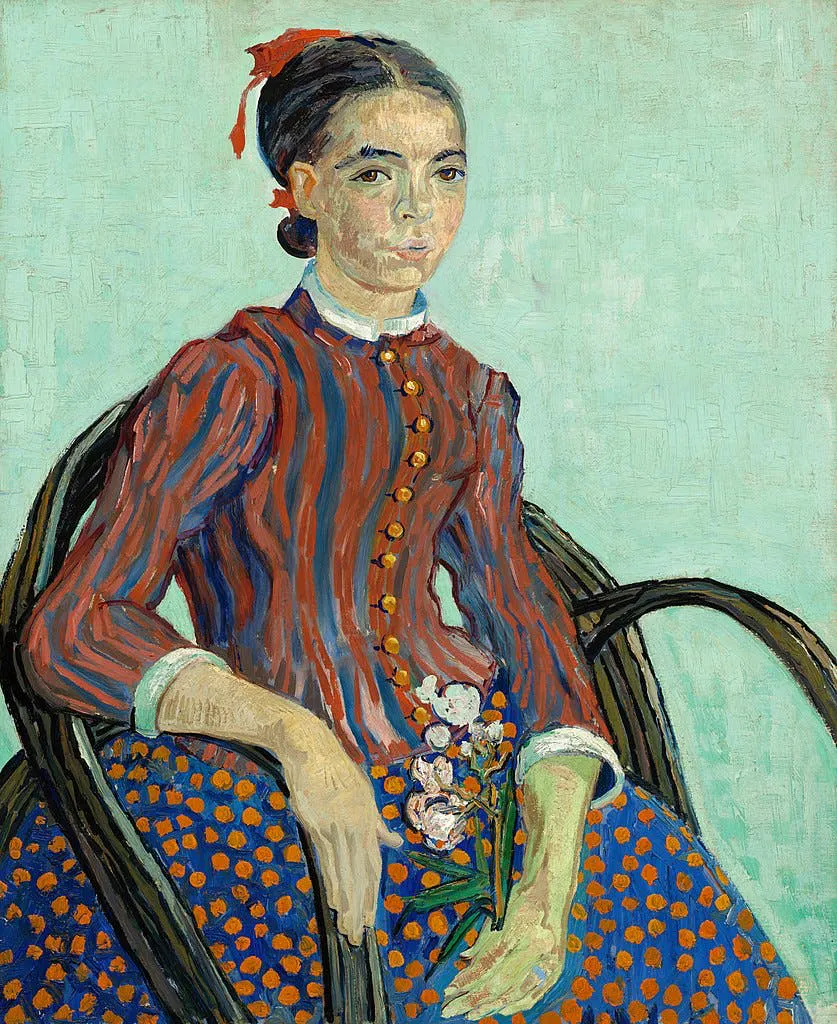
He repeated the experience a month later and painted La Mousme, a portrait of a young Provencal girl, probably an Arlésienne, wearing a striped bodice and a polka-dot skirt, holding a branch of oleander in her hand. The painting, now kept at the National Gallery of Art in Washington, features the second great portrait by the artist and inspired him to create the brown ink sketch of the same name.
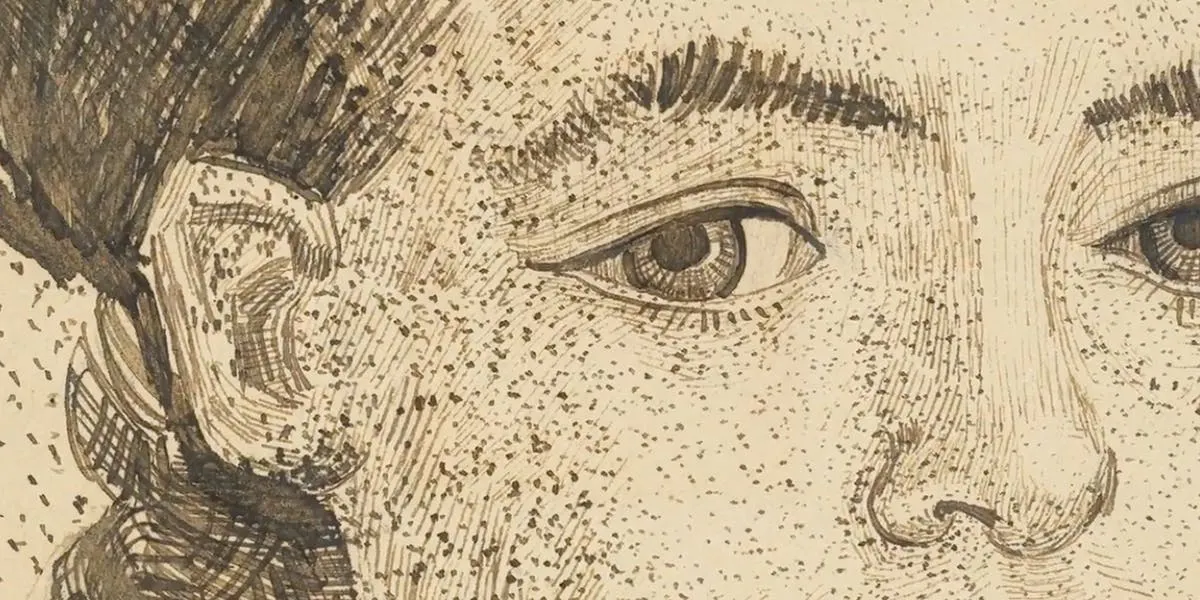
The sheet is part of a small series of reed-pen drawings based on Van Gogh's paintings produced during that summer. La Mousmé presents a great diversity of features, lines and points and testifies to a certain technical innovation in the painter.
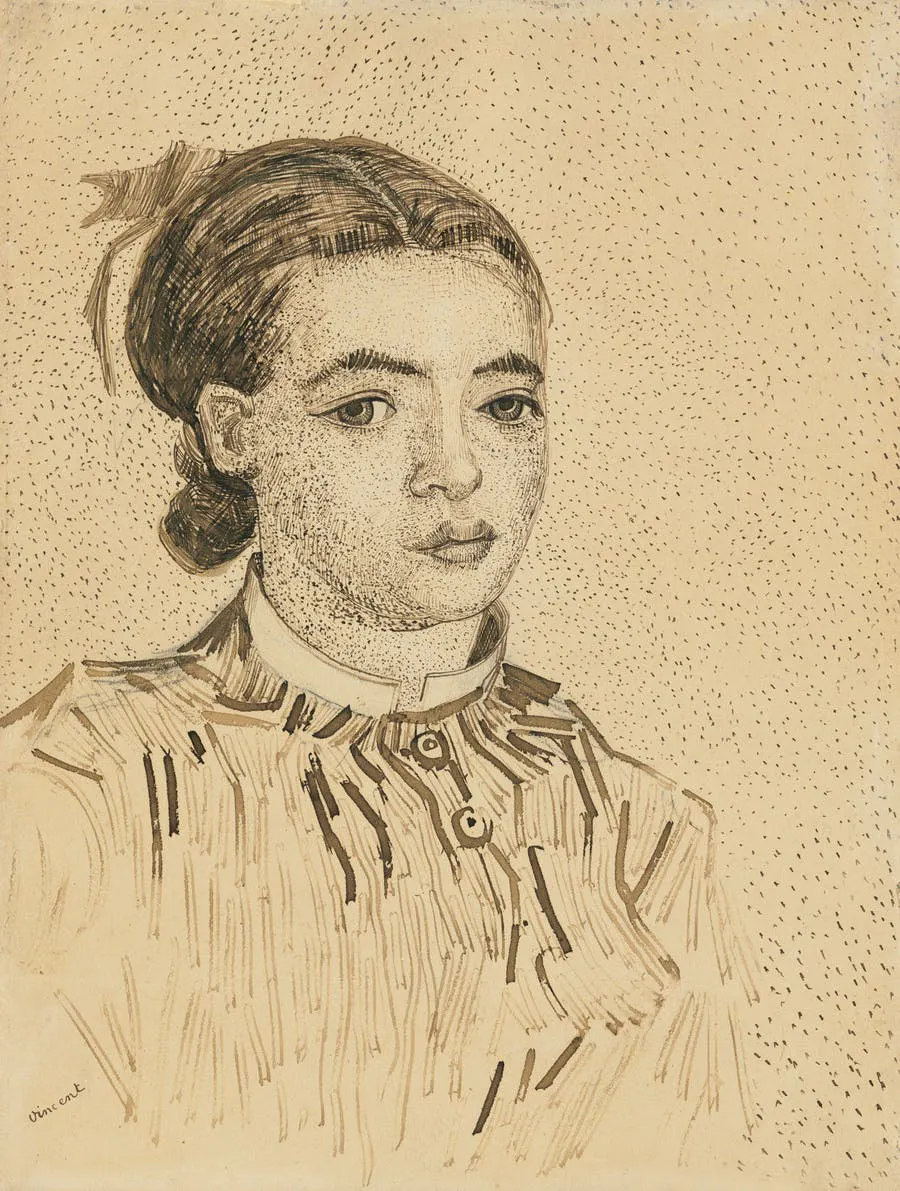
The figure, although it was based on a local girl, was actually inspired by the artist in a popular novel by Pierre Loti, Madame Chrysanthème (1887). The book tells the autobiographical story of a naval officer who married a Japanese woman while serving in the country. Already strongly influenced by Japonism (a trend among Impressionist artists and painters from 1860 that blended the aesthetic repertoire of Japanese art with Western style painting), Van Gogh portrayed the figure described in the novel in his oil on canvas, then in the sketch, even borrowing the word “mousmé” used by Loti.
Related: The Secrets of Van Gogh's Final Painting Revealed
The Japanese term "mousmé" refers to a young single Japanese woman or a very young girl (between 12 and 14 years old) and is one of the prettiest words in the language. In a letter to his brother Theo dated July 29, he said: “Now, if you know what a 'mousmé' is (you will know when you have read Madame Chrysanthème by Loti), I have just painted one. It took me all week, I couldn't do anything else because once again I don't feel very well. That's what bothers me, if I had been in good shape, I could have painted other landscapes in the meantime. But to finish my mousmé, I had to save my mental strength."
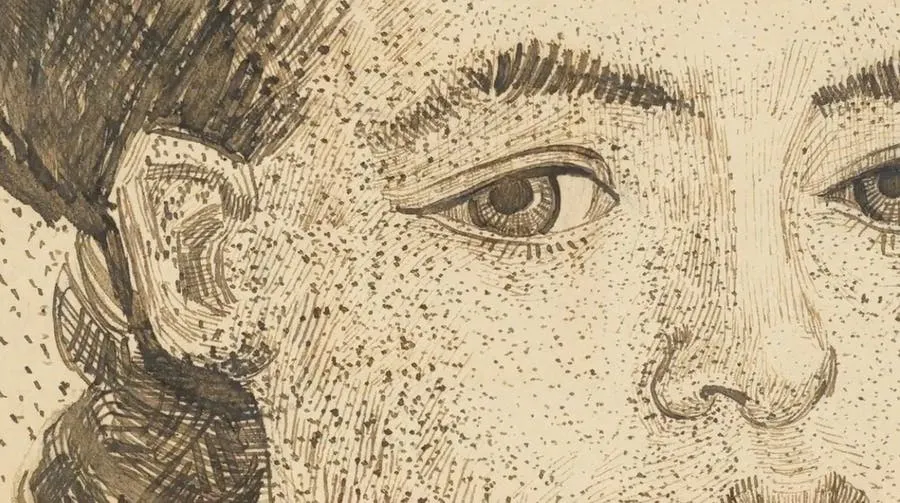
The sketch made with reed pen, brown ink and pencil on paper is not a simple copy of the oil that preceded it: here, Van Gogh has chosen to represent his subject as a bust, exploring the an enigmatic expression of her youthful face and delivering a spectacular level of detail. The contrast and variations of tones observed in the painting have been replaced by a set of lines and dots offering a modeling as convincing as that of the canvas. As the painter once said, “drawing is the basis of everything”.
Related: Ukiyo-e: The Art of Japan
La Mousmé will be auctioned on March 1 at Christie's in New York, during the live broadcast of “A Family Collection: Works on Paper, Van Gogh to Freud”. With an estimate set between $7-10 million, the work could surpass the world record for a drawing by the Dutch master. To date, only two Van Gogh sketches have reached an amount within the range of this auction estimate: Garden of Flowers sold for $8.3 million in 1990, and Oliviers with the Alpilles in the background auctioned for $8.5 million in 1999.