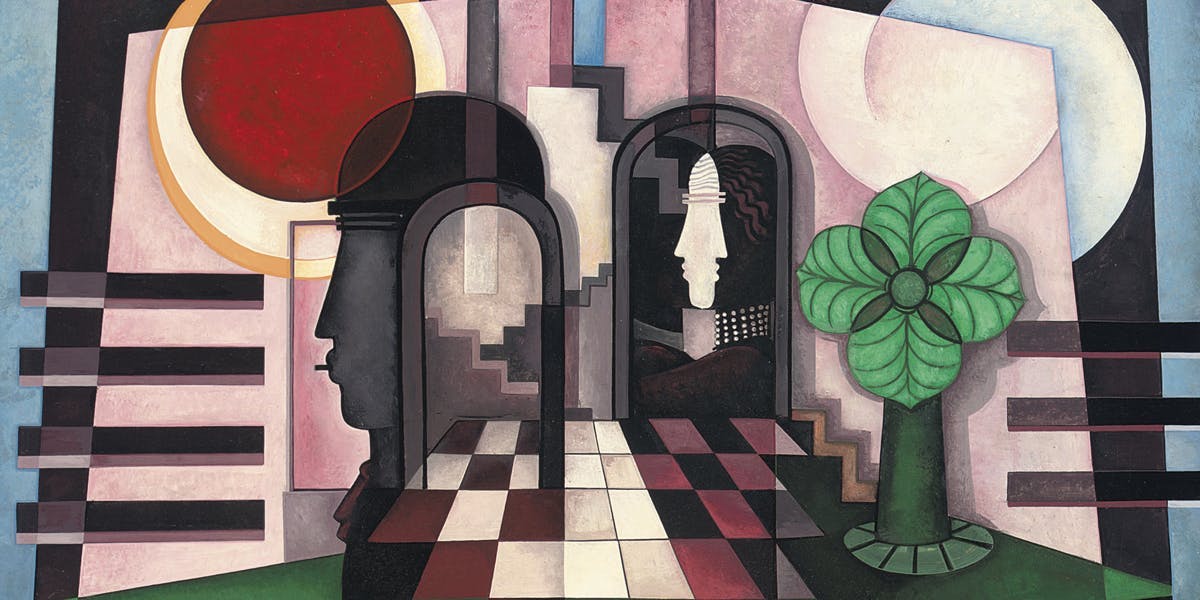
The oeuvre of the Polish painter and sculptor Jean Lambert-Rucki (1888-1967) melds elements of Cubism, Surrealism and Art Deco. He arrived in Paris one morning in February 1911 and stayed with friends who were also from Poland. He enrolled at the Académie Colarossi and the frequented the salons where the avant-garde met to revolutionize the world of art. He met important personalities such as Blaise Cendrars and Max Jacob and soon moved into a room with Amedeo Modigliani at 8 rue de la Grande-Chaumière.
Read also: Tamara de Lempicka and the Roaring Twenties
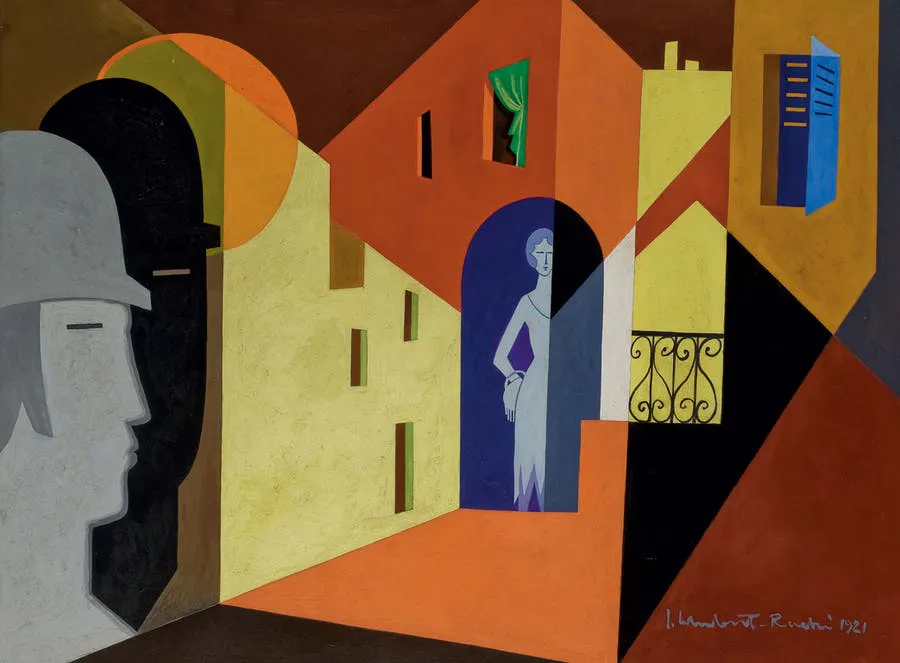
After enlisting in the French army during the First World War, he served with the French troops and during his military service met the sculptors Joseph Csaky and Gustave Miklos, inspiring him to experiment with sculpture.
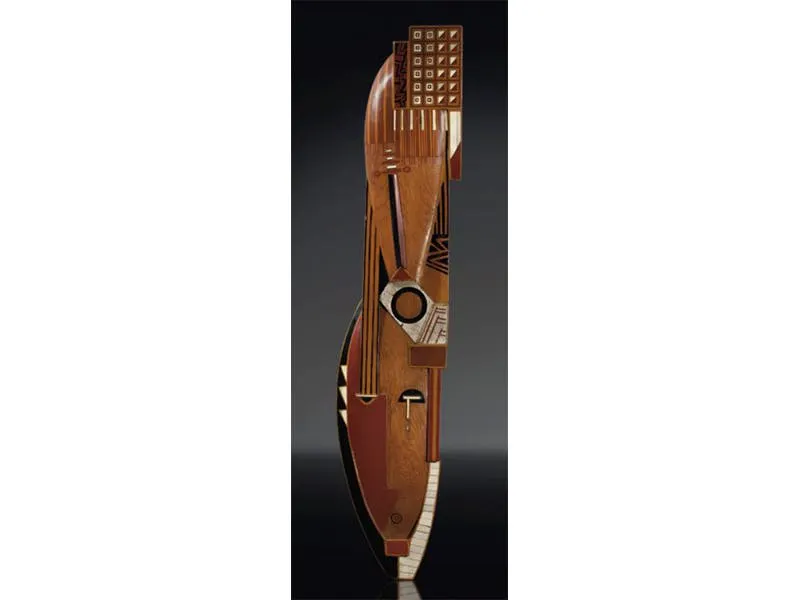
After the war he returned to Paris, where he exhibited his works successfully and received many commissions that included interiors and especially churches that had been destroyed or damaged during the war.
Related: Abstract Art: From Genre to Movement
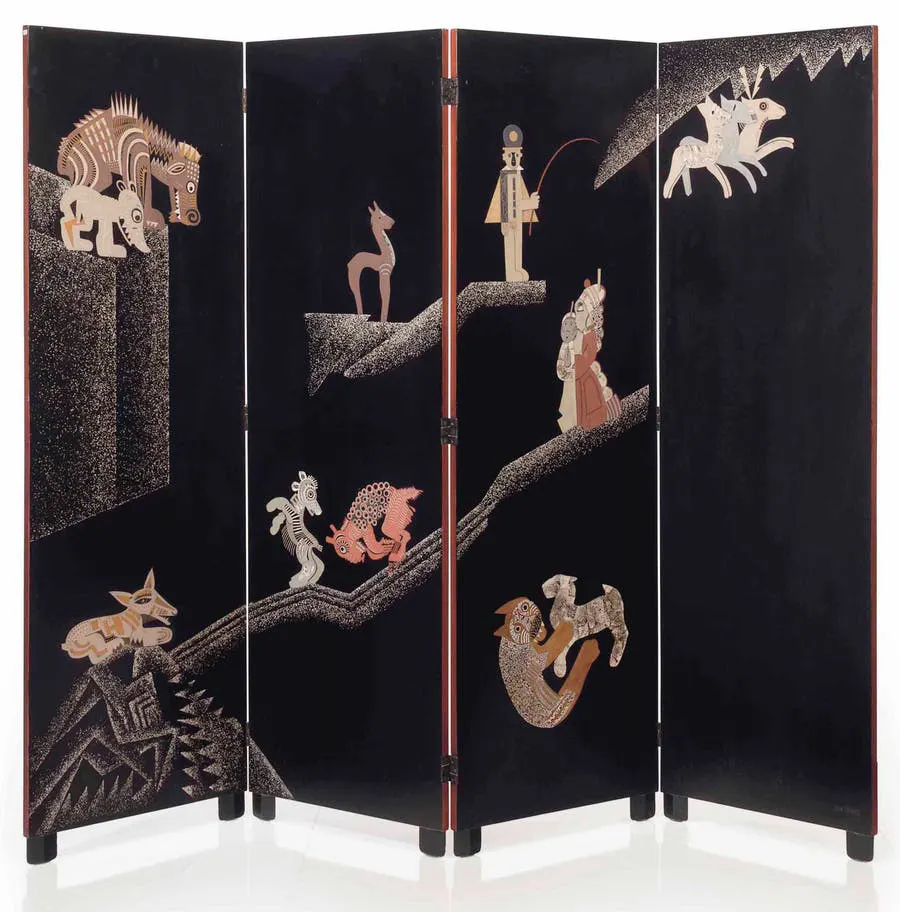
In 1925, Lambert-Rucki worked for the International Exhibition of Modern Decorative and Industrial Arts with Jean Dunand and Émile-Jacques Ruhlmann. The collaboration between Lambert-Rucki and Dunand also produced some of the most striking objects of the Parisian interwar years. As an admirer of his Polish colleague, Dunand not only made his workshop available to him, but also any materials that Lambert-Rucki needed to design screens, sideboards and even fireplace cladding.
Related: 1925: The Height of Art Deco
From 1930, Lambert-Rucki became one of the pioneers of “Modern Sacred Art”, a predominantly sculptural art form that featured clean lines and simple shapes. Through the movement, Lambert-Rucki expressed religious motifs simply and the clergy of the time sought him out to commission his mystical works.
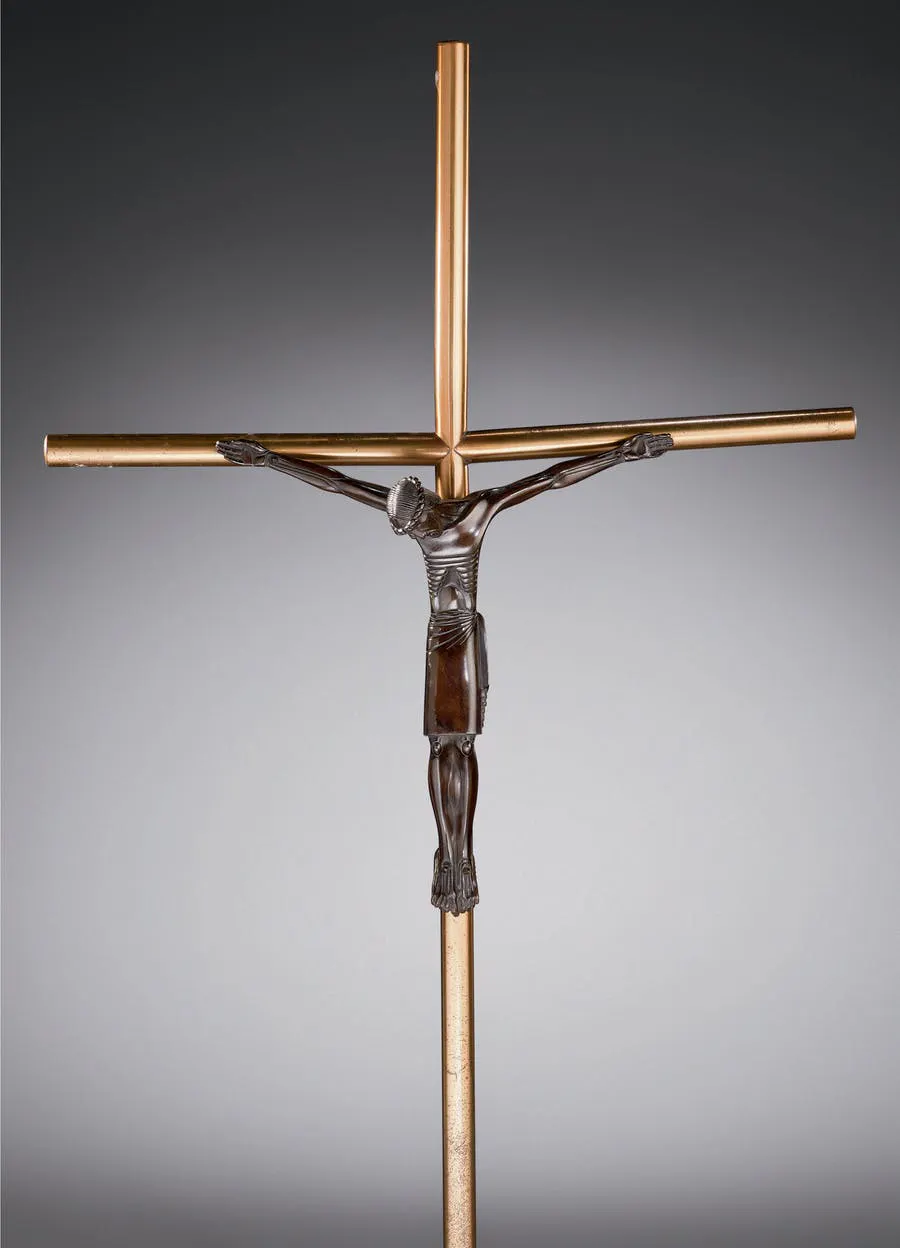
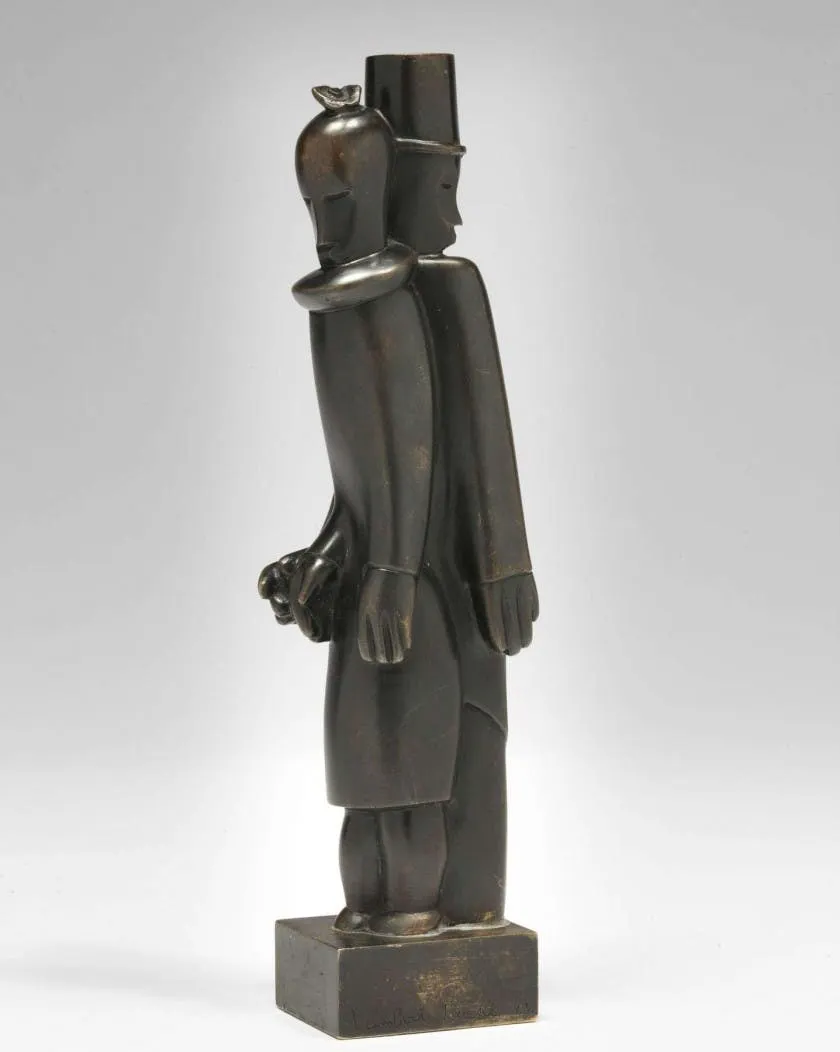
While always maintaining his unique expression, he was also interested in other mediums and created sculptures that illustrate different characters, groups of slim figures and tenderly embracing couples. His aim was to eliminate everything unnecessary by using resources sparingly and by simplifying the forms in favor of pure emotion.
In 1931 he joined the Union des Artistes Modernes, where he exhibited together with Le Corbusier and Jean Fouquet. The following year he became a French citizen. Despite being married in 1920, Jean Lambert-Rucki remained a loner throughout his life, fleeing the demands and vanities of the world. All his artistic endeavors consisted in the relentless urge to want to create something new.