Early this year, the British Council announced that Lubaina Himid (b. 1954) will represent the UK at the 61st Venice Biennale in 2026, presenting a major solo exhibition of new work in the British Pavilion.
Born in Zanzibar and raised in London, Himid has built a career that spans more than four decades, combining painting, installation, and teaching with cultural activism.
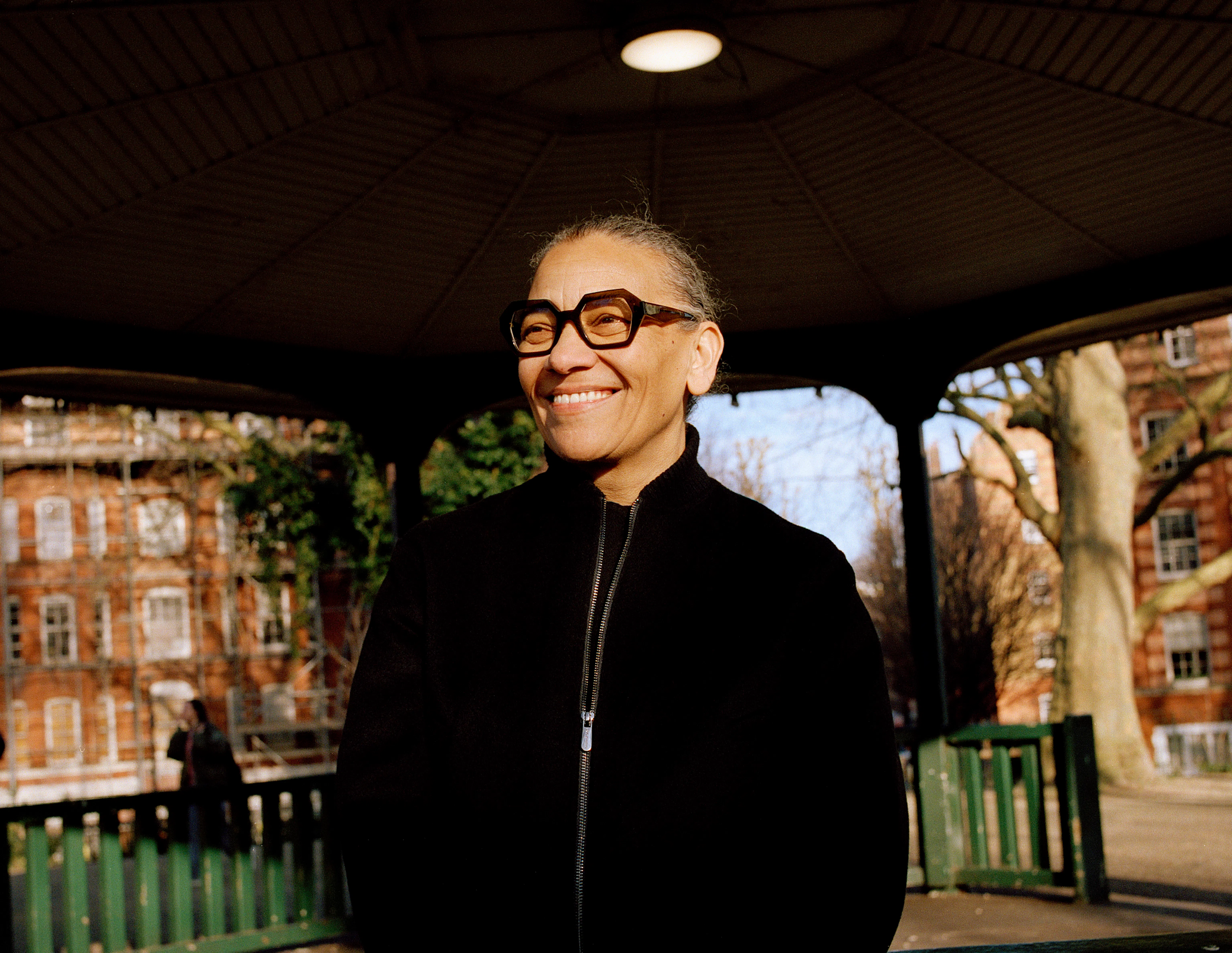
Himid first trained in theatre design at Wimbledon School of Art before moving into visual art. In the 1980s she became a leading figure in the British Black Arts Movement, curating exhibitions and advocating for artists of colour at a time when access to major institutions was limited. Her 1985 exhibition The Thin Black Line at the ICA in London was an early attempt to bring such work into the centre of British contemporary art.
See also: Jeffrey Gibson: Unveiling Indigenous Artistry in Venice
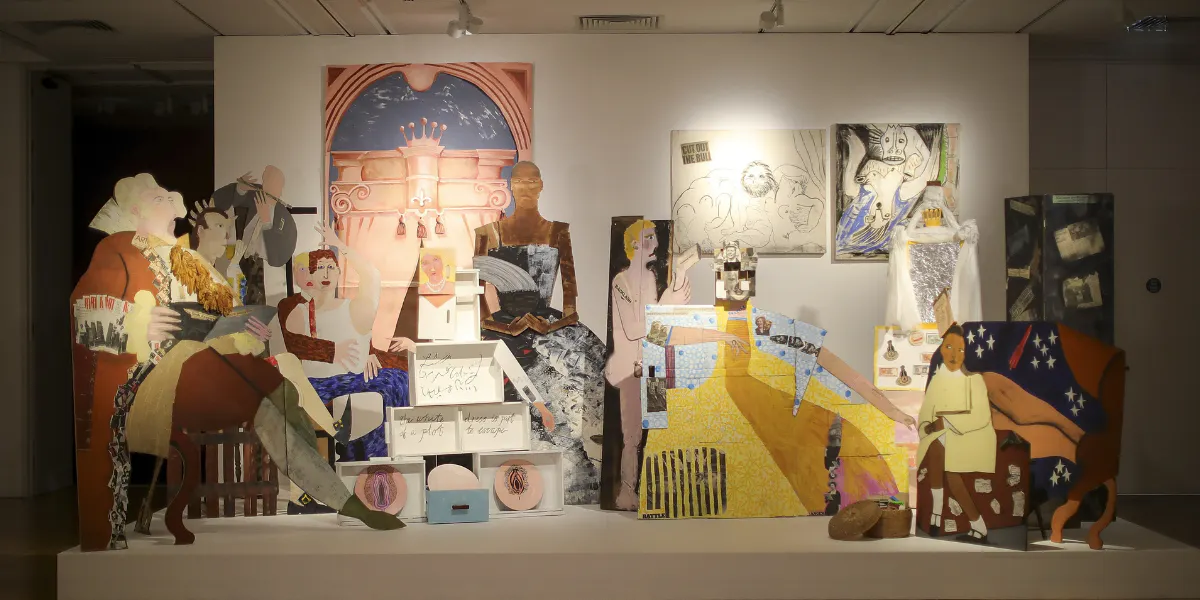
Across paintings, prints, cut-outs, and installations, Himid’s practice has returned to questions of cultural history and identity. She works on a wide range of surfaces, including wood and ceramic, and often produces objects to be encountered in space rather than confined to the wall. Central to her approach is a dialogue with audiences and an insistence, in her words, on recognising “the contribution black people have made to cultural life in Europe for the past several hundred years.”
Want more articles like this straight to your inbox? Subscribe to our free newsletter!
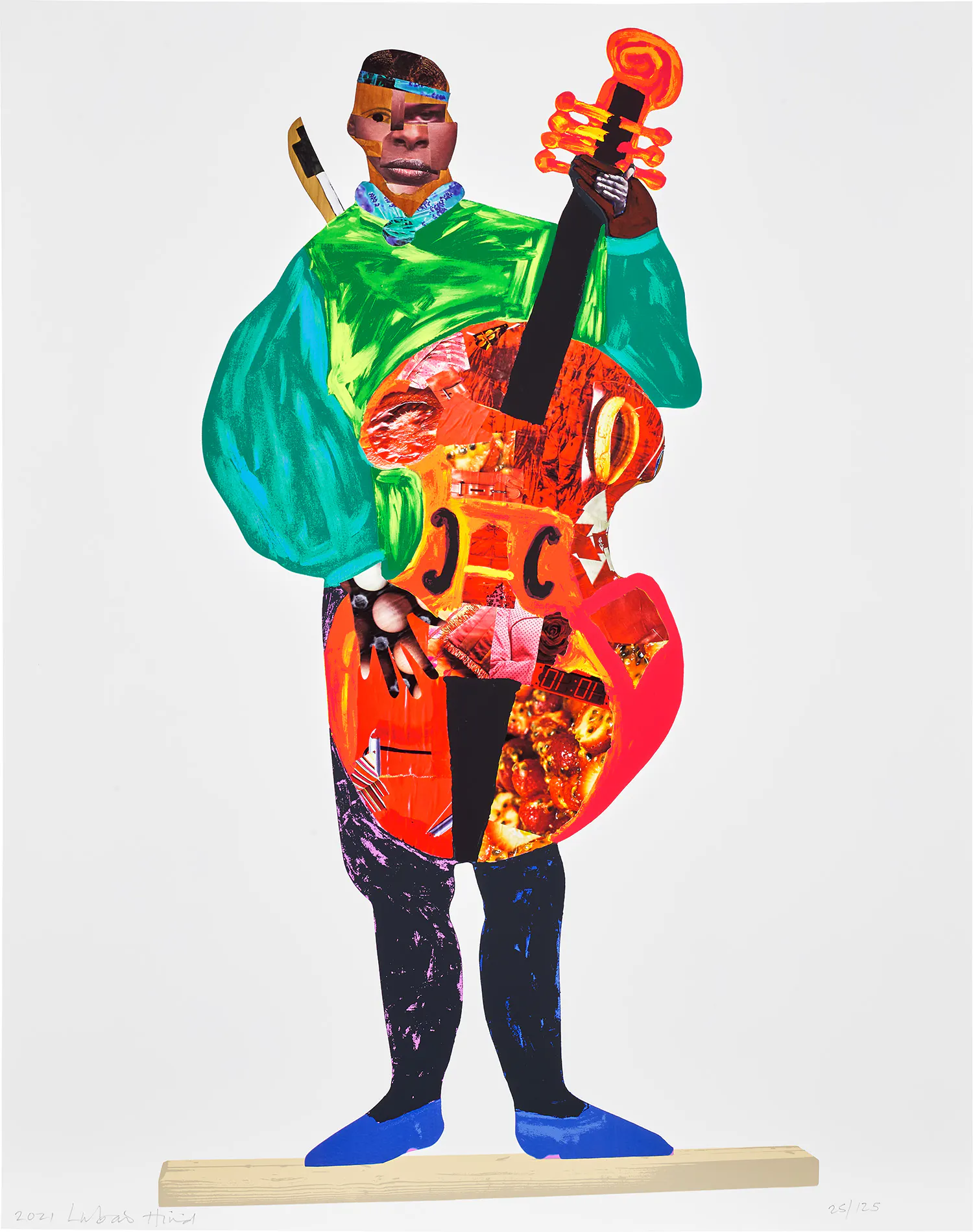
Himid received the Turner Prize in 2017, becoming the first Black woman to do so, and was appointed CBE the following year. More recently, Tate Modern presented a large survey of her work in 2021–22, structured as a sequence of staged scenes that reflected her background in theatre.
See also: John Akomfrah Will Represent Britain at the 2024 Venice Biennale
Her selection for Venice follows on from filmmaker and artist John Akomfrah, who represented the UK at the Biennale in 2024.