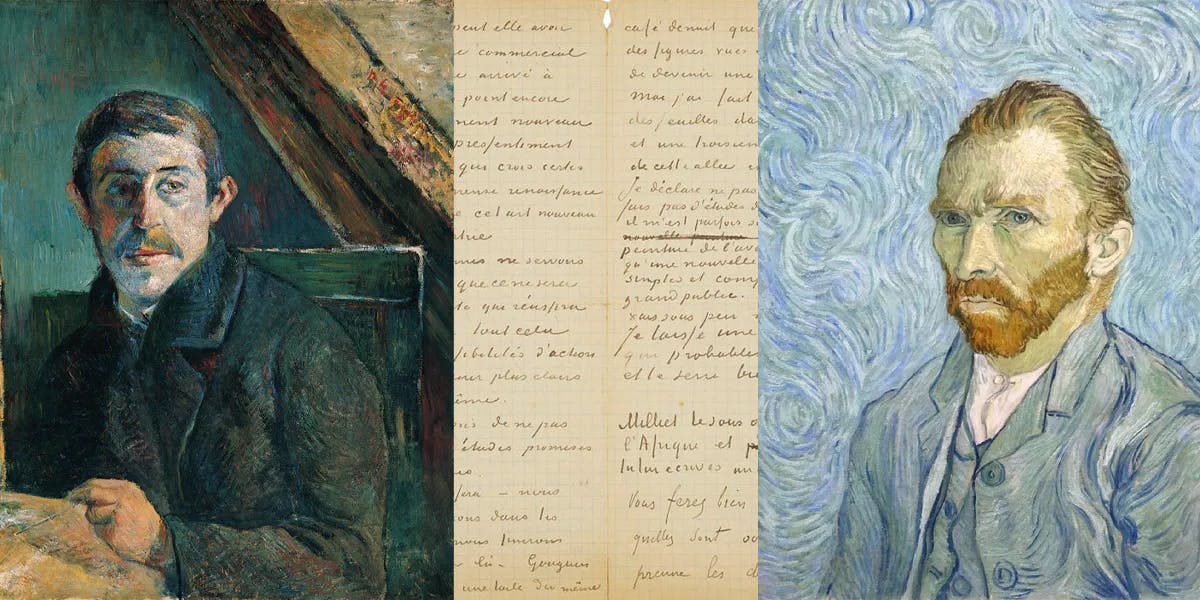
I find everything poetic, and it's in the corners of my heart, which are sometimes mysterious, that I perceive poetry. Led harmoniously, forms and colors in themselves produce poetry.
Vincent van Gogh and Paul Gauguin are two of the greatest artists in the history of art and have left an indelible mark with their works. In addition to having a common creative talent, these masters of the brush possessed complex personalities, which led both to have difficult personal experiences and face emotional challenges. After meeting, they embarked on a journey that went beyond painted canvases, transforming a simple correspondence into a dialogue full of artistic passion and intimate friendship. Reading the many letters they exchanged offers one the ability to understand more deeply the souls of these two creative geniuses.
Related: 10 Artists Between Genius and Madness
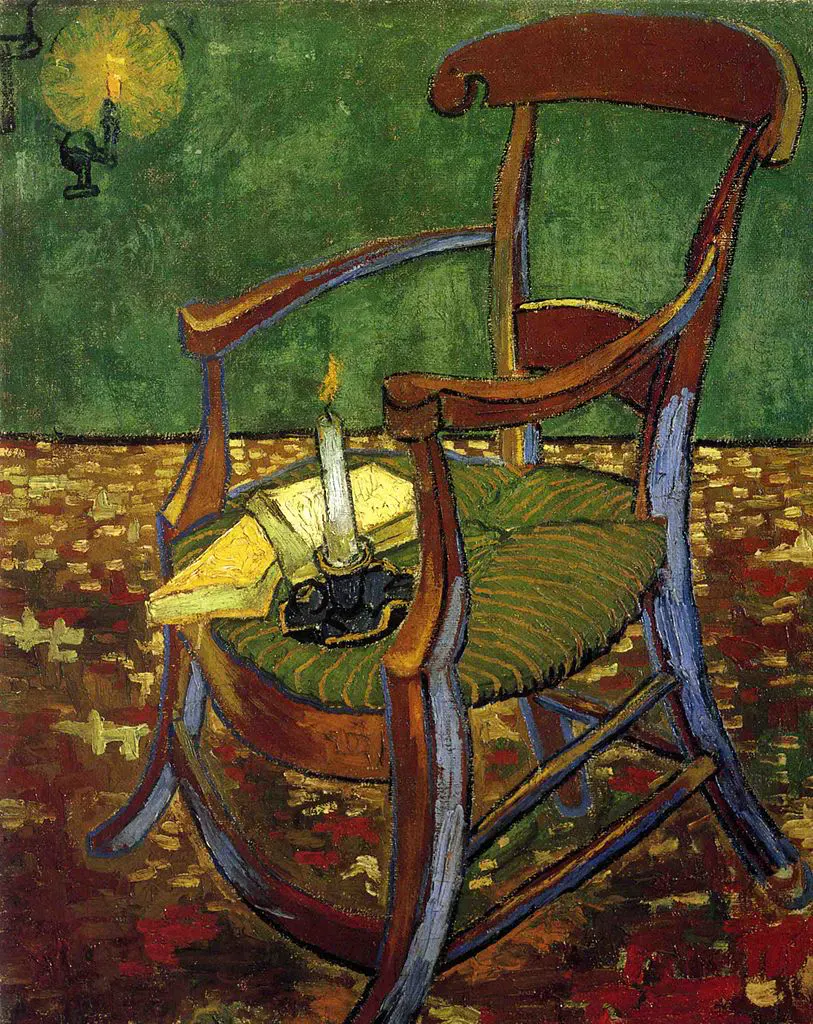
Van Gogh: The Passionate Painter
Known for his emotional intensity and vibrant brushstrokes, Vincent van Gogh struggled for most of his life with his own insecurities, as well as various economic and personal difficulties that resulted from his mental problems. His struggles with emotional instability and bouts of depression led him to spend time in psychiatric clinics with periods of isolation. Despite these difficulties, Van Gogh found in painting a form of catharsis and the expression of his deepest emotions. His canvases, universally celebrated today, did not gain recognition in his lifetime and were often considered extravagant and too audacious by the standards of the time. However, his distinctive style, characterized by energetic brushstrokes and vibrant colors, helped define the Post-Impressionist art movement. Throughout his life, the Dutch artist transferred his passion, torments and restlessness on canvas, creating masterpieces that still fascinate and move us today. His tumultuous and passionate life helped create an aura of romance around him, making him one of the most celebrated and beloved artists of all time.
Related: Vincent van Gogh: The Myth of the Tortured Artist
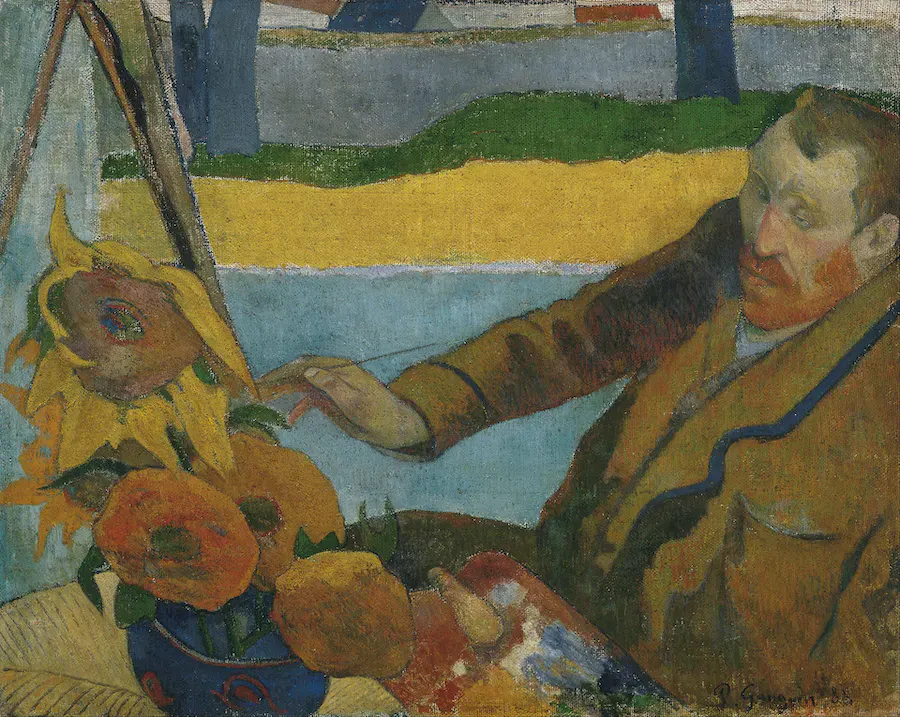
Gauguin: The Explorer of the Exotic
Attracted by the search for new perspectives, Paul Gauguin ventured to distant lands to find inspiration. He found his greatest source of inspiration in Tahiti, where he was struck by a vibrant culture so different from the western one he knew. Feeding his creativity, this contact with new cultures profoundly influenced his painting style. Gauguin's works defied the artistic conventions of the time. Through bold colors, simplified shapes and symbolic narration, the French painter created a unique visual language, trying to express the essence of people and places and often representing everyday scenes with a touch of mystery and spirituality. His influence in modern art has been considerable. Gauguin has inspired many subsequent artists and his work has been particularly appreciated for its ability to convey emotion and sensation through the use of color and form.
Related: Paul Gauguin: The Lost Innocence

Powerful brush, prodigious pen
Throughout his life, Van Gogh wrote an endless amount of letters. Some of them, by virtue of Horace's famous formula ut pictura poesis ("like painting, so poetry") are illustrated with sketches, which highlight a profound interconnection between the artist's pictorial and literary world. Many also feature poetic phrases that have become famous, such as the phrase "As long as autumn lasts, I shall not have hands, canvas and colors enough to paint the beautiful things I see."
According to some, these epistles also constitute the most significant source of information about the painter. Most notable of all was the extensive correspondence between him and his younger brother, Theo. These letters, exchanged from 1872 to 1890, provide important information on their relationship, the painter's thoughts and his artistic theories. Theo, an art dealer, supported Vincent financially and emotionally and put him in contact with influential figures in the industry. While Theo always kept Vincent's letters, Vincent only kept some of the ones he received. After their deaths, Theo's widow organized the publication of some of these letters, which offer an intimate and diaristic look into Van Gogh's life.
Want articles like this straight to your inbox? Subscribe to our free newsletter!

In addition to Theo, Vincent's important correspondents were the French artists Émile Bernard and Paul Gauguin. The painter met both in Paris and struck up a friendship with them made up of an exchange of views and mutual inspiration. The letter that Paul Gauguin and Vincent van Gogh wrote to Émile Bernard is famous, in which the Dutch artist shares his first positive impressions of Gauguin. The two had in mind to form an association of painters united by the same sensitivity. The text reveals the awareness that their art would really be understood only by future generations. The manuscript, which brings together three important figures of the pictorial revolution of the late 19th century, was auctioned by Christie's in Paris in December 2012 for the remarkable sum of 445,000 euros.
When they wrote this letter - November 1 or 2, 1888 - Van Gogh and Gauguin were together in Arles, in the south of France. Gauguin had recently joined Van Gogh there, after various insistence by the latter.
Related: 8 Artists Inspired by the South of the France
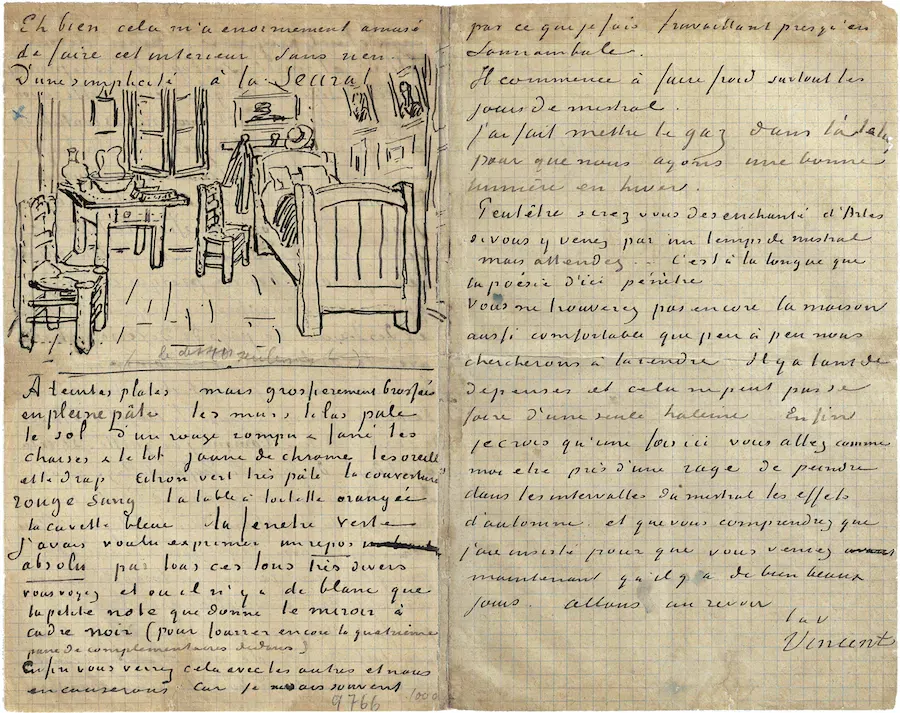
The letters: mirror of artistic souls
Before living together in Arles, the two had exchanged a large number of letters, which reveal a friendship based on mutual understanding and a shared appreciation for art. Their contrasting personalities, coupled with a common passion, created a unique connection. From their words we understand how much they encouraged each other, sharing artistic visions and hopes for the future. The letters cover a wide range of topics: both artists discuss their theories, techniques and aspirations, talk about their sources of inspiration, often stemming from nature, reflect on the power of light and color, and explore the symbols and deeper meanings of their paintings. In some heartbreaking epistolary excerpts, Van Gogh refers to his own inner demons.
Related: The Dramatic Events Surrounding Van Gogh's Sunflowers
Poetic elements are also often introduced in these letters. In Gauguin's letter sent to Van Gogh on September 8, 1888, from Pont Aven, he writes, "I find everything poetic, and it's in the corners of my heart, which are sometimes mysterious, that I perceive poetry. Led harmoniously, forms and colors in themselves produce poetry."
The correspondence between Vincent van Gogh and Paul Gauguin offers a privileged window into the minds of these two geniuses of art and has the power to transport us into their inner world, providing us with one more tool to appreciate their life and works.