
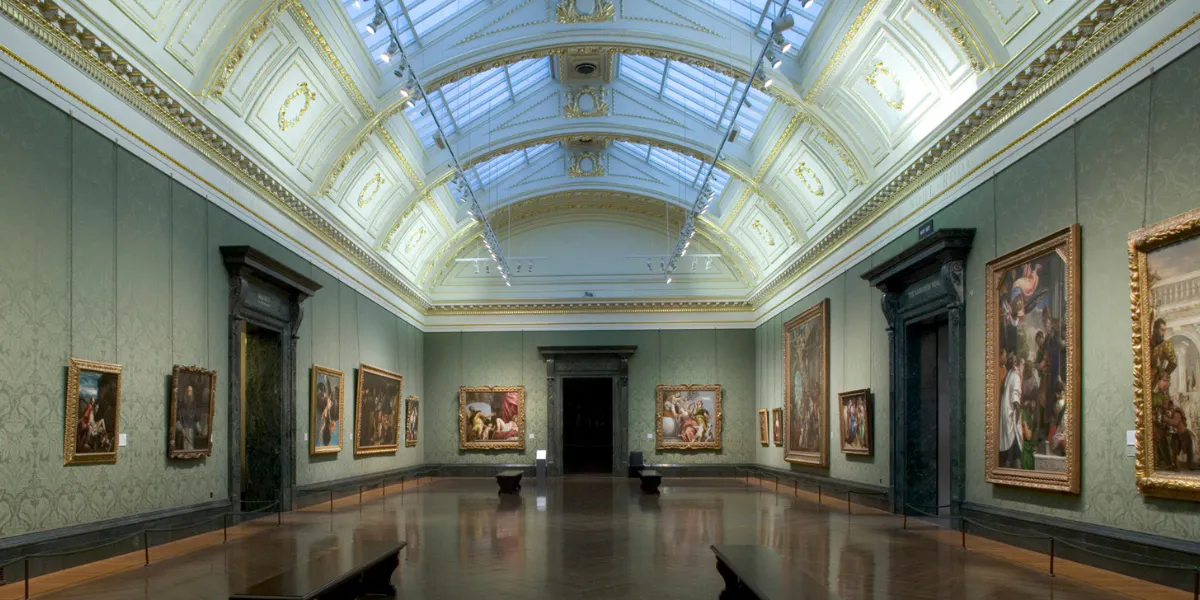
As London's National Gallery continues to mark its 200th anniversary, it has added three notable paintings to its collection: a pastel by Edgar Degas, a German Romantic landscape by Carl Gustav Carus, and a Dutch still life by Floris van Dijck. These acquisitions, made possible through a combination of legacy gifts, public funding, and sales brokered by Christie’s and Sotheby’s, reflect both the range of the Gallery’s ambitions and the collaborative role that auction houses and private donors play in expanding public collections.
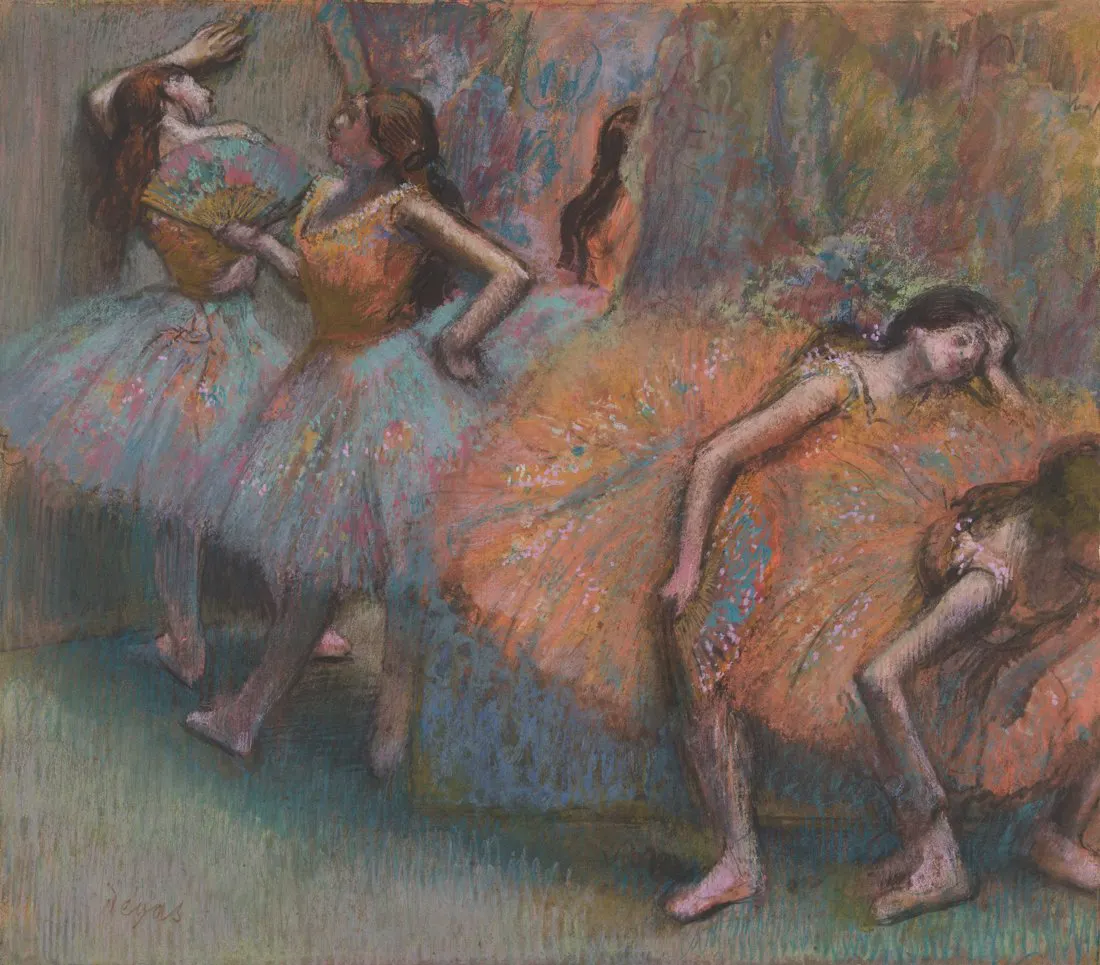
Degas’ Ballet Dancers (1888) was acquired through the UK’s Acceptance in Lieu scheme, meaning it was offered to the nation in place of an inheritance tax and allocated to the National Gallery. The pastel joins a distinguished group of works by Degas already in the collection. The work was offered from the estate of Ann Marks, a private collector and patron of the arts, settling £7.89 million in tax. The National Gallery Trust contributed £1.56 million to complete the acquisition, brokered by Christie’s, who have a separate department dedicated to servicing institutions and non-profit organisations in these matters.
See also: The Scandal Behind Degas' Little Dancer
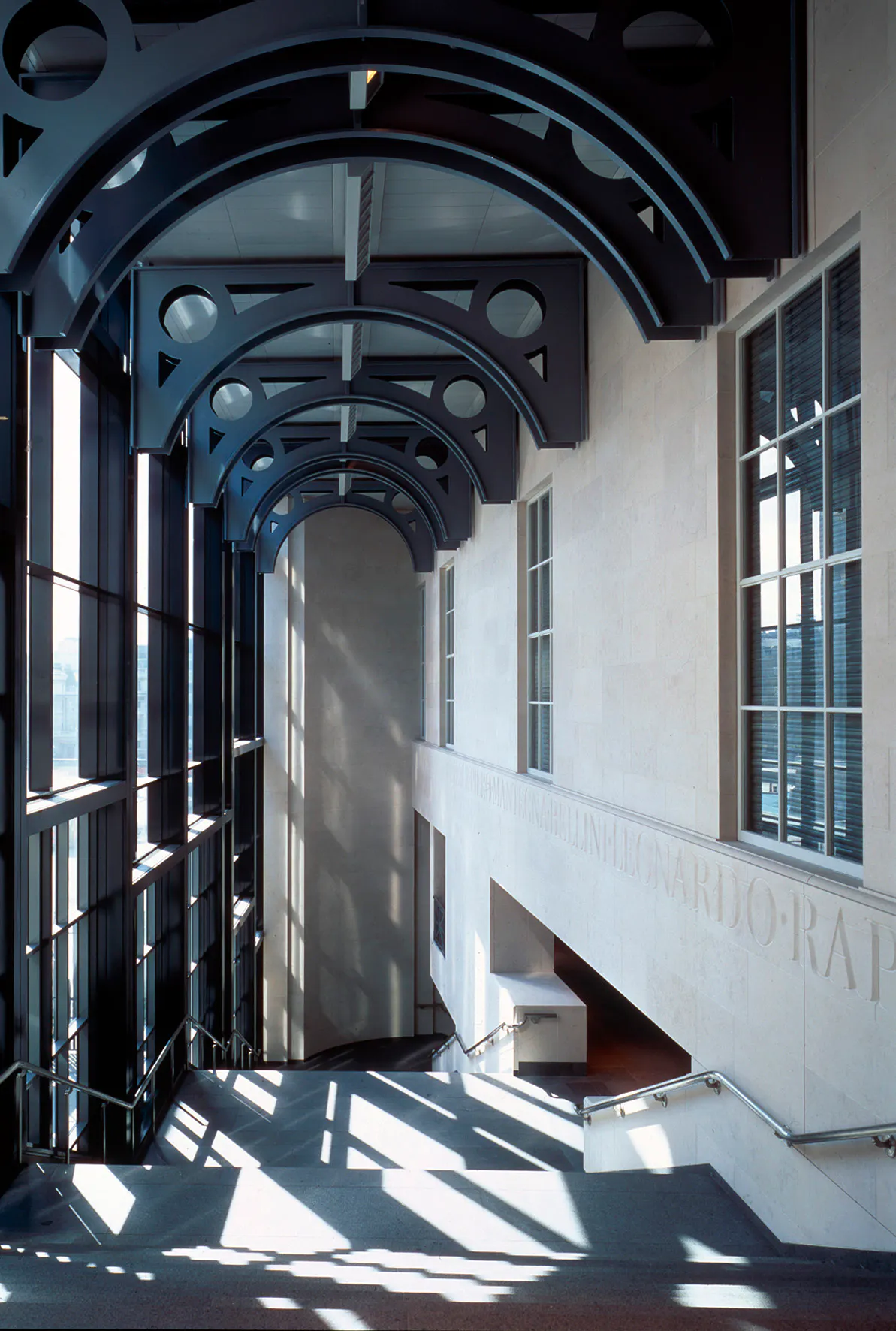
Carus’ A View of the Sky from a Prison Window (1823) enters the collection as the first work by the artist to be acquired by a UK public institution. The announcement coincided with the launch of CC Land: The Wonder of Art, a full-scale rehang of the Gallery’s collection and the reopening of the Sainsbury Wing after more than two years of renovation. The refurbishment, led by Selldorf Architects in collaboration with heritage firm Purcell, was completed earlier this spring.
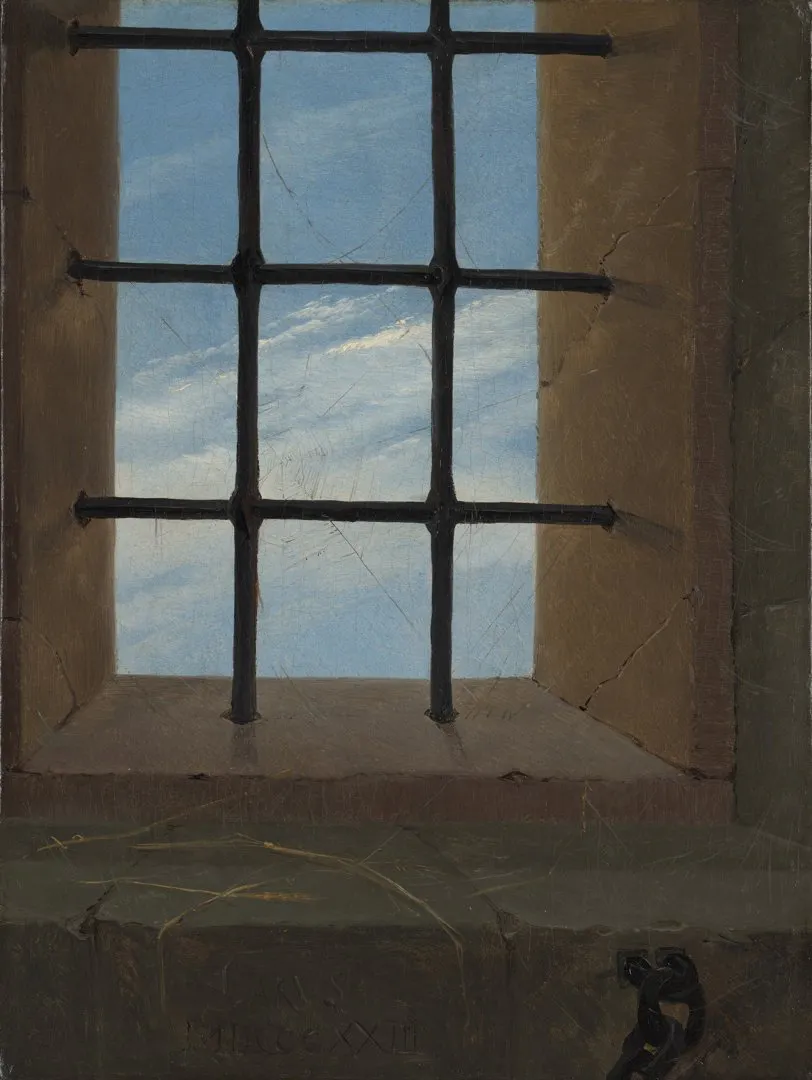
The Carus painting was purchased for £396,660 using a legacy gift from Martha Doris Bailey and Richard Hillman Bailey, long-time patrons of the arts. Influenced by the work of Caspar David Friedrich, Carus’ painting brings a contemplative tone to the Gallery’s developing collection of 19th-century German art, which also includes works by Caspar David Friedrich and Adolph Menzel .
See also: Auction Record for a Rediscovered Painting in Dresden
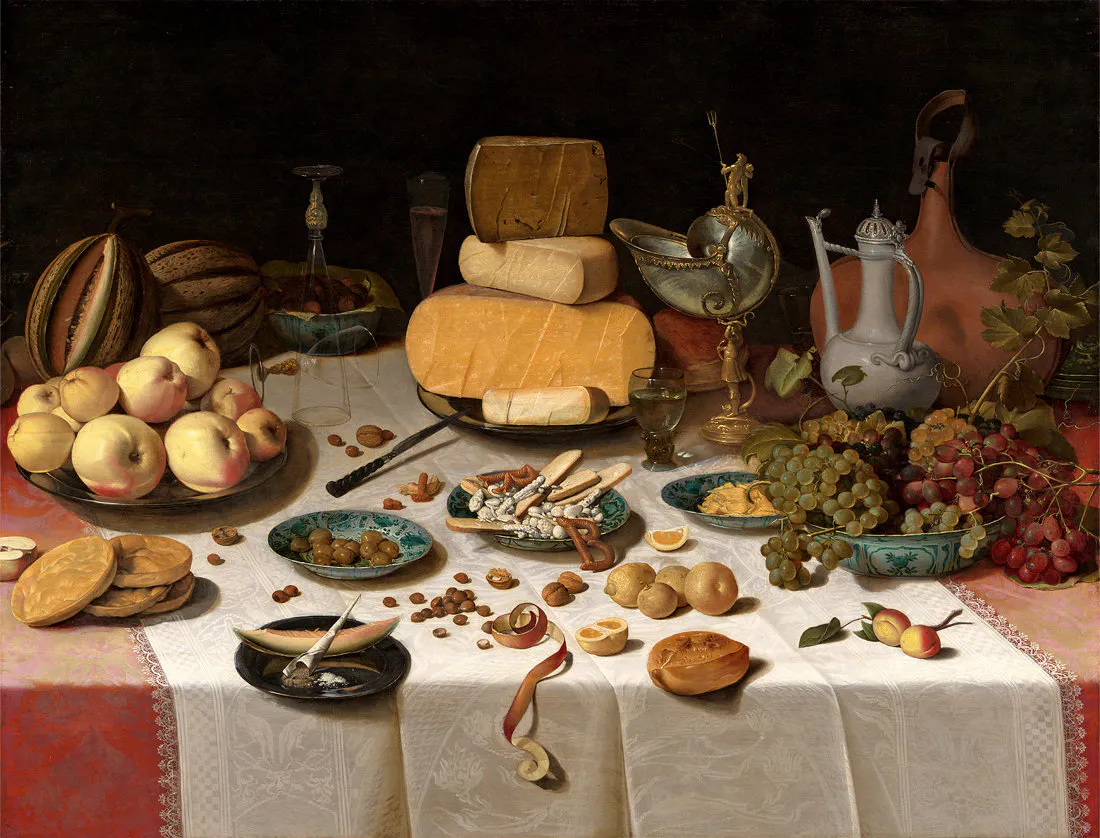
Also acquired with significant support from the Bailey legacy was Floris van Dijck’s A Banquet Still Life (1622), purchased in a private treaty sale. The transaction was arranged through Sotheby’s, whose museum services division played a key role in coordinating the sale. Additional funding came from the National Gallery Trust. At £2.9 million, the still life strengthens the Gallery’s holdings from the early Dutch Golden Age, a collection that has seen curatorial focus in recent years.
See also: 6 Iconic Dutch Paintings
All three paintings are currently on view at the National Gallery as part of its bicentenary programming. CC Land: The Wonder of Art runs through 2026 and includes a full schedule of exhibitions, lectures, and events focused on both celebrated highlights and recent additions to the collection.
Want more articles like this straight to your inbox? Subscribe to our free newsletter!
Christine Riding, Director of Collections and Research at the National gallery, said about CC Land: The Wonder of Art: "This is the first time in over 30 years that we have had such an exciting opportunity to rethink, and refresh, how we present one of the greatest art collections in the world, under one roof. Our visitors will discover anew some of the most famous and iconic works of art ever created, alongside personal favourites and recent discoveries and acquisitions."
Find more articles in Barnebys Magazine
Text written by Anna Stener.