On March 4, 1950, the Volkswagen plant in Wolfsburg celebrated the production of its 10,000th Type 1, which would go on to become a legend under the nickname Beetle. Just four days later, the Beetle gained its "little big brother," the Type 2 Transporter, which entered series production on the same day. Soon known as the Bulli, it quickly won the hearts of drivers around the world.
The idea began three years earlier when Dutch dealer Ben Pon, planning to import the Type 1 to the Netherlands, noticed the simple panel vans used to transport parts around the Wolfsburg plant. These vehicles had the engine and driver’s seat behind the loading area.
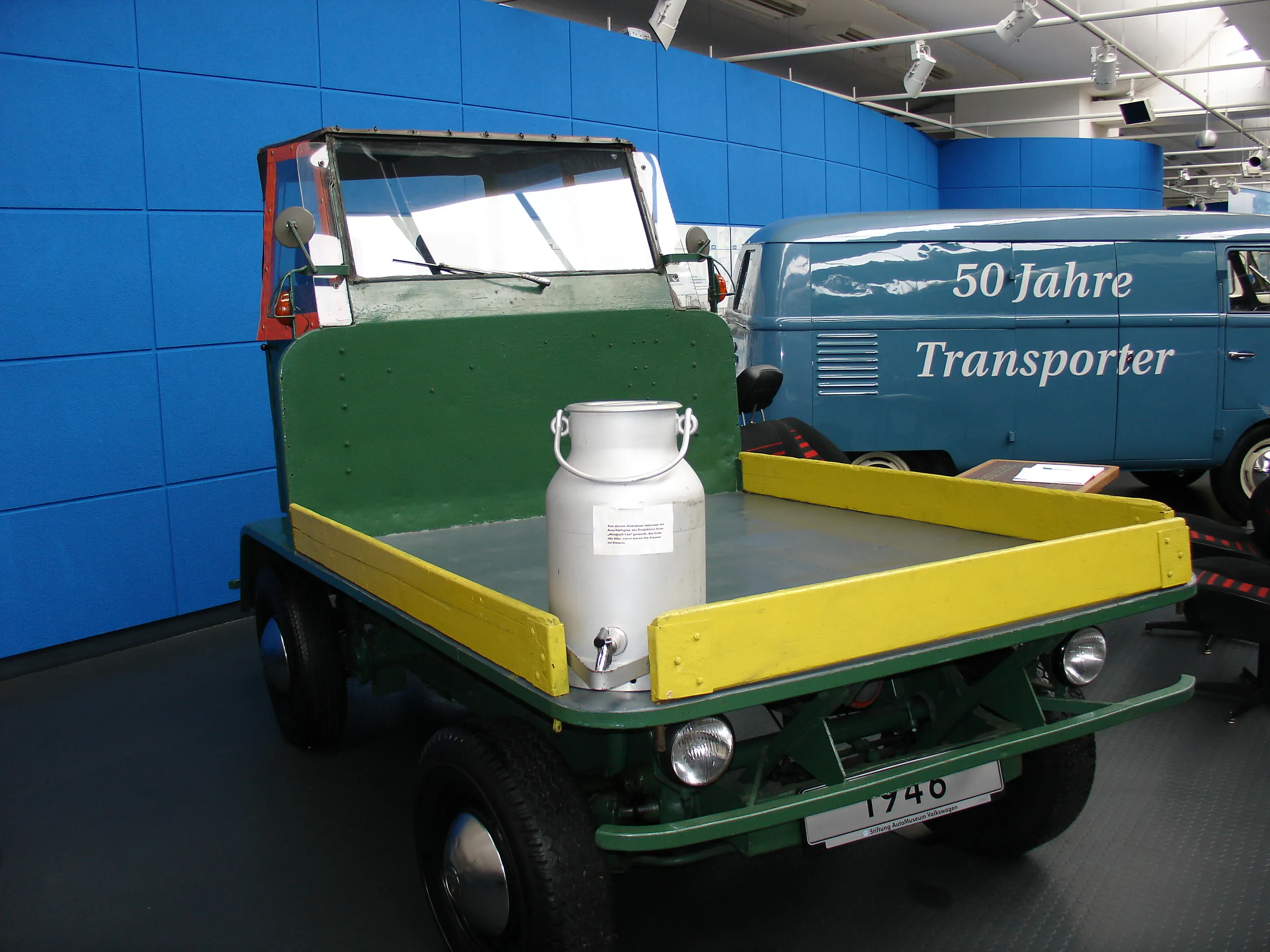
Pon envisioned a van with a rear engine, but with the driver’s seat at the front. His original sketch, dated April 23, 1947, is now part of the Rijksmuseum Amsterdam collection.
The van was to be based on the Beetle, but the Beetle could not handle the planned 750 kg payload. The issue was solved, allowing the new vehicle to be unveiled in November 1949 and enter series production on 8 March 1950, in panel van and minibus versions.
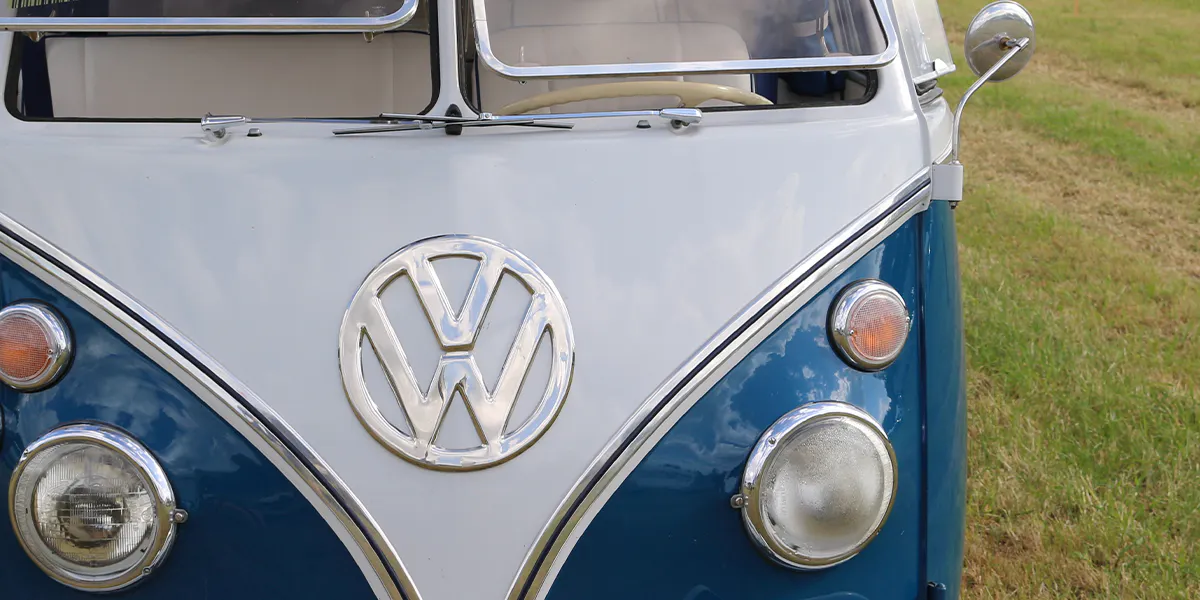
Officially called the T1, it soon earned the nickname Bulli, likely a combination of “bus” and “delivery van.” In English-speaking countries, where “bully” carries negative connotations, it was known as the Splittie because of its split windshield.
See also: 5 Italian Design Brands You Ought to Know
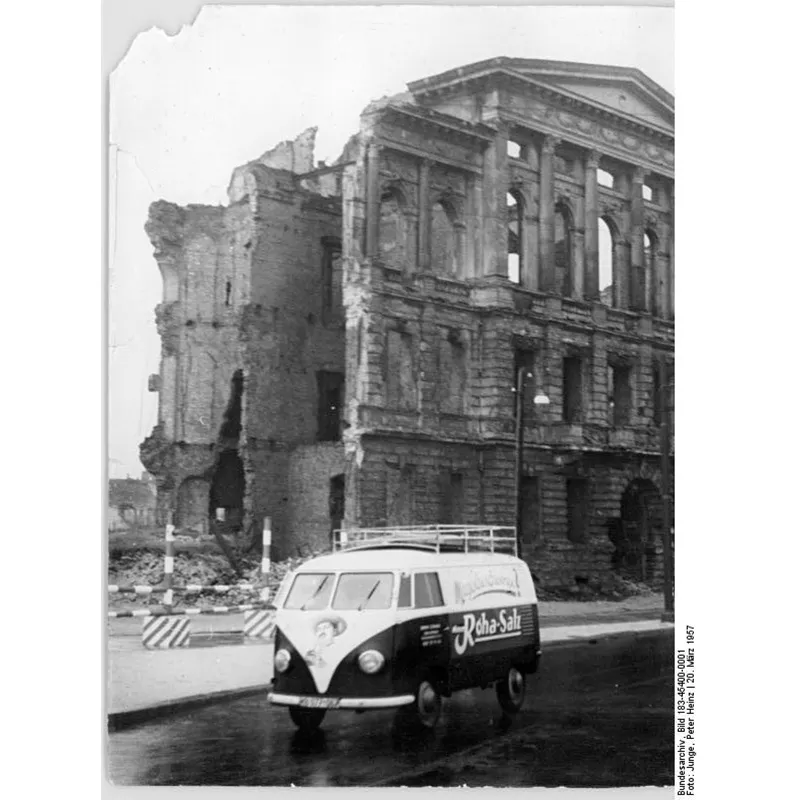
In its first year, around 8,000 T1s left the Wolfsburg assembly line; five years later, production had almost reached 50,000. This growth led Volkswagen to open a new plant in Hanover for T1 production, which surpassed 100,000 units by 1958.
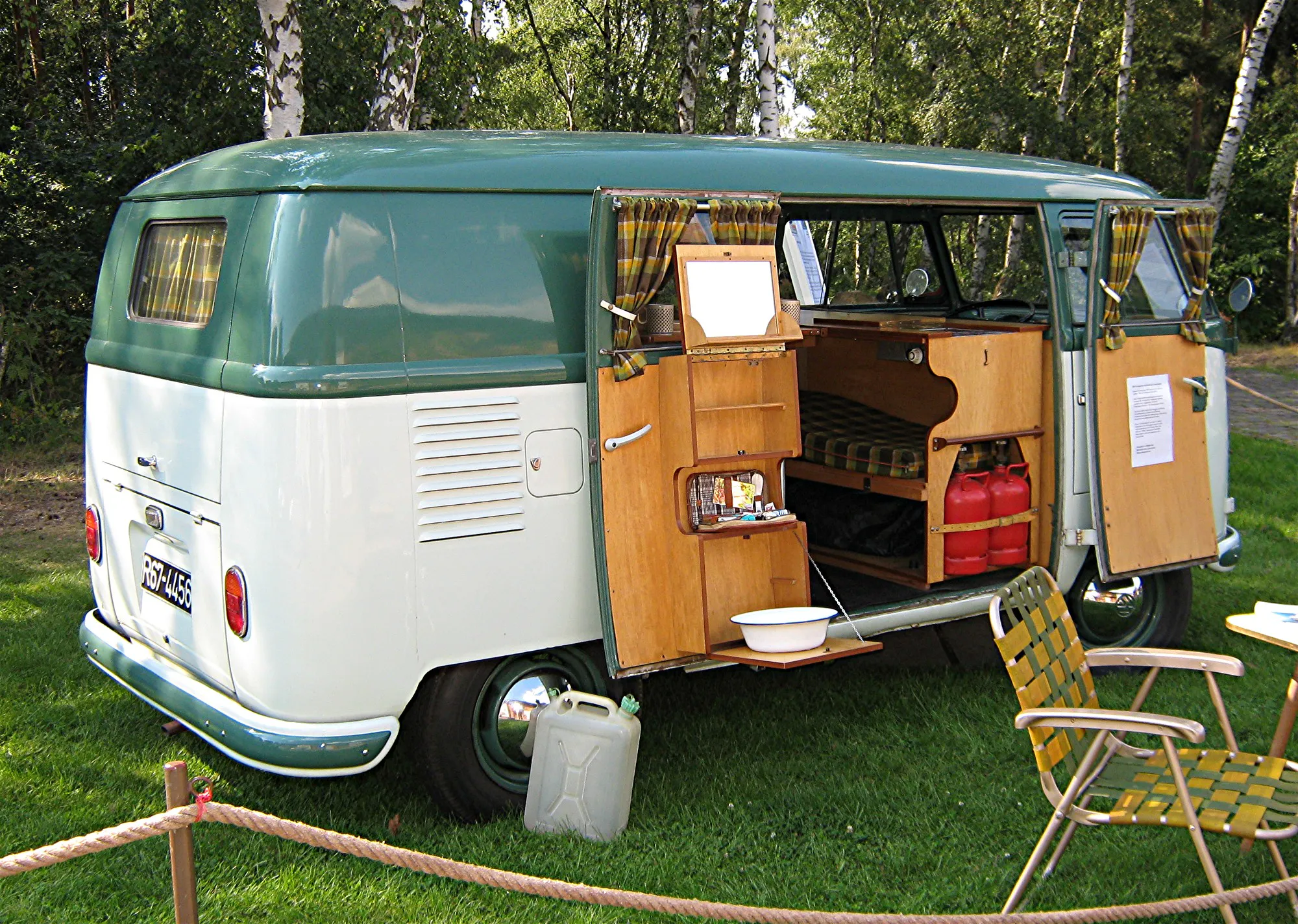
The T1’s success stemmed from its affordability — 5,850 DM for the panel van (around $22,000) and 6,950 DM for the minibus — combined with its versatility. While emergency services and postal delivery used the T1 extensively, private owners were the largest group. The van became a symbol of post-war Germany’s economic recovery, often taking families on holiday, usually to Italy. Camping equipment soon followed.
The T1 also found success abroad. Of the 62,500 units produced in 1956, more than a tenth were sold in the USA. There, the van caught the attention of the emerging counterculture. Hippies valued the T1 as a symbol of freedom rather than prosperity, cramming into it for trips to Woodstock or California. From Europe, young travellers would set off eastwards in the Bulli.
See also: Summer in the Sixties
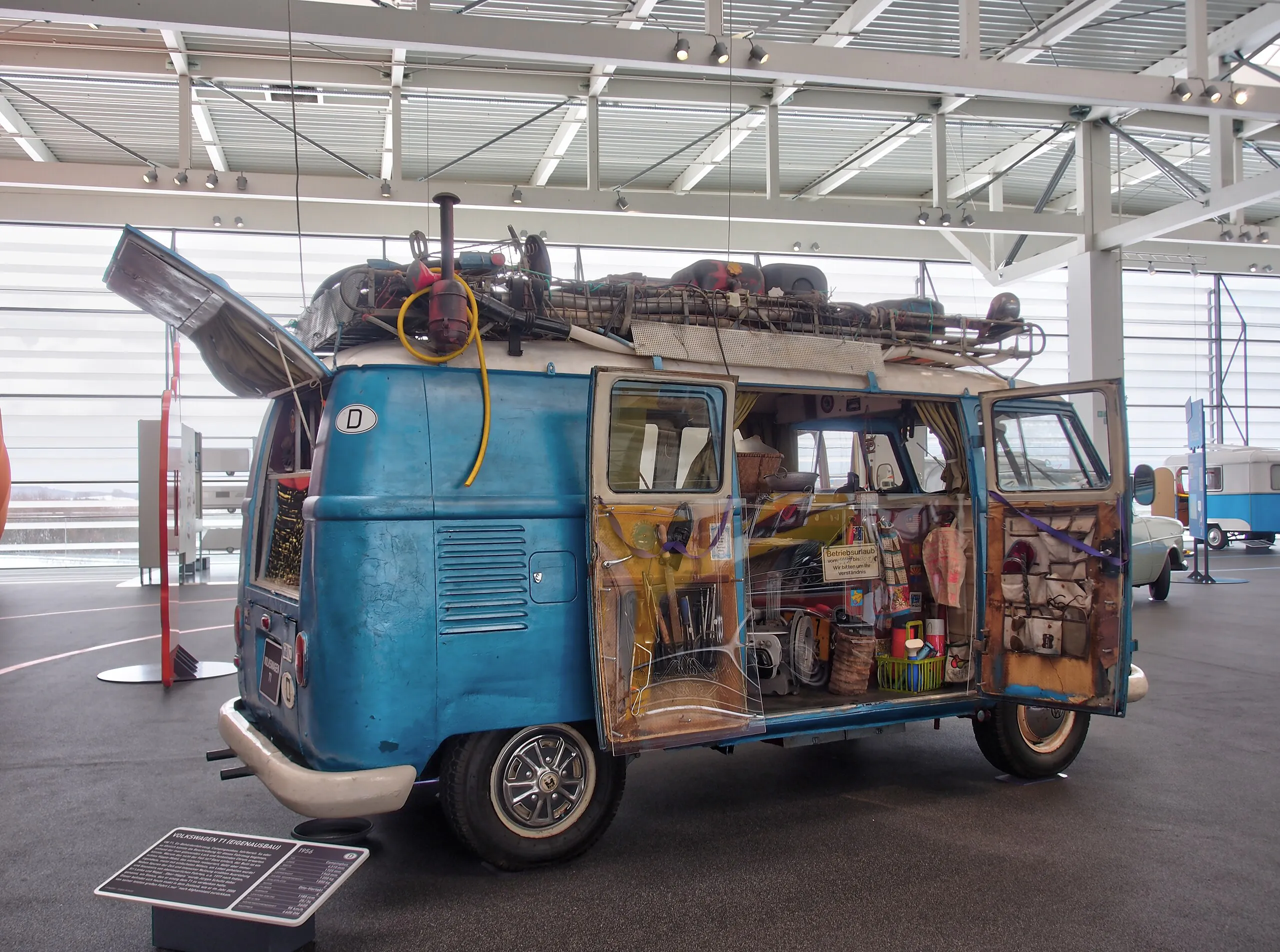
During the 1960s and 1970s, many adventurous travellers used the so-called Hippie Trail to reach Asia, passing through Istanbul, Tehran, and Kabul to destinations like Kathmandu, Bangkok, Sri Lanka, and Goa in India, where they enjoyed full moon beach parties. The Bulli was often the preferred vehicle, offering space and reliability. Hitchhikers benefitted too, as it provided ready transport. Today, the T1 is more closely associated with this free-spirited era than with the economic miracle, illustrating how it came to represent very different ways of life.
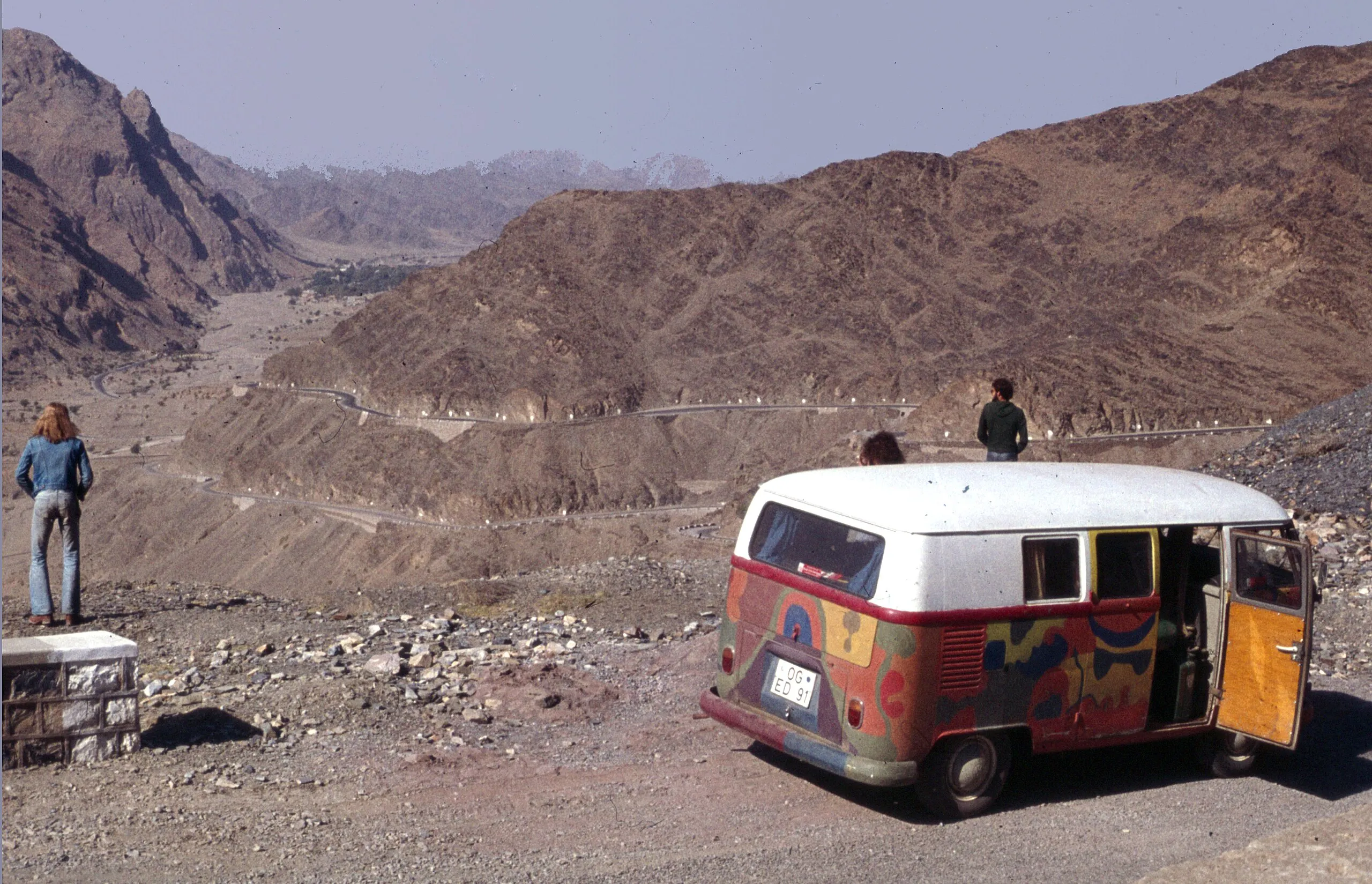
In 1962, the one-millionth T1 was produced in Hanover and donated to UNICEF in Paris; four years later, the one-millionth unit was exported. In Germany, however, production of the T1 was ending. The T2 went into production on August 3, 1967, featuring a sliding side door instead of double-leaf doors and a curved, single-piece windshield. In Brazil, T1 production continued until 1975, and a hybrid of T1 and T2 elements lasted until 1997.
See also: Porsche: The Timeless Allure
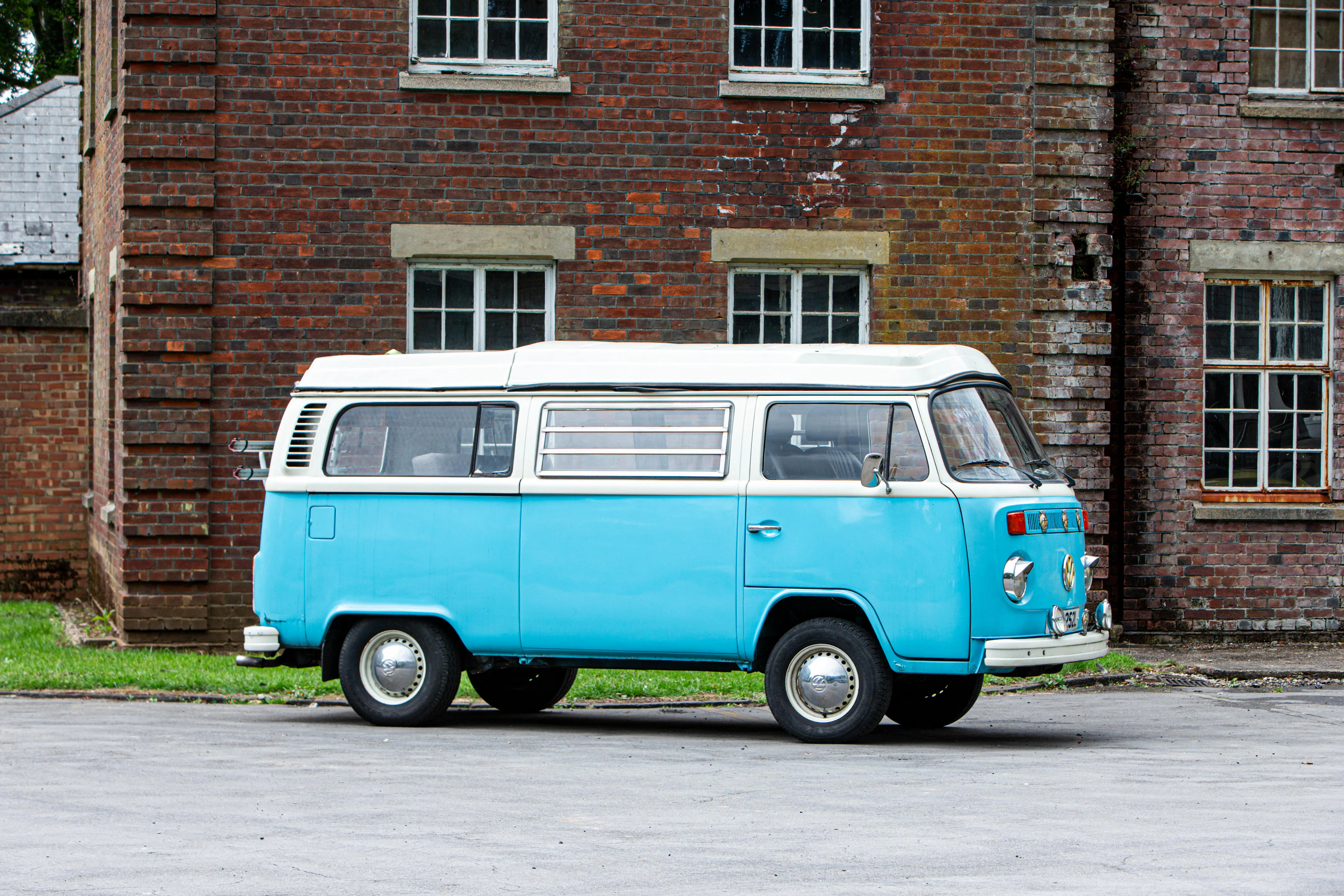
The Transporter reached its peak popularity in the early 1970s. In 1972, almost 300,000 units were built in a single year.
Want more articles like this straight to your inbox? Subscribe to our free newsletter!
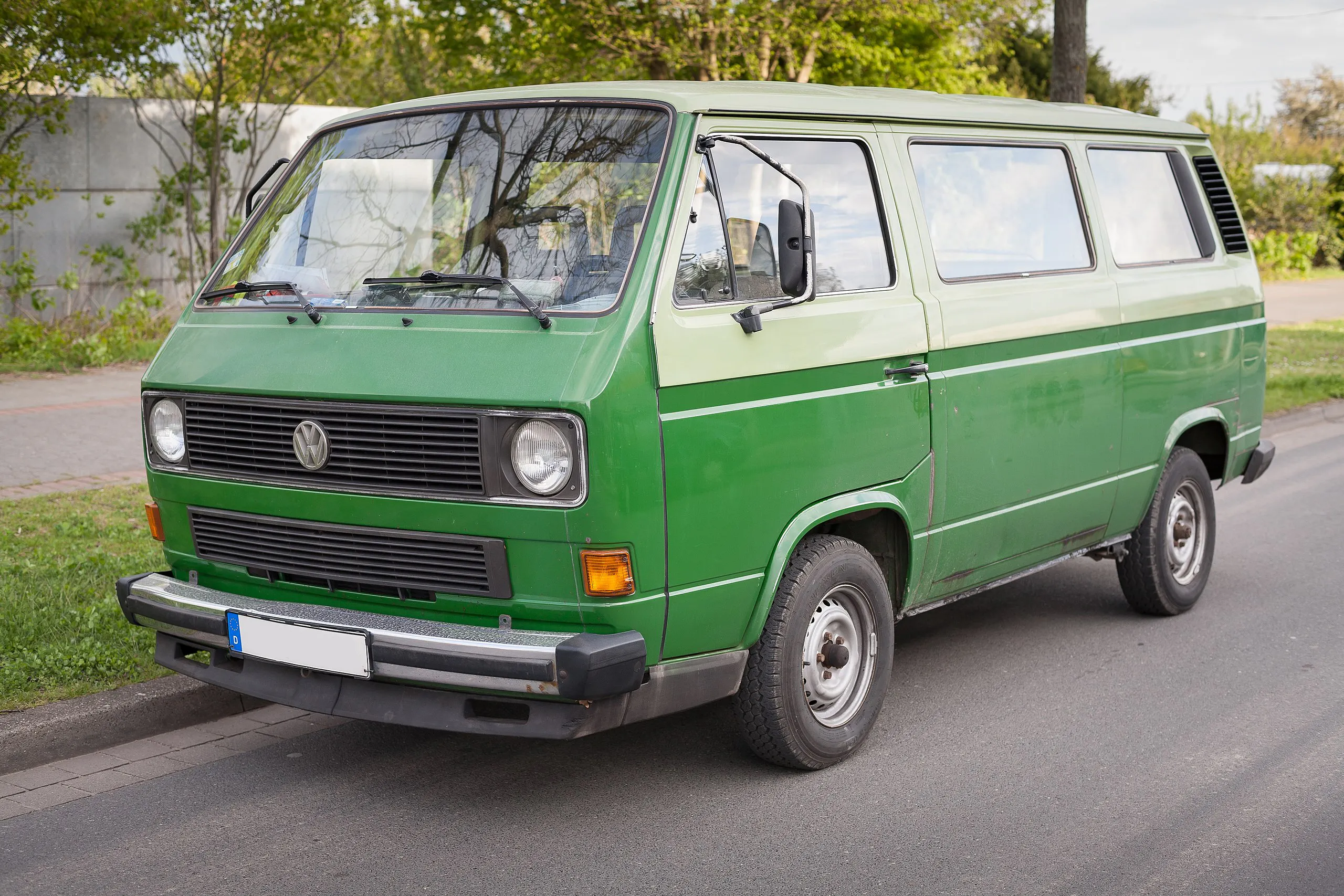
The T3, introduced in 1979, marked a turning point with angular bodywork replacing rounded shapes, continuing the design shift begun in 1974 with the Golf. This change divided opinion and signalled a new era for Volkswagen, as the Golf would surpass the Beetle in sales.
Today, the Volkswagen Transporter is in its seventh generation, still on roads worldwide. Yet the T1 holds a special place among enthusiasts. Built in Wolfsburg and Hanover from 1950 to 1967, 1.8 million T1s were produced. How many survive today is uncertain, but owners maintain them with care and proudly display them at annual gatherings. For those seeking one, auctions and specialist dealers are the main sources, though prices in good condition often reach mid-five or six figures.
See also: The 10 Most Expensive Classic Cars Ever Sold at Auction
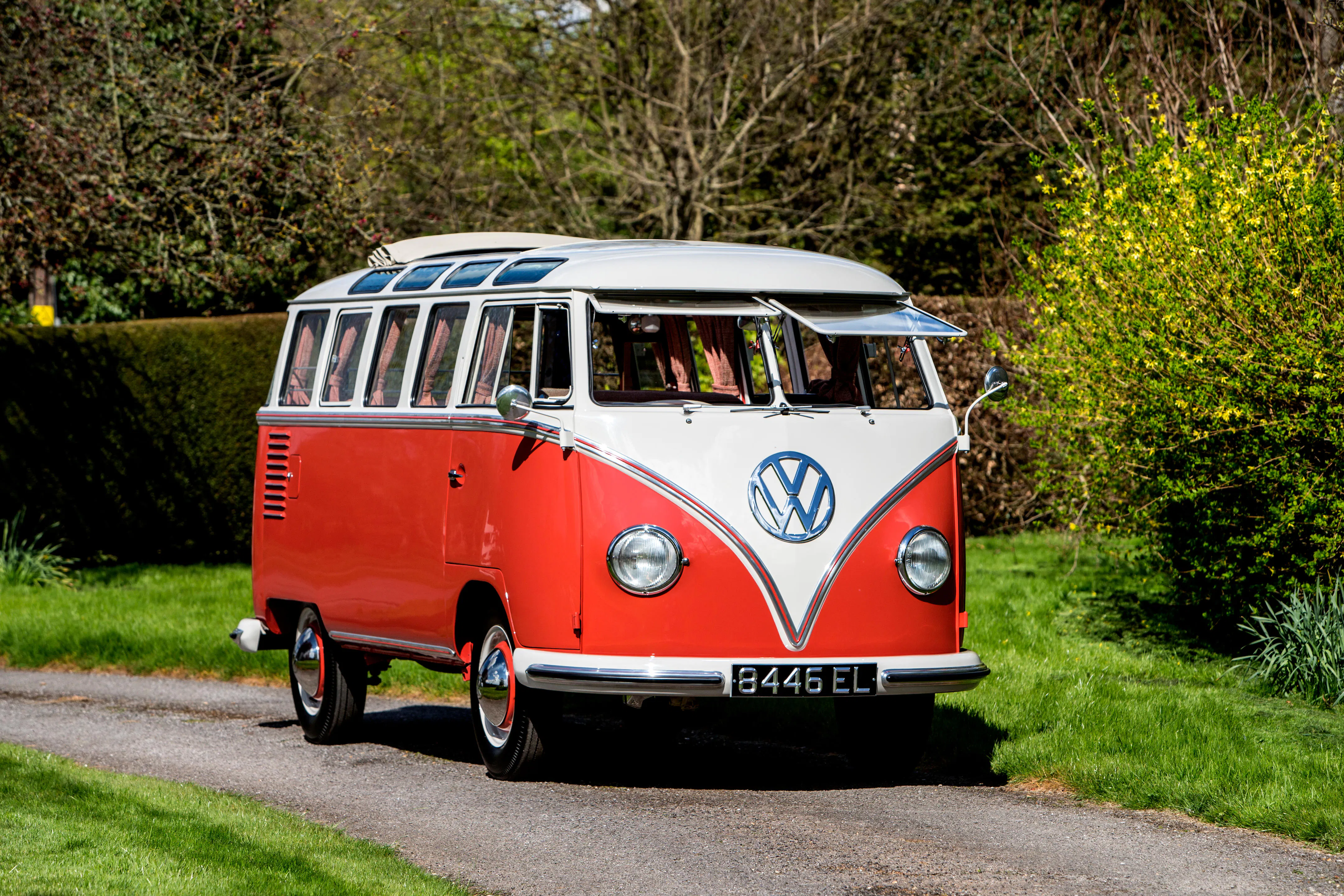
Particularly prized is the Samba, a luxury T1 first presented at the 1951 International Motor Show. The origin of the name is unclear, though it may be an acronym for “special version with special features.” In English-speaking markets, it was called the Microbus Deluxe. Designed for eight passengers, the Samba stands out for its numerous windows (initially 23, later 21), chrome trim, and a folding sunroof over the passenger area. The most expensive T1 sold at auction to date is a 1965 Samba, fetching $302,500 at Barrett-Jackson in Scottsdale, Arizona, in 2017.
Collectors can simplify their search by registering with Barnebys and setting up a free search alert. When a matching lot appears, an email notification is sent, helping enthusiasts track the rare T1s that come to market.