
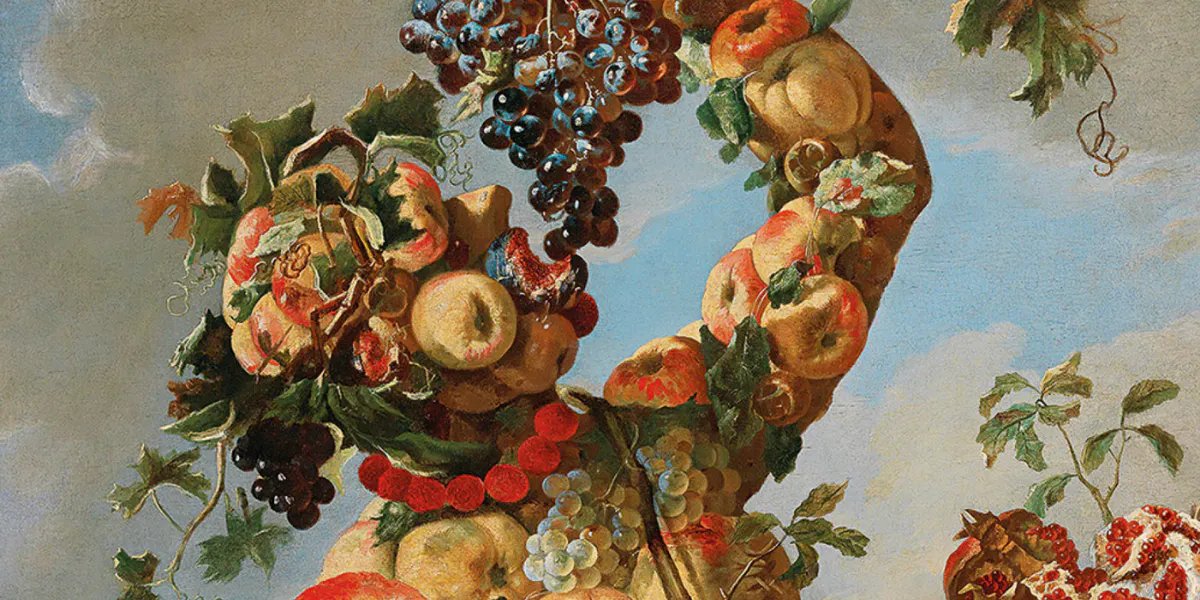
The artist Giovanni-Paolo Castelli, known as Lo Spadino, is considered to be one of the most important representatives of the Roman still-life school of the late 17th and early 18th centuries.
Born in Rome in 1659, Lo Spadino learned still-life painting from his older brother Bartolomeo. He was initially influenced by the Flemish masters, known for their sumptuous still lifes of flowers and fruit, and particularly Brueghel, whom he knew well. Lo Spadino developed his own style of still life, a highly theatrical Baroque style in which nature is depicted in vivid colors to give life to masterly paintings. It is likely that Lo Spadino, through his appropriation of the Flemish style, played an important role in the development of certain ideas and techniques that made the Flemish masters such as Frans Werner Tamm, David de Koninck and Christian Berentz famous.

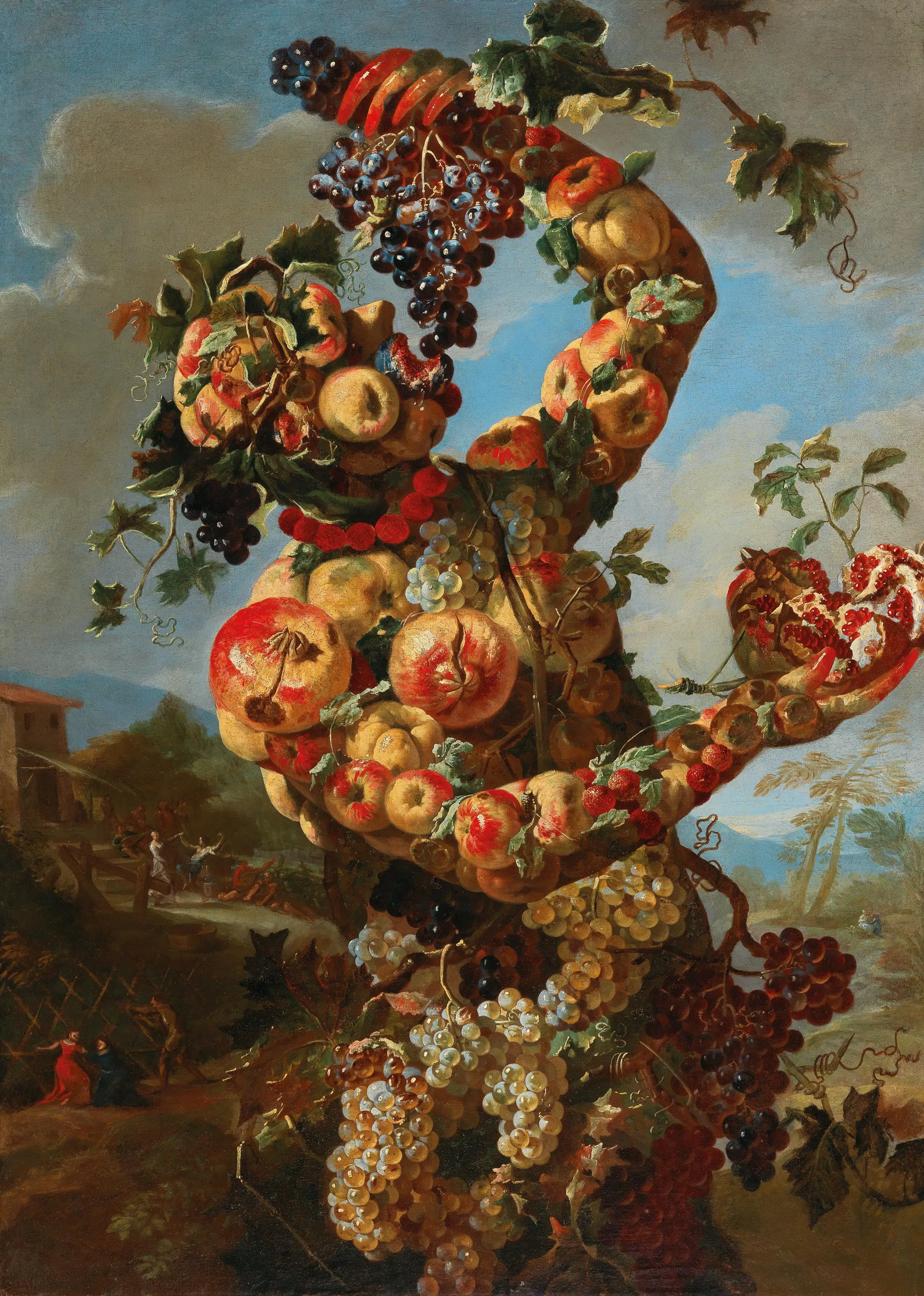
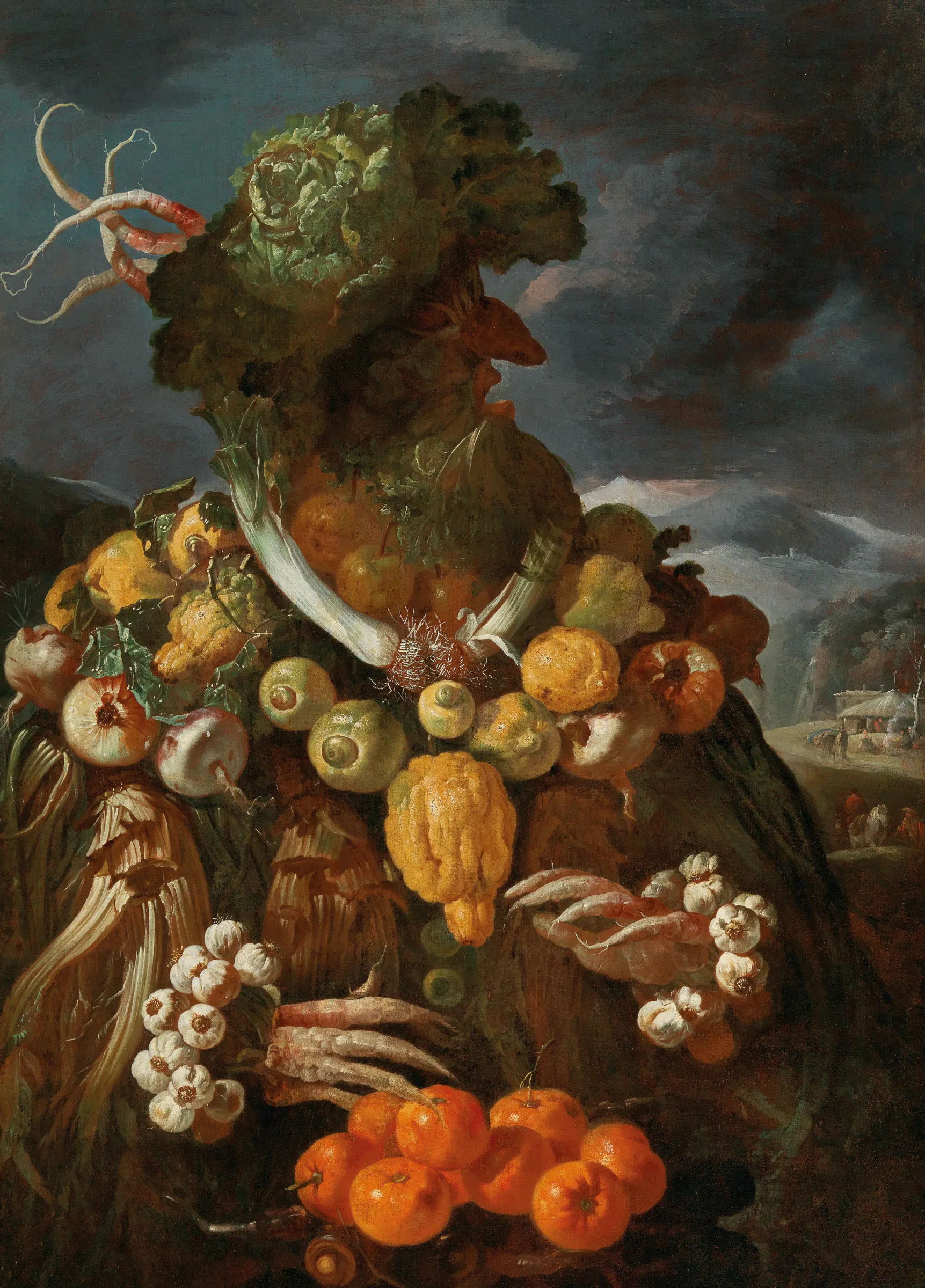
Lo Spadino's works are impressively modern. They represent the human form through nature and personify the four seasons.
Related: Dusty Painting in a School Identified as Dutch Masterpiece
The allegory of spring, composed of seasonal flowers, is represented by a young female figure, isolated like a statue in an elegant garden, with courtly figures in the background.
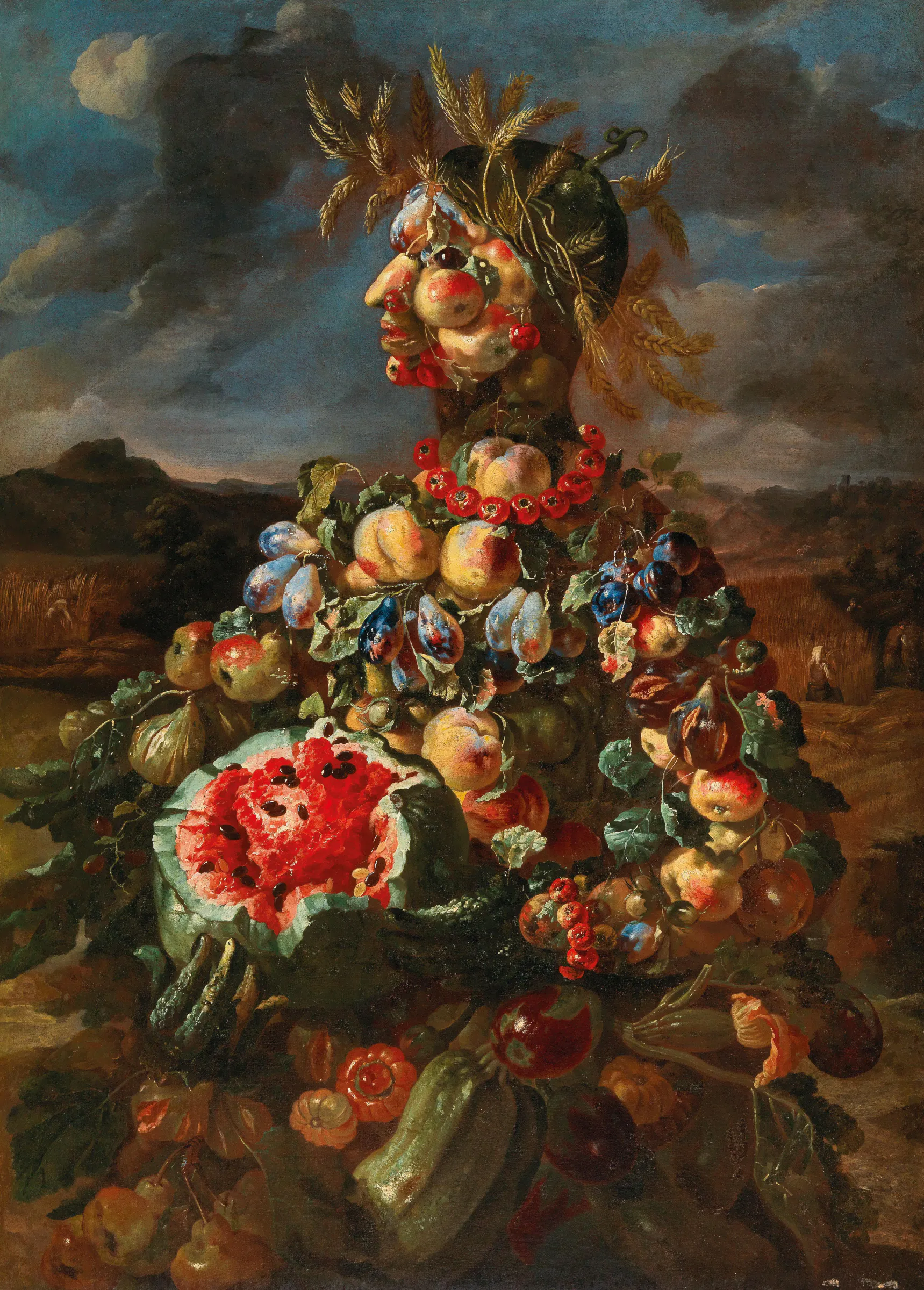
Summer, with its ripe fruit and wreath of corn on the cob, is also represented by a female figure at the center of a landscape dried out and yellowed by the sun.
Related: 8 Artworks to Inspire You to Cook
Autumn, on the other hand, is represented by a dynamic male figure holding a bunch of grapes to his mouth, with dancing figures in the background, celebrating a fruitful harvest.
Finally, winter is represented by the figure of an elderly man, in profile, with cabbages, leeks, citrus fruits and other seasonal vegetables, while in the background, under a low, dark sky, people return to the shelter of the fire.
Want articles like this delivered straight to your inbox? Subscribe to our free newsletter!
A leader in still life painting in the late 17th and early 18th centuries, the pictorial style of these anthropomorphic allegories suggests that the series was produced in the middle of the artist's career, towards the last decade of the 17th century.
Related: Frans Hals: The Master of Portraiture
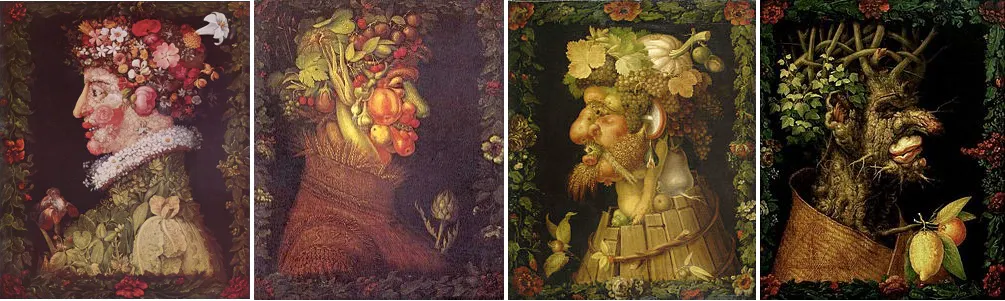
The works are strongly reminiscent of The Seasons, a series of four paintings by Giuseppe Arcimboldo in 1563, 1572, 1573 and 1569. They were presented to Maximilian II Emmanuel of Bavaria in 1569, along with The Four Elements (painted in 1566).
Related: The $26-Million Strawberry Basket
Over the last ten years, prices for his works have on average doubled at auction.