
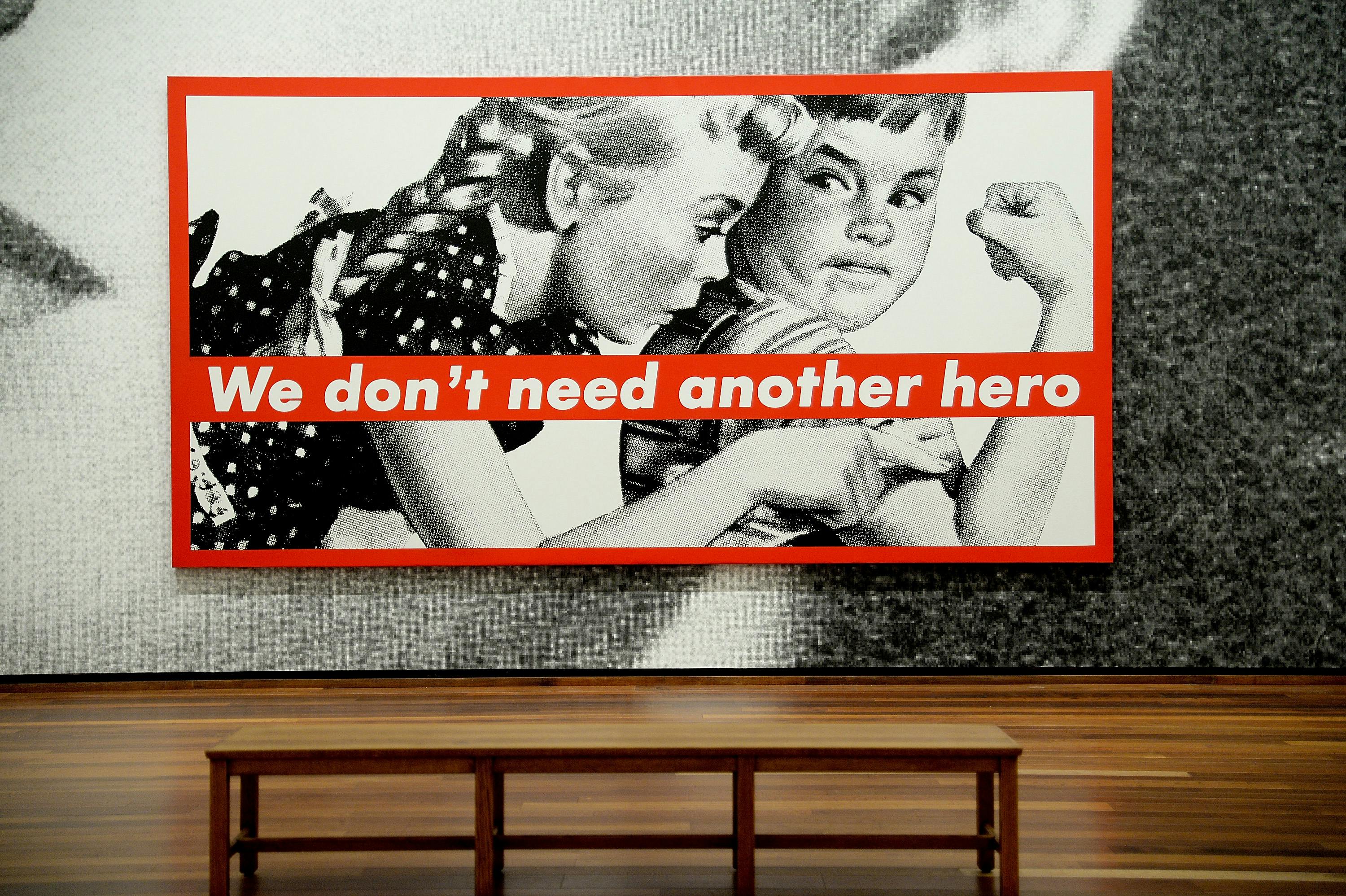
Barbara Kruger (b.1945) grew up in a working-class family in Newark, New Jersey. In her early years, she was surrounded by poverty and extreme racial segregation, which later greatly influenced her artwork. In a rare interview with Art21, she stated that her childhood years made her very aware that “where we’re born, what we are given, and what is withheld from us determines who we can be in the world.”
After finishing high school, Kruger went on to study at Syracuse University but dropped out when her father passed away. Her choice to leave Syracuse University and attend Parsons School of Design in 1965 enabled her to meet photographer Diane Arbus and graphic designer Marvin Israel, who encouraged her to perceive art and its presentation differently.
Kruger left Parsons after only one year and began working as a building clerk and then a telephone operator after which she started an entry-level design role at Condé Nast for the magazine Mademoiselle. Only a year later she was made the magazine’s head designer. It was her responsibility to crop pictures and choose fonts, which strongly influenced her later works and also made her realize that this was not a career path for her as she found it difficult “supplying someone else’s image of perfection."
Related: Feminism Captured: 9 Historic Photographs
Her first works of art differed greatly from her later, more well-known works. At the beginning of her career, she focused on working with textiles, yarn, and other crafting materials with which she created large wall hangings. In 1977, aged 32, the artist began taking photographs of architecture. From these images of housing exteriors, she created a book that also contained imaginative texts about the people that live in them.
These are just ideas in the air and questions that we ask sometimes – and questions that we don’t ask but should.
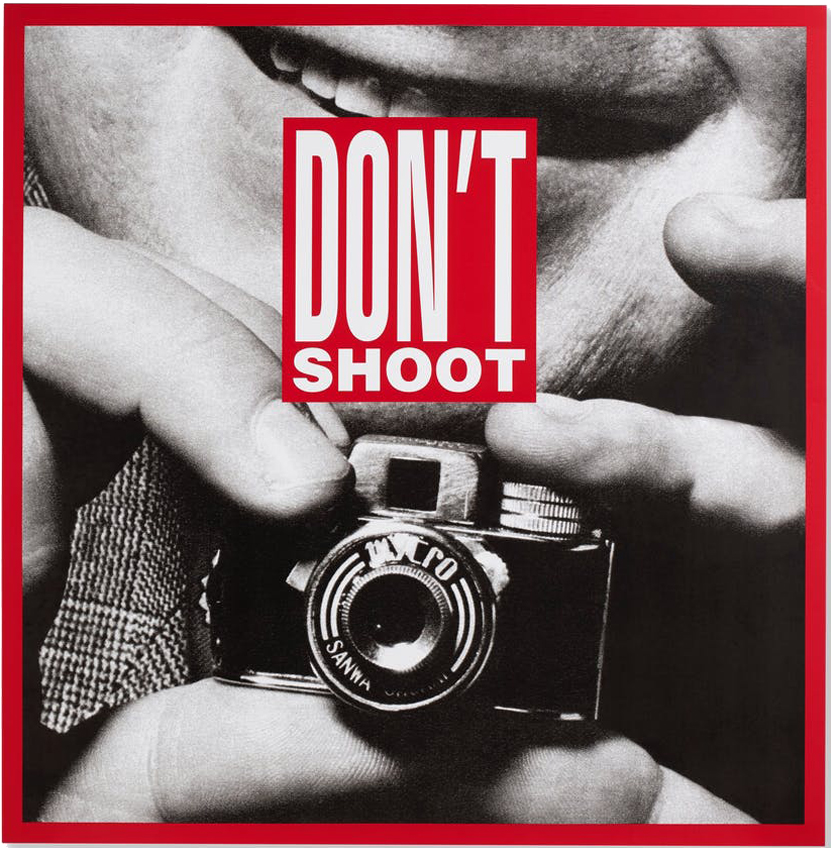
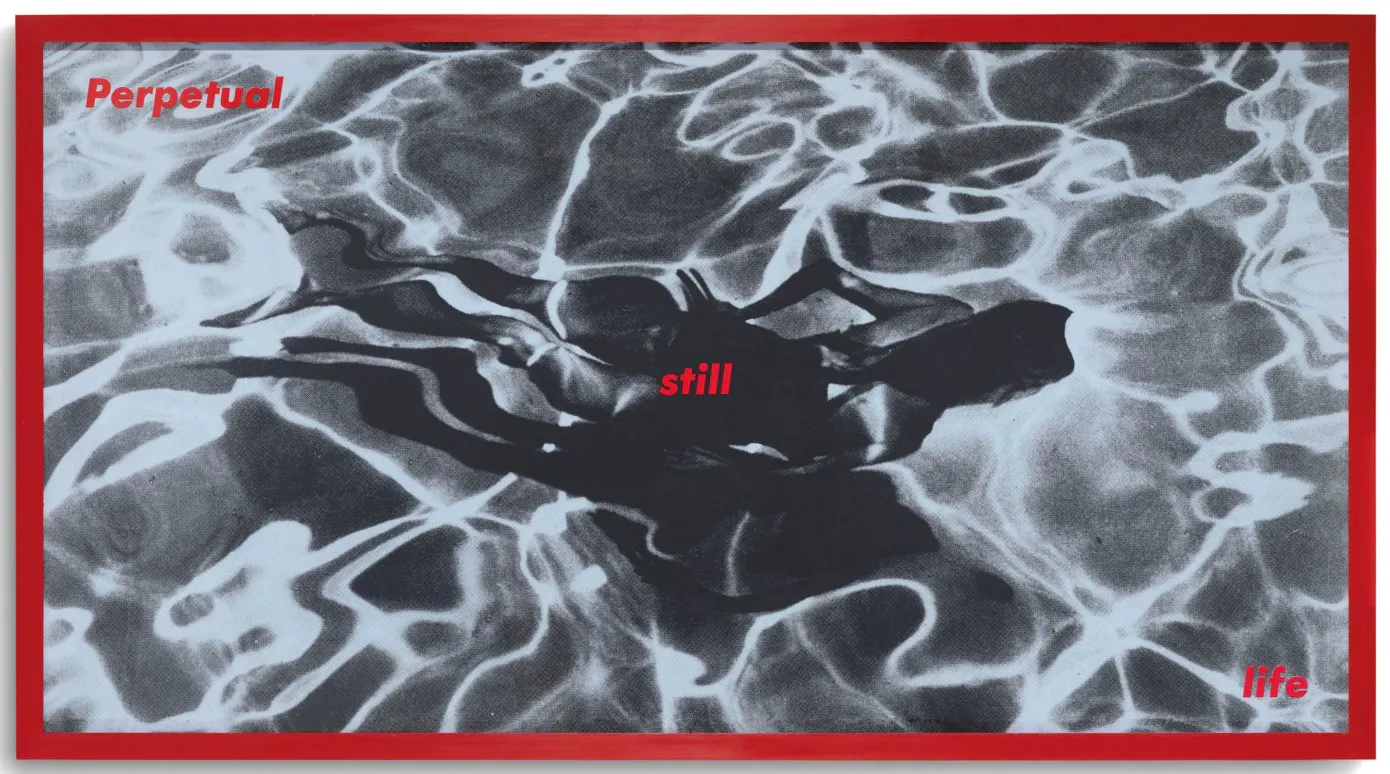
Kruger began working with ‘found’ images from magazines and other sources in 1979 and added text collages to these, melding the familiarity of advertising and commercialism with gallery art. It was the beginning of her signature style that soon became recognizable across the world.
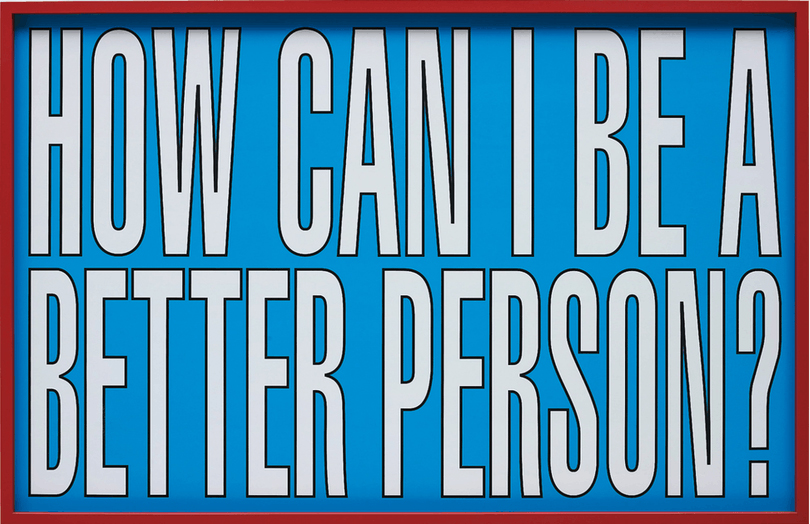
Her well-known works resemble advertising posters of the ‘80s, with images and texts intended to provoke the viewer – also why she chose the color red that outlines the slogans, as it captures one’s attention. Through her art, she addresses issues about power, value and consumerism, while making it wholly available to audiences, who needn’t understand the deep codes that accompany most lauded art.
Related: The Female Look: 11 Women Who Changed Photography
She aims to stimulate and further unnerve the viewer with uncomfortable questions. When asked about the phrases she prints across the images, Kruger stated in her interview with Art21: “These are just ideas in the air and questions that we ask sometimes – and questions that we don’t ask but should.”
It is her aim to involve the viewer in social and political problems affecting our current societies. Recently, Kruger revisited her well-known work Your Body is a Battleground (1989) when the right-winged Polish government decided to restrict the already tough abortion laws within the nation. The new law caused an uproar and massive protests and Kruger’s poster became a visual reminder of the oppression women experience every day. Kruger told The Art Newspaper that “the urgent and brave protesting of marginalized, disempowered and newly empowered bodies is an insistent threat to the dominant and extremist choreographies of religion, power, and politics in Poland. The brazen hypocrisy of the Church and its predictable fist-bumping with the political right make for a grotesque dance of male bonding and resolute abuse of power.”
Related: The Dinner Party: A Table for the World’s Most Influential Women
It was not the first time that Your Body is a Battleground was used against the abuse of power and the discrimination against women. Kruger first printed the image almost thirty years prior for the Women’s March in Washington, DC. The fight for women’s rights is still a concern to this day and Kruger called this never ending battle “tragic” but also “predictable”.
The image of the female face and the large writing highlights the societal and political suppression women still experience to this day. However, it also stands for the continued fight against these struggles and the empowerment of women and their bodies.
She also graced the cover of the 2016 New York Election Issue with a close-up image of Donald Trump and the word LOSER written in bold letters across it, making a strong political stand against the future president of the United States.
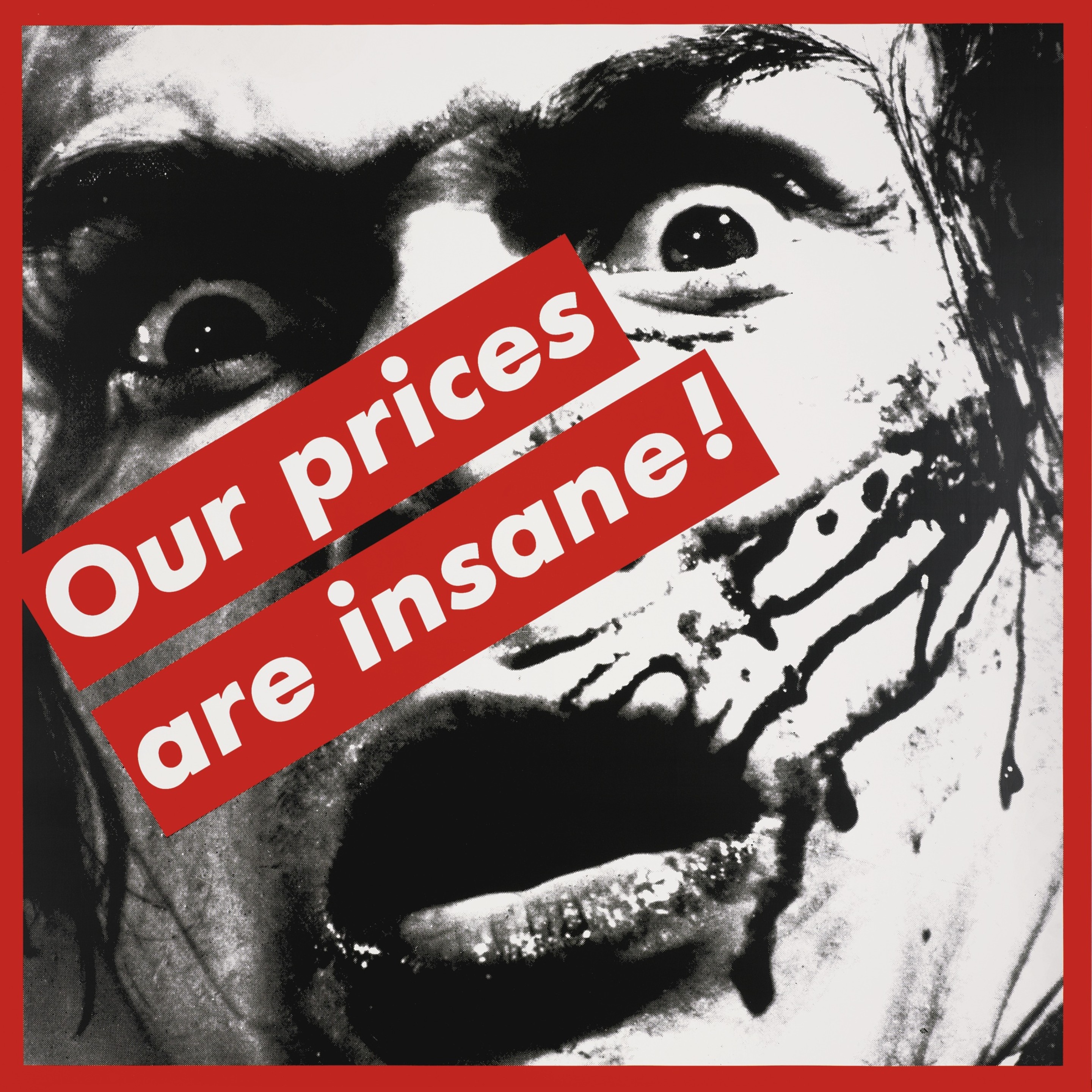
Kruger has impacted the art world with her politically-charged slogans, which can be seen in skater parks, biennales and museums, and which even inspired the logo of brand SUPREME. Today, her works are displayed in institutions such as the Broad, LA, MoMA and the Guggenheim. Her distinctive work and empowering feminist views have also made her a desired teacher of the arts. She is a distinguished professor at the UCLA Department of Art, where she shares her knowledge with future artists.
Kruger’s large-scale images have also found success in the auction world. Her Untitled (When I hear the word culture I take out my checkbook) (1985) sold for a cool $902,500 in 2011 at Christie’s. More recently, Untitled (Don't Shoot) (2013) sold in 2020 for $675,000, also at Christie’s.
Find more news from the art world with Barnebys Magazine
Article by Sophie Bubmann