The fish at the stalls are sold one by one, the process like a visual and sound show where participants wear a cap, on which their name appears, and bid by a subtle gesture that the auctioneer of the sale detects in the moment.
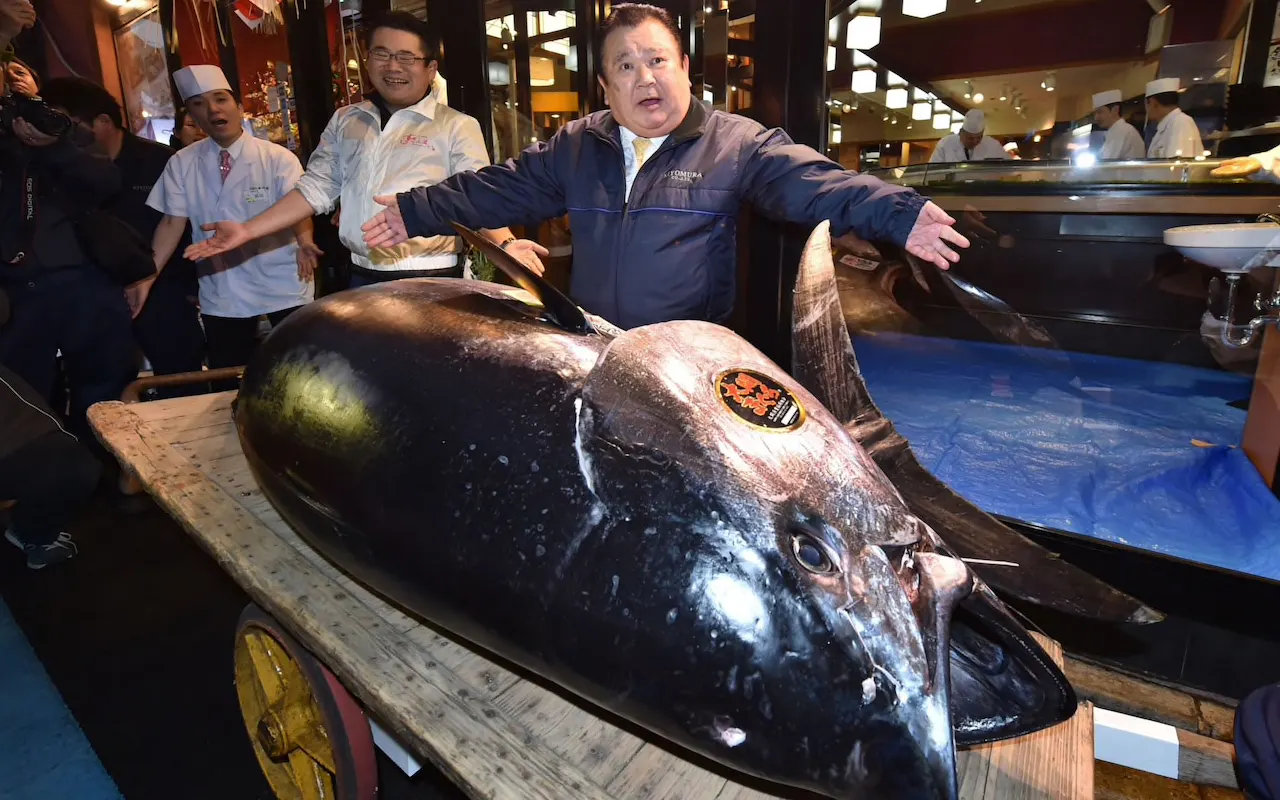
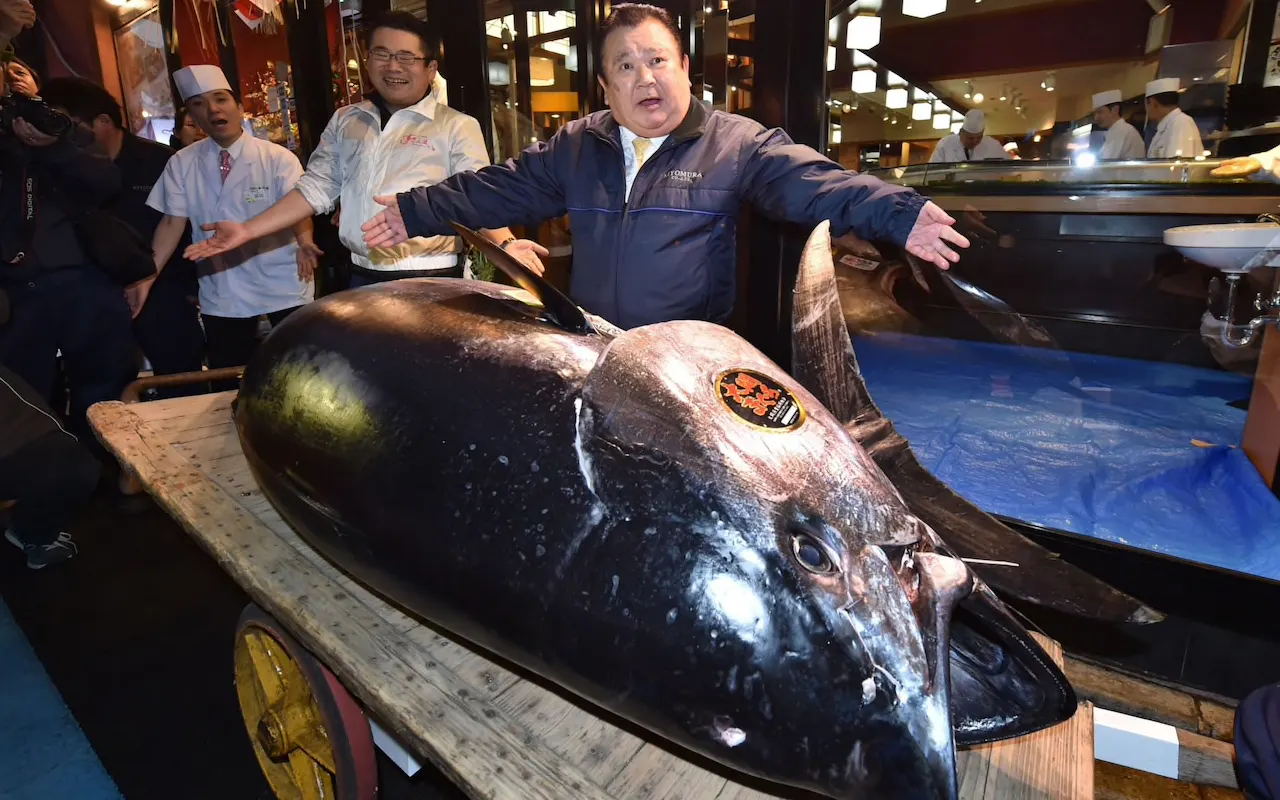
The star of the auction was a 600-lb bluefin tuna caught off the Amori prefecture, which sold for $3 million, a new record. The buyer was Kiyoshi Kimura, the owner of the Sushi Zanmai restaurant chain. "It's a nice tuna, more expensive than expected," he said. Kimura is no stranger to record prices, since he held the previous tuna record for a 490-lb tuna which sold in 2013.
One of the reasons for this high price, according to Kimura, is because there are fewer fish available now compared to the Tsukiji market, plus a tuna of this size and quality is rare (it amounts to approximately 12,000 pieces of sushi).
"I hope that the first New Year sale that is generating immense interest will become a symbol for the year of enthusiasm in this Toyosu market," said Tokyo Governor Yuriko Koike.

Moving the market from Tsukiji's premises hasn’t been easy. After 80 years of history, and a stormy debate lasting several decades, the Tokyo municipality made the decision to close the site of Tsukiji. Some vendors have long opposed this change, going so far as to resist at the inauguration of Toyosu by selling their cargo in front of the closed gates of the old site.
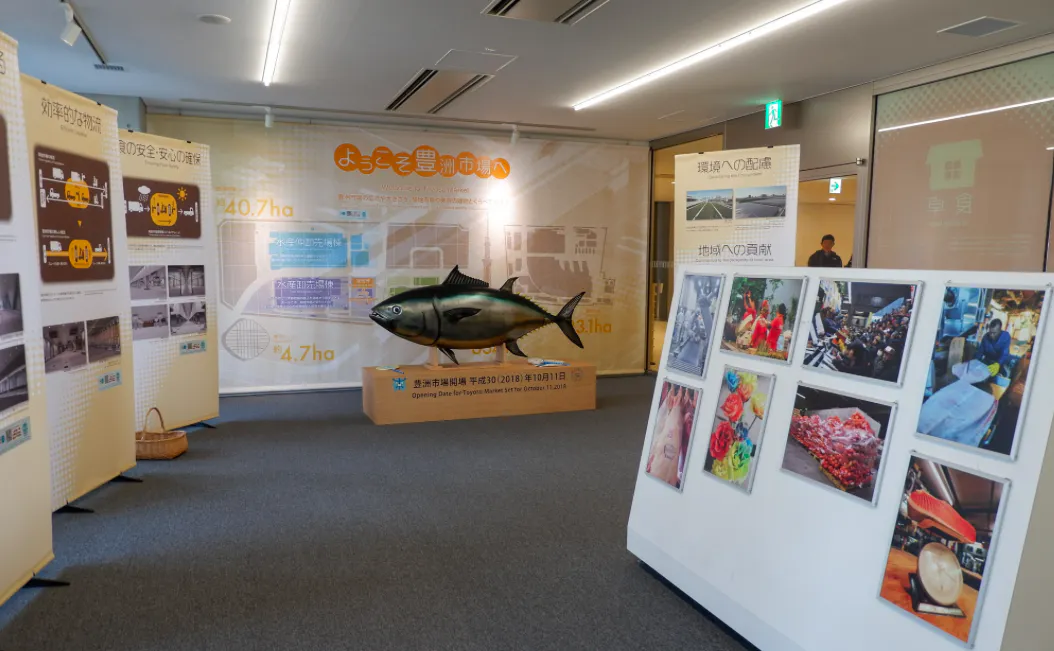
This auction of tuna had made the new place famous, and although reserved for professionals, more and more tourists come to watch the show, enjoying the pleasure of wandering around this popular spot which is representative of Tokyo culture.
The Toyosu project was delayed several times due to possible contamination of the site's water and subsoil, as it’s built on the remains of a former gas plant. The government eventually agreed, although the problem continues to worry many.
Even if the elders can’t help but compare the new market with its predecessor, this record sale has certainly led to press and excitement about Toyusu.
Tuna is prized around the world, especially for sushi, but experts have recently stated that due to increasing demand in recent years, the species is now in danger.