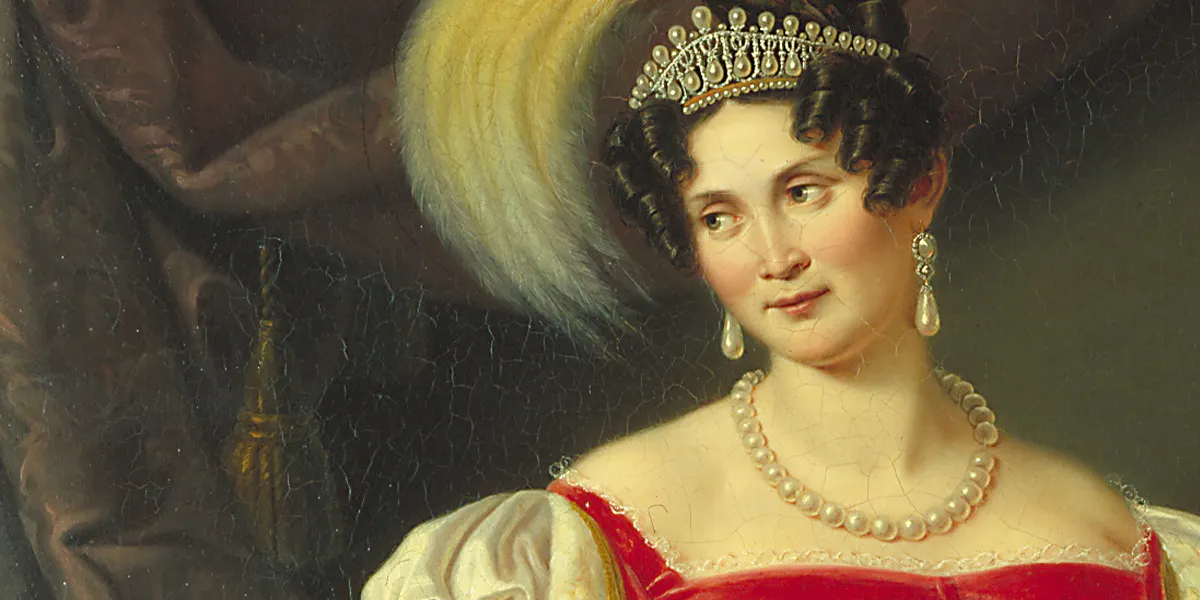
In 2015, the then-Duchess of Cambridge drew attention at a diplomatic reception when she appeared wearing a distinctive tiara not seen on a member of the royal family for nearly two decades: the Lover’s Knot Tiara. The piece had previously been worn by Diana, Princess of Wales, on numerous occasions before it was returned to Queen Elizabeth II following Diana’s death in 1997.
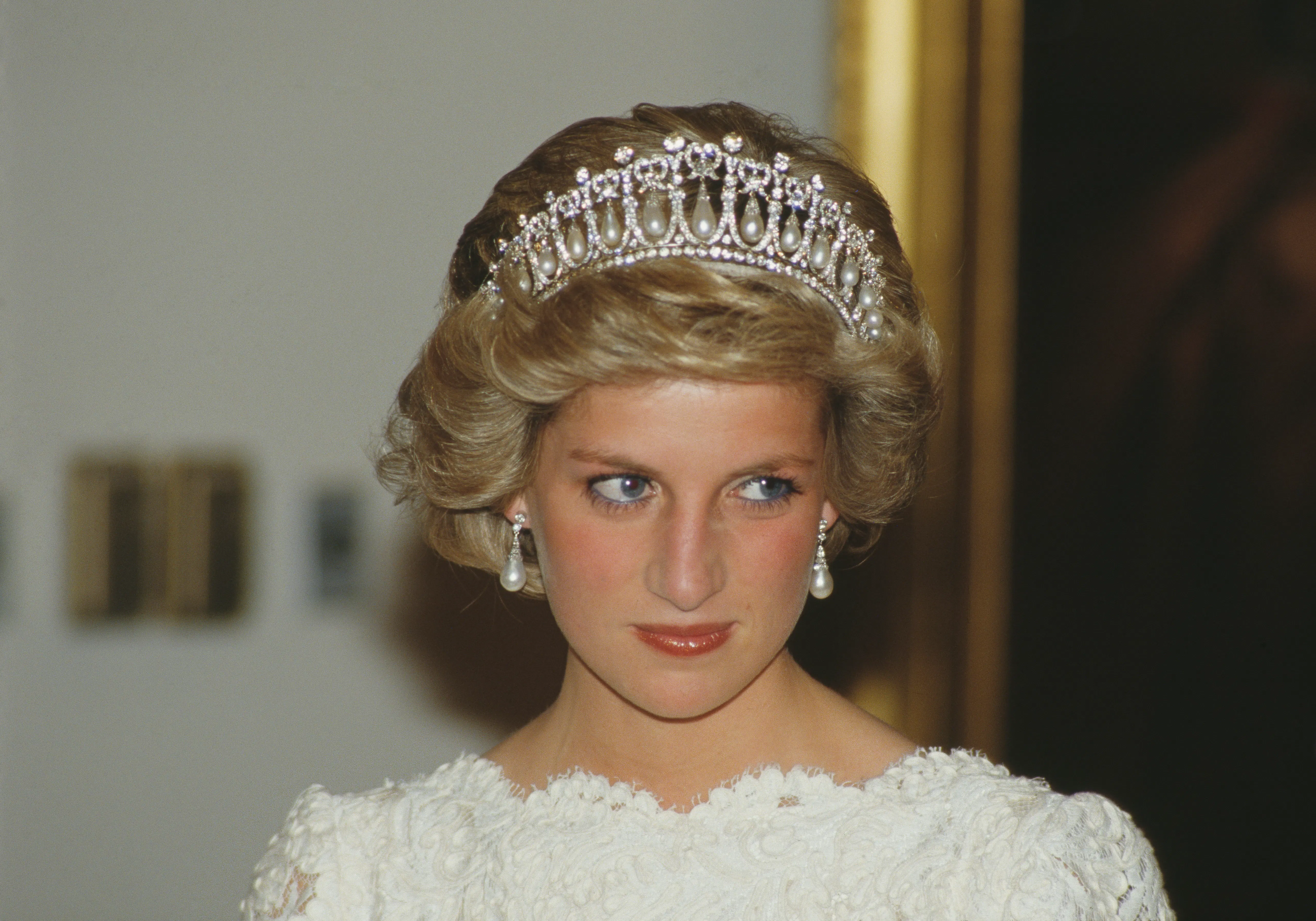
The tiara is often referred to as the Cambridge Lover’s Knot Tiara, but this is incorrect. While it is indeed a Lover’s Knot tiara, it is not the one originally associated with the Cambridge name.
See also: Crown Jewels: 5 Times Royal Jewelry Made Auction Headlines
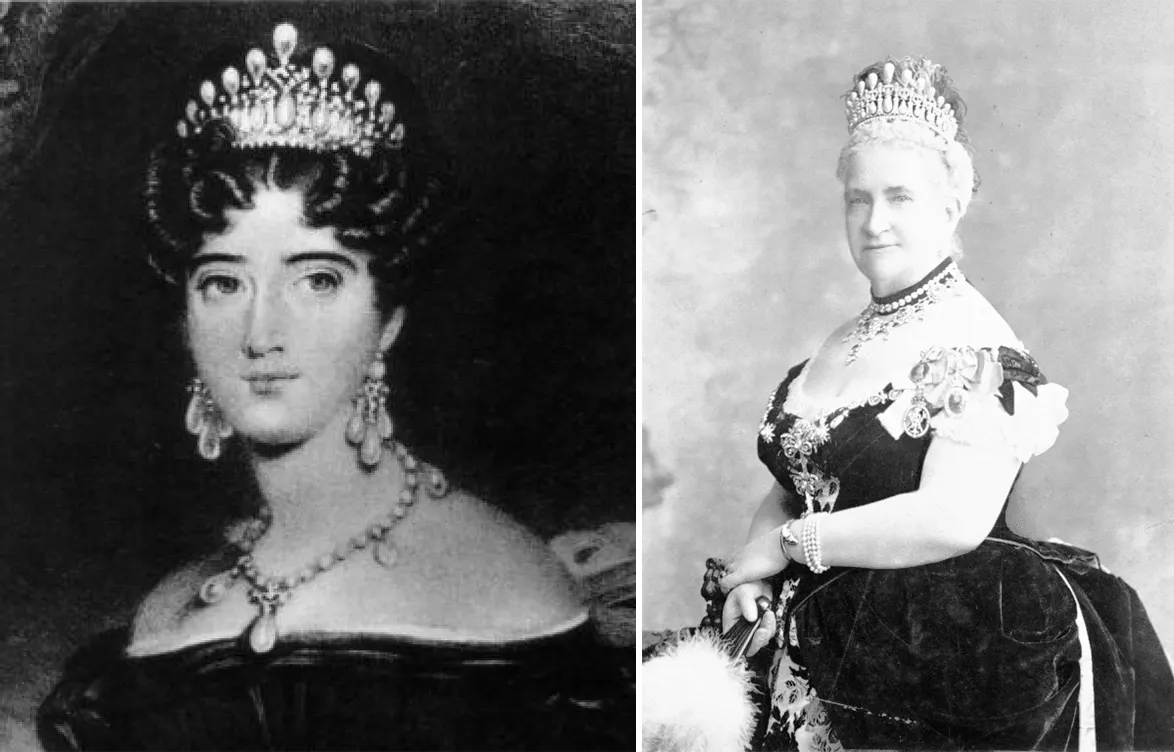
The Cambridge Lover’s Knot Tiara was likely created around 1818 by a German jeweler as a wedding gift for Augusta of Hesse (1797–1889), who married Prince Adolphus Frederick, 1st Duke of Cambridge, seventh son of King George III and Queen Charlotte. Augusta wore the tiara frequently, including at the coronation of Queen Victoria in 1838 and at the wedding of Victoria’s eldest daughter in 1858, as shown in contemporary portraits.
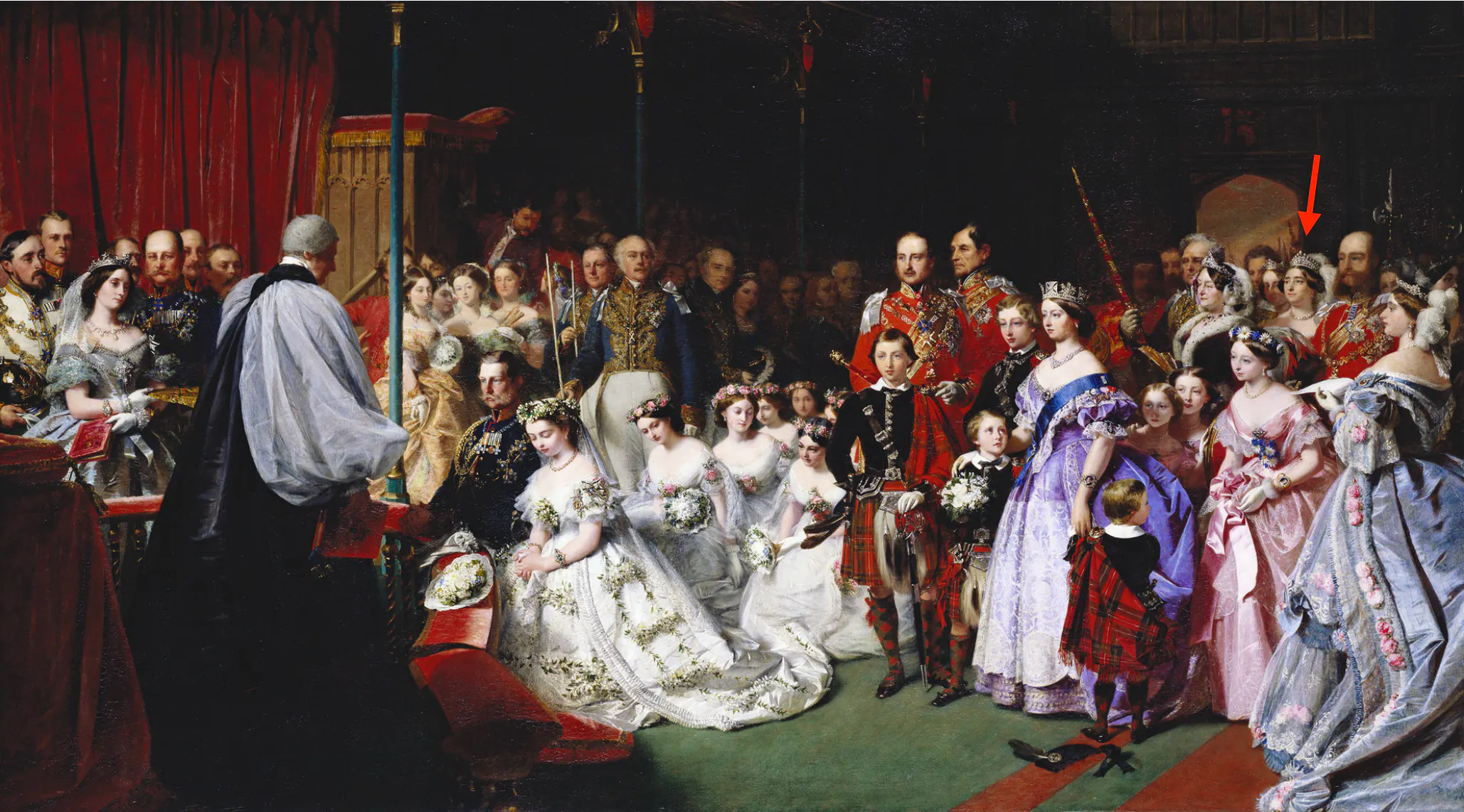
Upon Augusta’s death in 1889, the tiara passed to her daughter, Augusta Caroline, Grand Duchess of Mecklenburg-Strelitz (1822–1916), who wore it at the coronation of Edward VII in 1902. Her granddaughter, Mary of Teck (1867–1953), had long admired the tiara. Raised at the British court, Mary had known it since childhood and eventually commissioned an almost identical version after becoming Queen Consort to George V in 1914. The jeweler Garrard was tasked with its creation.
See also: History's Most Famous Engagement Rings

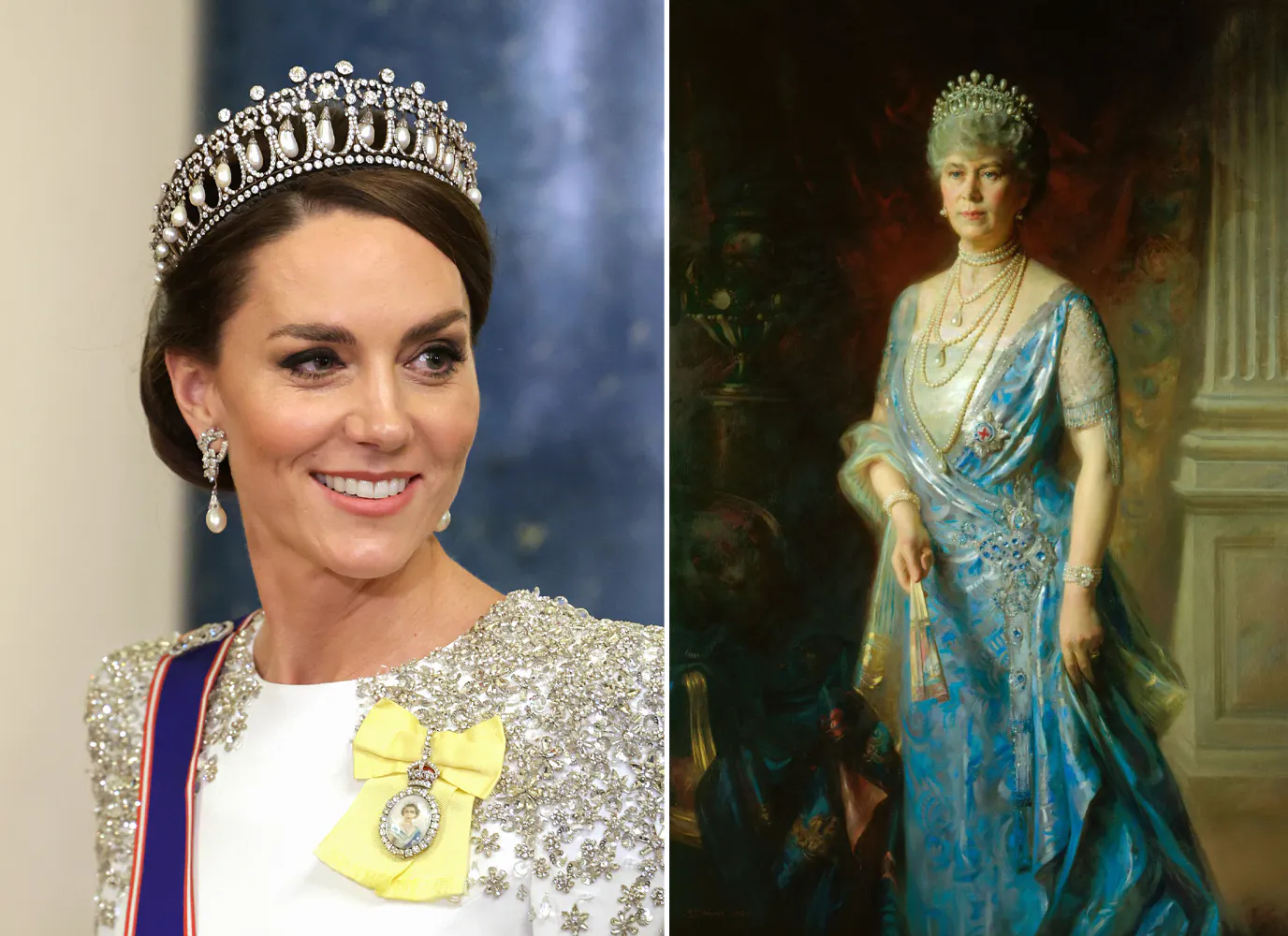
This tiara, correctly named Queen Mary’s Lover’s Knot Tiara, was left by Mary to her granddaughter Elizabeth in 1953, the year after Elizabeth became queen. The tiara featured prominently in the early years of her reign, although photographs show that the upper row of pearls was later removed. Elizabeth eventually stopped wearing the piece and passed it to her daughter-in-law Diana, and later to Catherine, Princess of Wales.
What became of the original Cambridge Lover’s Knot Tiara? In 1916, Augusta of Mecklenburg-Strelitz gave it to her granddaughter Jutta (1880–1946), who briefly held the title of Queen of Montenegro in 1921. Jutta later sold the tiara to an unknown buyer. It resurfaced at a Christie’s auction in Geneva in 1981 and was purchased by Georg, Prince of Waldburg zu Zeil und Trauchburg. His wife, Marie Gabrielle of Bavaria, has worn it on several occasions since.
Want more articles like this delivered straight to your inbox? Subscribe to our free newsletter!
Then, in 1985, another Lover’s Knot tiara appeared at auction – this one with pearl drops shaped differently from those on the Cambridge original. Its origins remain unclear. To complicate matters further, multiple Lover’s Knot Tiaras were created beyond the original and Queen Mary’s copy.
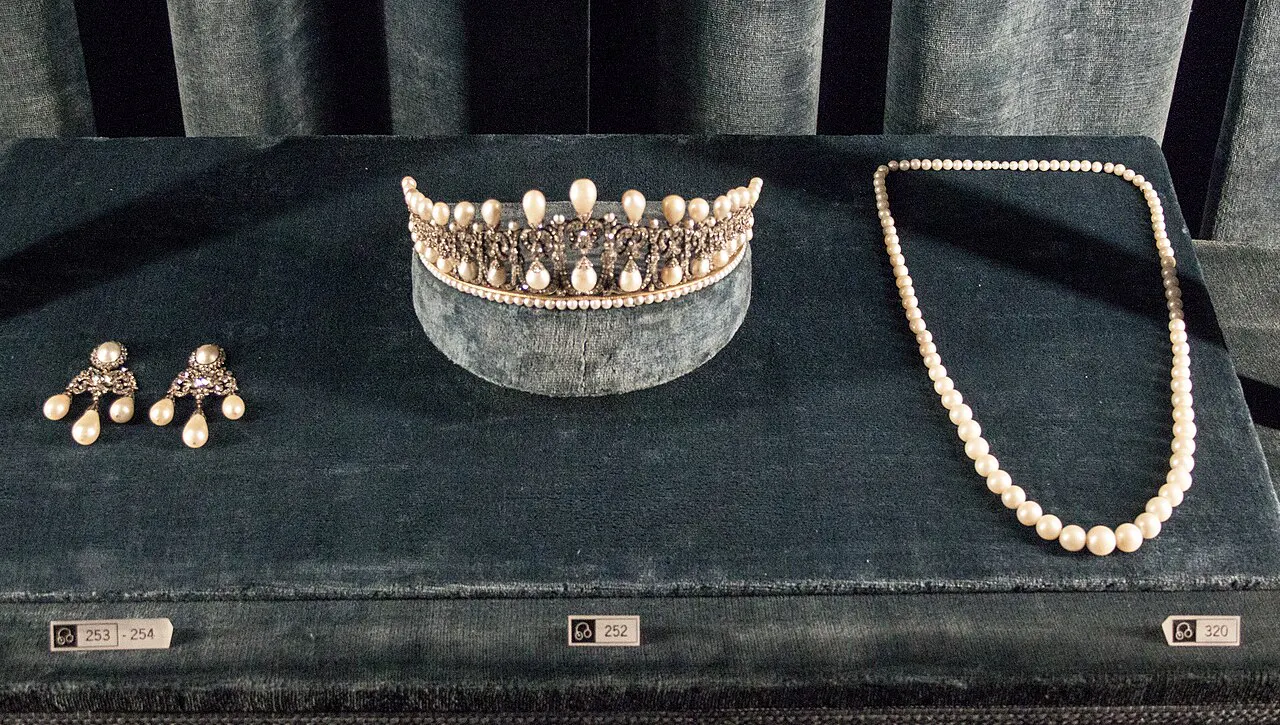
Around the same period as the original, a similar tiara was commissioned by King Ludwig I of Bavaria for his wife, Therese of Saxony-Hildburghausen (1792–1854). However, this one remains in the Bavarian royal collection and is now displayed in the Treasury at the Munich Residenz.
See also: Not Just for Royals: A History of the Tiara
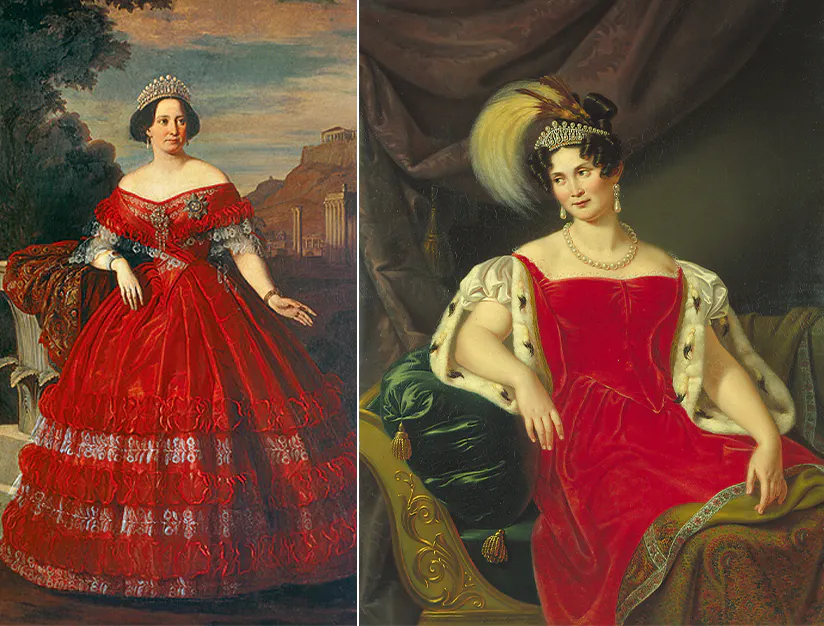
A photograph from the early 20th century shows Princess Maria Immacolata of Bourbon-Two Sicilies (1874–1947) wearing a Lover’s Knot Tiara without the top row of pearls, similar to Queen Mary’s version. This tiara, too, can likely be ruled out.
Another version was made for the Yusupov family in Russia, but its fate is unknown. It may have been lost or destroyed during the 1917 revolution, but if it survived, it remains a potential candidate for the 1985 auction piece, or even the Cambridge original.
See also: La Peregrina and La Pelegrina: The World's Most Famous Pearls
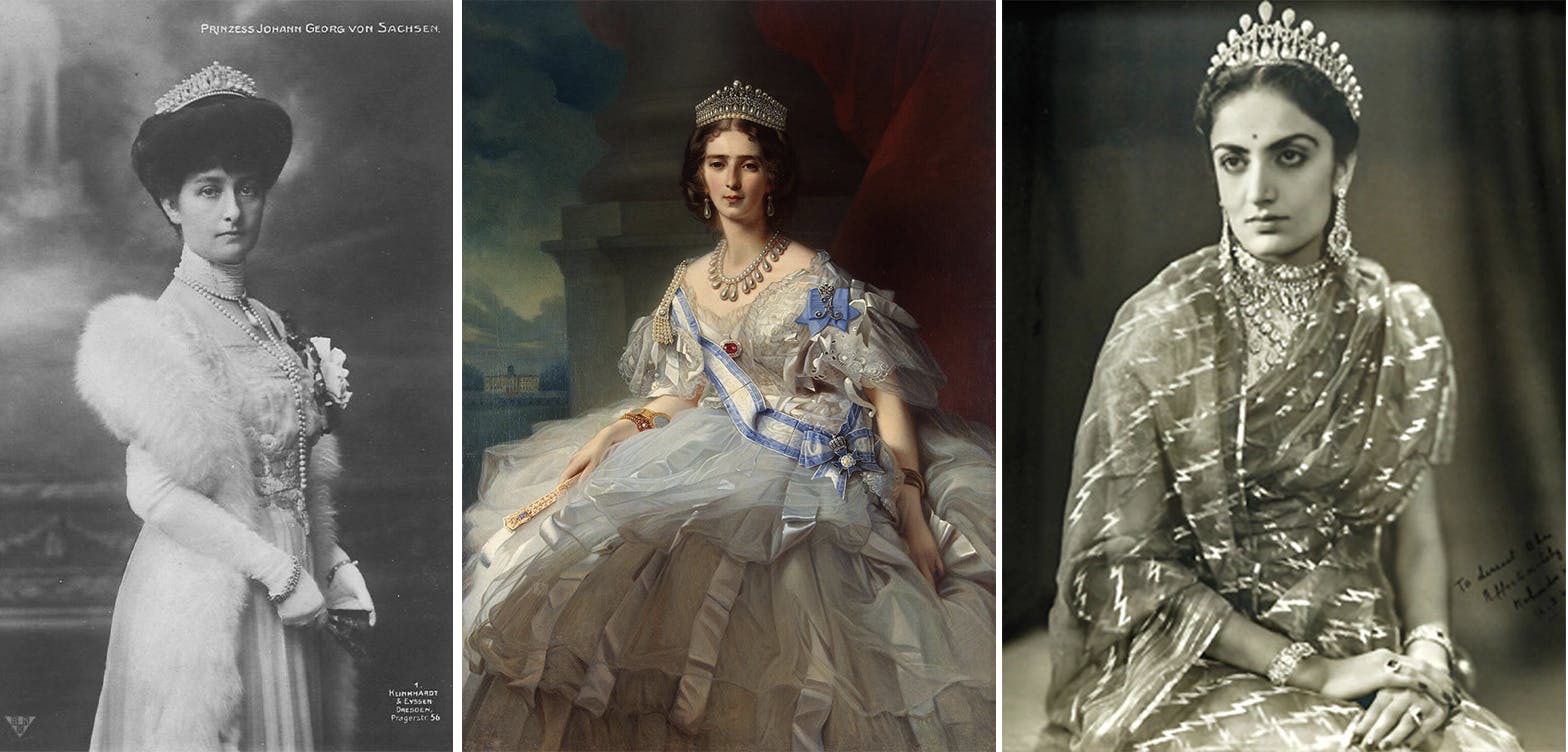
A further possibility appears in a 1940s photograph of Maharani Mehtab Kaur (1922–2017), second wife of Yadavindra Singh, the last ruling Maharaja of Patiala. She is shown wearing a Lover’s Knot Tiara. Could her husband have acquired it during his European travels in the 1920s? Was this the tiara sold at auction in 1985, or perhaps even the long-lost Cambridge Lover’s Knot?
For now, the mystery remains unresolved. The knot surrounding the many Lover’s Knot Tiaras is still waiting to be untied. But one never knows – perhaps a new clue, or another tiara, will appear before long.