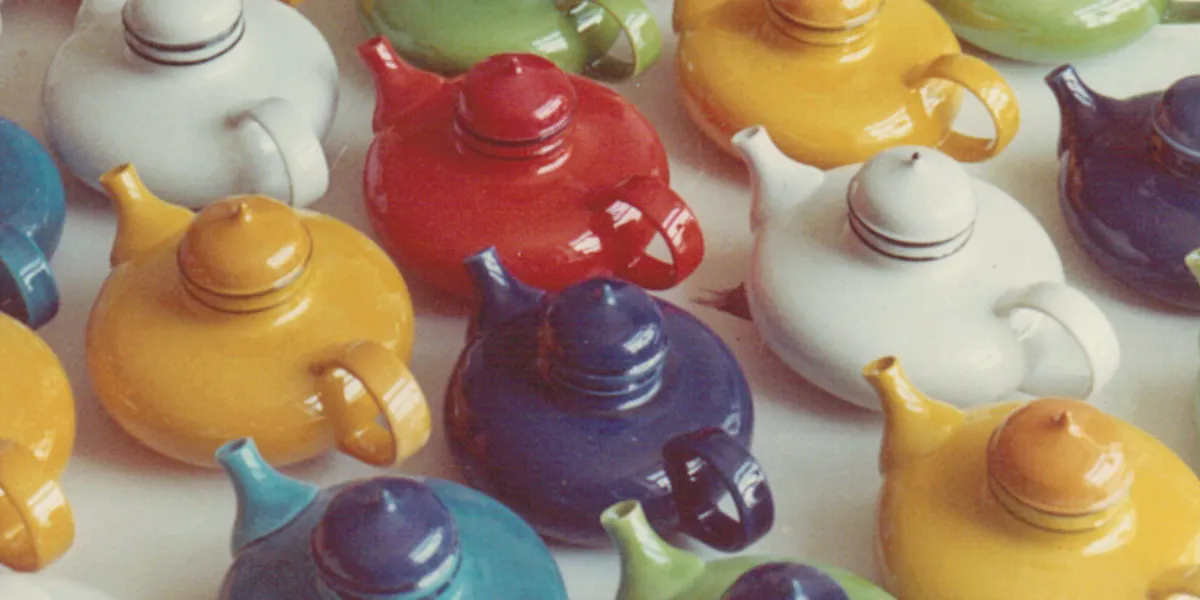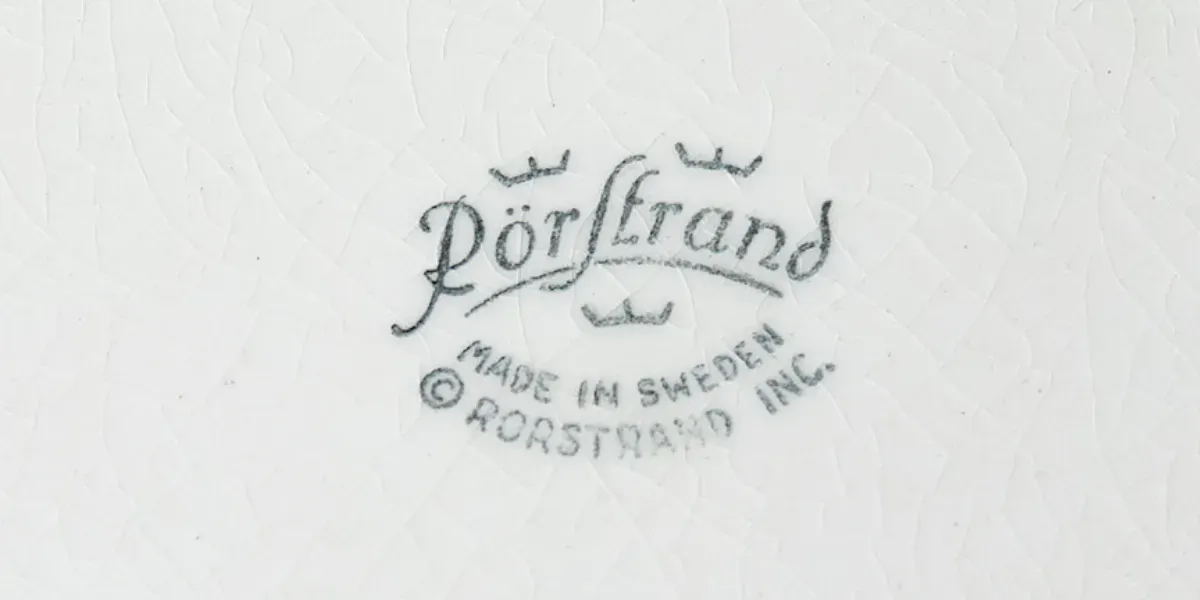
If you spot the iconic Rörstrand brand under a plate at a flea market or in your grandparents' house, you might have found a treasure trove of Swedish porcelain. Discover here the history of the Scandinavian manufacture in ten key dates.
1726: The Beginning
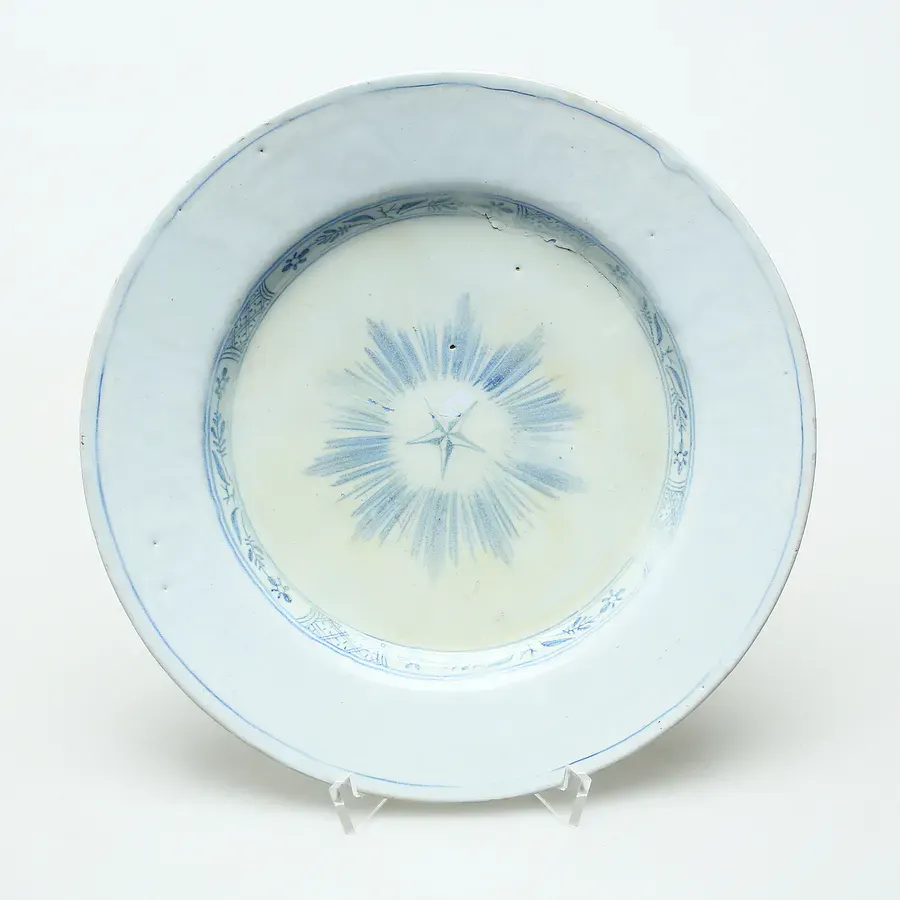
In 1726, porcelain production begins at the Rörstrand Castle in Stockholm. The main material used is faience, a porous clay covered with a white tin glaze, embellished with cobalt blue (echoing Chinese porcelain). Thanks to Rörstrand, porcelain is becoming more and more accessible to people, who previously had their meals on metal plates.
Related: Collecting Like a King: Meissen Porcelain 101
1758: The Birth of a Brand
Until the late 1750s, Rörstrand was the only porcelain manufacturer in Sweden and only identified its works by the mark 'Stockholm'. When Sweden's first competitor, Mariebergs Porslinsfabrik, was founded in 1758, the company began branding the famous 'Rörstrand'. At that time, porcelain was sold in special porcelain stalls, the first known being located in Riddartorget, in the old town.
Want to know what your porcelain is worth? Value your items with Value My Stuff
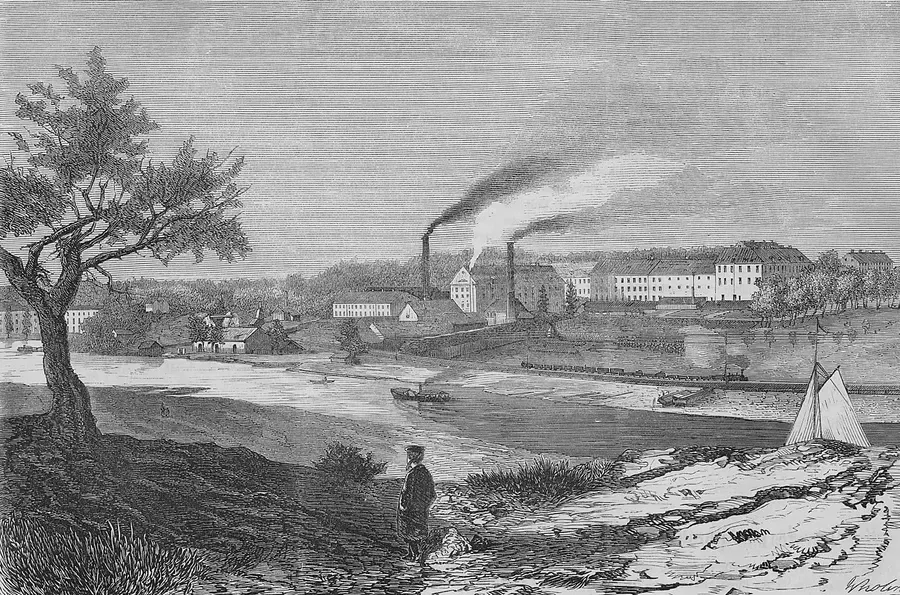
1770: The Sepia Service
The English flintware innovation, a cross between faience and porcelain, begins to spread, while the color blue is joined by several bright shades, extending the creative possibilities. It was during this that Rörstrand launched its first complete table service, called Sepia.
Related: Wedgwood: England’s Finest China
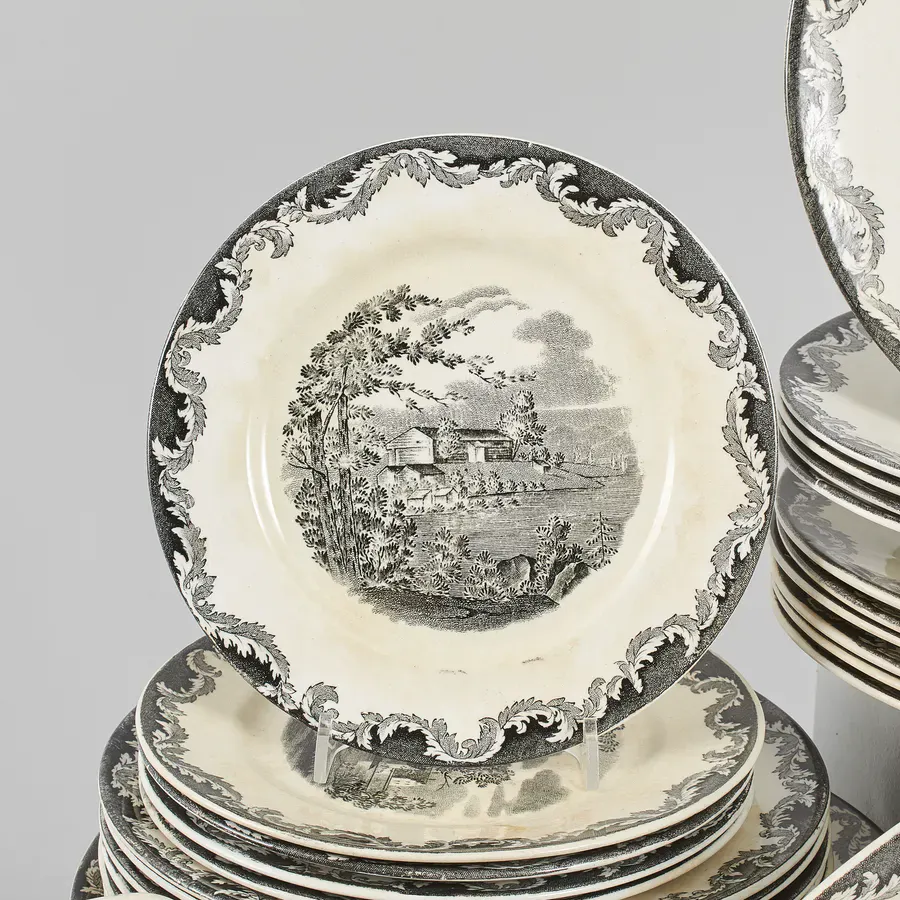
1807: The First Steam Engine
In 1807, Rörstrand acquired its first steam engine, which considerably revolutionized its production. After a scouting mission in England, the company began printing designs with copper plates, an important addition to hand-painted designs. Rörstrand thus created ever larger dinner services, with magnificent tureens and saucers. The influence of English motifs is felt in series such as Willow and the Svart Sverige, as well as in decorations featuring English or more exotic landscapes.
1874: The Founding of Arabia
In the 1870s, 1874 to be precise, Rörstrand founded Arabia in Helsinki to take advantage of the market from the vast Russian Federation. Ten years later, the branding of the firm is completed with a crown. It was the era of grand dinners, receptions and well-dressed guests received in large dining rooms, demanding sumptuous table services. Needless to say, business was booming…
Related: Bernard Palissy’s Ceramics: Nature on the Plate
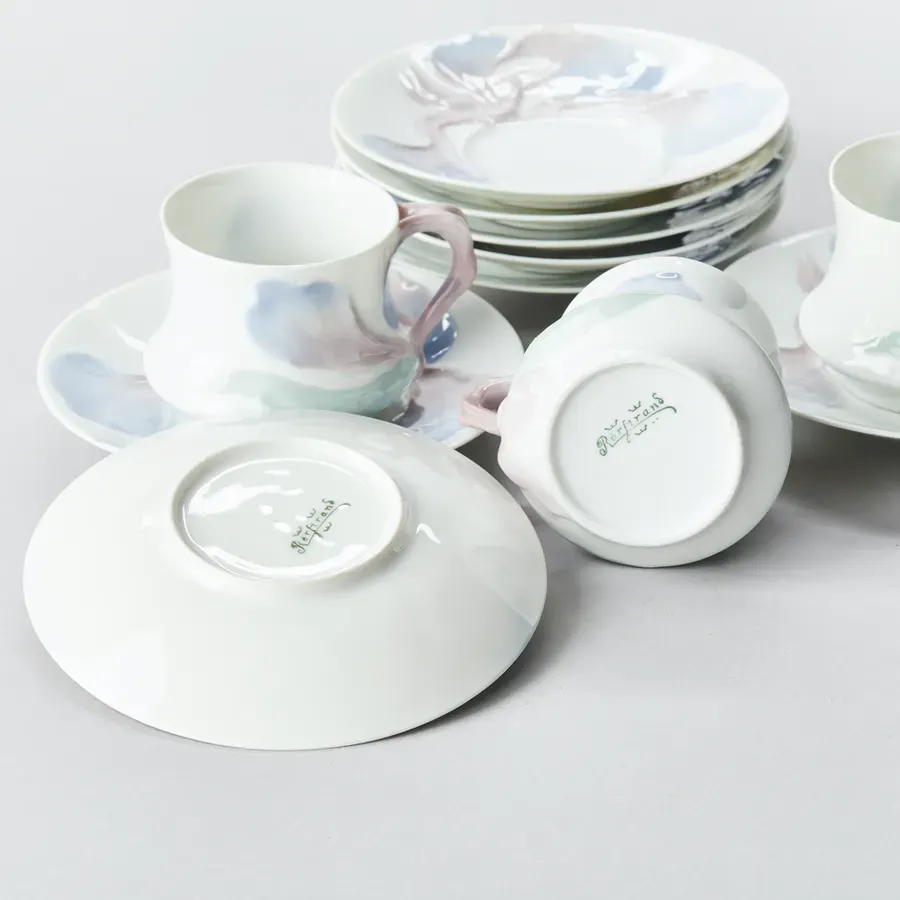
1926: Goodbye Stockholm
In 1909, the manufacturer Höganäs Keramik opened its doors in Skåne and established itself as a new competitor. In 1926, Rörstrand bid farewell to Stockholm and transferred its activities to Gothenburg.
1932: Ostindia, a New Classic
In 1932, the Ostindia service was launched with a design inspired by a porcelain shard recovered from the Ostindiefarer Götheborg, a ship that sank on 12 September 1775 while returning to Gothenburg after its third voyage to China. In the 1930s, Gunnar Nylund became the artistic director and found great success with the use of sandstone.
Related: Rosenthal, Art at the Table
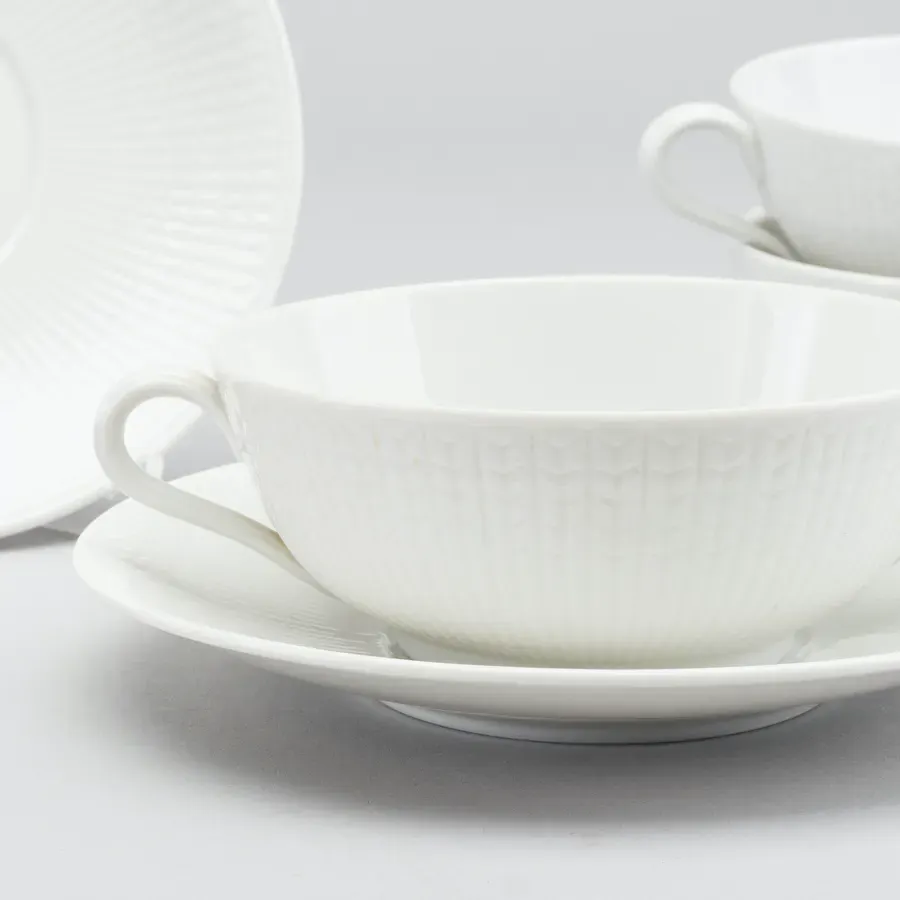
1941: Welcome Hertha Bengtson
Functionality is gaining importance and manufacturers are emphasizing utilitarian items, such as the Frigi series, created by Gunnar Nylund specifically for the refrigerator. In 1941, the Rörstrand team welcomed Hertha Bengtson, a ceramist now considered one of the most important representatives of the craft in the 20th century.
1950: Feminine Creation
These large recruitments are perhaps the reason why the 1950s are considered Rörstrand's most dynamic decade. Marianne Westman becomes a key designer with unique series like Picnic and Mon Amie, while Hertha Bengtsson stands out with timeless classics like Koka Blå and Blå Eld. Westman and Bengtsson porcelains are still popular today.
Related: A Timeline of Chinese Porcelain: Neolithic to Modern
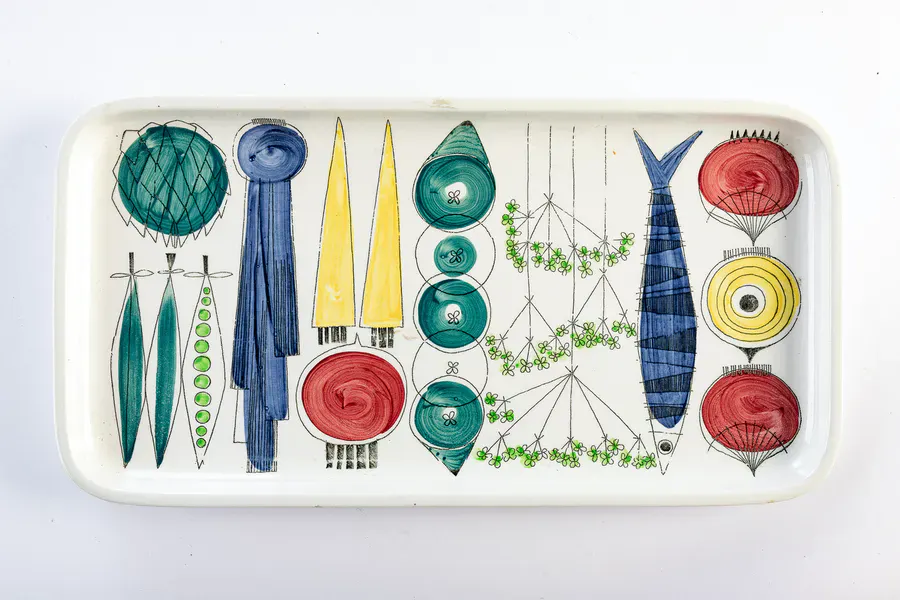
1960: The Revival of the Gröna Anna Motif
During the 1960s, the factory revived the popular motif of the 1890s, the Gröna Anna.
From then until 1990, Rörstrand passed through several owners, including Upsala-Ekeby AB, the Finnish Wärtsilä, Hakusan and the porcelain factory Gustavsberg. From 2001, Rörstrand became part of Iittala, which moved production to Sri Lanka and Hungary. On December 30, 2005, the Lidköping factory closed its doors, ending an important chapter in Swedish industrial history after almost 280 years. In 2007, Iittala, which owns the Rörstrand brand, was in turn acquired by Fiskars.
Want more articles delivered straight to your inbox? Subscribe to our newsletter
Looking at the history of a flagship of craftsmanship like Rörstrand, we realize that trends come and go. Patterns that have long seemed dull and dusty can become popular or be produced again, as the manufactory has repeatedly proven.
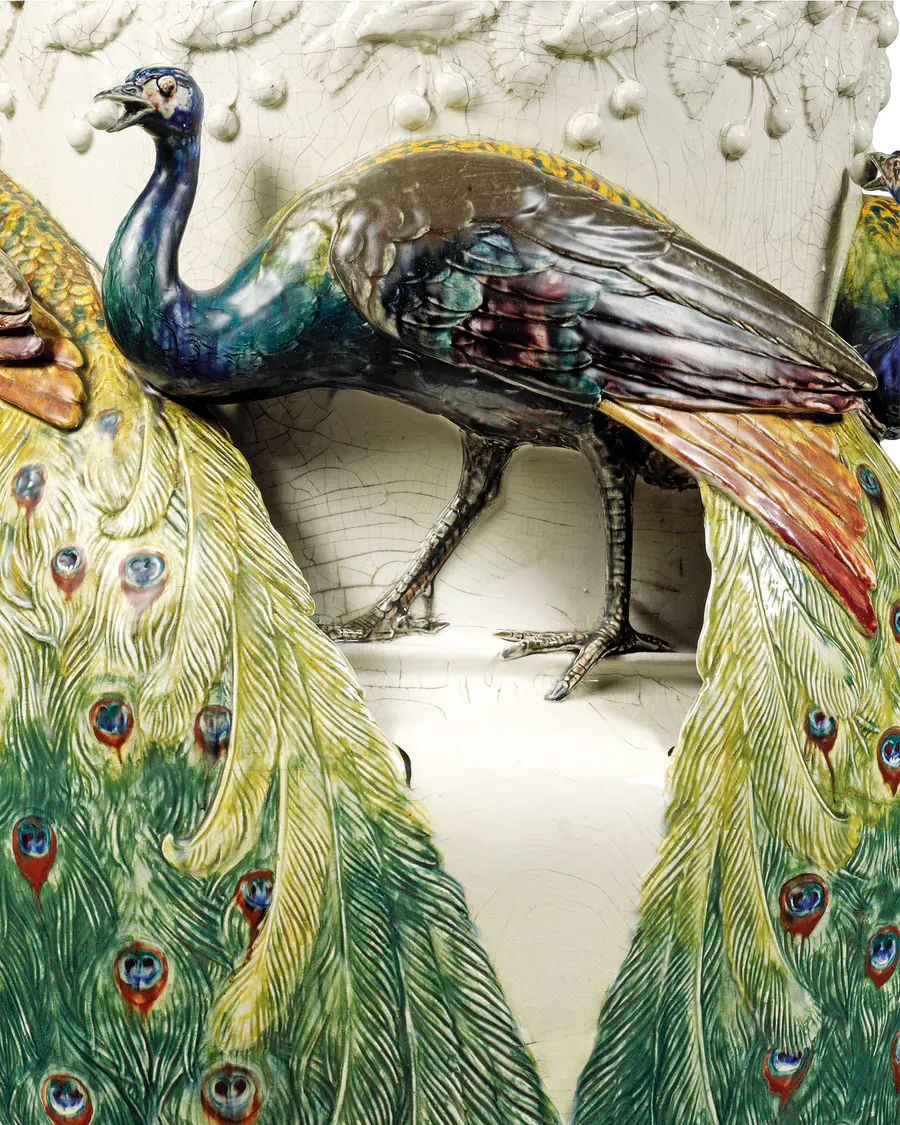
The prices vary too; a series from the 1970s found for next to nothing could make a few digits in a few years. Rörstrand's most expensive creations sold at auction include a peacock vase by Anna Broberg from 1900, which sold at Christie's for about SEK 740,000 ($114,121), and a tea table with earthenware top, sold for SEK 346,000 ($34,000).
We recommend hanging on to your old Rörstrand porcelain service. And most importantly, keep turning over every earthenware soup tureen and plate you find at flea markets and jumble sales. Who knows what forgotten treasure you might uncover?