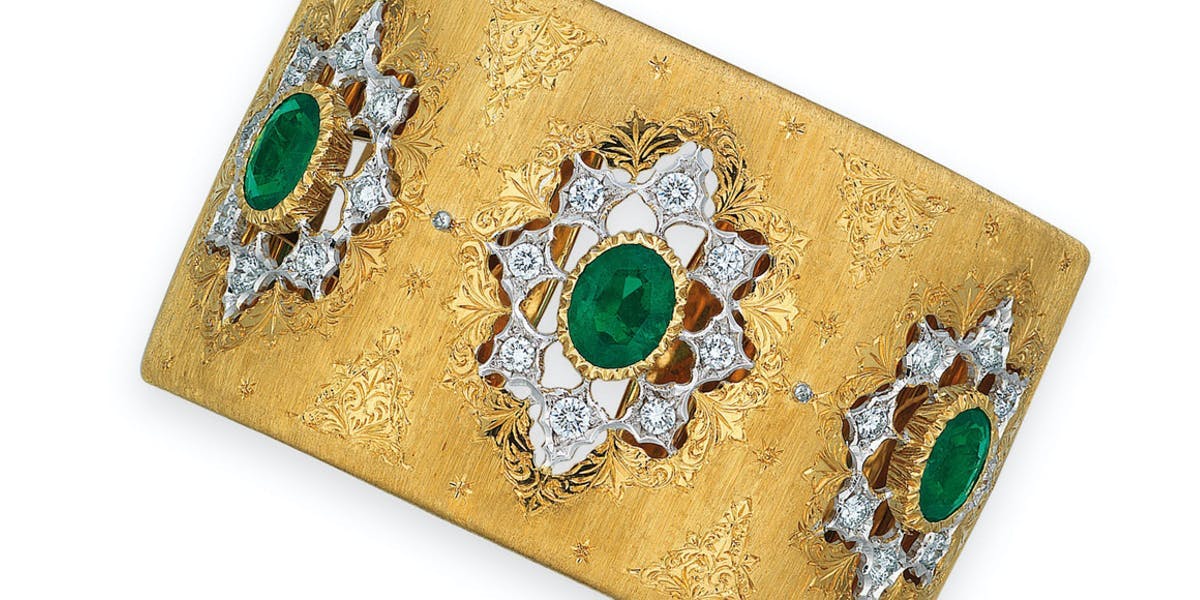
For over 100 years, bespoke Italian jewelry brand Buccellati has been known for their intricate rings, studded cuffs, fine silverware and sophisticated craftsmanship.
The story begins with Mario Buccellati, who was born in Ancona, Italy, a seaside town on the country's Adriatic coast in 1891. In 1903, at the age of 12, he started working as an apprentice for the jewelry firm Beltrami e Besnati in Milan. However, when World War I broke out, he was sent to fight. Upon his return to Italy in 1918, he found that Beltrami e Besnati had closed, so Buccellati bought the company out and opened his own store, Mario Buccellati, in 1919.
Related: The 9 Most Popular Jewelry Brands
He quickly became successful and Milanese society patronized his shop for beautiful necklaces, rings, tiaras and more. His work garnered major attention when he exhibited his jewelry pieces in Madrid in 1921 and the Spanish royal family purchased from him.
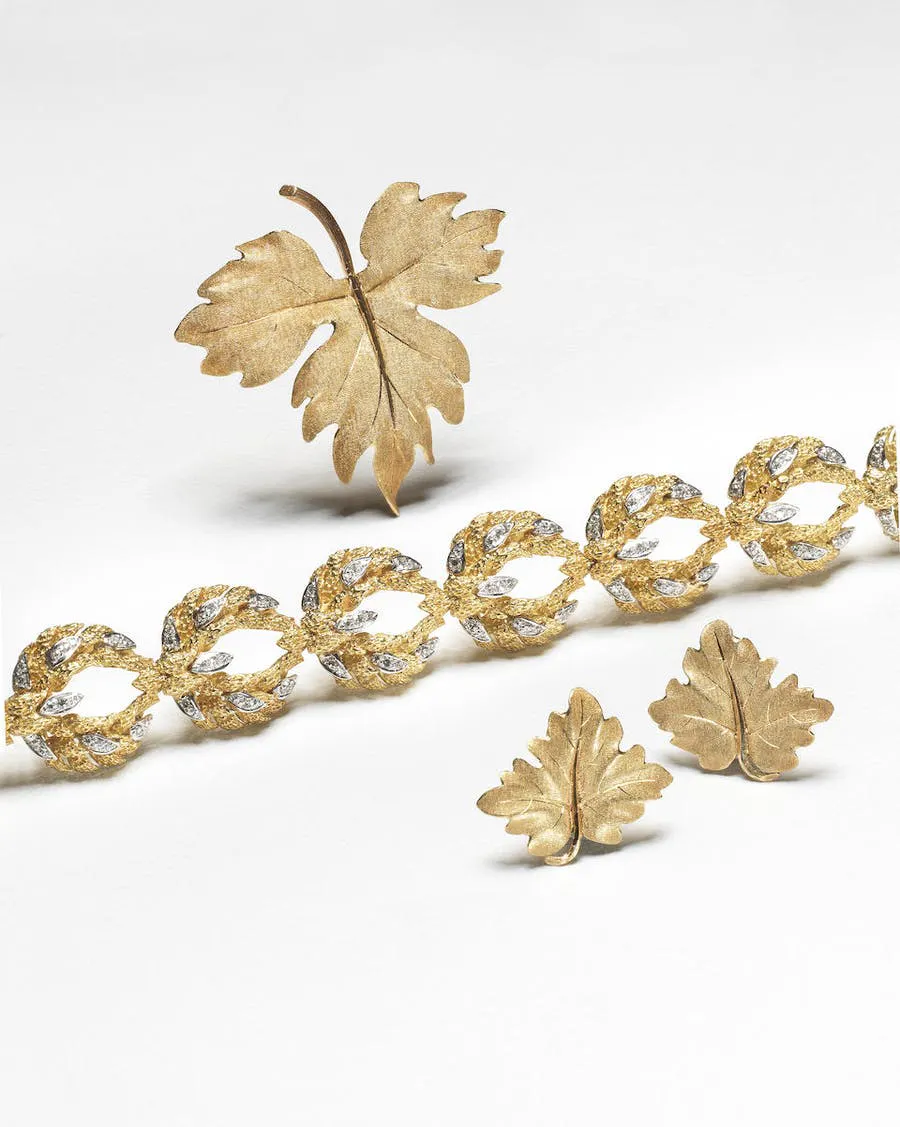
He opened a second shop in Rome and then a third in Florence, expanding his jewelry empire across Italy. His renown grew and his delicate, finely wrought designs became popular with international royalty, literati and more. The exquisite jewelry confections were inspired by the structures of Renaissance and Gothic architecture, intricacies of Venetian lace, and the wonders of nature, from tree leaves to animals. His dear friend, the poet Gabriele D'Annuzi, dubbed him "the prince of goldsmiths."
Related: The Surprising Inspiration for the Cartier Love Bracelet
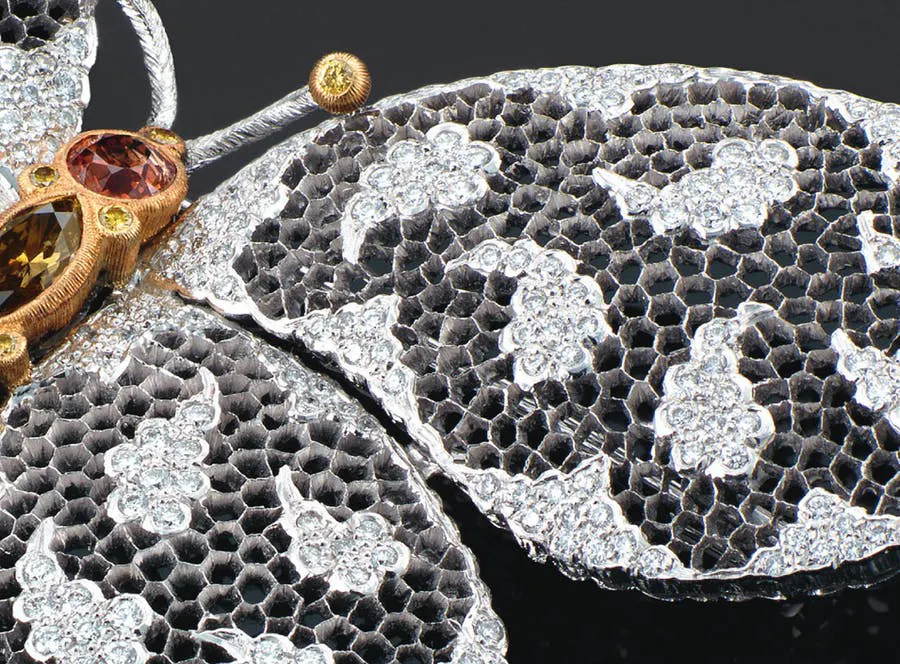
One of the speciality designs of Buccellati that Mario became known for is the "tulle", which is a very complicated process that takes a goldsmith over a month to carve out the honeycomb in a gold plate and then embellish with diamonds or other jewels.
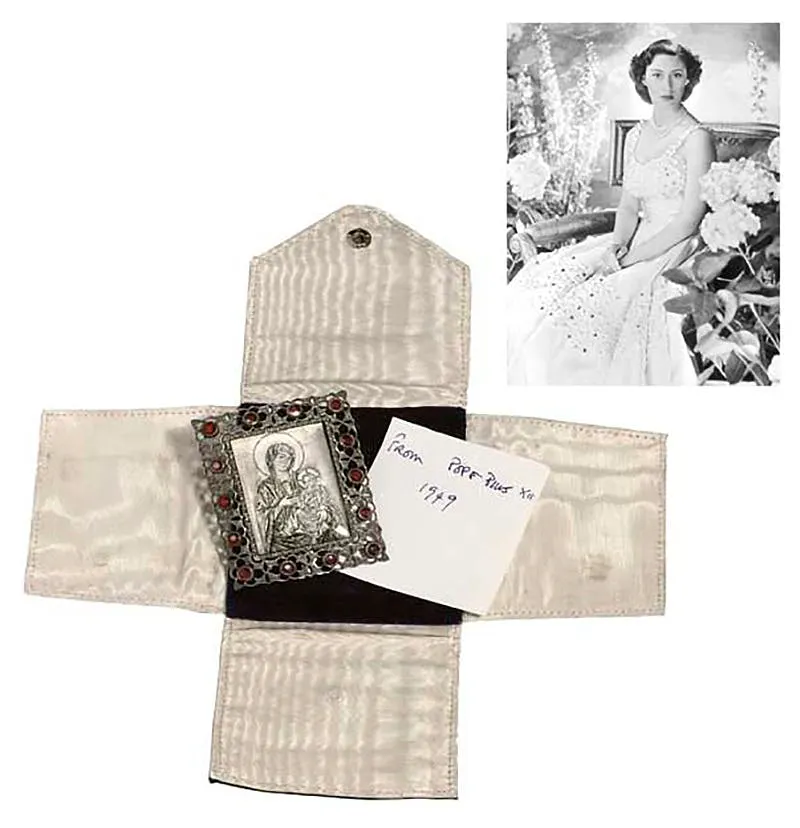
In 1949, Mario Buccellati was awarded with the commission by Pope Pious XIII to design an icon for Princess Margaret (the sister of Queen Elizabeth II) who visited the Vatican that year, the first British royal to make the trip in centuries. The ruby-studded frame surrounds a silver engraved madonna and child and marked a detente between Catholicism and Protestantism.
Related: Barnebys’ Guide to Diamonds
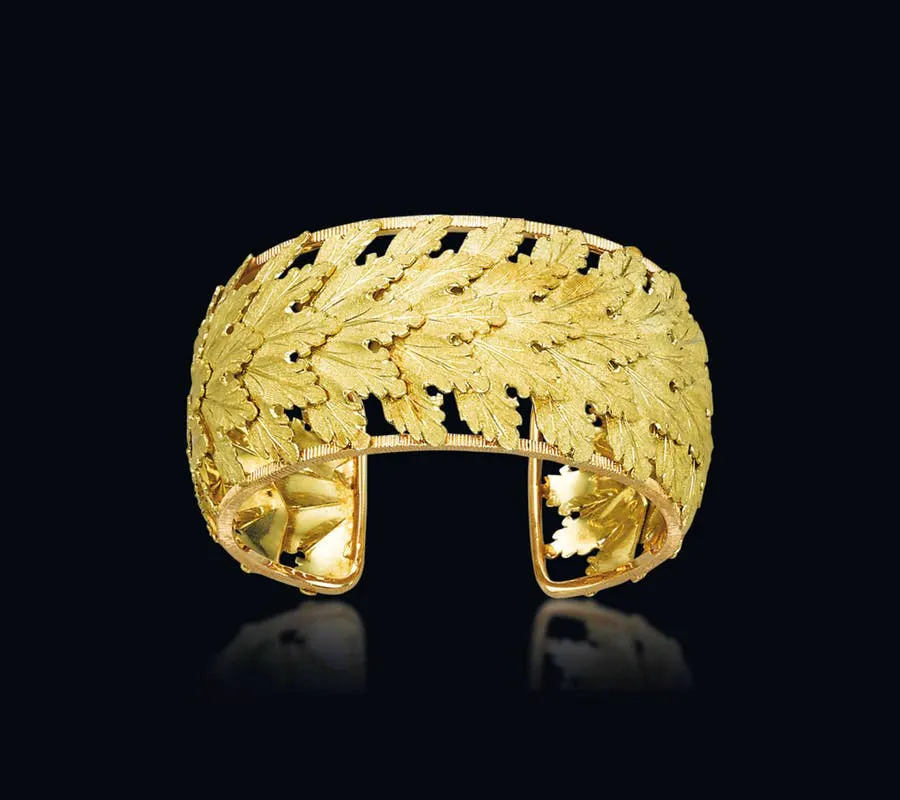
In the 1950s, Buccellati expanded to the United States, with ateliers on New York's Fifth Avenue and Palm Beach's Worth Avenue. Mario's five sons had entered the business by this time. With Mario's death in 1967, his son Gianmaria took the helm of Buccellati and expanded upon the trademark design, opening more stores across the world. Two of the brothers stayed on in Italy, while the other two expanded throughout Europe, Asia and the U.S., opening the flagship boutique on Paris' Place Vendôme in 1979.
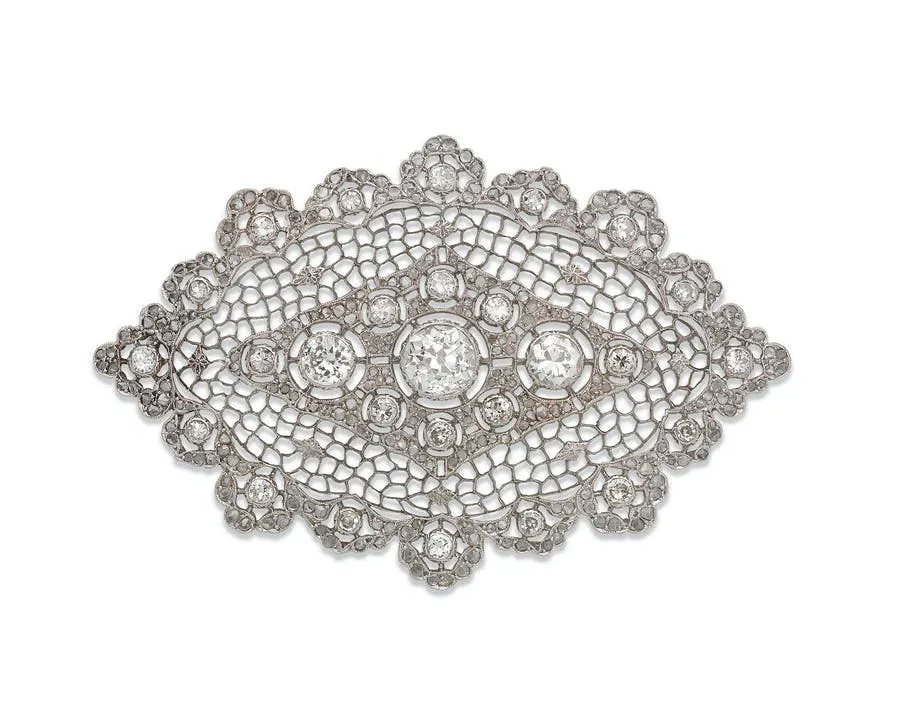
In the late 20th and 21st centuries, the brand reached international recognition and has been honored in a variety of exhibits and showcases around the world, from the Smithsonian Museum of Natural History in Washington, DC to The State Museum of Moscow Kremlin. Gianmaria oversaw the expansion from jewelry to watches, flatware, home décor and speciality items, like gilded chalices and jewel boxes. However, the focus never strayed from the original tenets of ornate designs, experienced craftsmanship, fine materials and lavish gems.
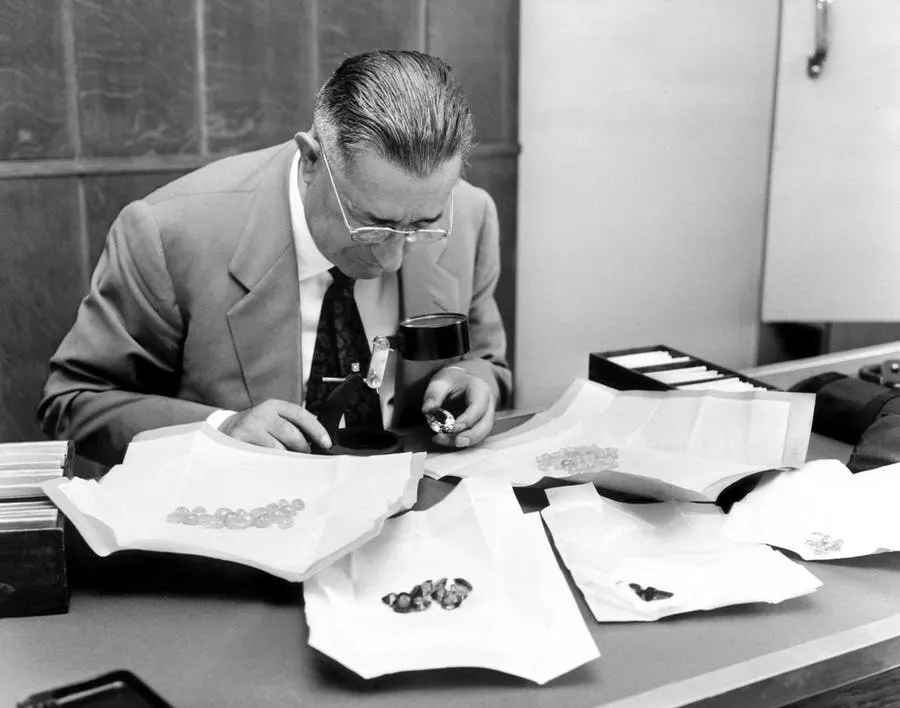
Today, Buccellati is owned by a Chinese holding company but the family is still deeply involved, with three of the grandsons managing different aspects. Mario Buccellati's great-granddaughter Lucrezia is the brand's first female designer and has brought a fresh look to the brand by spearheading jewelry lines that draw inspiration from famous artworks and cater to a younger audience, who want to mix expensive and affordable accessories.
Related: The World's 10 Most Expensive Diamonds
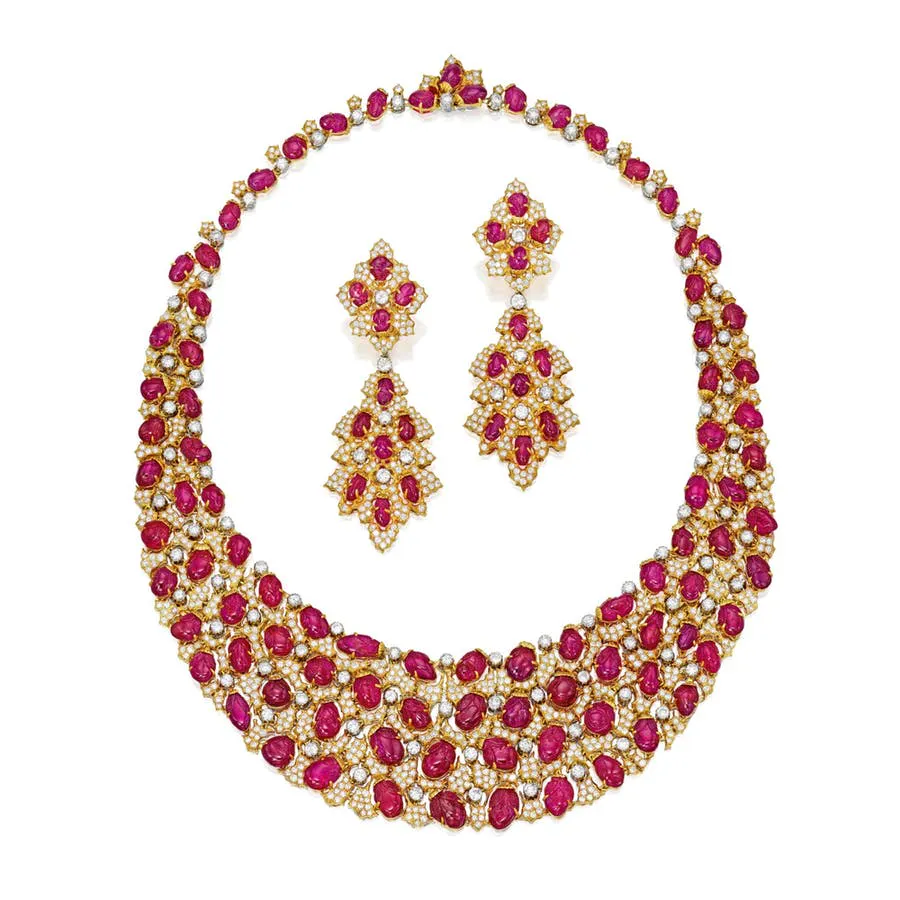
Despite the many changes that have occurred since Mario Buccellati opened his first Milan atelier in 1919, the Buccellati brand will always remain true to the family's century-old legacy of finely crafted, exquisite pieces that conjure Renaissance-era opulence.