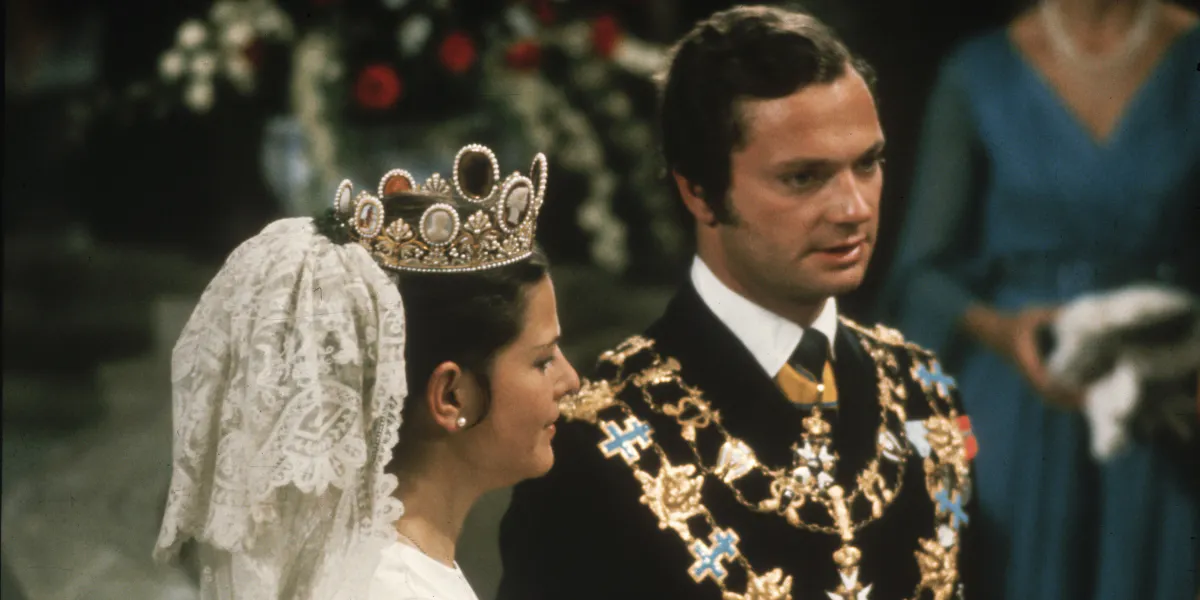
Among the many tiaras worn at European royal events, most share a familiar aesthetic. They are usually crafted in white gold or platinum, set with diamonds, and sometimes accented with colored gemstones or pearls. One tiara, however, breaks almost every one of these conventions. Unlike any other still in use today, and among the oldest surviving tiaras of the European aristocracy, it immediately draws the eye by its difference.
See also: Not Just for Royals: A History of the Tiara
This is the Cameo Tiara, one of the most distinctive pieces in the jewelry collection of the Swedish royal family, the House of Bernadotte. Remarkably, it contains no diamonds or precious stones at all. Instead, it is formed from an intricate mesh of yellow gold, richly ornamented with white pearls. Its defining feature is a series of seven cameos, each framed by pearls and carved in an antique style from shell and hard stone. The figures depict scenes from Greek mythology, with Aphrodite disarming Eros at the center.
See also: Barnebys' Guide to Buying Pearls at Auction
The tiara originated in France and was created around 1805 as part of a larger parure by the imperial court jeweler Nitot. It was most likely commissioned as a gift from Napoleon Bonaparte to his wife, Josephine. Alongside the tiara, the parure included a necklace, a brooch, two bracelets, and a pair of earrings, although it remains unclear whether all of these elements were original to the set. Josephine owned a substantial jewelry collection, and tiaras were particularly fashionable at the time, reflecting a broader fascination with antiquity and classical design.
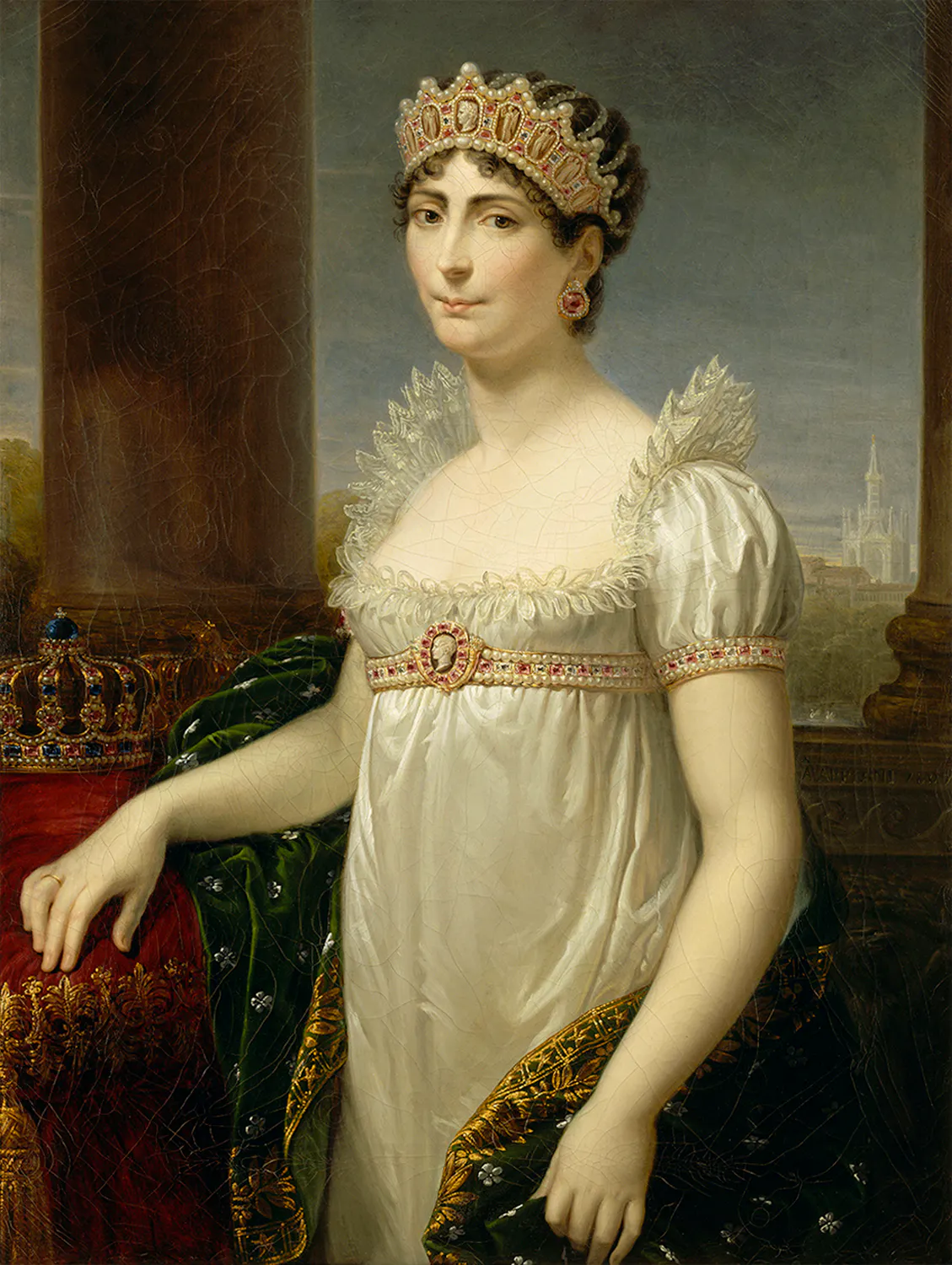
That marriage was short lived. In 1809 Napoleon divorced Josephine after she failed to produce an heir, though she was permitted to retain her jewelry. A year later, another figure from Napoleon’s circle rose unexpectedly to prominence. French Marshal Jean Baptiste Bernadotte was elected heir to the Swedish throne, a decision that would eventually carry the cameo parure far from its French origins. Bernadotte was married to Desiree Clary, Napoleon’s former fiancee, but it was a later marriage within the family that proved decisive for the tiara’s journey north.
See also: Crown Jewels: 5 Times Royal Jewelry Made Auction Headlines
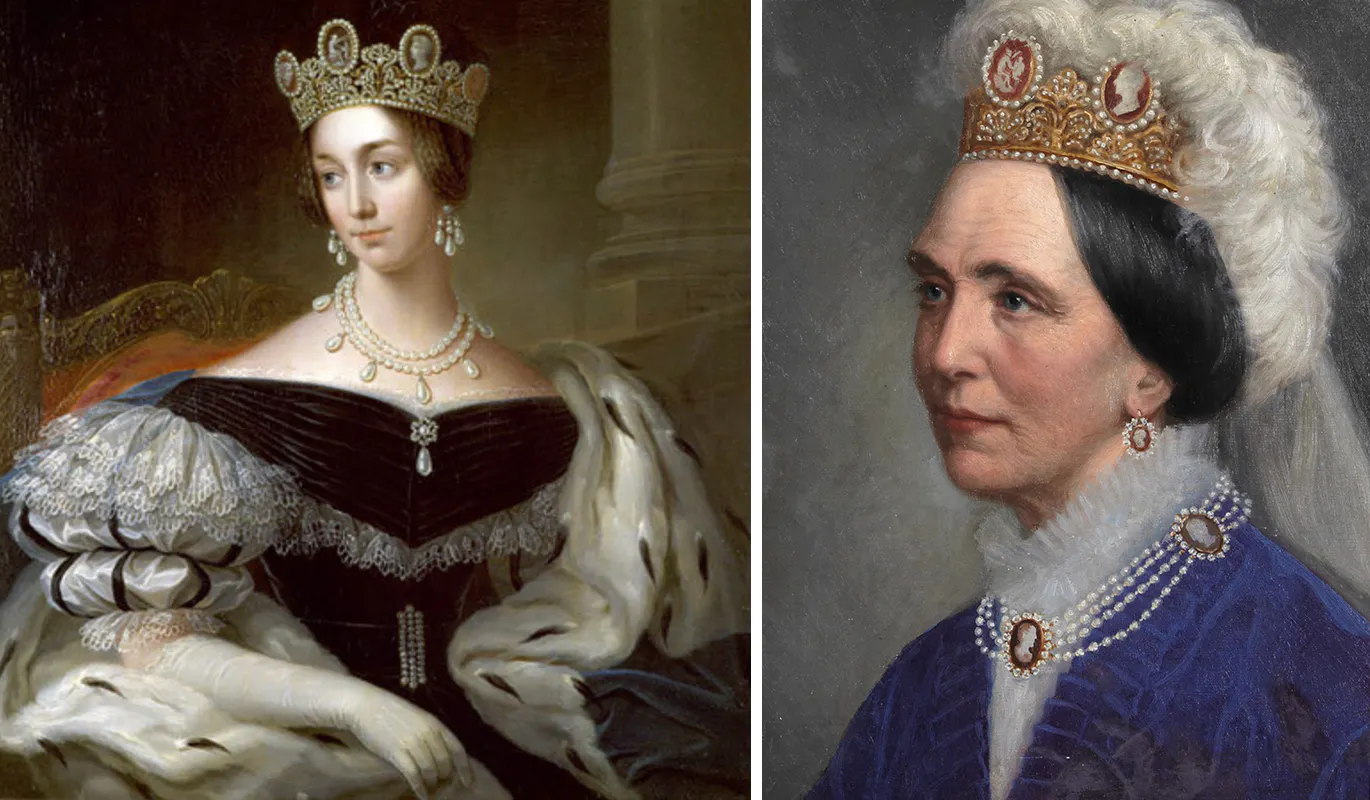
In 1823, Bernadotte’s son, the future King Oscar I of Sweden, married Josephine von Leuchtenberg. She was the eldest daughter of Eugene de Beauharnais, Josephine’s son from her first marriage, and Princess Auguste of Bavaria. Eugene had been appointed King of Italy by Napoleon and later became Duke of Leuchtenberg after Napoleon’s fall. When Josephine von Leuchtenberg married Oscar, she brought her grandmother’s cameo parure with her to Sweden.
See also: 10 Historical Diamonds You Should Know
When Queen Josephine, known in Sweden as Josefina, died in 1876, she left the parure to her only daughter, Princess Eugenie. A gifted artist and noted philanthropist, Eugenie never married and had no children. In 1889, she bequeathed the jewelry to her nephew Prince Eugen, who also remained unmarried. As a result, the tiara was rarely worn, although he occasionally lent it to his sister in law, Crown Princess Margaret. There was a quiet irony in this period, as a tiara adorned with scenes of love and desire passed through the hands of those who never married.
That situation changed in 1932. On the occasion of her marriage to the Swedish Crown Prince Gustaf Adolf, Prince Eugen presented the cameo parure to Princess Sibylla of Saxe Coburg and Gotha. Sibylla wore the tiara on several important occasions, including the wedding of her sister in law Ingrid to the future King Frederik IX of Denmark. Ingrid had previously worn the parure at a costume party, dressed as Queen Josefina, the woman who had first brought the tiara to Sweden.
Want more articles like this straight to your inbox? Subscribe to our free newsletter!
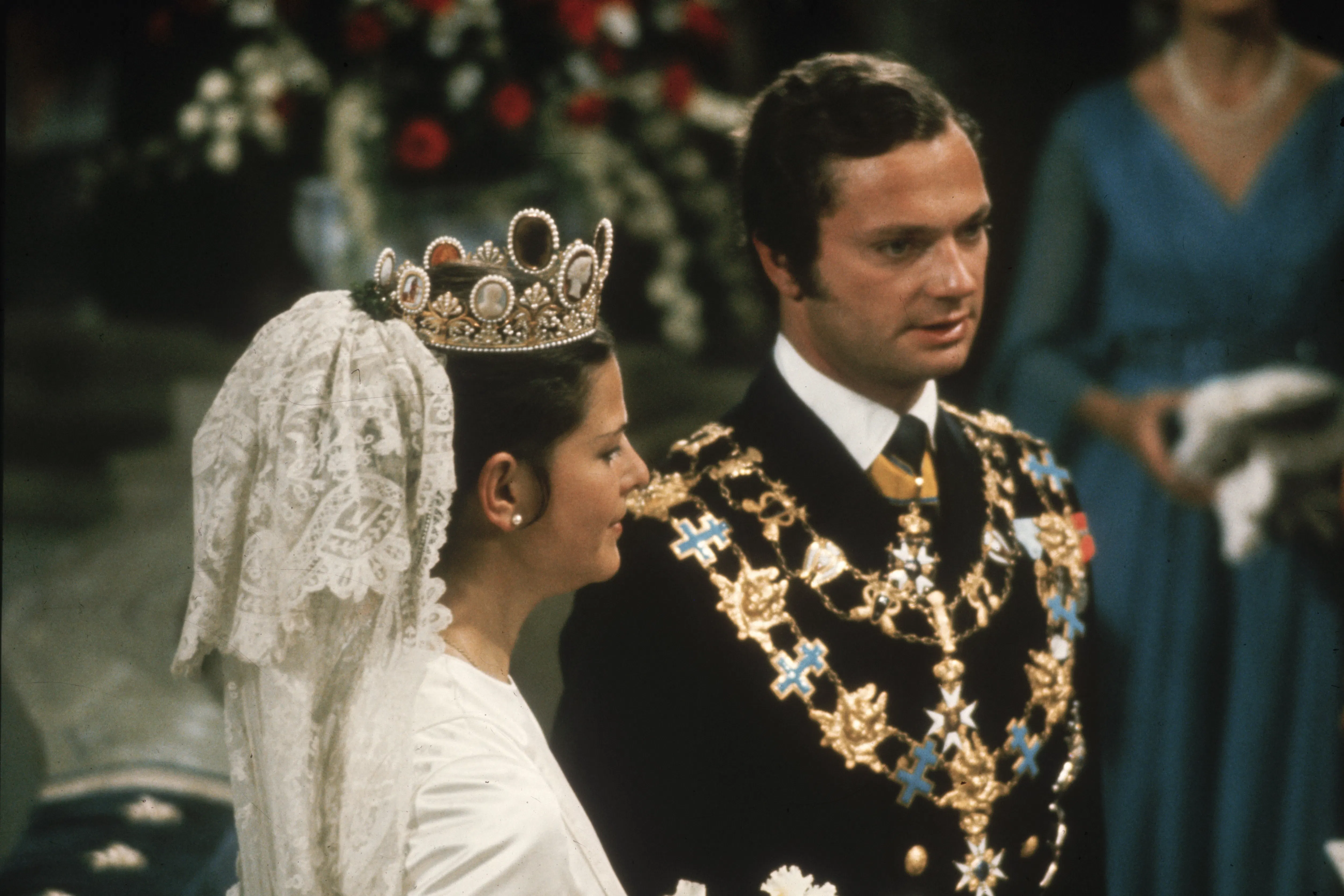
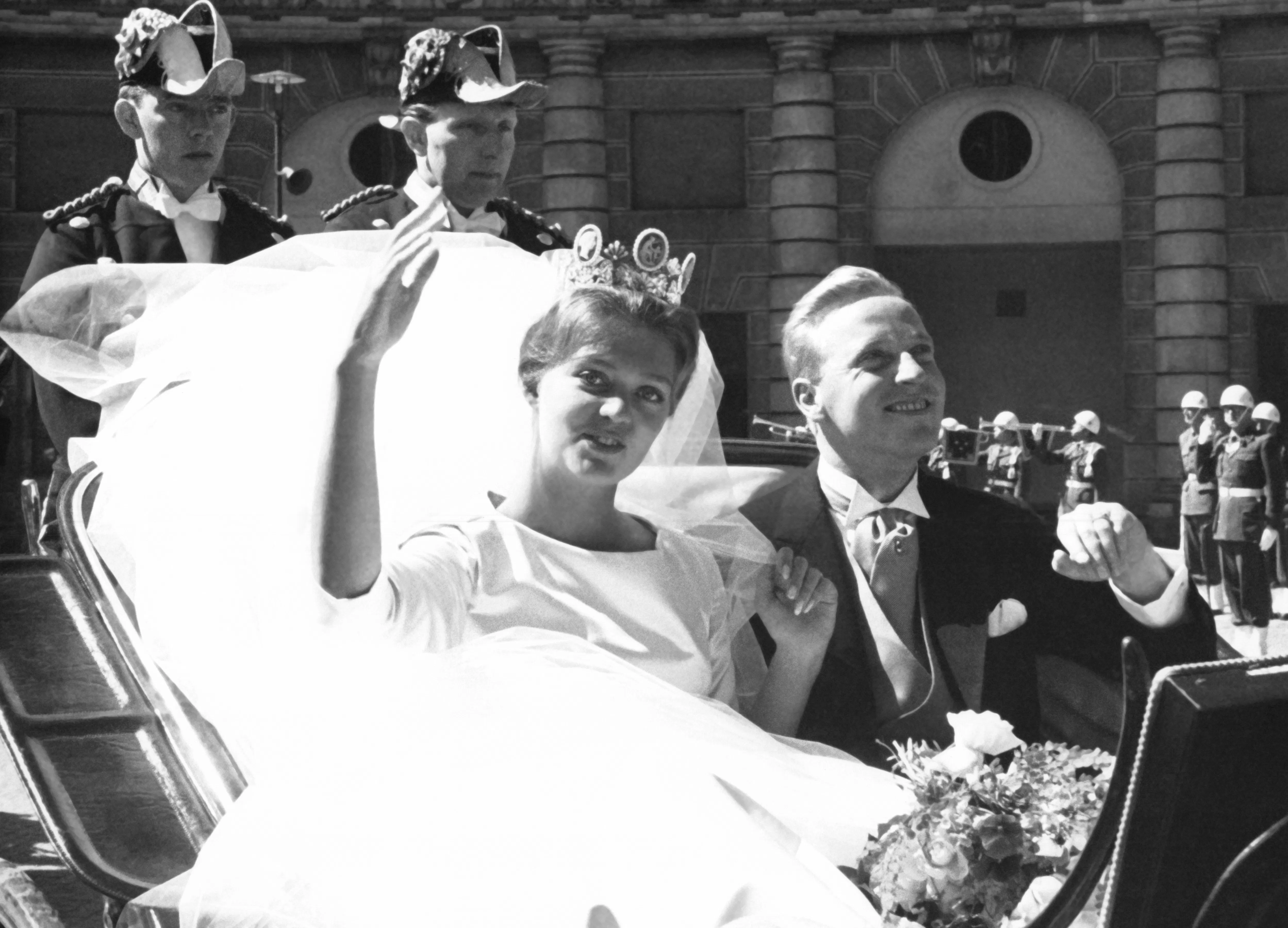
From that point on, the Cameo Tiara became firmly established as a Bernadotte wedding tiara. Sibylla’s daughters, Birgitta and Desiree, both wore it for their weddings in 1961 and 1964. After Sibylla’s death, the parure passed to her only son, King Carl XVI Gustaf. When he married Silvia Sommerlath in 1976, she also chose the cameo tiara for the ceremony.
See also: History’s Best Wedding Dresses
The most recent royal bride to wear the Cameo Tiara was Crown Princess Victoria, who selected it for her wedding in 2010. She and her husband Daniel Westling have two children, Prince Oscar and Princess Estelle. As the future queen, Estelle is likely to wear the tiara herself one day, continuing a tradition that began more than two centuries ago, even if that moment, for now, remains comfortably far off.