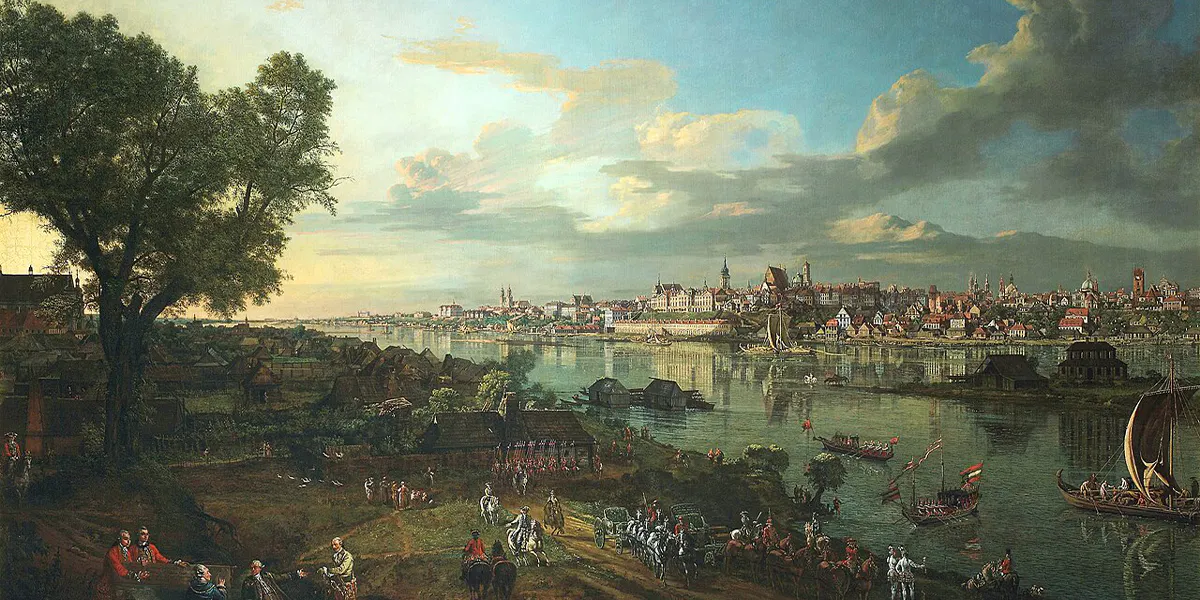
Venice-born Bernardo Bellotto was a celebrated 18th-century artist known for his cityscapes. From a young age, he learned about urban landscape painting from his uncle, Giovanni Antonio Canal, also known as Canaletto. With his uncle's guidance, Bellotto also used the name Canaletto; he became known as 'Canaletto of the North' as he traveled across Northern Europe.
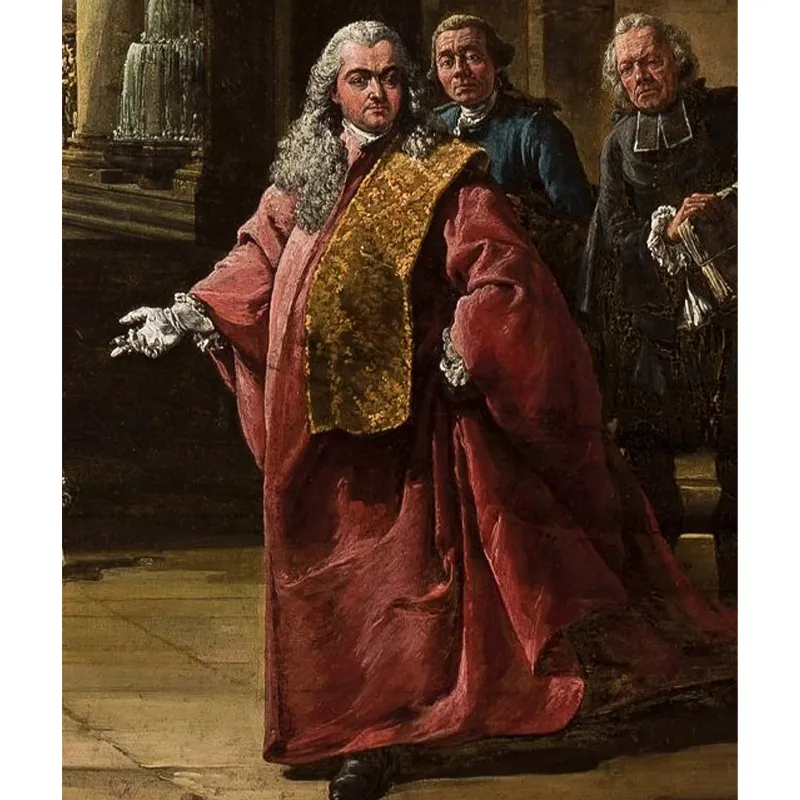
It was in Warsaw that Bernardo Bellotto made his most indelible mark. In 1766, Bellotto was invited to become the court painter and masterfully documented the vitality of the Polish capital in about 30 views. These were more than mere paintings; they served as historical records, created with photographic precision.
Related: Canaletto: The Spirit of Venice
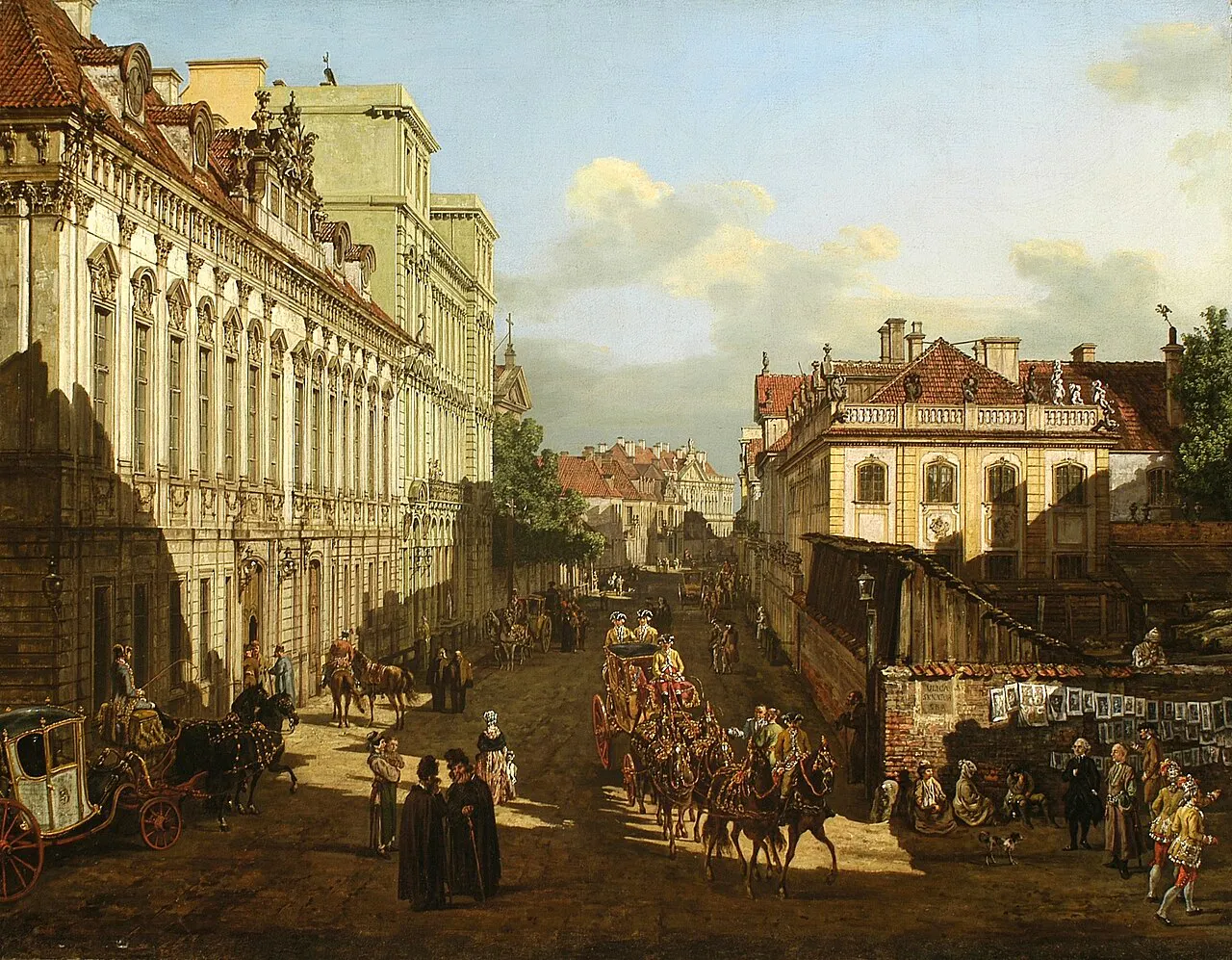
Bellotto's expertise in perspective drawing likely led him to use tools like the camera obscura or camera lucida. These devices helped artists achieve the detailed accuracy typical of Venetian view painters. His extraordinary artistic skills and the photographic accuracy of his works proved crucial during the reconstruction of Warsaw after World War II.
Related: Did Vermeer Use a Camera Obscura?

His works became especially valuable after World War II, when over 85% of Warsaw had been destroyed or severely damaged. The Old Town was completely ruined, and the Polish government was faced with the decision to either build a new city or restore the old one. They chose to honor their history by rebuilding Warsaw as it was during its 'Golden Age.'

Bellotto’s paintings, which captured both the appearance and spirit of Warsaw, were instrumental in the city's reconstruction. His detailed and realistic views captured the soul of the city, providing a valuable reference point for architects.
Want to receive articles like this straight to your inbox? Subscribe to our newsletter!
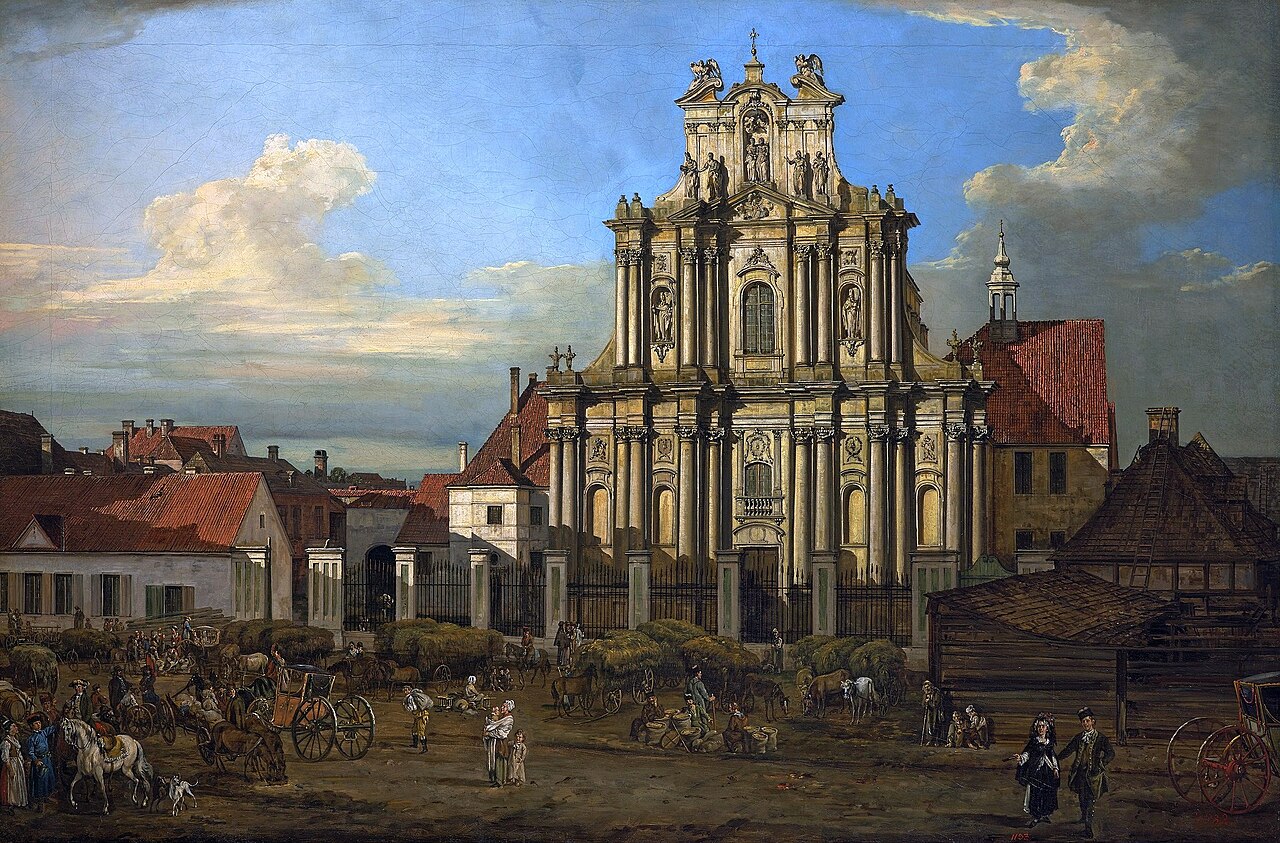
The result is a beautifully rebuilt Warsaw, which, after a meticulous restoration, was recognized in 1980 when its historic centre was listed as a UNESCO World Heritage Site.
Warsaw was revived not just through reconstruction but also through art. Bernardo Bellotto has proven that art goes beyond canvas and brushes — it is a tool for restoring beauty and hope.