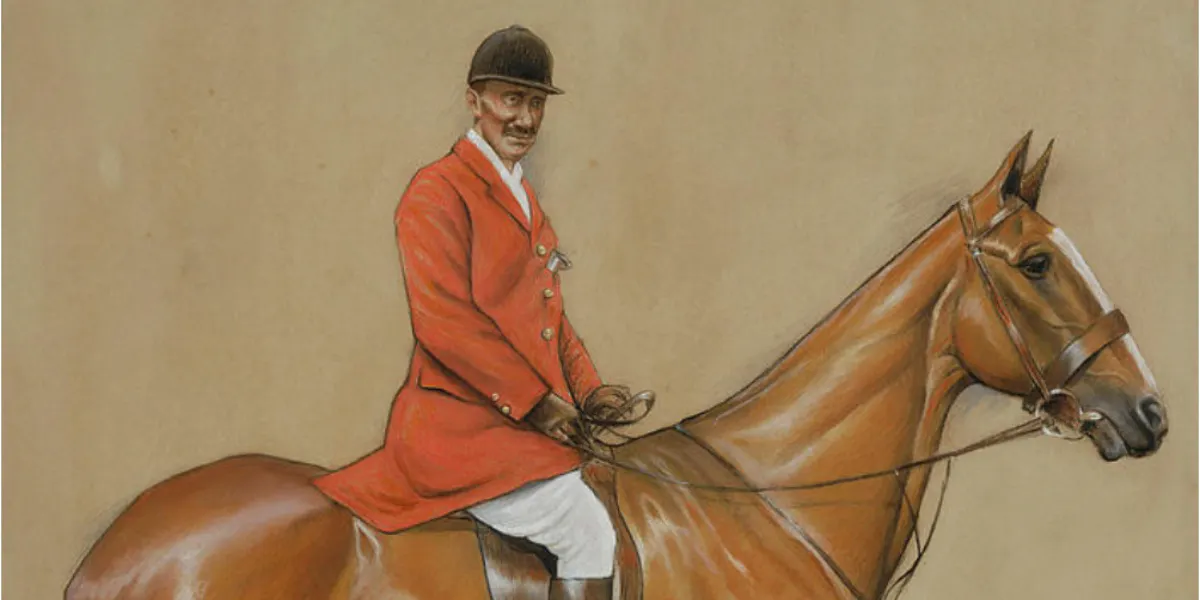
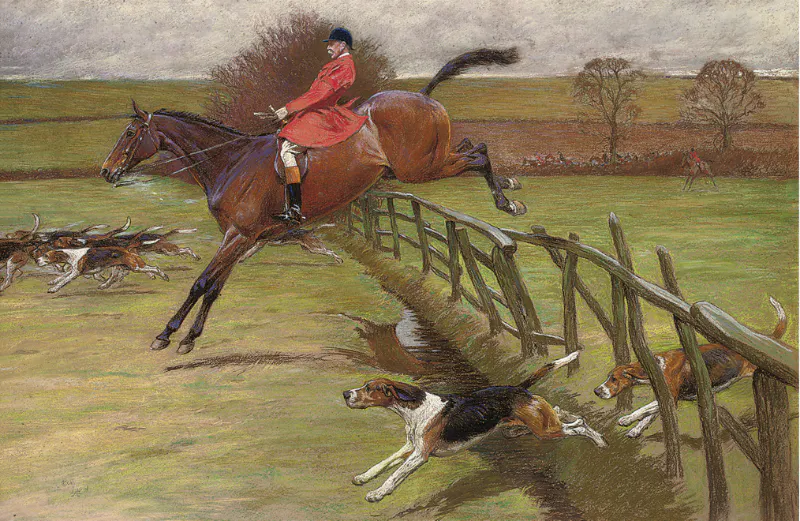
Cecil Charles Windsor Aldin, born in Slough in 1870, was a British artist and illustrator most known for his sketches of animals, sports, and rural life. He depicted mainly rural buildings and animals in chalk, pencil and wash sketches. As a passionate sportsman, he was a Master of Fox Hounds and chose hunting as the subject of countless of his works.
Related: More Than Just Sports: The Art of the Olympic Games
Inspired by his builder father, who had a second job as an amateur artist, Cecil started his journey in the art world studying in the studio of Albert Joseph Moore in Kensington. Aldin, however, was uninspired, perhaps because the art he sought to create was far removed from Moore's decadent depictions of women.
He thus moved on to South Kensington's National Art Training School, where he studied animal anatomy. It was this passion for capturing all different kinds of animals that impassioned Aldin, and the artist sold his first drawing to The Building News in 1890.
From here, his career as an illustrator was propelled to new heights. In 1892, he rented a studio in Chelsea and drew for The Illustrated London News, visiting the London Zoological Gardens to feed his love for capturing animals with his pencil.
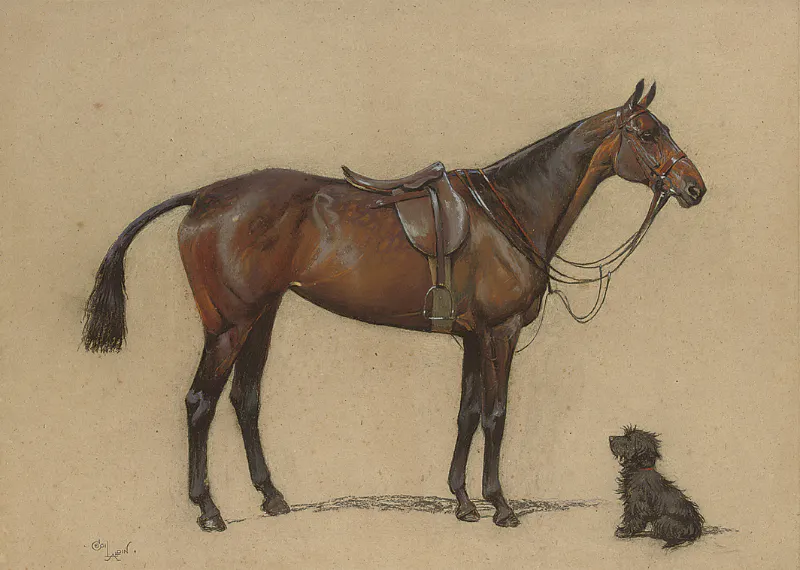
In 1894, Aldin became associated with one of 20th-century literature's most famous books, having been commissioned by The Pall Mall Budget to illustrate their series of stories from Rudyard Kipling's The Second Jungle Book.
Related: The Best Selling Novel of All Time
Together with other contemporary genre painters, he then founded the London Sketch Club, and in the first decade of the 20th century, he joined the Chelsea Arts Club. In 1908, he had his first exhibition in Paris. In the city, Aldin was a roaring success, and a 1909 exhibition lead to the artist achieving global fame, particularly gaining popularity in America.
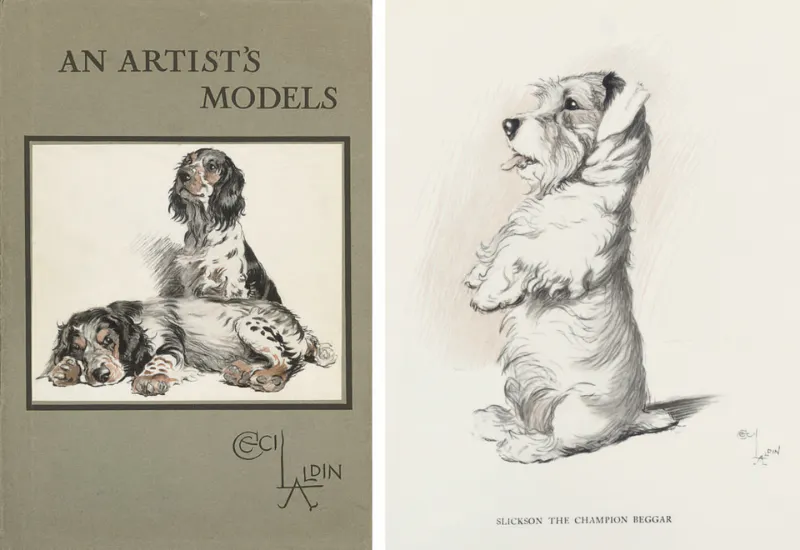
Back on British soil, he illustrated Charles Dickens' The Pickwick Papers. Outside of creating illustrations for some of the early 20th century's most beloved authors, Cecil made a number of his own books featuring his drawings. Aldin's Sleeping Partners featured his two favorite furry models: his Irish Wolfhound Micky and Cracker, a Bull Terrier, who had a dark patch of fur on one of his eyes.
Want more articles like this delivered straight to your inbox? Subscribe to our free newsletter!
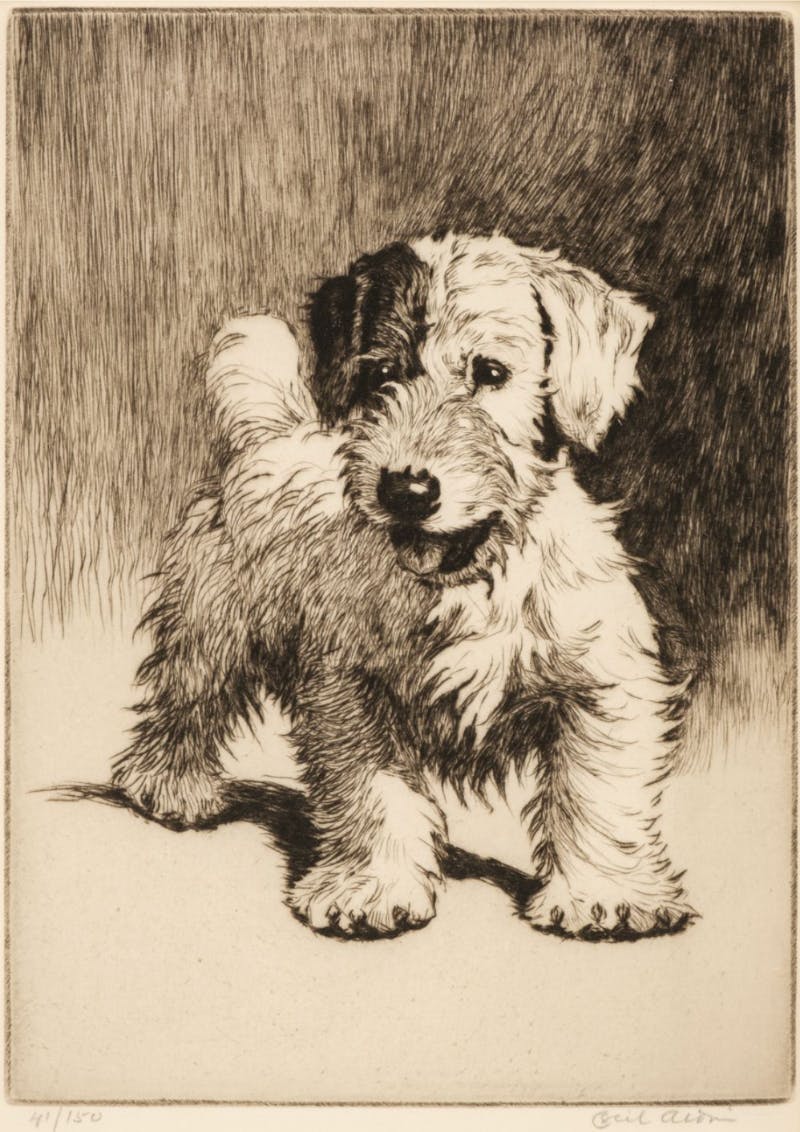
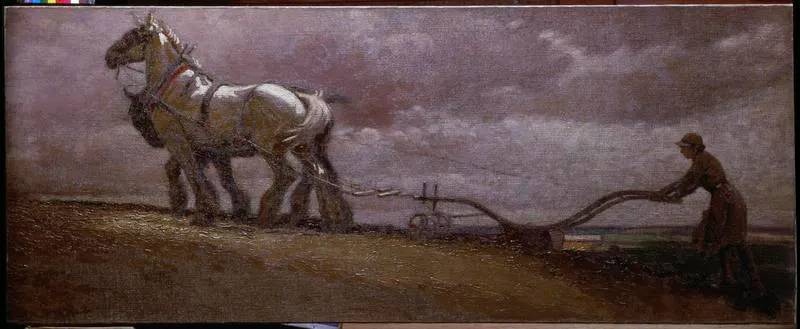
At the outbreak of the First World War, Aldin became a Remount Purchasing Officer in charge of an Army Remount Depot, the body responsible for the purchase and training of horses. As an experiment brought about by the lack of working men, he set up Remount Depots run entirely by women. The experiment was successful and he established several Ladies’ Army Remount Depots. From this period, his painting A Land Girl Ploughing is considered one o the most iconic images of the work of the Women’s Land Army in WWI.
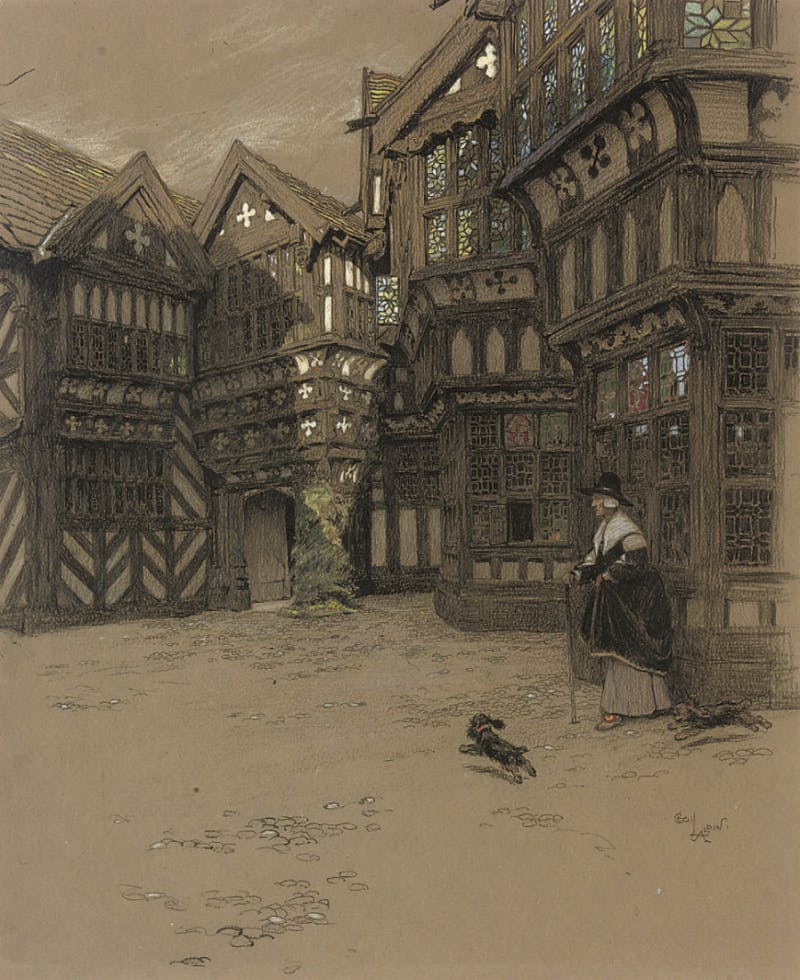
After the war, Aldin spent the majority of his time organizing pony and dog shows, continuing to paint equestrian portraits and creating magazine and book illustrations, as well as painting his own dogs in endearing sketches. In 1920, he created further prints of hunting scenes in the series The Hunting Countries, and in 1923, he illustrated two books, Old Manor Houses and Old Inns, showcasing his talent for depicting rural scenes.
Related: 7 Paintings of London You Should Know
From 1885 to the 1930s, in what is known as the ‘Golden Age of Illustration’, Aldin was one of the most popular and critically acclaimed artists of Europe and America, creating pastels, watercolors and later etchings of both comical dogs and grand equestrian scenes. He is credited with reinvigorating sporting art in England after the genre had become fatigued.