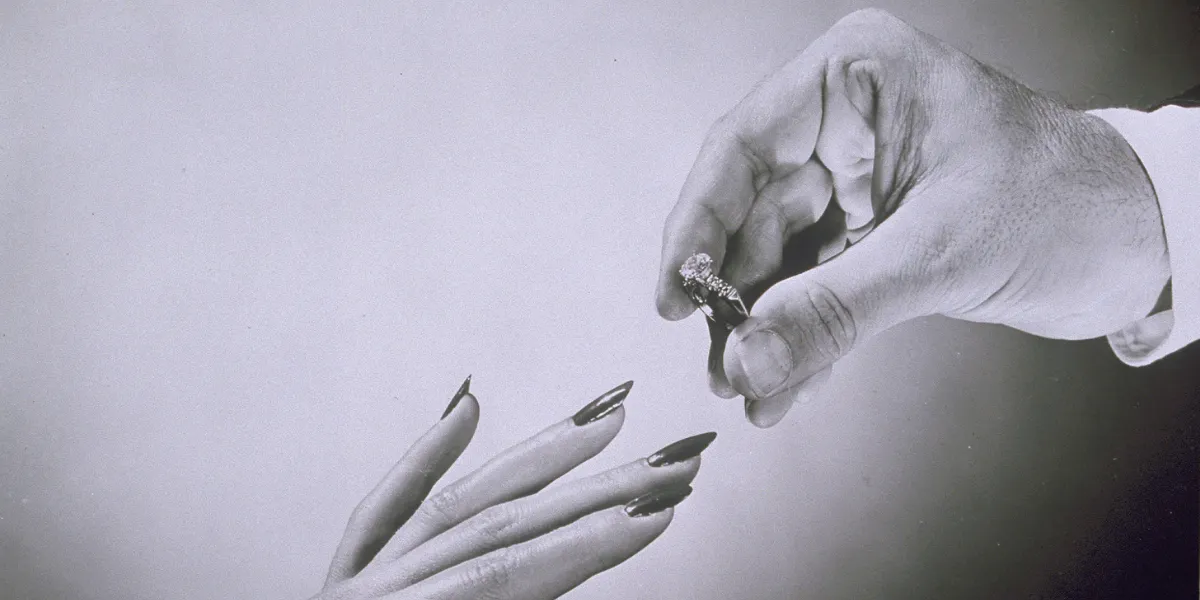
An engagement ring is both a personal and important purchase. While traditional jewelers offer convenience, auctions can offer a different kind of appeal. For those looking beyond the standard showroom experience, it's an approach worth considering.
Why Consider an Auction?
Auctions offer rings with more character and history than you’ll typically find in retail. Many date from periods known for their craftsmanship and use of quality materials. They're often better value too, with lower markups than traditional jewelers. And for those thinking sustainably, choosing a pre-owned piece is a more ethical option than buying something newly mined.
See also: History's Most Famous Engagement Rings
Shopping With or Without Your Partner
Whether you shop together or go solo, seeing the ring in person is worth the effort. A viewing helps you gauge scale, quality, and fit — details that photos can’t fully capture. If your partner isn’t involved, check whether the auction house offers resizing in case the ring isn’t quite right.
Getting the Right Size
To keep things a surprise, you can borrow a ring your partner wears on the same finger or trace its inner diameter on paper. Simple solitaire bands and plain bands are easy to resize, but intricate or antique settings may not be. Ask the specialist beforehand to know what’s possible.
Understanding Stones and Value
Before you bid, it’s essential to understand the Four Cs: cut, colour, clarity, and carat. The cut refers not to the shape of the stone, but how well it has been proportioned, something that directly affects its brilliance. Colour is graded from D, which is completely colourless, to Z, which shows visible yellow or brown tones. The closer to D, the rarer and more valuable the stone. Clarity relates to internal or surface imperfections, most of which are microscopic and invisible to the naked eye. Finally, carat is the measure of the stone’s weight. While many people fixate on size, a well-cut smaller stone can often outshine a larger one that lacks quality.
Gemstones Beyond Diamonds
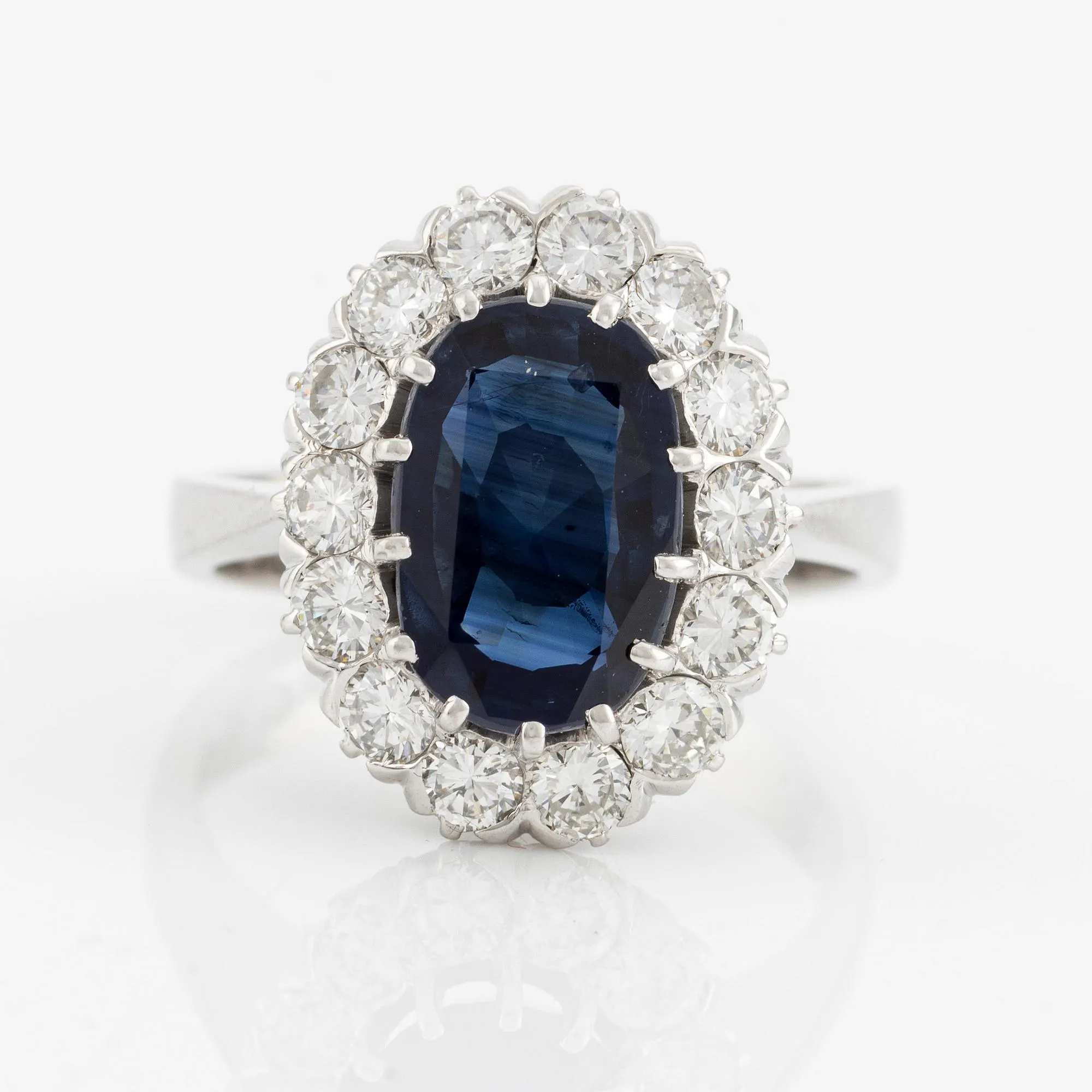
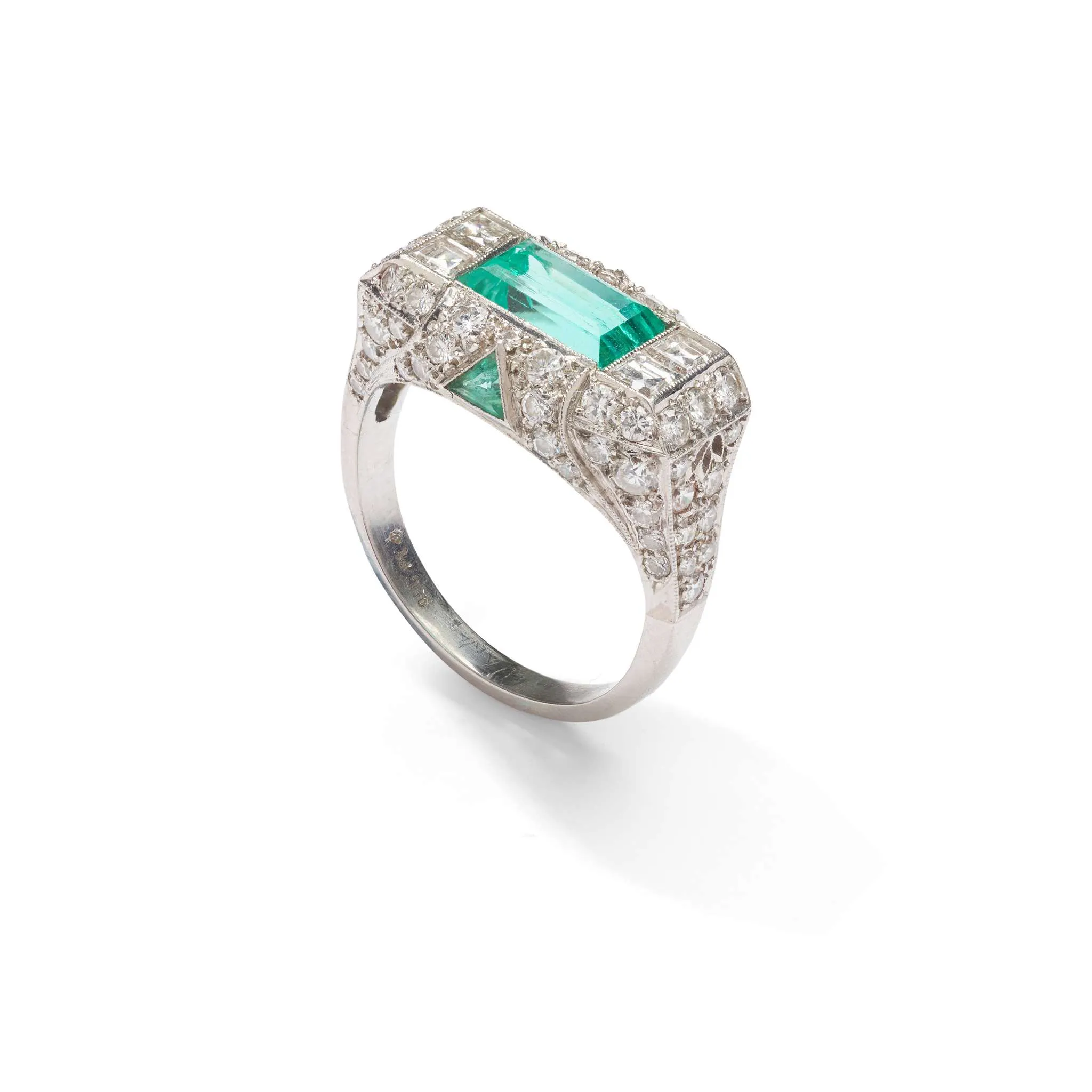
Though diamonds remain the most popular choice for engagement rings, coloured stones offer character and depth. Sapphires, symbolising loyalty, are durable and have a royal pedigree, famously worn by Princess Diana. While best known in deep blue, they also come in pink, yellow, and other shades. Emeralds, with their vivid green hue, symbolise renewal, though they’re softer and require more care. Rubies, tied to passion, are rarer than diamonds in high-quality specimens and bring a rich, distinctive presence to any ring.
See also: Gemstones: 5 Interesting Facts
Choosing the Right Cut
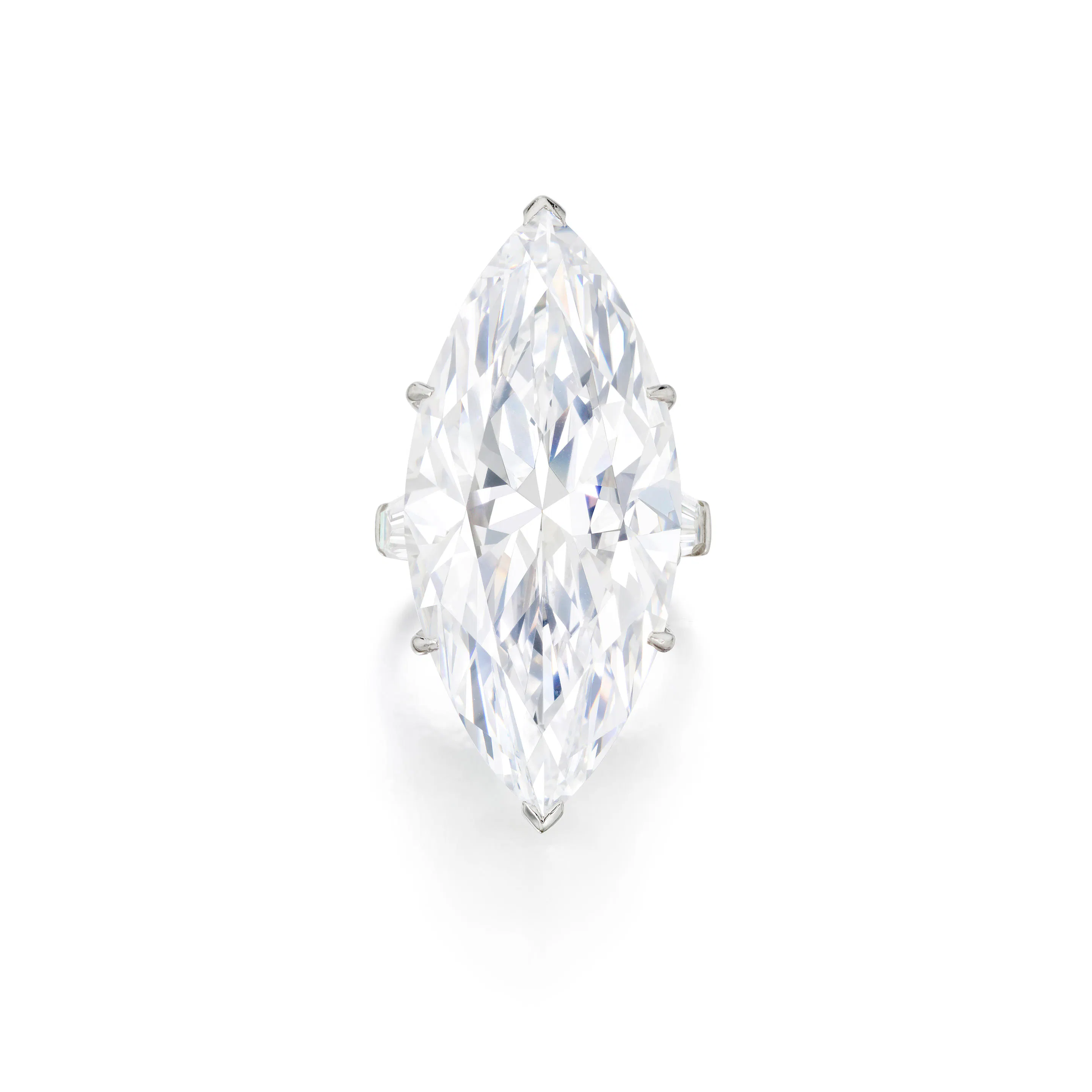
The shape and cut of a stone can transform the entire look of a ring. Round stones are timeless and flattering, while oval cuts create an elegant, elongated effect. Cushion cuts evoke a vintage softness, and Art Deco designs often feature Asscher or emerald cuts, which highlight symmetry and clarity. More distinctive shapes like marquise or pear add individuality and flair.
Choosing the Right Setting
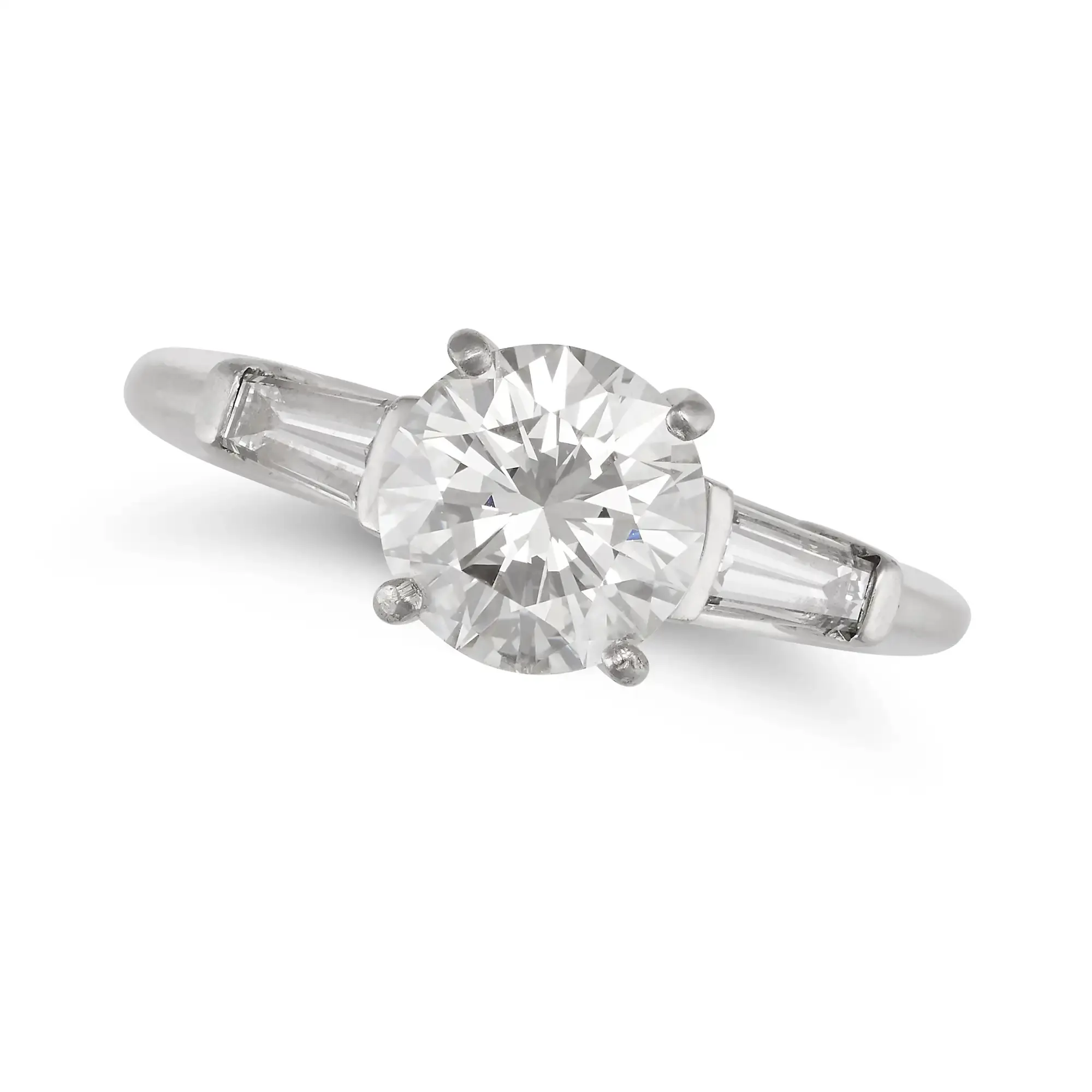
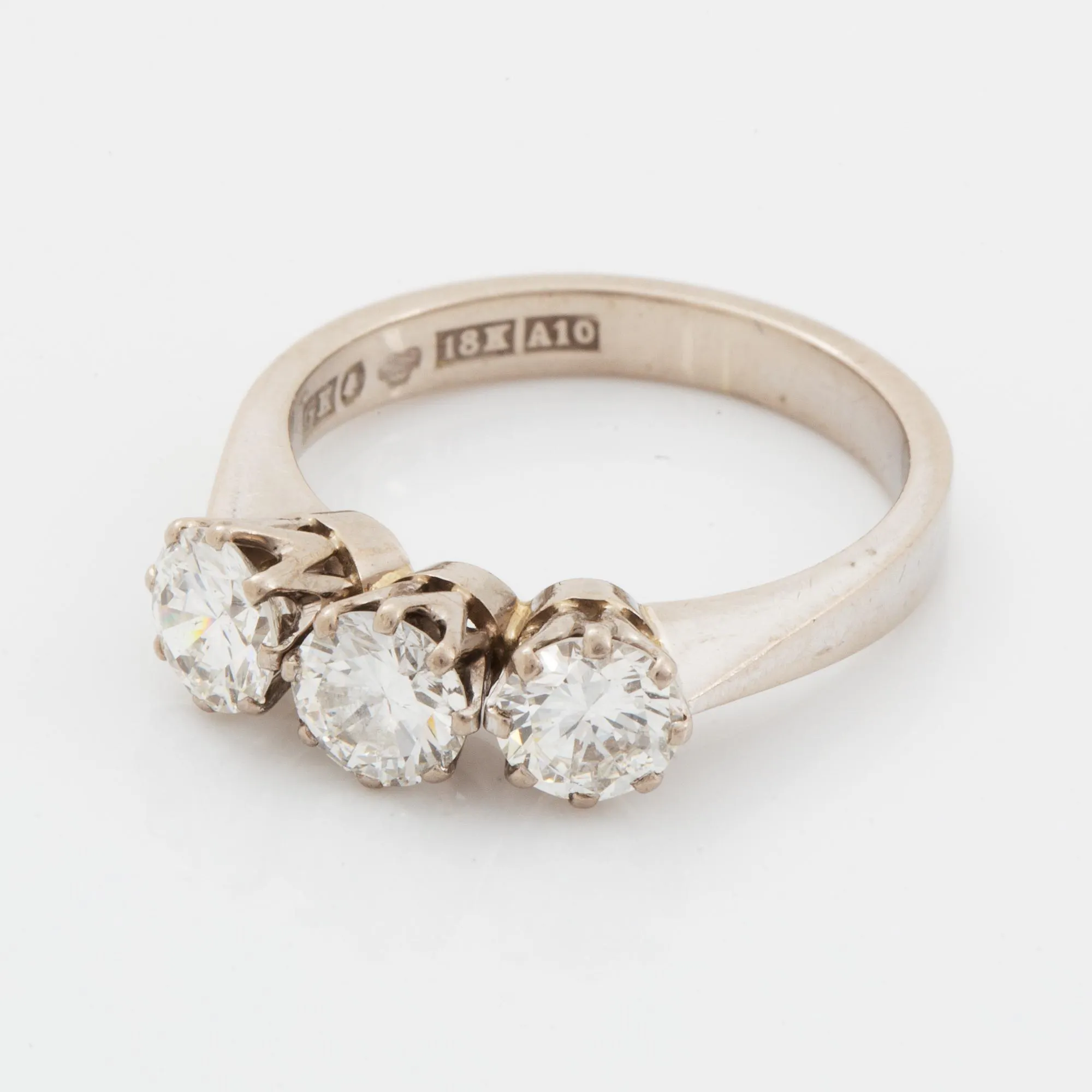
Equally important is the setting. Classic styles include solitaires, trilogy rings, and halos — the trilogy often said to represent the past, present, and future. The setting also affects durability. Prong settings maximise light but require regular checks. Bezels offer a sleek, protective alternative, encasing the stone in metal. Pavé bands provide sparkle but can complicate resizing, as can antique designs and full eternity bands. It's important to confirm what adjustments are possible before placing a bid.
Want more articles like this straight to your inbox? Subscribe to our free newsletter!
Don’t Be Afraid to Reset
One of the advantages of buying at auction is the flexibility it offers. If you find a beautiful stone in a setting that doesn’t quite suit your taste, the setting can often be changed. Many buyers choose to remount antique or vintage stones into custom designs that reflect their partner’s style. Just be sure to factor any redesign or resetting costs into your overall budget.
Looking Beyond Rings
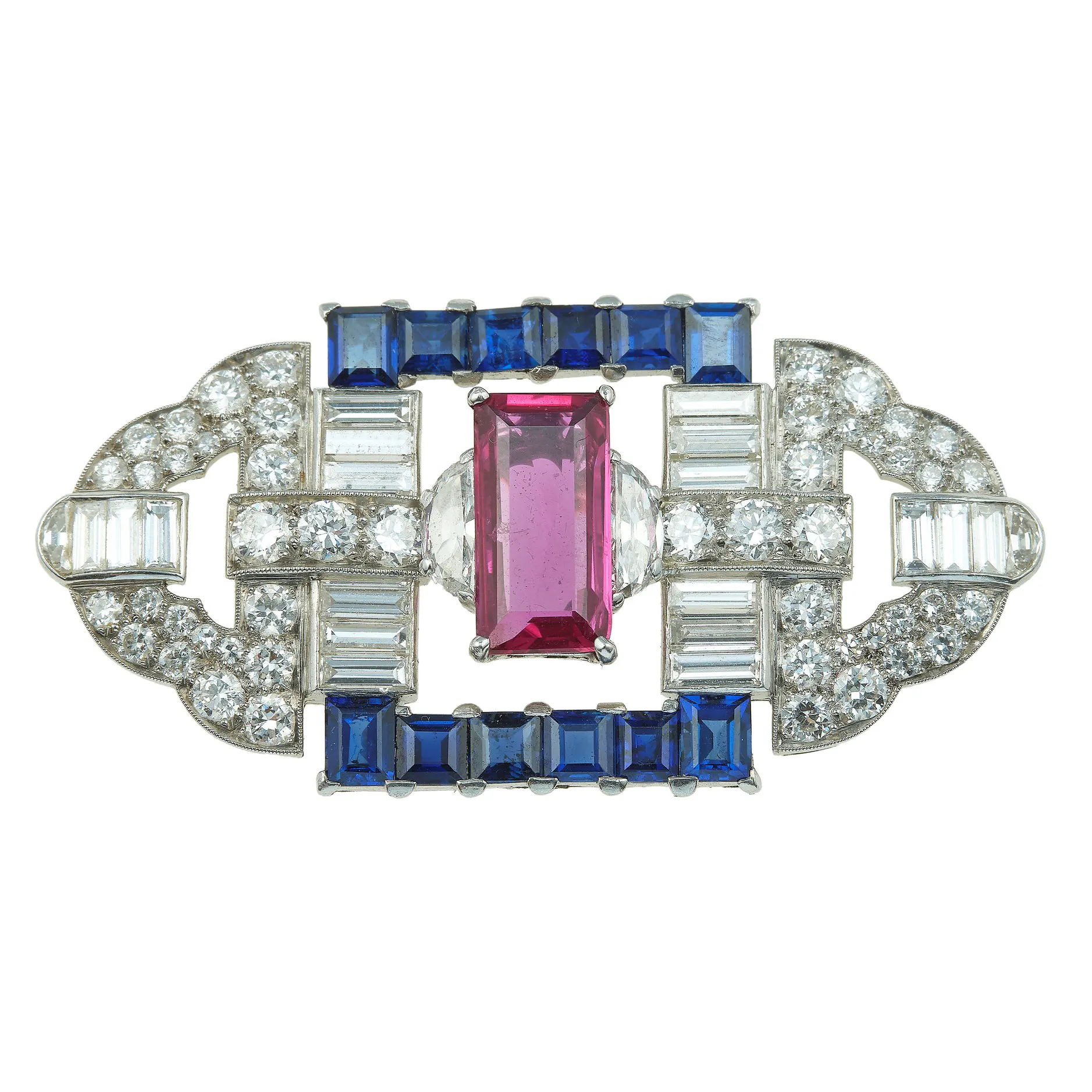
For those open to thinking creatively, it's worth browsing beyond engagement rings. Antique brooches, pendants, or earrings often feature high-quality stones that can be reset into rings. Brooches, in particular, tend to be undervalued in today’s market, which means you may be able to source an excellent stone at a lower price.
Materials: Gold or Platinum?
The choice of metal affects both the look and practicality of a ring. Platinum is highly durable and hypoallergenic, with a cool tone that suits both antique and modern styles. Gold offers more variety: yellow adds warmth, white feels contemporary, and rose has a soft, vintage charm. Antique rings often feature yellow gold, while mid-century and modern designs tend to favour white gold or platinum.
What to Know About Certification
Reputable auction houses typically provide gemological certificates for high-value stones. These are usually issued by respected institutions such as the Gemological Institute of America (GIA) or the Hoge Raad voor Diamant (HRD). A GIA certificate is widely recognised as the industry standard. If a ring doesn’t come with documentation, you can ask whether certification can be arranged after the sale. This is especially useful for insurance purposes.
See also: Barnebys’ Guide to Diamonds
Don’t Stress About Every Detail
It’s easy to get overwhelmed by technical jargon when shopping for a ring, especially for the first time. But not every imperfection matters. For example, graining — natural crystal growth within a diamond — is typically invisible and does not affect its durability. Fluorescence, the subtle glow some diamonds emit under UV light, also has little to no impact on how a stone appears in everyday lighting. Unless you’re shopping at the very top of the market, it’s better to focus on the overall beauty and condition of the ring, rather than chasing lab-perfect specifications.
Designer Names and Added Value
Rings from well-known jewelry houses such as Cartier, Van Cleef & Arpels, Tiffany, or Harry Winston often hold their value better over time. In some cases, these branded pieces can be considered investment-grade jewelry. Buying such rings at auction can also be far more cost-effective than purchasing them new, as the retail markup on luxury jewelry can exceed 200 or even 300 percent.
Stick to Your Budget
Auction bidding can be thrilling, but it’s important to remain clear-headed. Always account for the buyer’s premium, which is added on top of the final hammer price, and know your maximum bid in advance. If you find yourself emotionally invested in a particular piece, remind yourself that another beautiful ring is always just around the corner!