
With some attic finds bringing their lucky owners into fortunes of millions, it’s no surprise these stories make headlines. Here are six of the most sensational:
6. Famille-Rose porcelain vase

When this porcelain vase was found in a box in the attic of a small house in the French countryside, it had been hidden away for quite some time: it came to the family when the owner's grandparents inherited the vase after a relative's death in 1947.
Upon rediscovering the vase, they rolled it in a piece of newspaper, put it in a shoebox and got on the train to Sotheby's in Paris. When they presented it at the auction house, the experts there received quite the shock.
The find was no cheap souvenir, but a Yangcai’ Famille-Rose porcelain vase. More precisely, a Yangcai created in the royal workshops of Jingdezhen during the Qianlong period (1736-1795). The design is called ‘tour de force’ with detailed decoration of floral motifs and idyllic landscape scenes.
See also: Snuff Bottles: Still up to Snuff
Sotheby's estimate price was between $580,00-820,000. A bit conservative, considering the hammer finally went down at an outstanding $19 million in June 2018.
5. Omega Speedmaster
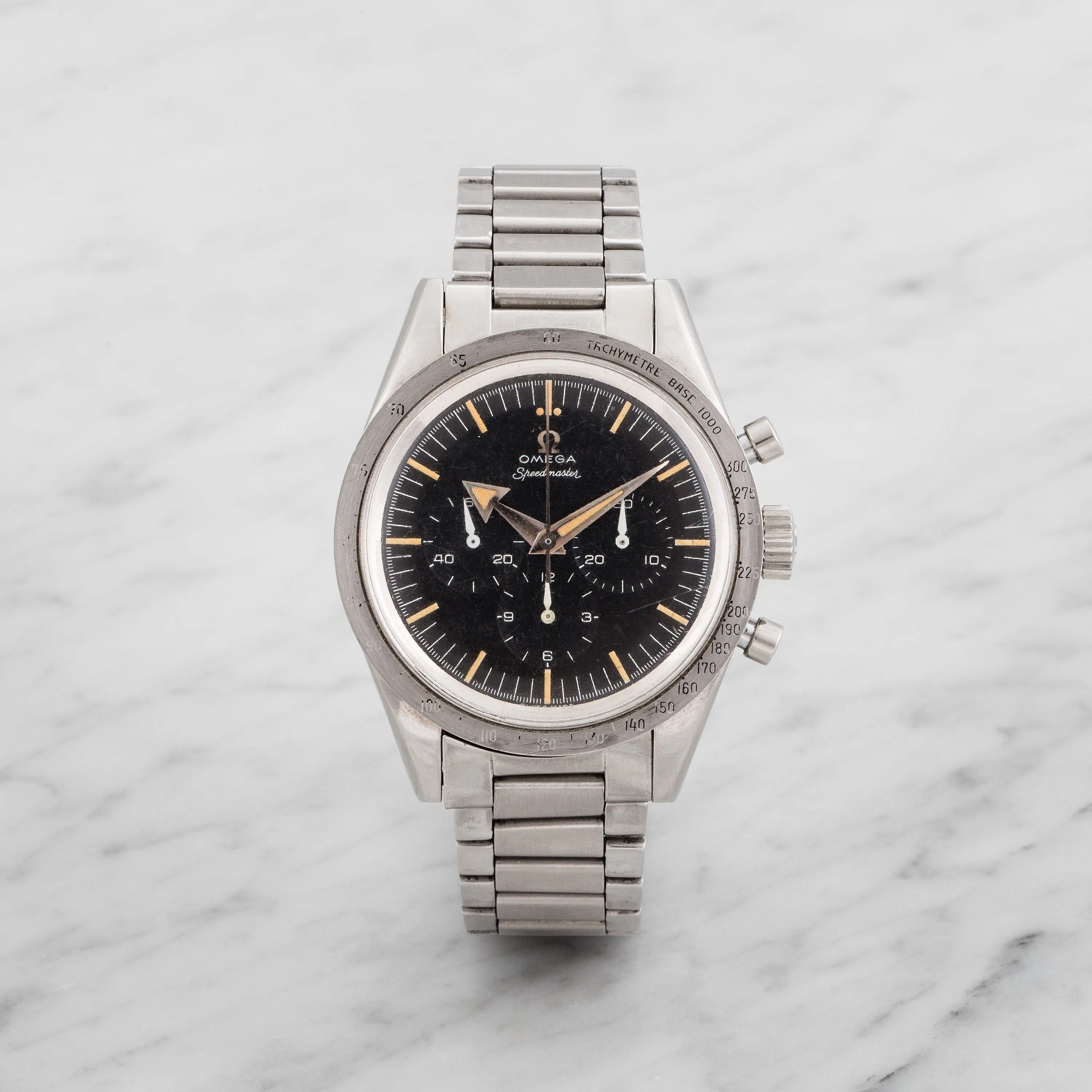
The market for wristwatches is only continuing to increase, and it’s oftentimes not surprising when a watch makes an auction record.
What's more surprising is when an untouched, unprecedented Omega Speedmaster 2915-1 is excavated out of an attic. This wristwatch, sold at Bukowskis in 2017, was discovered when the owner's son, unaware of its value, found the watch in a small box in the attic.
The auction included around ten bidders from different parts of the world. The final price ended at $225,700, which broke not only Bukowskis’ auction records, but also made a new world record for a watch from Omega.
4. Marie Krøyer's artworks

Twenty years ago, a collection of close to sixty previously unknown paintings and drawings by Danish artist Marie Krøyer was found in an attic in Dalarna, Sweden.
Krøyer was a promising young artist who laid down her brushes shortly after she married the successful Skagen painter Peder Severin Krøyer. She then instead became his most distinguished model and her beauty became famous throughout the country. After her painting years, there were only around 20 of her famous works known.
See also: Top Ten Rediscovered Masterpieces, According to Barnebys
The marriage became turbulent and she soon left Denmark for Tällberg. With her, she took her artworks and legacy.
When this art treasure was found in the attic in Dalarna, it had been there for over 40 years. Overnight, Danish art history was rewritten.
3. Sunset in Montmajour by Vincent van Gogh
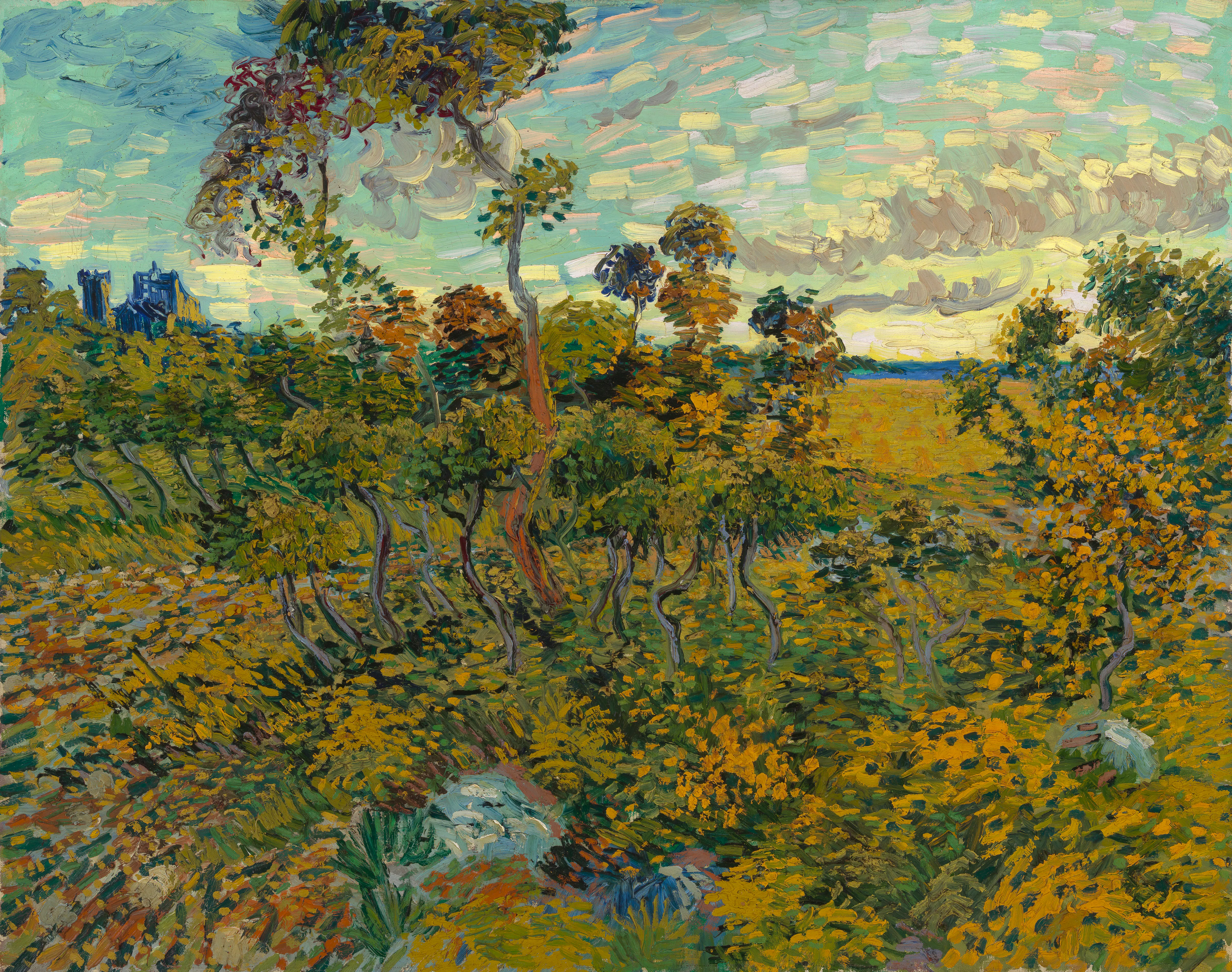
It was during a spring cleaning of the attic at the the home of a Norwegian art collector that this oil painting was discovered in 2013. The canvas had been procured by the industrialist Christian Nicolai Mustad in 1908, but he later rejected it, believing that he had bought a fake Vincent van Gogh.
Sunset in Montmajour was painted in 1888 during the same period as van Gogh’s acclaimed Sunflowers and The Bedroom. Today, the painting has been verified as a true van Gogh after thorough examination but above all thanks to the letter from July 4, 1888, in which Vincent himself described the work.
See also: Small Pennsylvania Museum Discovers Rembrandt in its Collection
Montmajour's Sunset did not attract much attention at auction, but it has in visiting revenues at the Van Gogh Museum in Amsterdam, where the painting is now displayed.
2. A possible Caravaggio worth £100 million
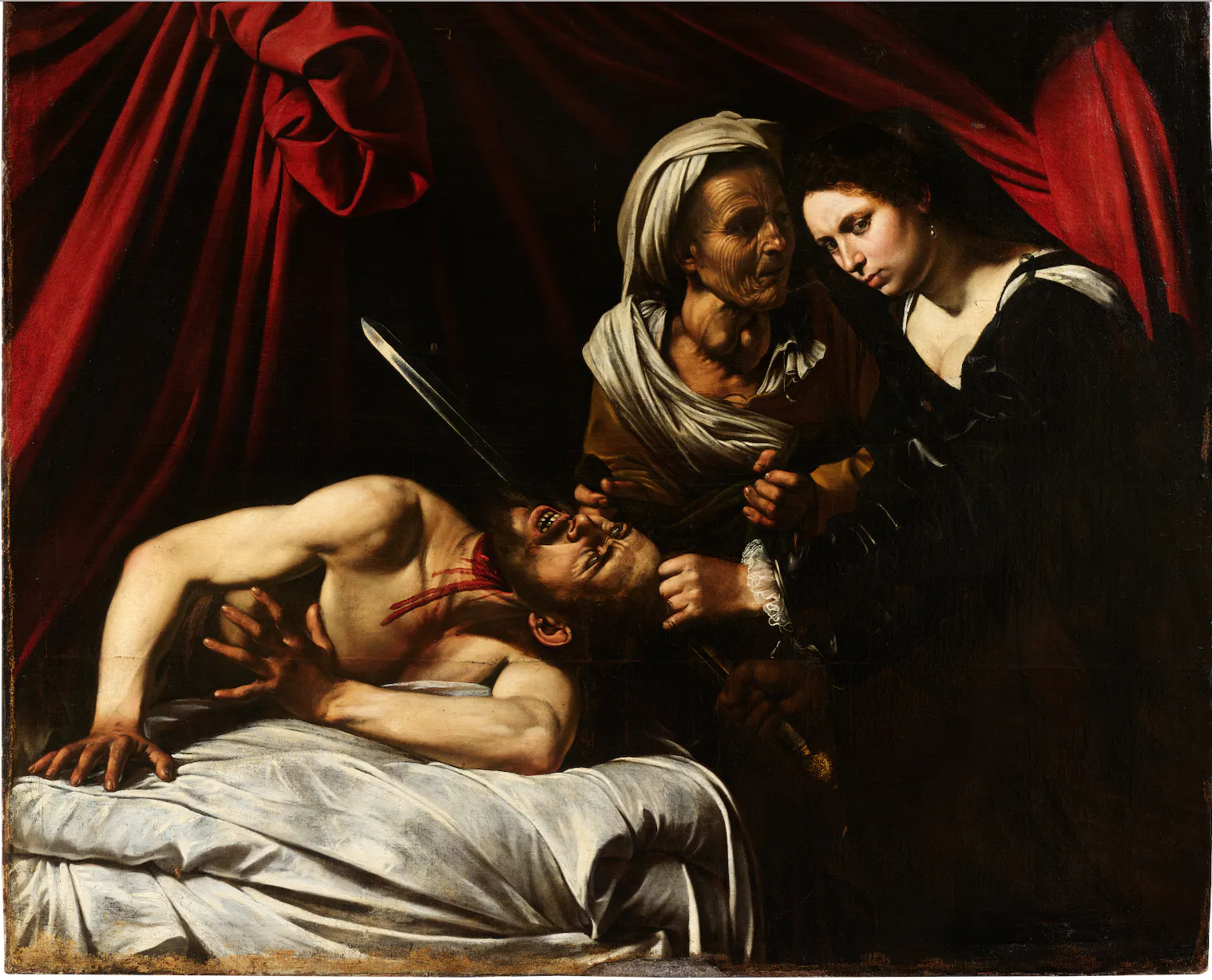
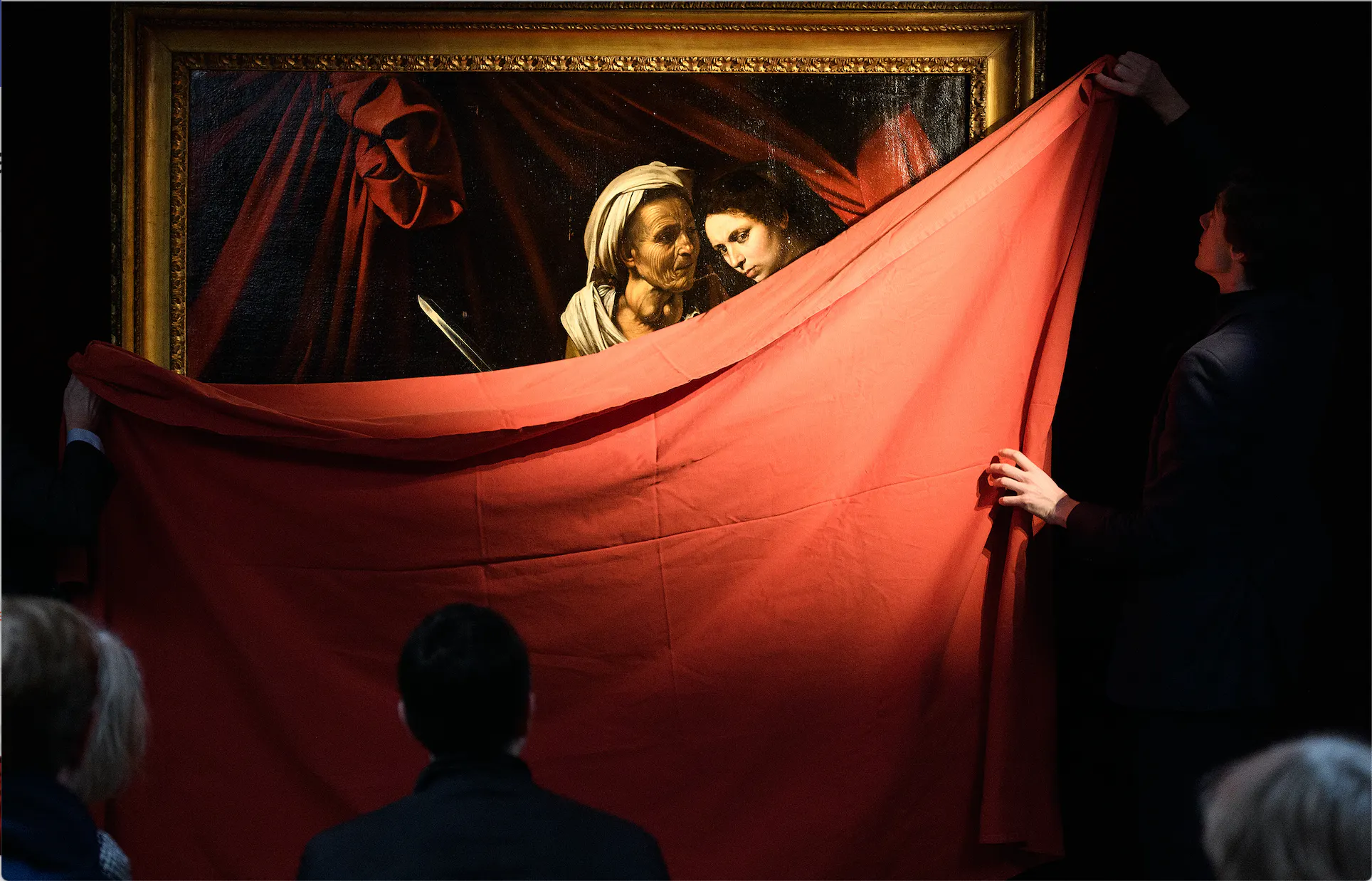
One of Caravaggio’s most prominent paintings is Judith Beheading Holofernes (c. 1598-99 or 1602), found in the Galleria Nazionale d'Arte Antica at Palazzo Barberini, Rome. What many do not know is that Caravaggio possibly painted a second version of this biblical scene: in 2014 one such example was discovered.
From various sources, it is known that Caravaggio shared a studio with the artists Louis Finson and Abraham Vinck while he worked in Naples. When Caravaggio left the city in 1607 he also left behind two paintings. One of them is believed to have been this second version of Judith Beheading Holofernes, which had been mentioned in the written communications of art dealers and Italian dukes, including the Duke of Mantua. The other was the Madonna of the Rosary.
The two painters Finson and Vinck moved to Amsterdam around 1609 and it is possible that Vinck took the two Caravaggio works with him. The next mention of the Judith Beheading Holofernes painting was in Finson’s will, who died 1617, when he decided to pass on his share of the two Caravaggios to Vinck. Two years later, Vinck died.
See also: Bronzino: An Ingenious Portraitist
After 1619, all traces of the second Caravaggio painting representing Judith Beheading Holofernes were lost (meanwhile Madonna of the Rosary was sold to a committee of Flemish painters and can today be found in the Kunsthistorisches Museum in Vienna). And then along came the discovery of a Judith Beheading Holofernes in an attic in Toulouse in 2014. When auctioneer Marc Labarbe saw the painting he knew it was something special and he decided to get an expert opinion. Eric Turquin analyzed the work in detail and came to the conclusion that it must have been painted by the great Caravaggio.
Although there is still doubt surrounding the authenticity of Judith Beheading Holofernes – some experts believe it may have been painted by Louis Finson – it was finally sold in 2019. Originally, the work was put up at auction for $110-170 million, but it ended up selling privately before the auction date to J. Tomilson Hill, the former vice chairman of asset management firm Blackstone and an avid art collector who is on the board of the Metropolitan Museum of Art. The price paid is unknown but it is believed to have been within the auction estimate.
Related: What’s in Your Attic? Retro Toys, Antiques or Vintage Ikea Furniture?
1. A dusty Rembrandt
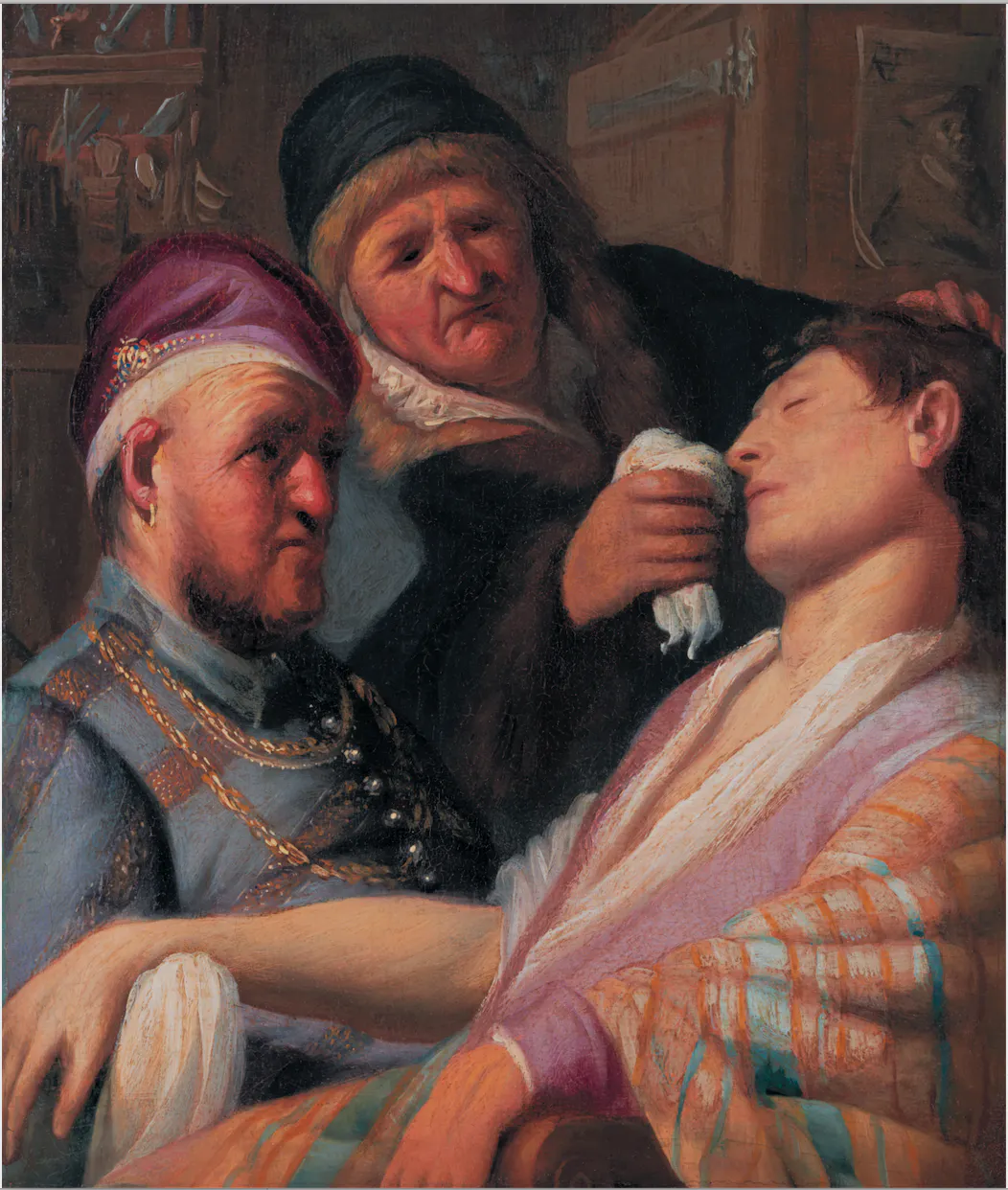
This story begins in 2015 in New Jersey, when a small dusty painting with an estimate of $500-800 was sold. It was titled Oil on Board, Triple Portrait with Lady Fainting and catalogued as “Continental School, 19thC., Appears unsigned”.
The painting drew some attention and two particularly interested bidders raised the price up to $870,000. The work was subsequently cleaned, revealing its brilliant palette and detailed brushwork. A monogram signature of RHF was also revealed in the upper right corner.
After careful examinations of the artwork, it was confirmed to have been signed by the hugely significant and well-known artist Rembrandt van Rijn. A sensational story but also a big win. It is said that the painting was sold to the Leiden Collection of New York for $4 million.
The discovery is one of five paintings that describe our senses. Previously, three were known from Rembrandt's collection – hearing, touch and sight. This latest find represents smell, which means that the fifth sense, taste, is still lost.
Who knows, maybe it will appear on Barnebys sometime in the future.
![Leonardo da Vinci, ‘Salvator Mundi’ [detail], c. 1500, oil on walnut panel. Photo: Christie’s](https://images.prismic.io/barnebys/5e0a74eb-b458-4bbd-a8cd-96b4201763b2_77f18b4d-e825-4b3c-918d-22646c46f6a3_fc31b48b979a772fc85eeb393a7751d5a694f922_1-16%2B2.jpeg?auto=compress,format)