
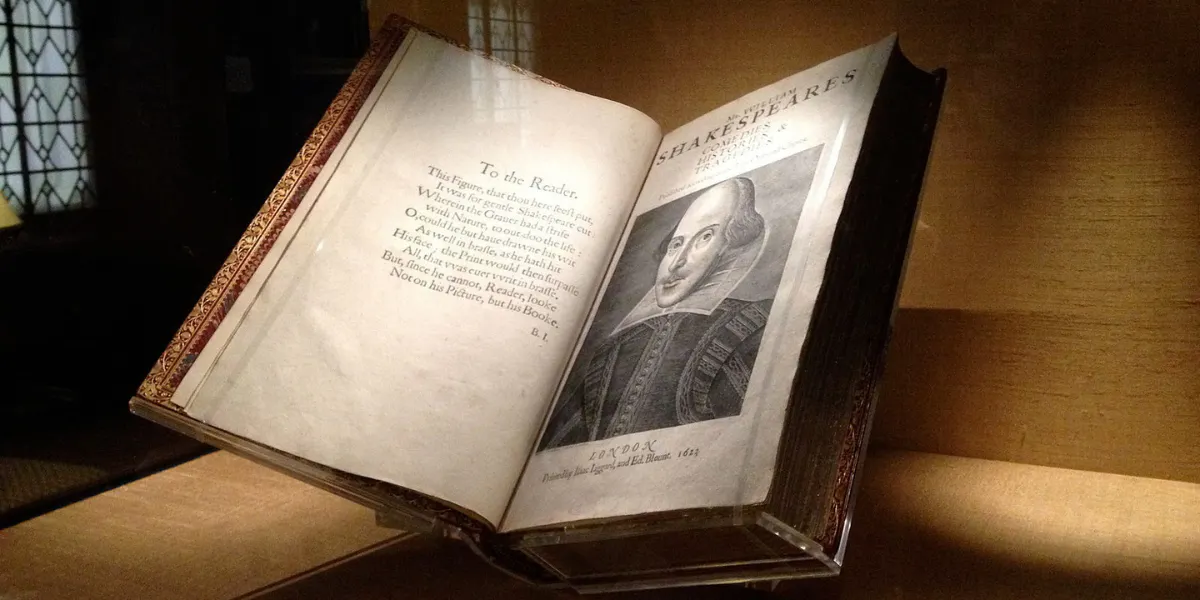
While almost everyone you ask would recognize the name of William Shakespeare, the names of John Heminge and Henry Condell are quite the opposite. Finding someone with even a slight familiarity with them would be an arduous task. And yet, thanks to these two men, friends and actors in Shakespeare's theatre troupe, the single most important collection of the writer's works were collected and published - the First Folio. The Folio, a collection of 36 of Shakespeare's plays, 18 of which had never been officially published before, was instrumental in elevating the playwright to the status he holds today, and is considered one of the most important literary works of all time. Initially published in 1623, this remarkable collection turns 400 this year, with its cultural importance continuing four centuries later.
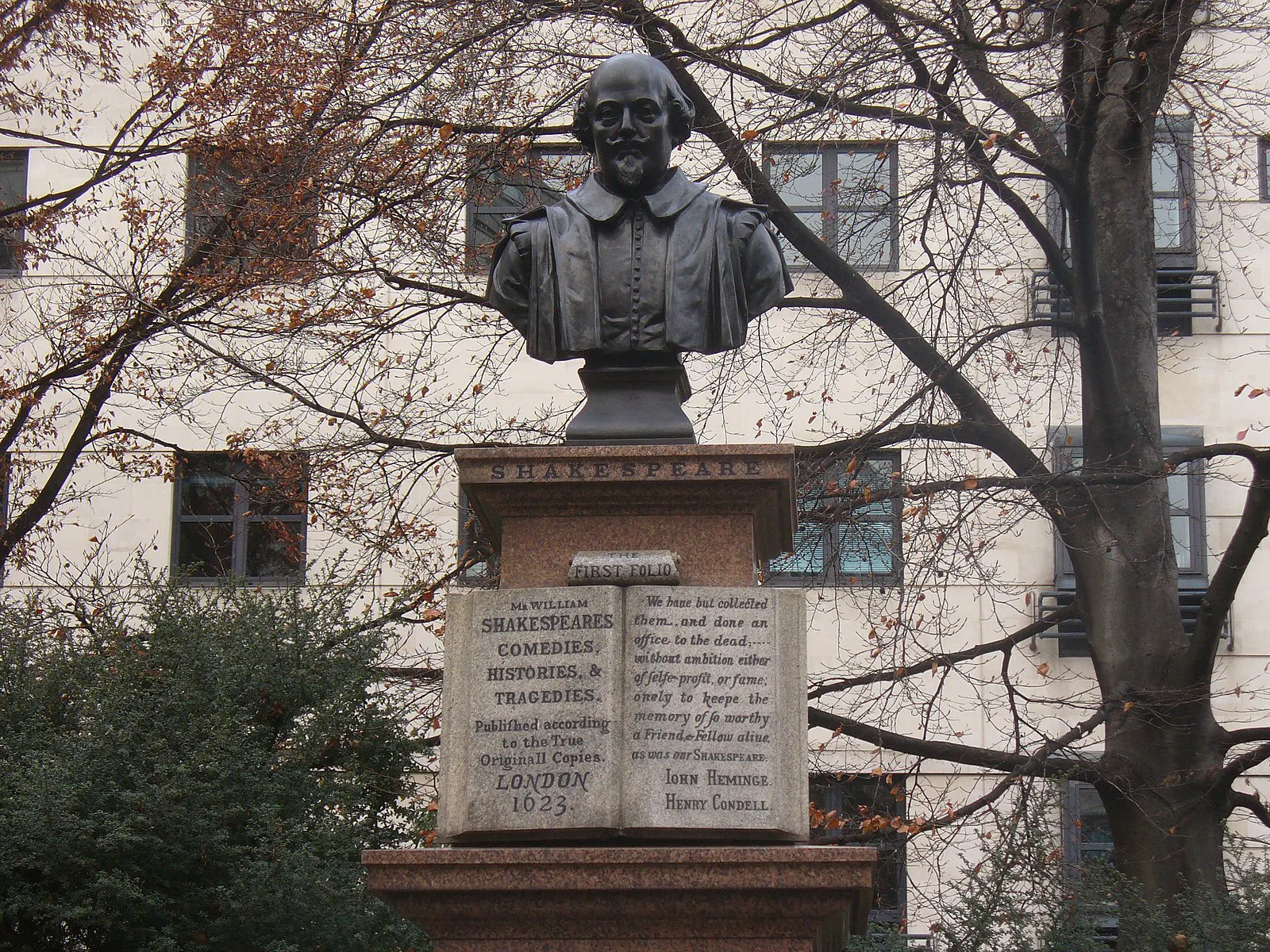
When Shakespeare died in 1616 at 52, many of his poems and plays were in printed circulation, but these were individual, non-compiled copies, not to mention the many works either pirated from the Bard by publishers or works by other writers that had been misattributed to him. After his death, Heminge and Condell attempted to compile as many of their friend's plays into a single manuscript (something unusual for the time, though not unprecedented). According to them, this was at least partially an attempt to replace these often bootlegged and bastardized versions of his work, instead offering them "to your view cured, and perfect of their limbes; and all the rest, absolute in their numbers as he conceived them."
Related: Shakespeare Sets A New Auction Record
Their efforts were commendable, as not only did they largely achieve this goal, but they also were able to officially preserve nearly 20 of the Bard's plays that had not yet been published on a commercial scale, including popular favorites such as Macbeth, The Tempest, Anthony and Cleopatra, and As You Like It. While some have disputed the popular claim that without the First Folio, all of these 18 plays would have been lost, the fact that two of the plays not included, Cardenio and Love's Labours Won, have indeed never been uncovered, suggests that at least some of them would probably have been lost without the efforts of these two men.
Related: 7 Greats and Their Favorite Fountain Pens
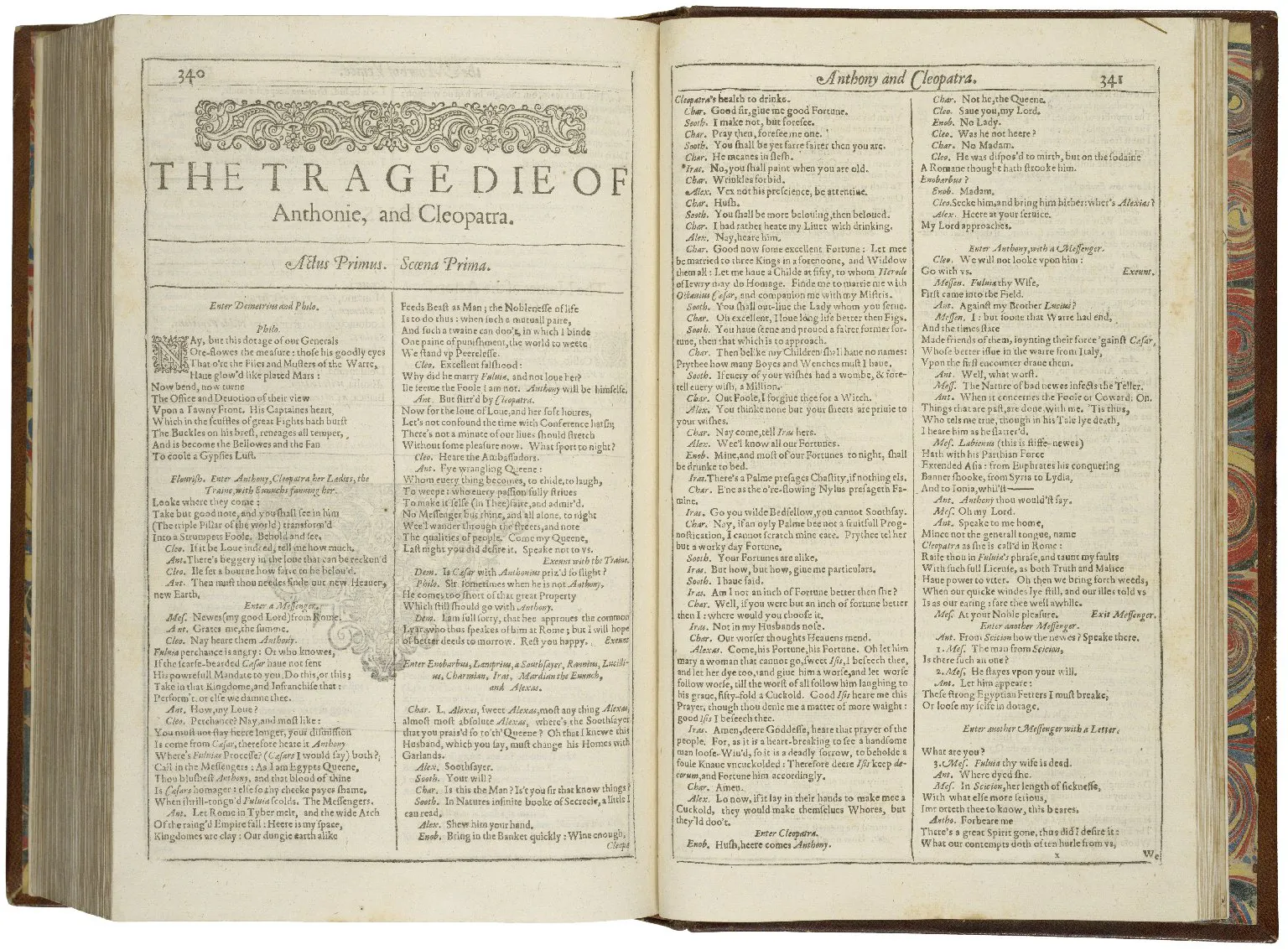
Regardless, the First Folio absolutely influenced the way future generations of readers conceptualize and understand Shakespeare's work, in subtle but important ways. One example is found in the official title of the First Folio as first printed: Mr. William Shakespeare's Comedies, Histories, & Tragedies. These three genre categorizations, still largely the way his works are understood generally, were a system created by Heminge and Condell, and likely not reflective of the way the Bard viewed his own work, which was often much more fluid in the genre than implied by their rigid delineations.
Related: The Best Selling Novel of All Time
Another way the Folio diverges from how Shakespeare conceived of and staged his work is the division of the plays into 'Acts' and 'Scenes', which was not the way the works – performed in a much more continuous manner – were originally intended to be understood or analyzed. Despite not being part of Shakespeare's authorial or directorial intent, these elements continue to define and frame the way modern readers conceptualize his stories, reflecting the importance of the First Folio for the cultural understanding and mythos of the Bard.
Passionate about antique books and manuscripts? Listen to our latest podcast episode!
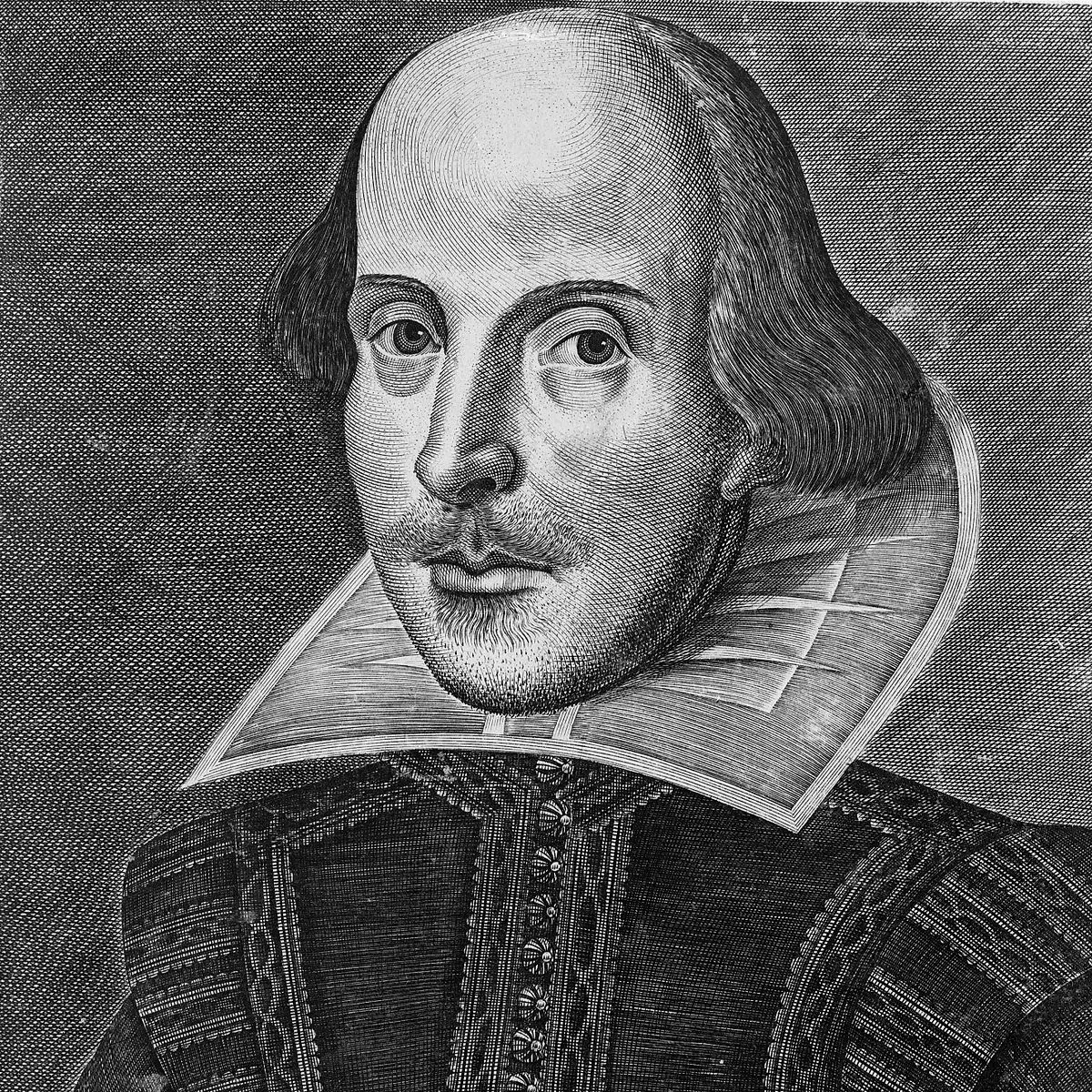
The Folio has also added to our idea of Shakespeare with what is known The Droeshout portrait, the engraving of the writer on the first few pages of the work. Another of Shakespeare's friends, fellow writer Ben Johnson, whose poem Dear Reader is included in the publication, describes it as having "hit his face" properly (in other words, captured his likeness well). This approval from a person who knew the Bard means its accuracy can be relied on far more than other portraits of him.
With its historical and cultural importance, it makes sense that, despite around 230 copies out of about 700 originals still in existence, issues of the First Folio are still highly coveted ad fetch high prices at auction. For instance, at a Christie's sale in October 2020, a copy of the First Folio sold for $9.98 million. This made it one of the most expensive manuscripts ever sold at auction. This is despite the many printing and spelling errors that litter every copy of the First Folio due to the rudimentary, labor-intensive printing practices of the time – a problem that now only adds to the unique, desirable nature of each surviving copy.
Want more articles like this delivered straight to your inbox? Subscribe to our free newsletter
In honor of the 400th anniversary, a copy of the Folio will be offered at auction for $7.5 million, or, if purchased as a set with copies of Second, Third, and Fourth edition Folios as well as an issue of collected Poems by Shakespeare, a total price of $10 million. They will be available to purchase at the New York Antiquarian Book Fair via London-based rare bookseller Peter Harrington. The fair will run from April 27-30.
If you want to pay respect to this historical work of literature, you can also check out check out Folio 400's guide to finding events celebrating the anniversary throughout the UK. 2023 also marks the the 459th anniversary of William Shakespeare's birth and events will take place over the weekend April 22-23 at Stratford-upon-Avon, a town synonymous with the author.
If you cannot celebrate this weekend, do not despair: it has been recently announced that London is to receive its very own museum dedicated to Shakespeare, coming in spring 2024 on the site of the archaeological remains of the Curtain Playhouse in Shoreditch.


