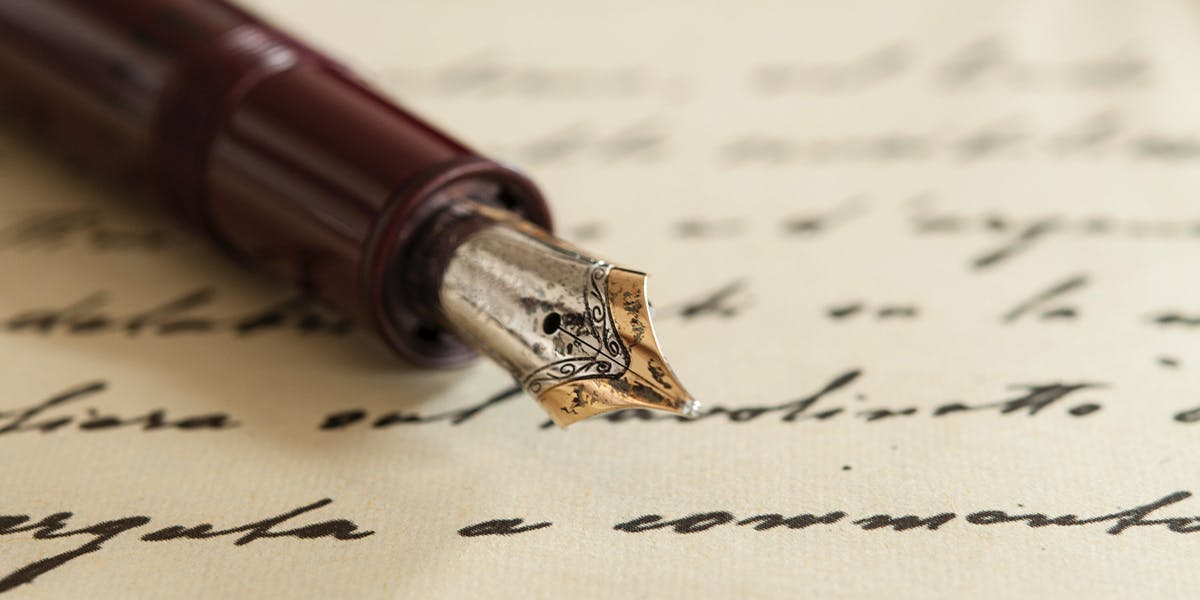
What I didn't realize was how many doors the act of writing unlocks, as if my Dad's old fountain pen wasn't really a pen at all, but some strange variety of skeleton key.
The origins of the fountain pen are unclear, but any source agrees that it was born out of a specific necessity: since it was frustrating and inconvenient to have to continually dip a pen to replenish its ink supply, the pen itself had to contain a small inkwell. Fountain pens still enjoy countless admirers and have been loved and acclaimed by many famous people in the past. Here are some well-known writers and their favorite fountain pens, which are still among the best and most collectible on the market.
1. Mark Twain, Conklin Crescent Filler
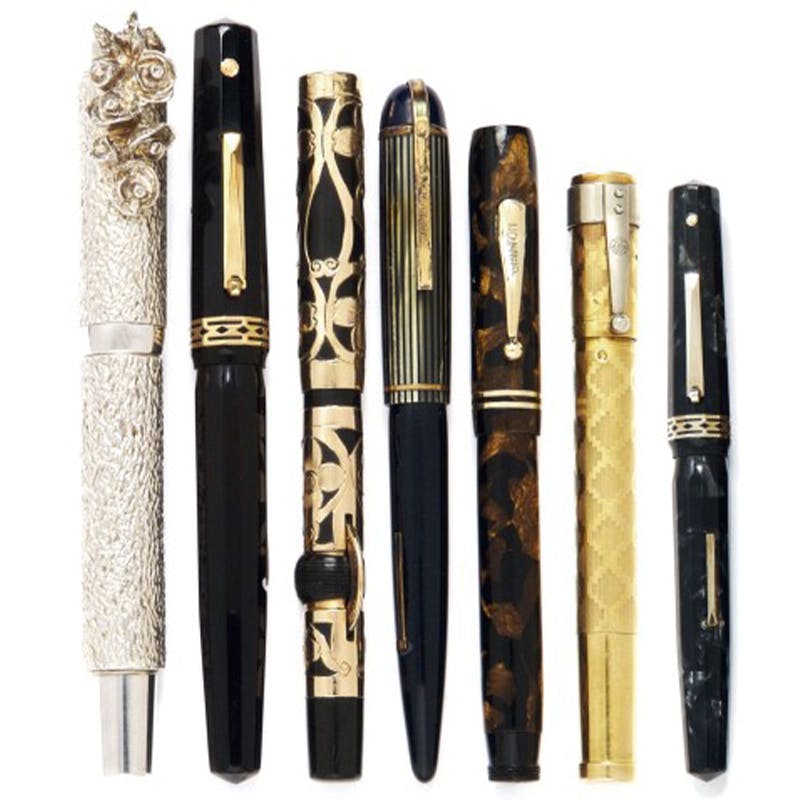
Mark Twain, novelist and travel writer, is best known for The Adventures of Tom Sawyer (1876) and The Adventures of Huckleberry Finn (1885), and is considered to be one of the greatest American writers of all time. In addition to being a staunch abolitionist, the writer was a supporter of fountain pens, in particular the Conklin Crescent Filler, so much so that he became the official spokesperson for the company. One day the writer jokingly claimed that he preferred this type of pen to others because "it carries its filler in its own stomach, and I can not mislay even by art or intention. Also, I prefer it because it is a profanity saver; it cannot roll off the desk."
Twain died on April 21, 1910, and in 2010, on the occasion of the hundredth anniversary of his death, Montblanc dedicated a limited edition of pens to him as part of the Writers Editions series dedicated to writers.
2. Sir Arthur Conan Doyle, Parker Duofold
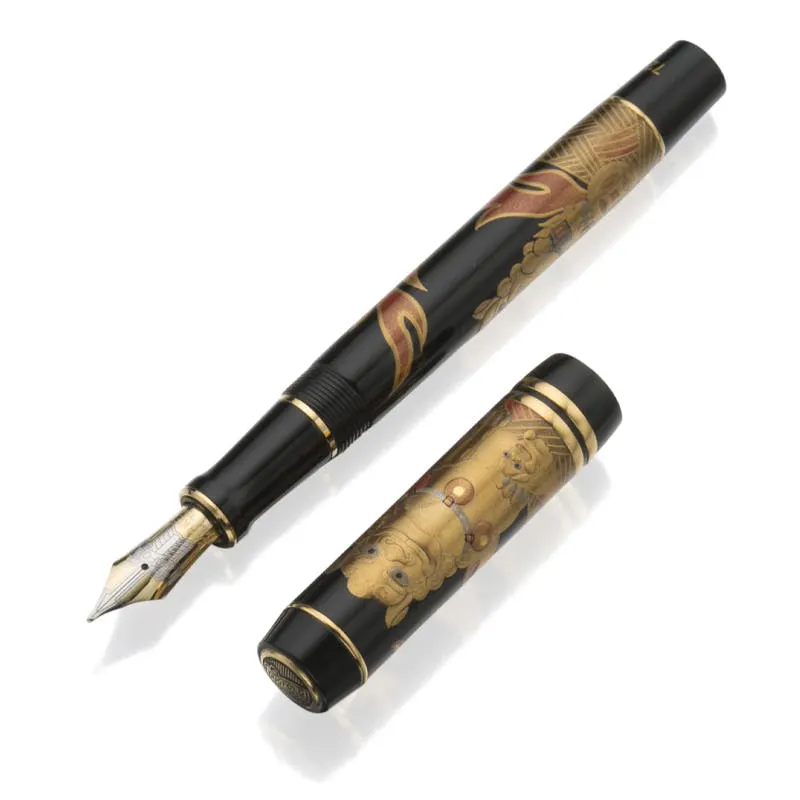
The author of the beloved character of Sherlock Holmes, Sir Arthur Conan Doyle, was a great admirer of Parker Duofold, a pen that always features on a good vintage pen collector's list. These fountain pens have been made since 1921 and made Parker one of the most popular pen companies of their time. The original model was in a bright red, which definitely helped its commercialization. In addition to being loved by collectors, they are also appreciated by lovers of fountain pens in general; most of them agree that it is one of the best pens ever made.
Related: The Best Selling Novel of All Time
3. Albert Einstein, Pelikan 100N and Waterman Taper-cap
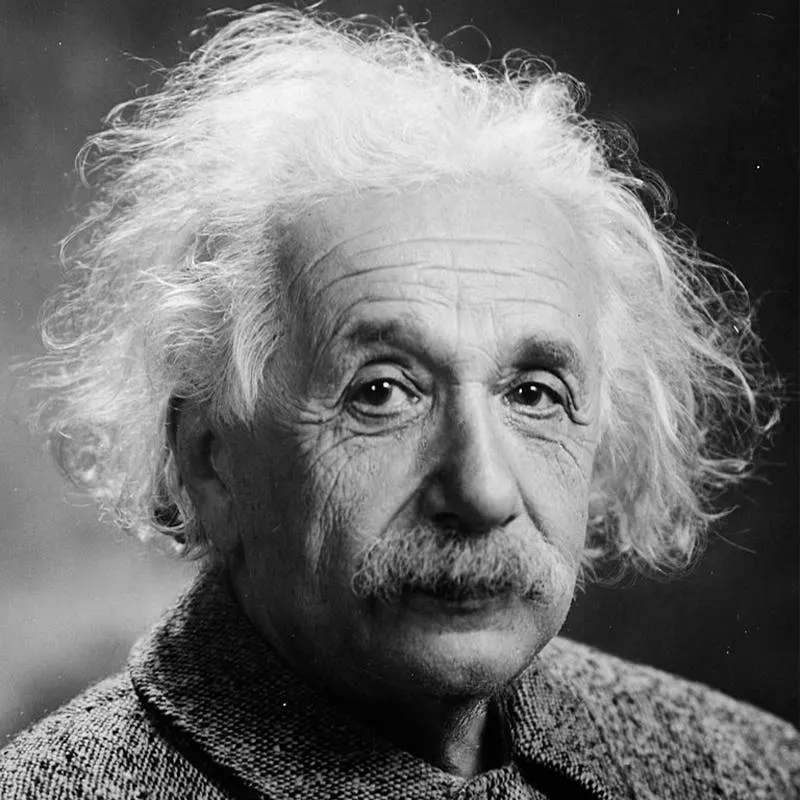
Among so many writers, it is also worth mentioning one who changed the history of science with his ingenuity. Albert Einstein's theory of relativity and his contributions to the study of physics are some of the most fundamental writings for the modern understanding of the universe. The well-known scientist had a particular passion for two fountain pens: the Pelikan 100 N and the Waterman Taper-cap, and may have used the latter to write the theory of relativity. The famous Waterman was given by Einstein to the Austrian physicist Paul Ehrenfest, a great friend of his, and is now kept in the Boerhaave Museum in Leiden, the Netherlands.
Related: Einstein's Doctoral Degree Leads at Auction
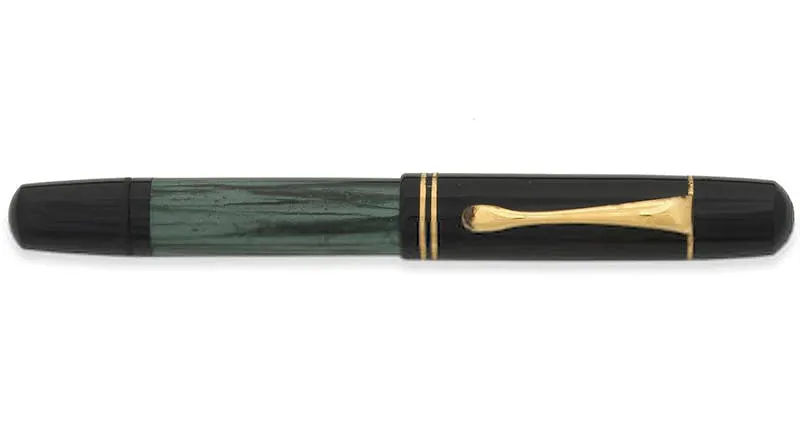
The Pelikan 100N went into production in 1937 as a new model (N stands for 'new') of the Pelikan 100, one of the first and best known Pelikan products. Similar in shape to the latter, the 100N was a larger pen in length and diameter, with greater ink capacity. As for the Waterman, Lewis Waterman, a New York insurance salesman, is considered the inventor of the first truly functional fountain pen in the early 19th century. The invention was born from an unfortunate episode: just when he was preparing to have a customer sign an important policy, due to a malfunction, his pen's ink splattered everywhere, smudging the papers and screwing up the deal. Instead of buying a new pen, Mr. Waterman decided to invent one that worked better. Until the Second World War, Waterman pens were the best-selling fountain pens in the world. If you want to opt for a vintage Waterman, the advice is to look for one of the most coveted models, such as a Patrician from the 1920s, which can cost well over $1,000.
Do you want articles like this directly in your inbox? Sign up for our free newsletter
4. Dylan Thomas, Parker 51
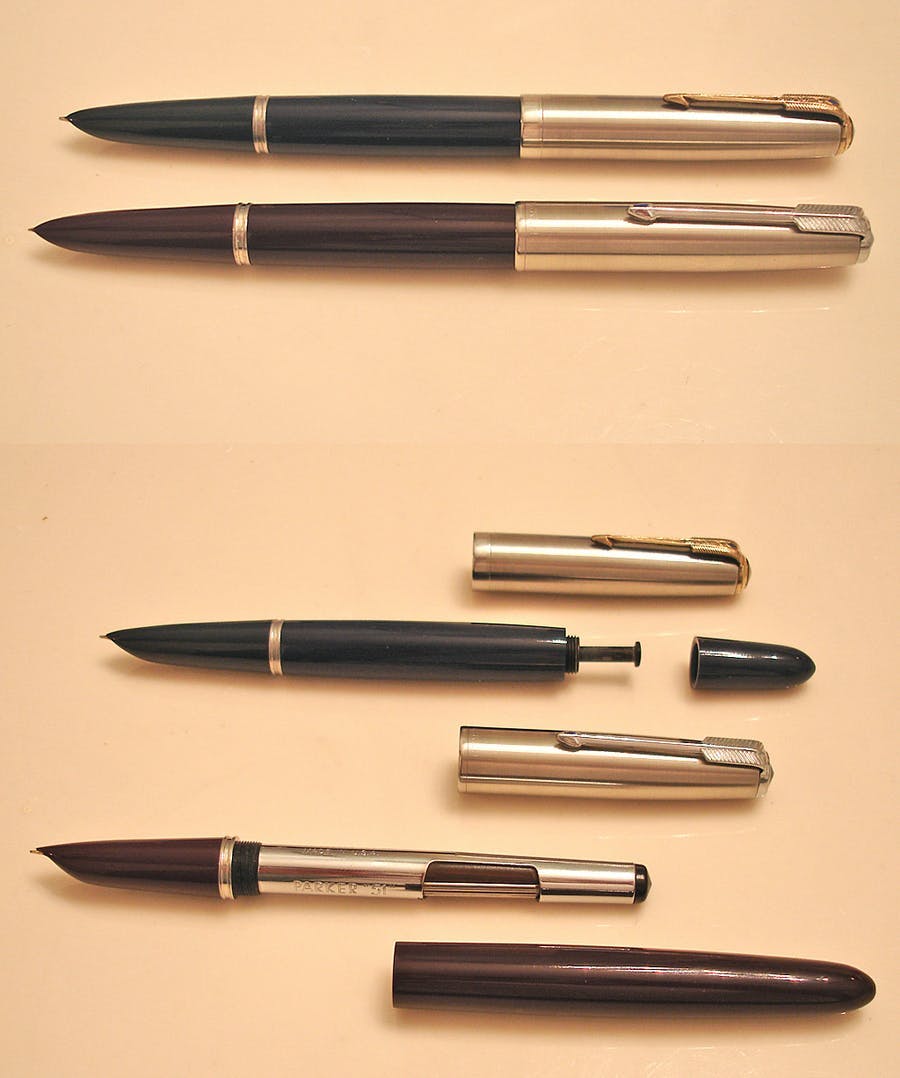
Welsh poet and writer Dylan Thomas, the "roistering, drunken and doomed poet," was known to be very fond of his Parker 51 fountain pen, with whom he was often photographed. This pen was hailed for its quick-drying ink. The Parker 51 was first introduced in 1941 and marketed under the slogan “The World's Most Wanted Pen,” which alluded to restrictions on the production of consumer goods for civilian markets in the United States during World War II. The addition "51" was a tribute to the company's 51st anniversary and proved to be a good choice as the use of a number avoided the hassle of translating a name into other languages. The Parker 51 is very popular with collectors; in 2002 the company released a similar model called the 51 Special Edition, while in 2021 a revised version of the Parker 51 was released.
Two other big names known for their appreciation of the Parker 51? President Eisenhower and Queen Elizabeth II.
5. Simone de Beauvoir, Esterbrook J and Sheaffer Snorkel
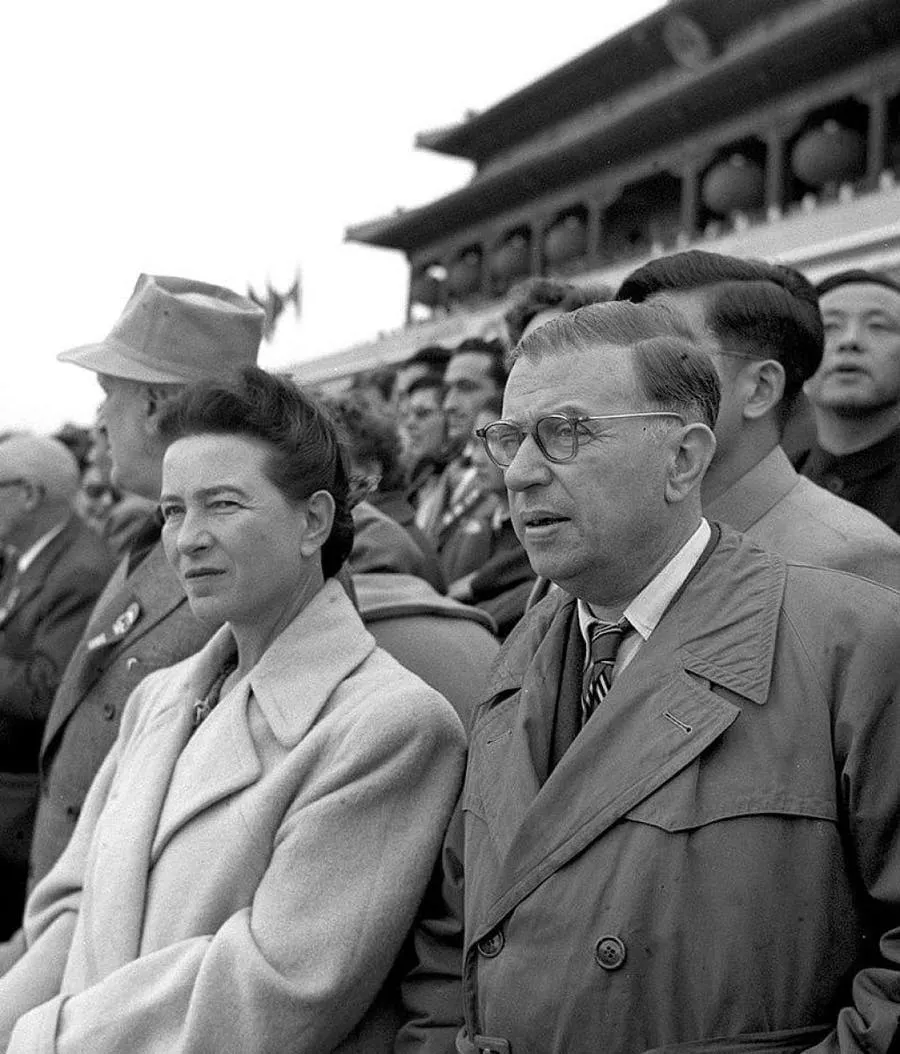
The French writer and philosopher Simone de Beauvoir, known in particular for her contribution to the feminist movement and for having been an exponent of Existentialism together with her partner Jean-Paul Sartre, had a predilection for the Esterbrook J and the Sheaffer Snorkel pens. The latter was an extraordinary pen, with a complex filling process. The Esterbrooks, on the other hand, were affordable fountain pens, suitable for everyday use with easily replaceable nibs. Today they are among the most abundant vintage pens in circulation, also ideal for those starting their fountain pen collection.
6. Ernest Hemingway, Montegrappa
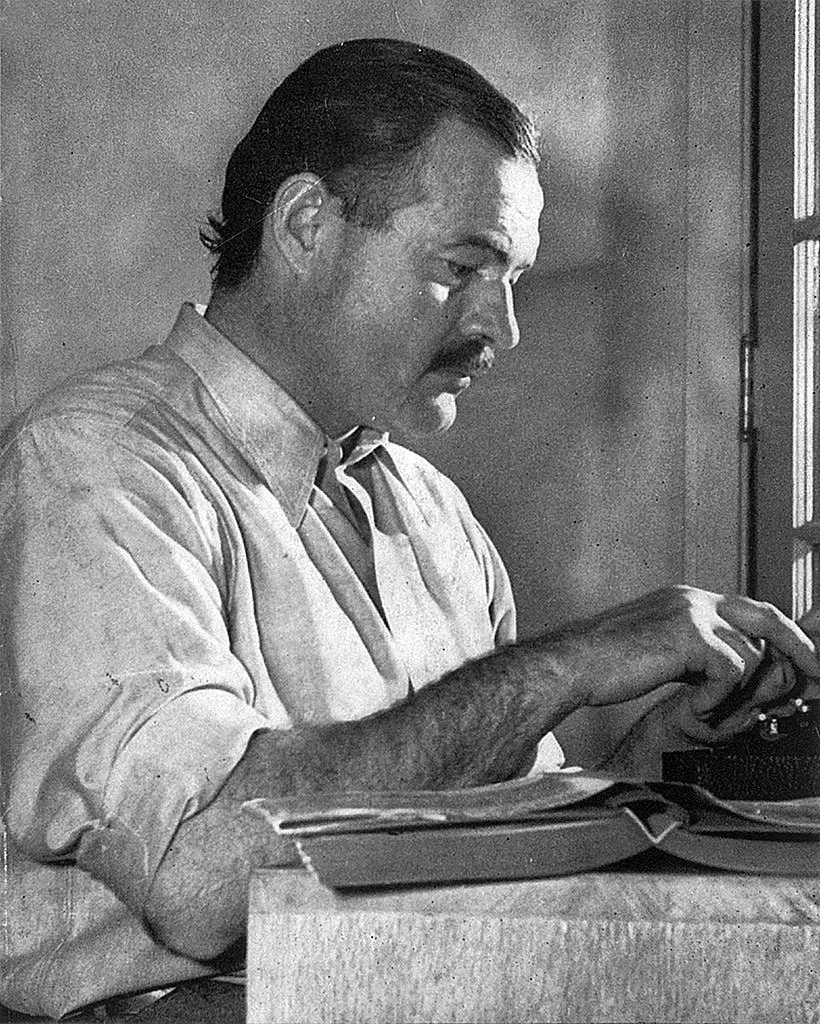
Before winning the Nobel Prize for Literature in 1954, Ernest Hemingway was an aspiring journalist and, during the First World War, while stationed in Italy, he fell in love with the Montegrappa fountain pens made there. Hemingway used this type of pen to write many of his most famous works, including A Farewell to Arms and For Whom the Bell Tolls.
Related: 5 Italian Design Brands to Know
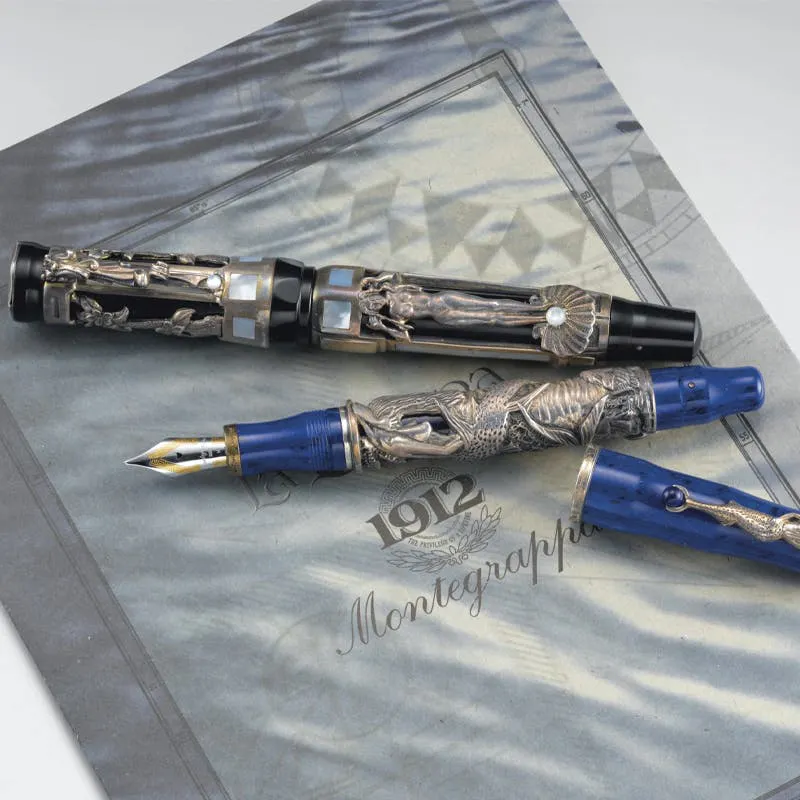
The partnership between Montegrappa and Hemingway continued for a long time and the company also released several limited edition luxury pens dedicated to the writer as part of their "Mightier than the Sword" collection. Within this collection, Hemingway pens are divided into four distinct "chapters", each designed to commemorate part of his life: "The Soldier", "The Adventurer", "The Writer" and "The Fisherman". Montegrappa also marketed a limited-edition series of pens called "Novel", or "Romanzo." Only 355 pens of this series were issued in each color: the number was chosen as an homage to the number of pages of the first edition of A Farewell to Arms.
Do you have a vintage pen and want to know how much it's worth? Ask our experts!
7. Stephen King, Waterman Hemisphere
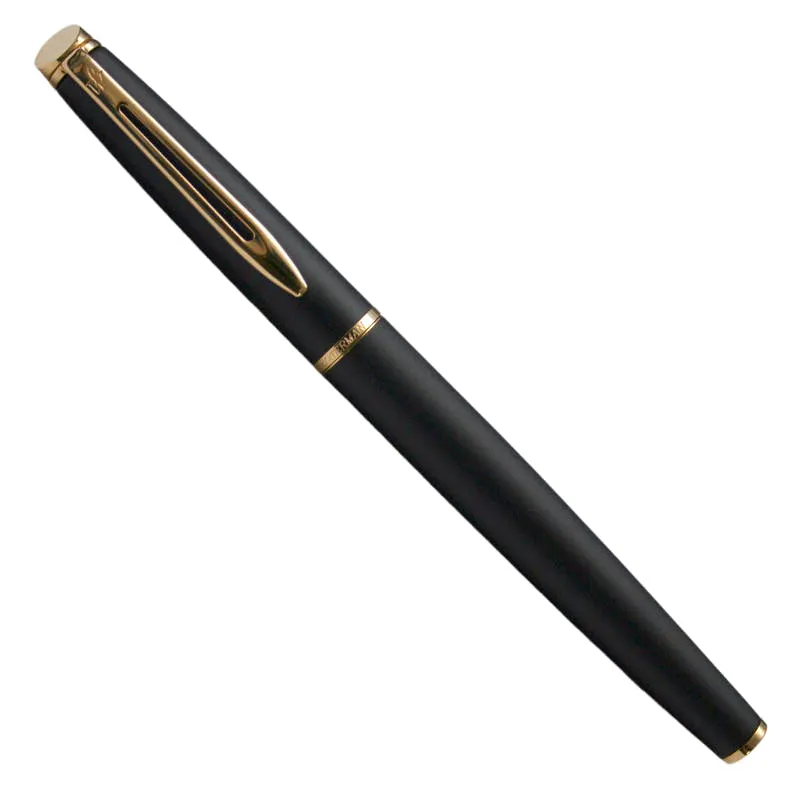
And now we come to the author of the quote with which we introduced our article, the king of horror Stephen King. For the creator of Carrie, The Shining, It and many other bestsellers, the pen was capable of opening countless doors to unknown worlds. His trusted fountain pen is the Waterman Hemisphere, a pen that rewards practicality with an eye to style. The Hemisphere has a sophisticated silhouette with pleasing finishes and a subtle design that gives it a delicate lightness in writing, making it suitable for long creative sessions.
Related: The Transformer of Type: The History of the Typewriter
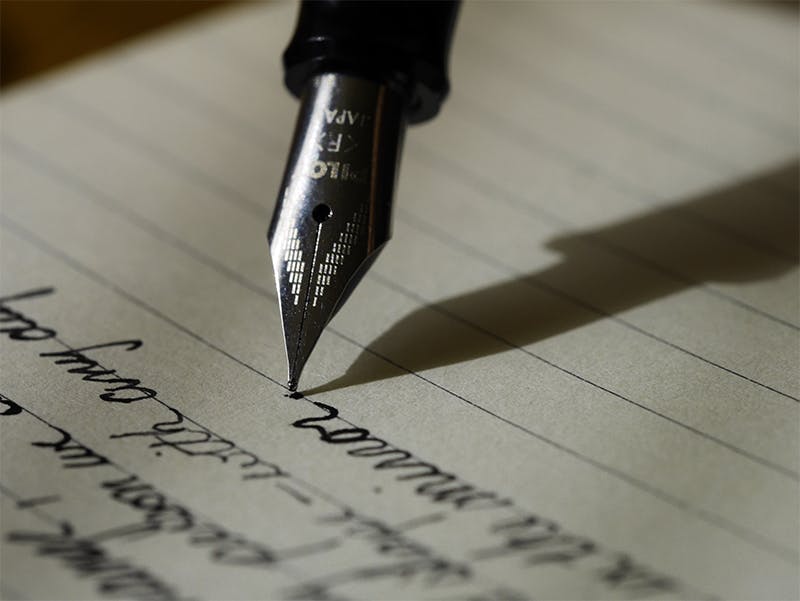
Have you found your favorite fountain pen among these? If we have not yet persuaded you to leave your computer and from time to time dedicate yourself to "freehand" writing, here is one last thing that will perhaps convince you: it is scientifically proven that handwriting is good for the brain. Numerous studies have, in fact, established that handwriting stimulates creativity and strengthens memory, much more than writing on any PC, tablet or smartphone. Handwriting also increases the ability to speak well and induces one to reflect better and express more clearly on paper. Holding a pen improves general dexterity and has an anxiolytic effect due to the contact with the material (paper, pen, ink) that is more engaging than that with a touch-screen or keyboards. Finally, handwriting is more personal, as each has person has their own unique style.