
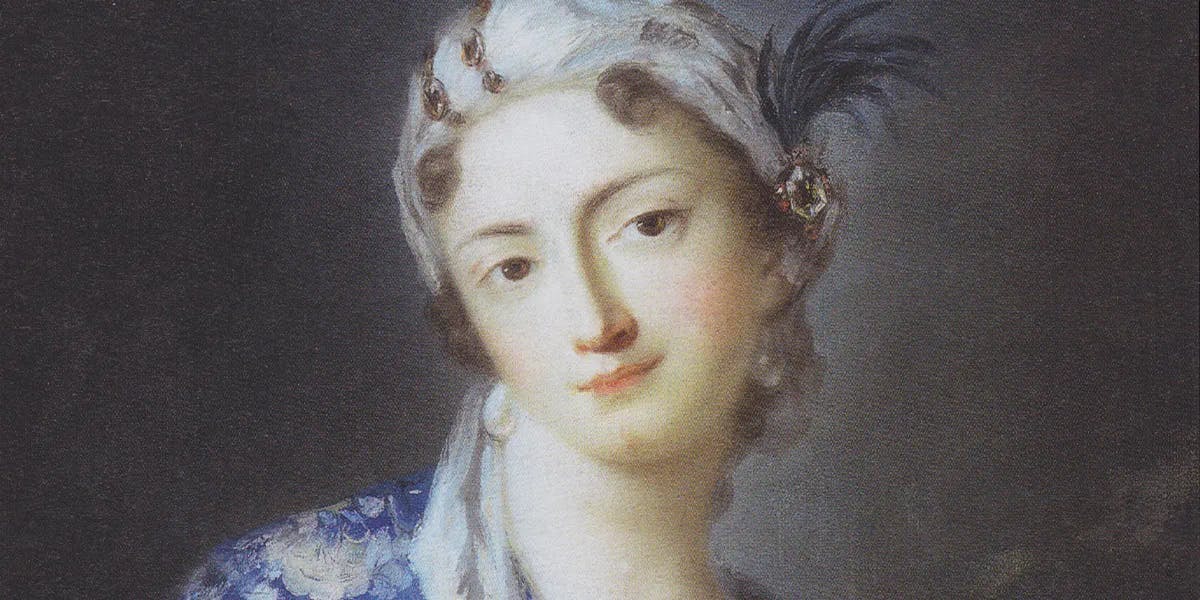
Remembered as one of the most successful female artists in history, Rosalba Carriera was an 18th-century Italian painter, born in Venice in 1675 into a wealthy family. She was an important figure in promoting the role of women in art in a century dominated by male artists.
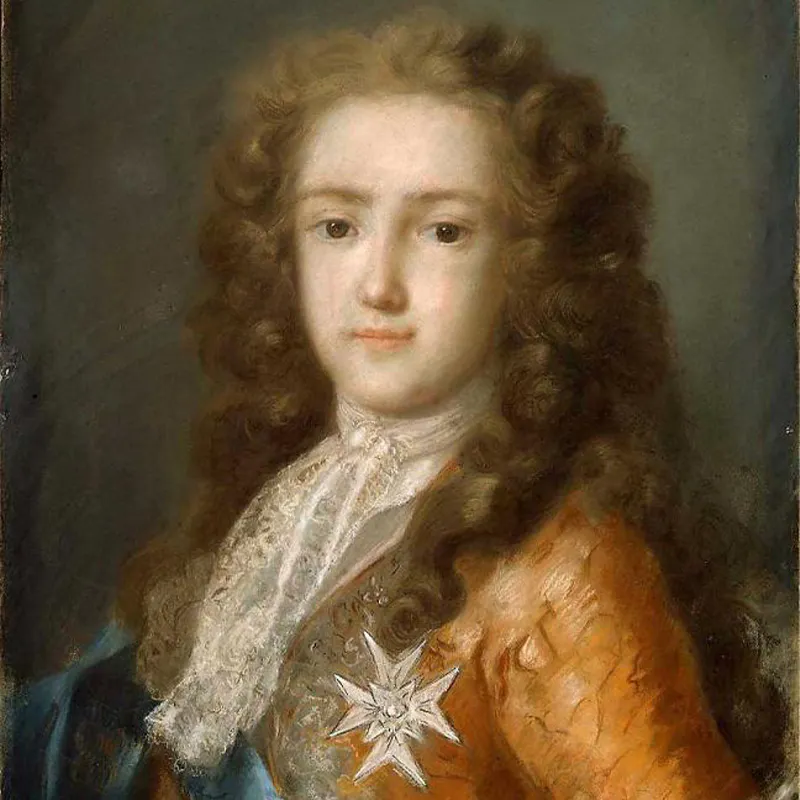
Thanks to her art, she gained prestige and recognition throughout Europe, including from royalty. Prominent among these admirers was the King of France, Louis XV, who commissioned numerous portraits from her.
Related: A History of Élisabeth Vigée Le Brun's Portraits of Marie Antoinette
Carriera began her artistic career by designing models for embroidery and decorating snuff boxes, using ivory as the basis for her miniatures, which possessed a particular luster. She did not follow the academic rules that called for a short, well-blended stroke, but used a fast stroke typical of the Venetian school. The Roman painter and engraver Antonio Balestra played an important role in her training, helping her to overcome the limitations of the miniature.
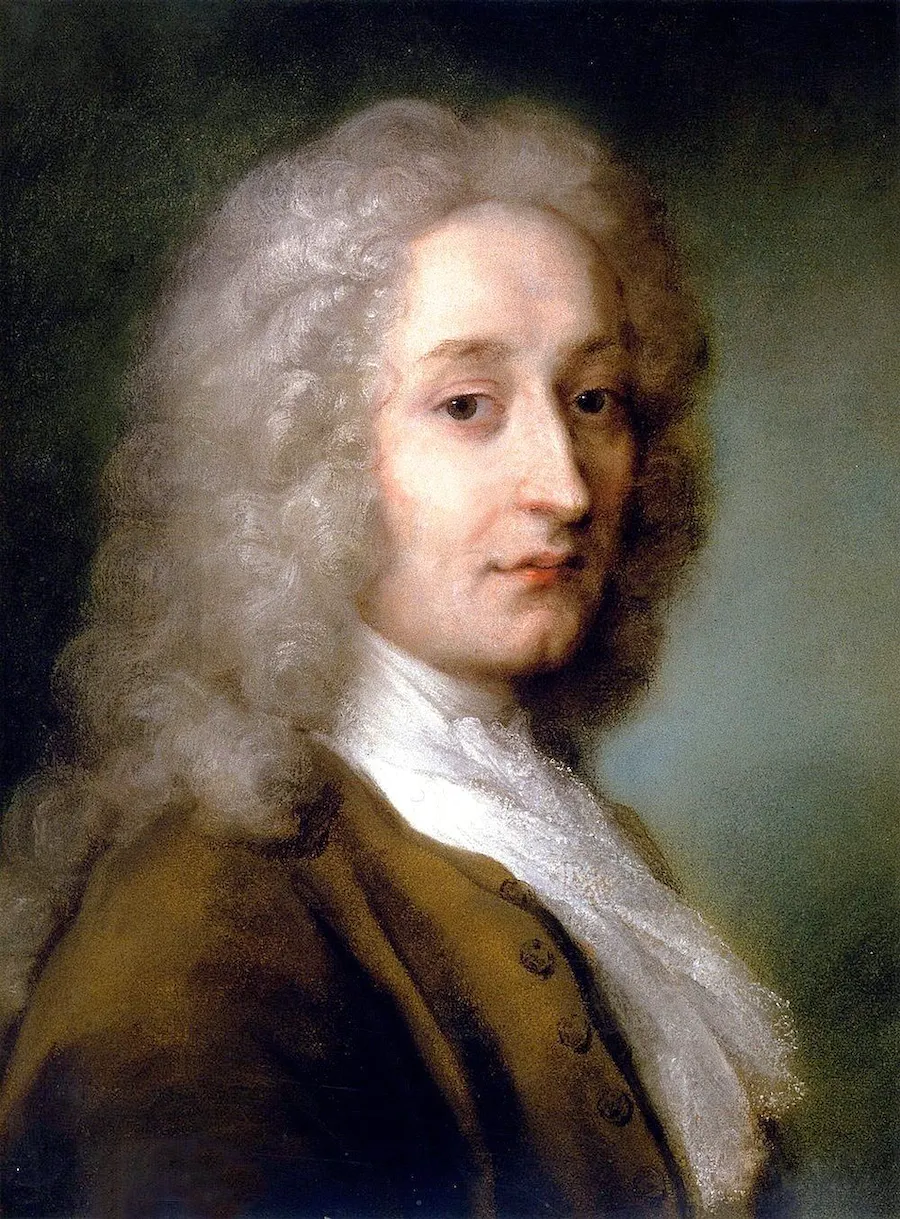
A leading figure of the Venetian School and admired by her contemporaries for her eclectic nature, she was also a singer and music lover, as well as a popular conversationalist. She obtained major recognition throughout Europe thanks to her incredible skill, and she frequented the most important artistic and intellectual circles of her time. She was the first female painter to be admitted to the art academies, at that time reserved for men only. She studied in Paris as a guest of the collector Pierre Croizat, where she met Antoine Watteau, to whom she dedicated a valuable portrait.
Related: Antoine Watteau: Frivolity and Melancholy
She is also credited with helping to shape the aristocratic tastes of the Paris court and Parisians in general. During her time in the French capital, Carriera launched the fashion for pastel portraits, influenced portraiture in general and infused charm and vivacity into the Rococo style.
Want more articles like this directly in your inbox? Subscribe to our newsletter!
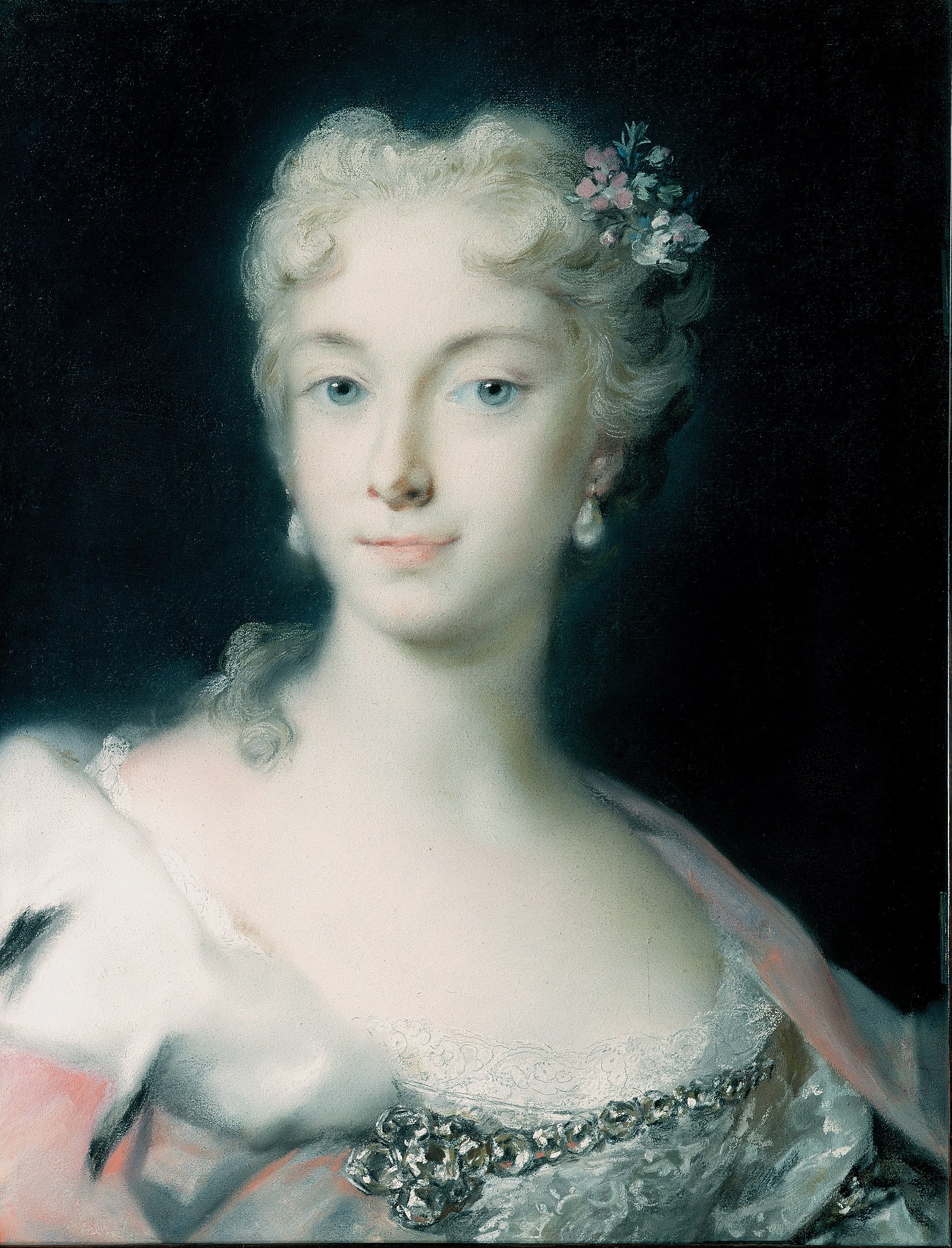
In her portraits, Carriera was able to emphasize facial features and the soft cascades of powdered hair through the skillful use of pastels. The paintings themselves are also characterized by a strong introspective element and imbued with deep realism, in which emotions and personalities can be clearly seen. This characteristic makes her an artist well ahead of her time. Also noteworthy are her self-portraits, in which Carriera appears encased by a veil of melancholy, while at the same time seeming strong and proud.
Related: The Art of Fashion: Fashion in Art
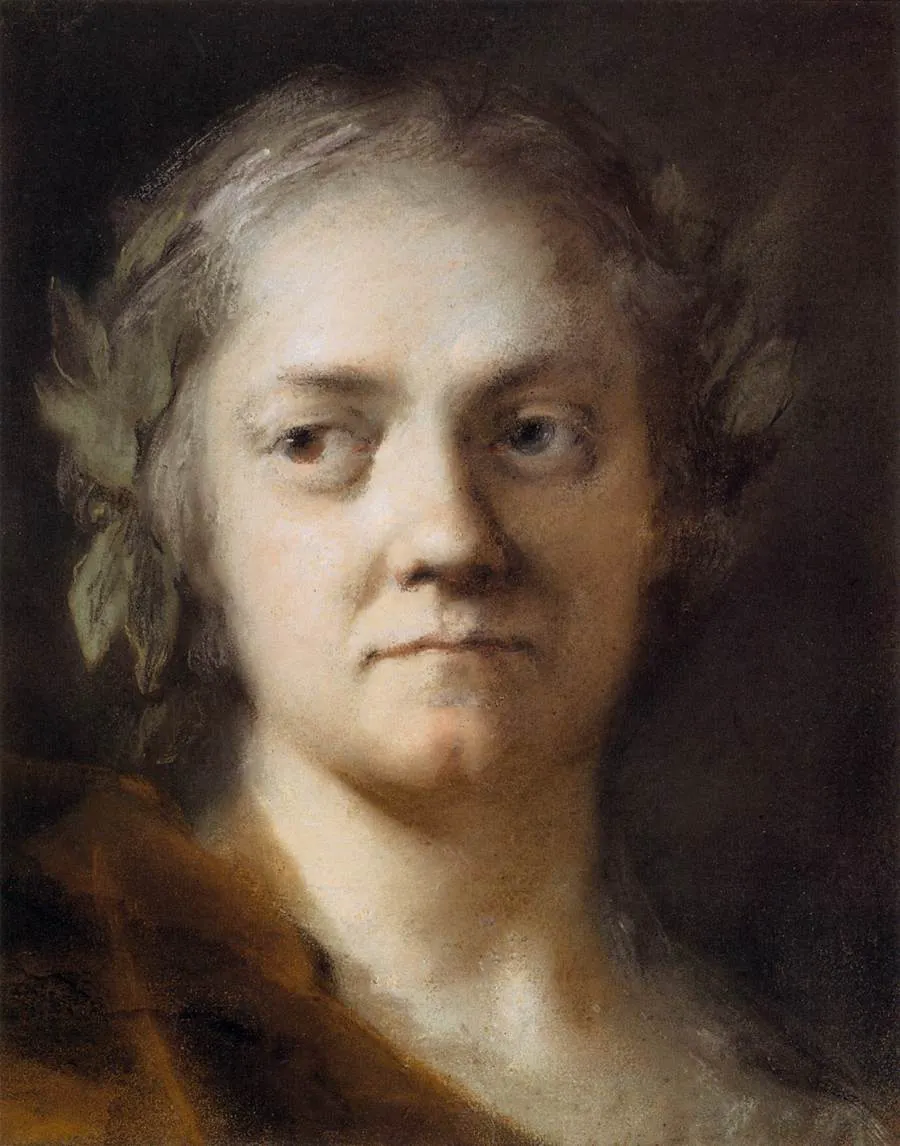
Carriera never married and had a strong emotional and professional bond with her sister Giovanna; when the latter died in 1738, the artist fell into a deep depression, which was exacerbated by the loss of her sight. She spent the last years of her life in a small house in the Dorsoduro district in Venice, where she died on April 15, 1757 at the age of 84.