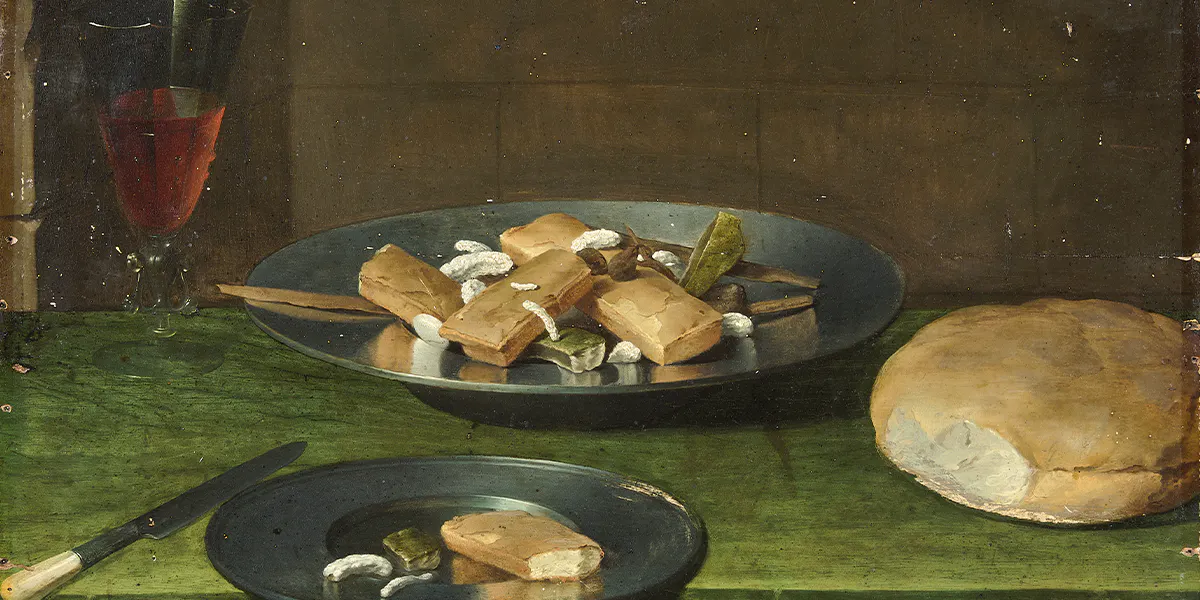
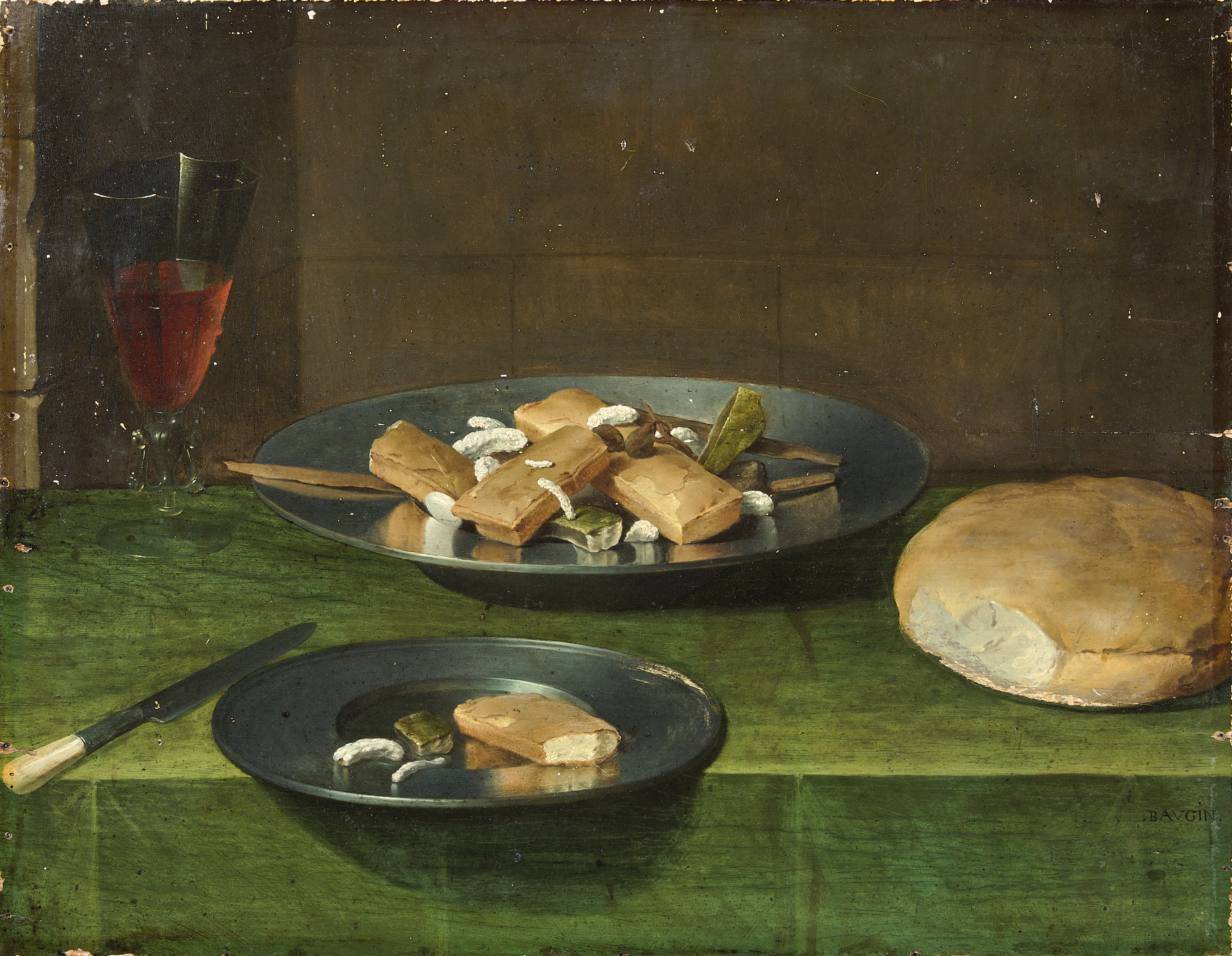
A still life featuring a plate of almond biscuits went under the hammer at Vichy Enchères on 16 August. Previously unknown to art historians, Nature morte aux financiers was discovered earlier this year in a private collection and identified as the work of French Baroque painter Lubin Baugin (1610–1663). It now joins the four other known still lifes by Baugin, all held in museums, with two in the Louvre.
Nature morte aux financiers can be compared in particular with one of the Louvre still lifes, Le dessert de gaufrettes. Both share similar details and composition, including the same pewter plate extending over the edge of the table and a Dutch-style ceremonial glass.
See also: The Nature of the Nautilus: How the Seashell Has Inspired Artists
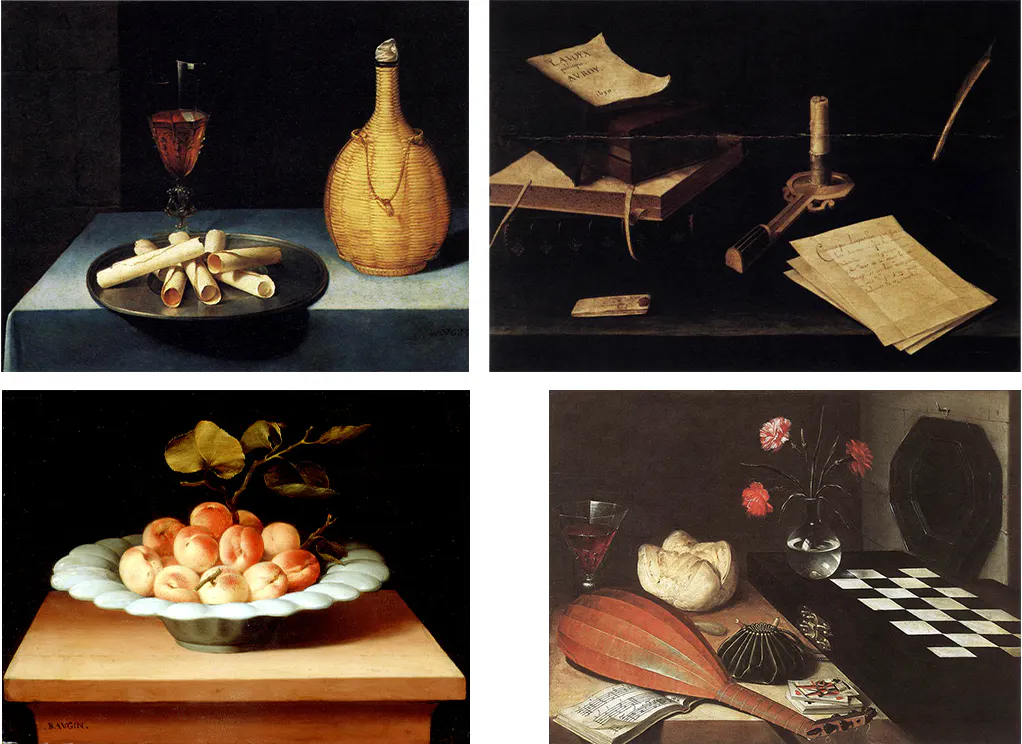
Another work, Nature morte à la chandelle, in the Galleria Spada collection in Rome, provides a clue to the creation of all Baugin’s still lifes, as it is clearly dated 1630. This was during the early phase of his career, when he was around twenty and had settled in Paris after training in the provinces. He became a master in the city but could not take on large commissions, so he worked on small pieces for the bourgeoisie. All his still lifes are signed, making attribution straightforward.
See also: The Louvre Acquires the 'Kitchen Cimabue'
To further his training, Baugin travelled to Rome in 1632, where he spent nine years studying local masters, especially Guido Reni. Returning to France, he gained recognition as a history painter and received commissions for altarpieces and other large religious works that define his mature period.
In 17th-century France, still life painting was less prominent than in the Netherlands, where history painting was less dominant. Public collections of the period therefore contain few examples. The rediscovery – or even first discovery – of a French still life from this era is significant, both for the artist’s oeuvre and for art historical research more broadly.
See also: The $26-Million Strawberry Basket
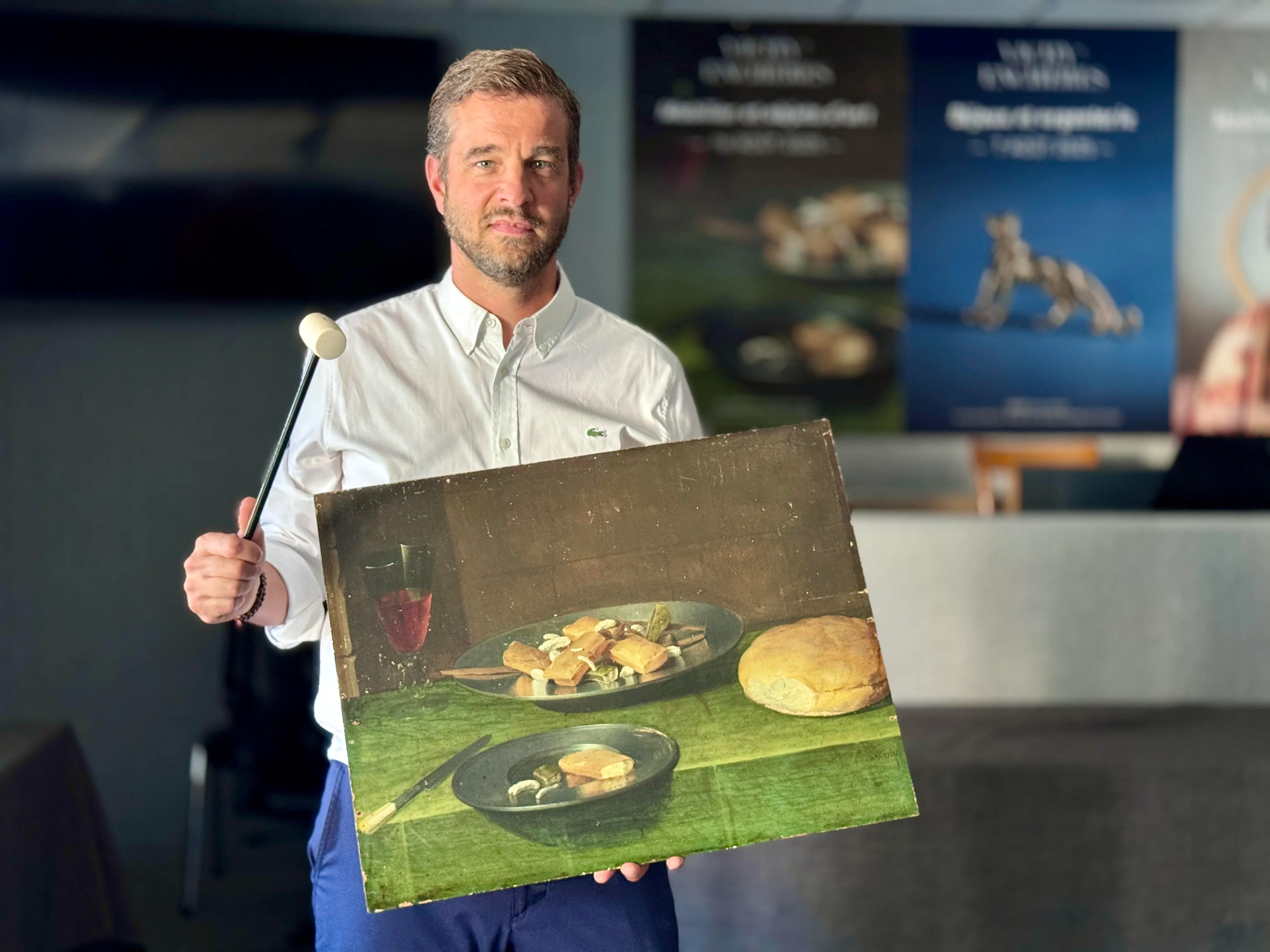
The importance of Nature morte aux financiers was reflected in its pre-auction estimate of €200,000–300,000, in line with Baugin’s previous auction record of €296,240, set in 2016 at Sotheby’s New York for Olinde et Sophronie sur le bûcher. The painting exceeded expectations, selling for €440,000 (€550,000 including fees, about $640,800).