![NWA 12691 – The Fifth Largest Piece Of The Moon On Earth, Lunar Feldspathic Breccia, 13.535kg, Sahara Desert, Western Sahara [detail]. Photo: Christie’s](https://images.prismic.io/barnebys/5ab93575-c8a5-4c60-a114-8353da2ddc73_Cover.jpg?auto=compress,format)
Christie’s is offering NWA 12691 – the fifth largest piece of the moon – for private sale. Moon rock is amongst the rarest substances on earth, with less than 1,500 pounds of it known to exist. This particular example, valued in the region of $2.5 million, is larger than any lunar meteorite returned by the Apollo program.
The experience of holding a piece of another world in your hands is something you never forget.
Lunar meteorites arrived on earth after they were blasted off the lunar surface by the collision with an asteroid or comet. All of the moon’s large craters were created by such kinds of impacts.
See also: New Secrets Revealed About Girl with a Pearl Earring
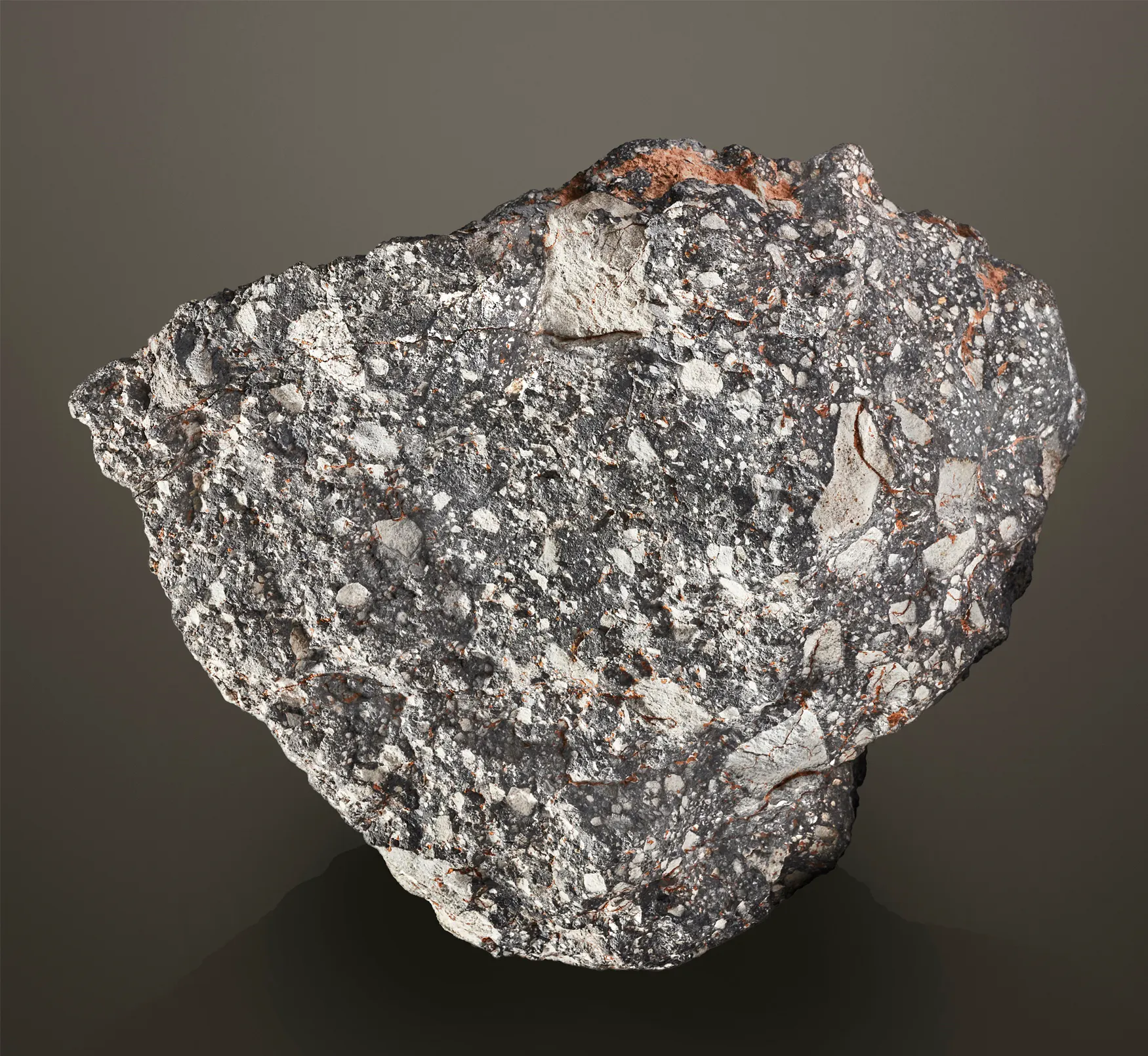
This piece at Christie’s arrived on Earth as part of a large meteorite shower straddling the Western Saharan, Algerian and Mauritanian borders, responsible for nearly half of all known lunar meteorites. Around 30 different meteorites were collected, analyzed, classified and assigned different NWA numbers in the belief that they may have come from different events and represent different lunar samples. However, it has been determined that they all originate from the same lunar impact event as the current offering, NWA 12691, found in the Sahara Desert two years ago.
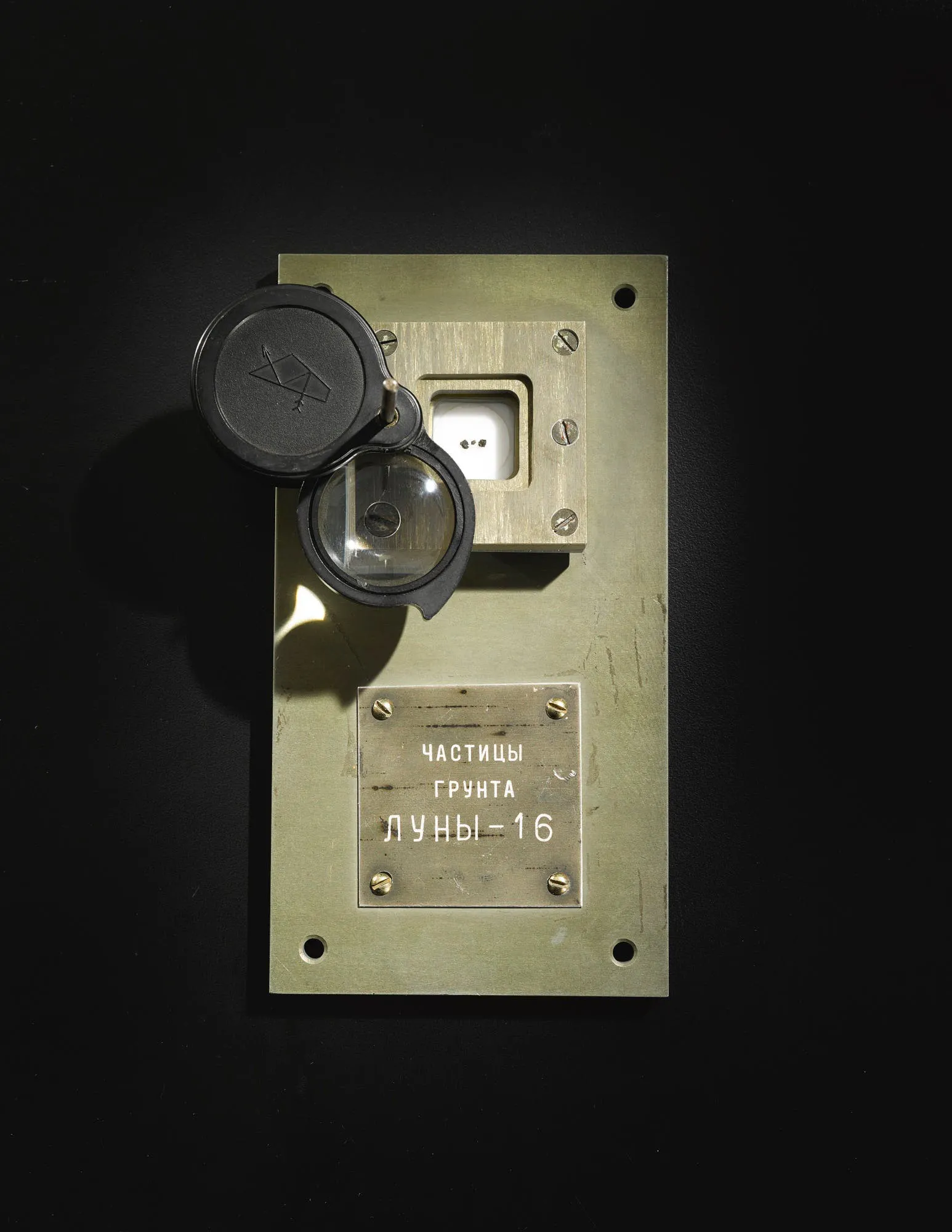
James Hyslop, Christie’s Head of Science & Natural History, said in a press release: “I’ve been lucky enough to handle a few lunar meteorites at Christie’s over the years, but every time I see this specimen in the warehouse the sheer size of it bowls me over. Weighing over 13.5kg, it is so much larger than anything else that has ever been offered before. The experience of holding a piece of another world in your hands is something you never forget.”
See also: Multi-million Whisky Auction Hit by Cyber Attack
Scientists identify moon rocks by their specific textural, mineralogical, chemical and isotopic signatures. Many of the common minerals found on earth are rare or absent on the moon, while some lunar minerals are unknown on earth. In addition, moon rocks contain gases captured from the solar wind with isotope ratios very different from the same gases found on Earth.