Founded by two former CIA intelligence analysts, the website and app Artifcts offers its membership community the ability to curate items from ones life and document the stories behind them. Barnebys talks to co-founder Ellen Goodwin about the inspiration behind Artifcts, the most interesting pieces their members are sharing and what's next for the company.
How did you come up with the concept of Artifcts?
Ellen Goodwin: It actually started out of sadness. The mother of my co-founder, Heather, passed away abruptly, and she and her siblings were confronted with what to do with all her stuff, but didn't want to get rid of something important, like the personal history of her mother and family. This was a big emotional burden, which made it hard to grieve. That was the genesis - there has to be something easier, like an inventory app, but that seemed so boring.
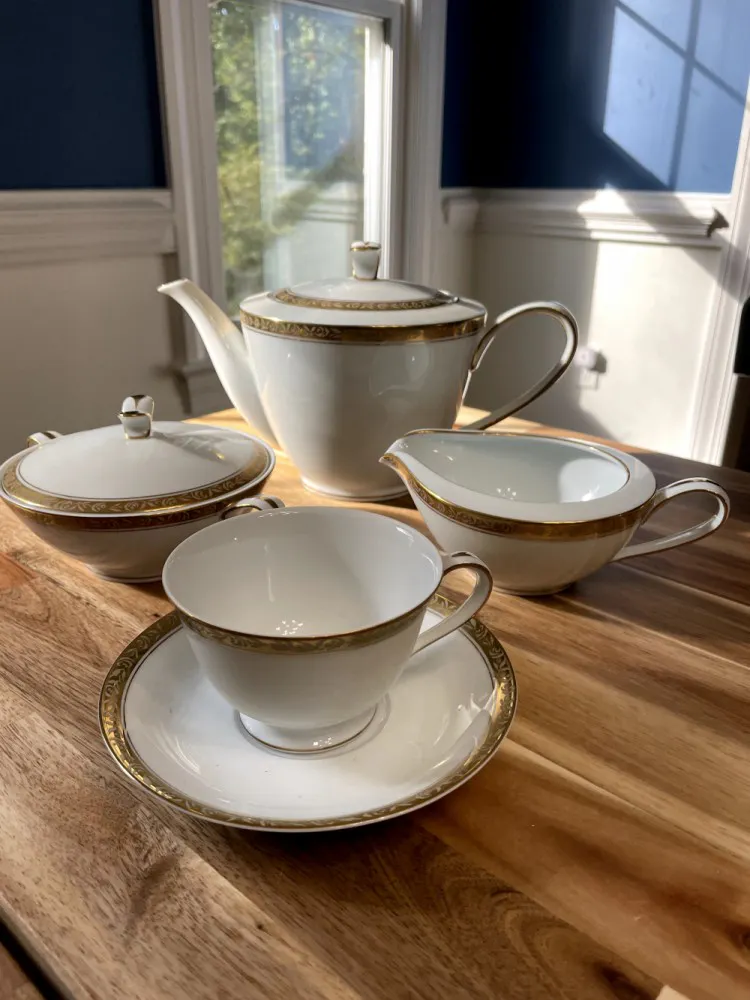
So we thought about how we all have a huge digital profile with footprints in the iCloud, social media and share drives. There are so many single-use apps, and we can do better. Why don't we create an app that is beautiful and fun to use, where you can store your items and the stories behind them. And as an extra benefit, you can send your Artifcts collection to an insurance agent or your lawyer for your will, as well as to your family and friends for fun.
How did you and Heather meet?
Yes, we grew up together at the CIA in the training program, where we learned how to brief and write. Years later, we ran into each other in the airport and re-connected, with daughters close in age.
When did you launch Artifcts?
Right before Christmas 2020, we incorporated Artifcts, we launched our beta in May with a focus group, and launched publicly at the end of August 2021.
What is your business model?
We have a member community, so you can start free and always be free. While we have a Lite (paid) membership option available, most people jump right into the Unlimited option and Artifct all the time.
Our community is built with a very different approach than others. Everything is private and you have to choose if you want to share it. This foundation in privacy stems from our time at the CIA.
What kind of person uses Artifcts?
Our users span 18-88. There's definitely an intergenerational aspect, where parents send Artifcts to their kids and vice versa. We also have lot of young artists, who have a portfolio they can build over time. It isn’t a marketplace, so users can share as they please and attach documentation.
And what kind of items do they Artifct?
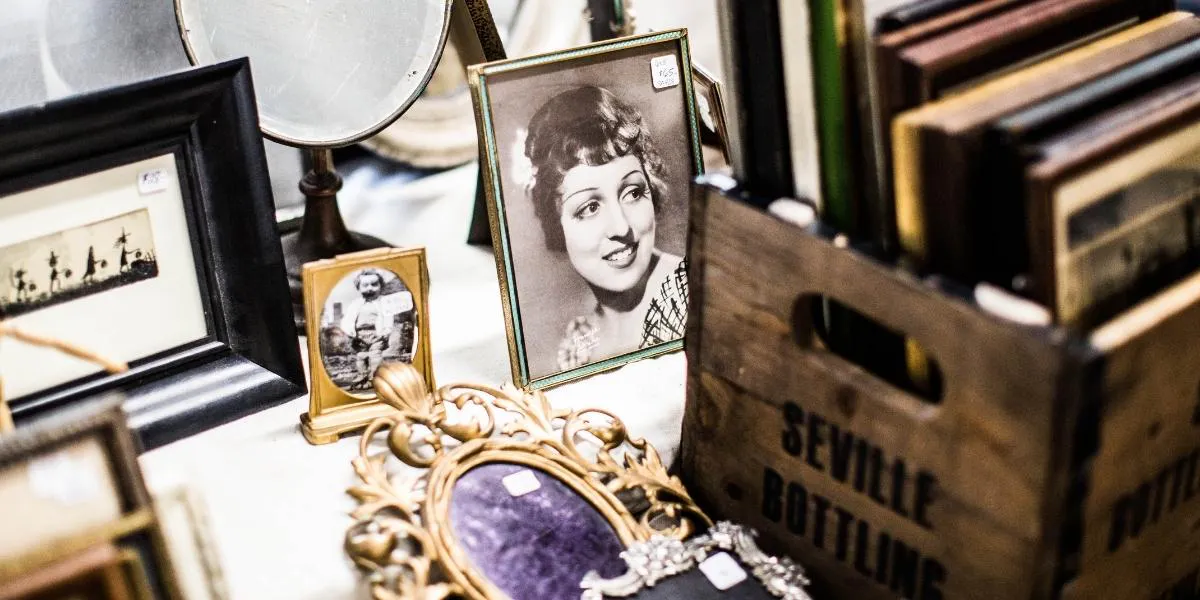
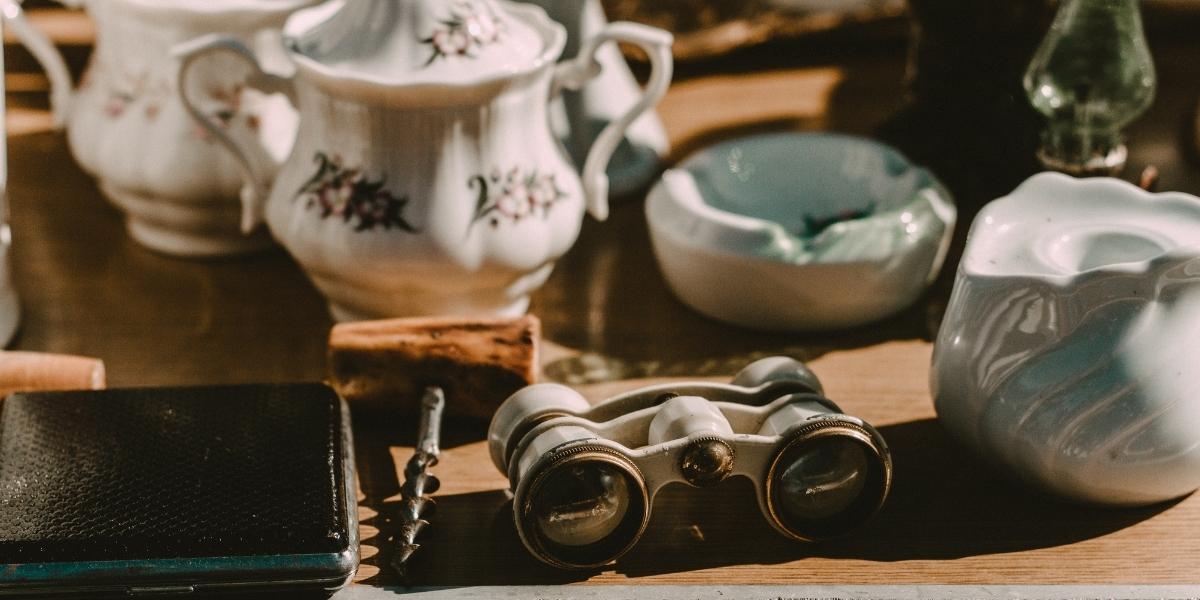
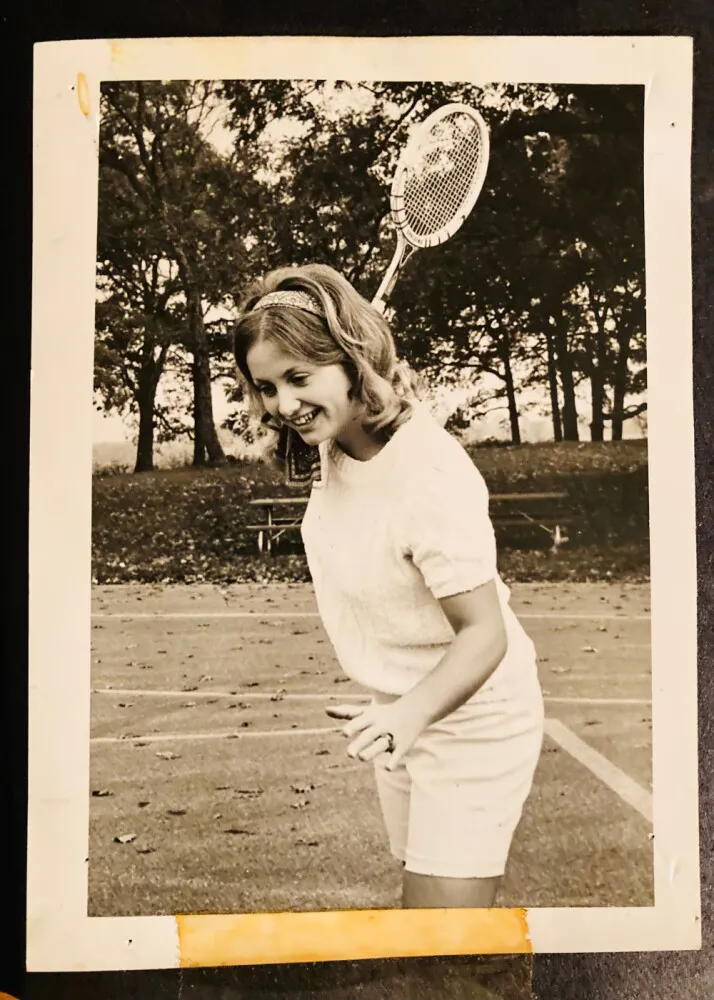
Many of the items are family heirlooms. There are a ton of photographs, both new and old. Also artwork is a major category. We have a lot of travelers and even in our beta we had 65 countries covered. When you travel you pick up stuff and you love remembering I was in this shop or this village. A lot of the antiques and heirlooms come through travel and that's been a very big theme.
Are there any specific interesting Artifcts that have been submitted?
Recently there was this wild clock from a souvenir shop in France formed out of a tree, flamingo and duck figurines. It was one of those things that the family story behind it got my attention.
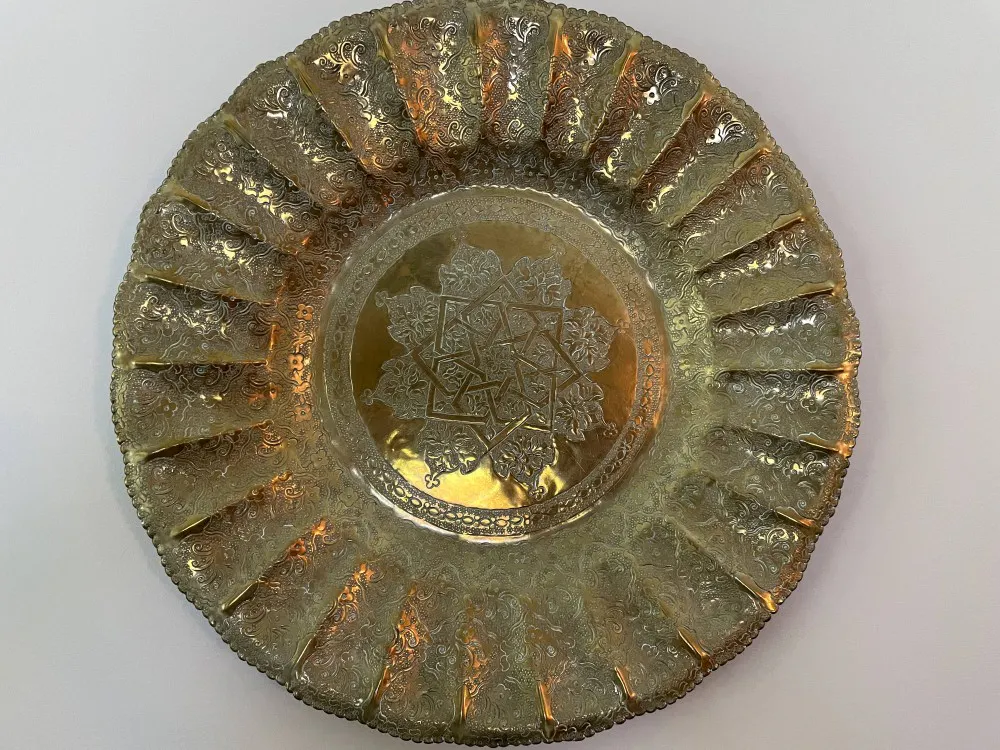
Another one was a brass tray that a family thought was from a local shop. But it was actually from a local market in New Delhi, and the woman who bought it was walking through the market, carrying these heavy trays, when she heard a "hiss" in her ear, and saw a guy with a king cobra sitting on his shoulder right next to her. She threw the trays in the air and ran and had to go back and pick them up. So they always remind her of that.
Things can live on and isn't it nice to be surrounded by memories. If you don't story share, how will anyone have an attachment to items.
How has the company evolved since it started?
We're in month 10 from public launch. We call it "soft public launch" because we're still playing around with features and how people are using it. As a start-up, you're in it every day and hearing what purpose people are using it for. We use social media lightly, and put out messages we hear from our members. For example, one of our members told us they don't need gifts, they just want their friends and family to send them Artifcts. A lot of our social media and members is coming directly from our members and their stories.
We are doing some B2B pilots, so we'll do one with an insurance company, so the items you care about are covered. Like if you have a special chair that needs to be fixed, you'll need to hire a specific carpenter and that requires an appraisal. This is something people need an awareness of and what we're trying to help.
What’s next for Artifcts?
There's a lot. People want to know what their items are worth, so figuring out valuation. If you go back to where we started and that burden of stuff, it helps to know what is valuable and what isn't.
We want to help people see the world through stories and help them shop local in a really cool way. We want to help with sustainability. And even dementia research, like can our tool be used to keep memories alive.