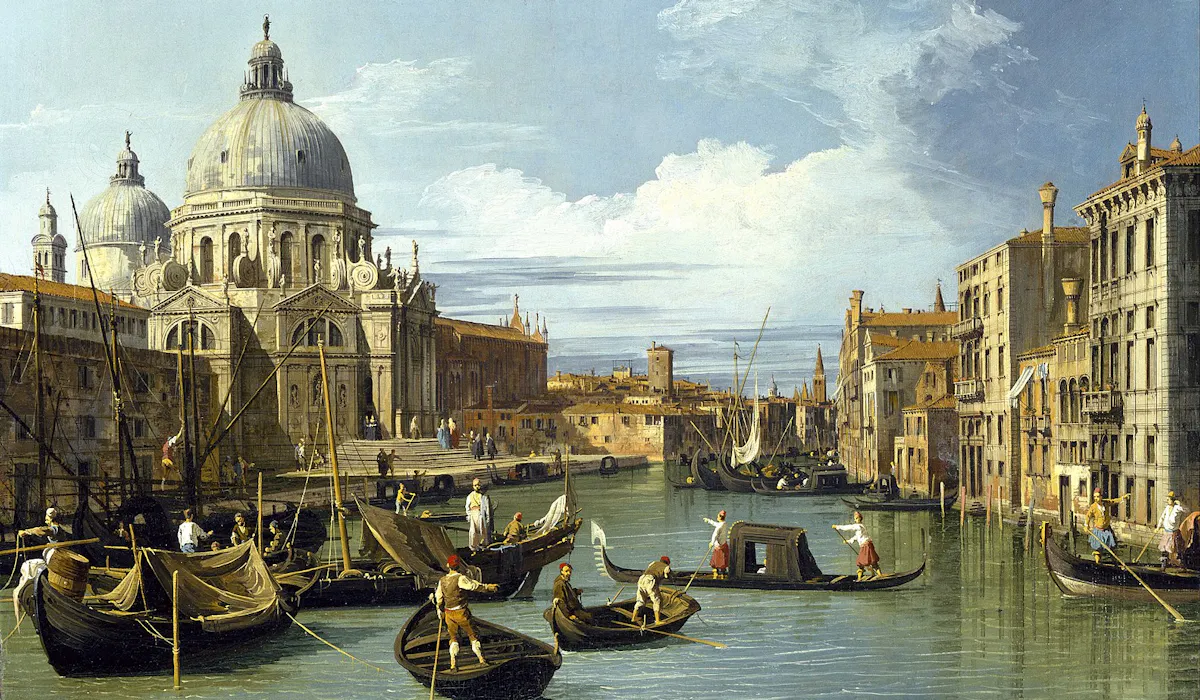
Over three hundred years ago, on October 4, 1720, one of the greatest architects, engravers and architectural theorists of the 18th century came into the world in Venice: Giovanni Battista Piranesi, also known as Giambattista Piranesi.
His father, a stonecutter and master builder, introduced him to architecture, following the models of Andrea Palladio and Vitruvius, with his maternal uncle Matteo Lucchesi, a water magistrate of the Serenissima and a lover of antiquity. His brother, a Dominican friar, introduced him to the study of Latin but above all to a passion for the history of Rome, which was to have an enormous influence on his artistic production. He then continued his education with architect Giovanni Scalfarotto and in the workshop of Carlo Zucchi.
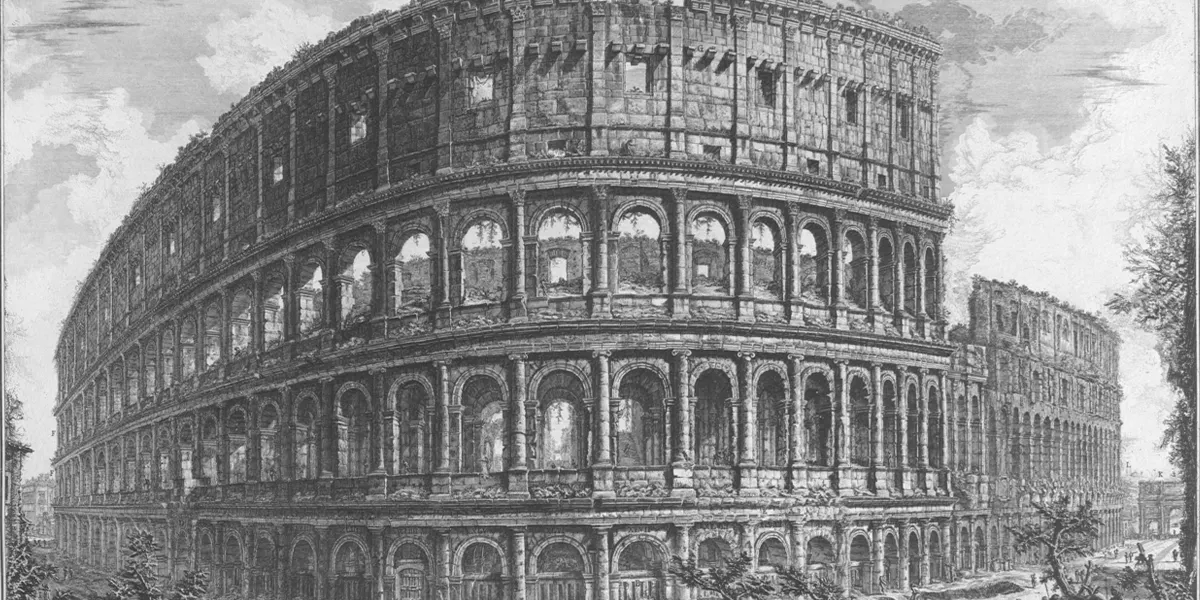
In 1740, disappointed by the few job opportunities in the Veneto region, the young Piranesi decided to leave for the Eternal City, joining the diplomatic expedition of the Venetian ambassador Francesco Vernier as a draughtsman. Piranesi was struck by the marvels of Rome and by what he was moved to define 'speaking ruins': 'speaking ruins that I could never form over the drawings, albeit very accurate, that the immortal Palladio made of them, which I always kept before my eyes.'
Related: The Enduring Appeal of Old Masters
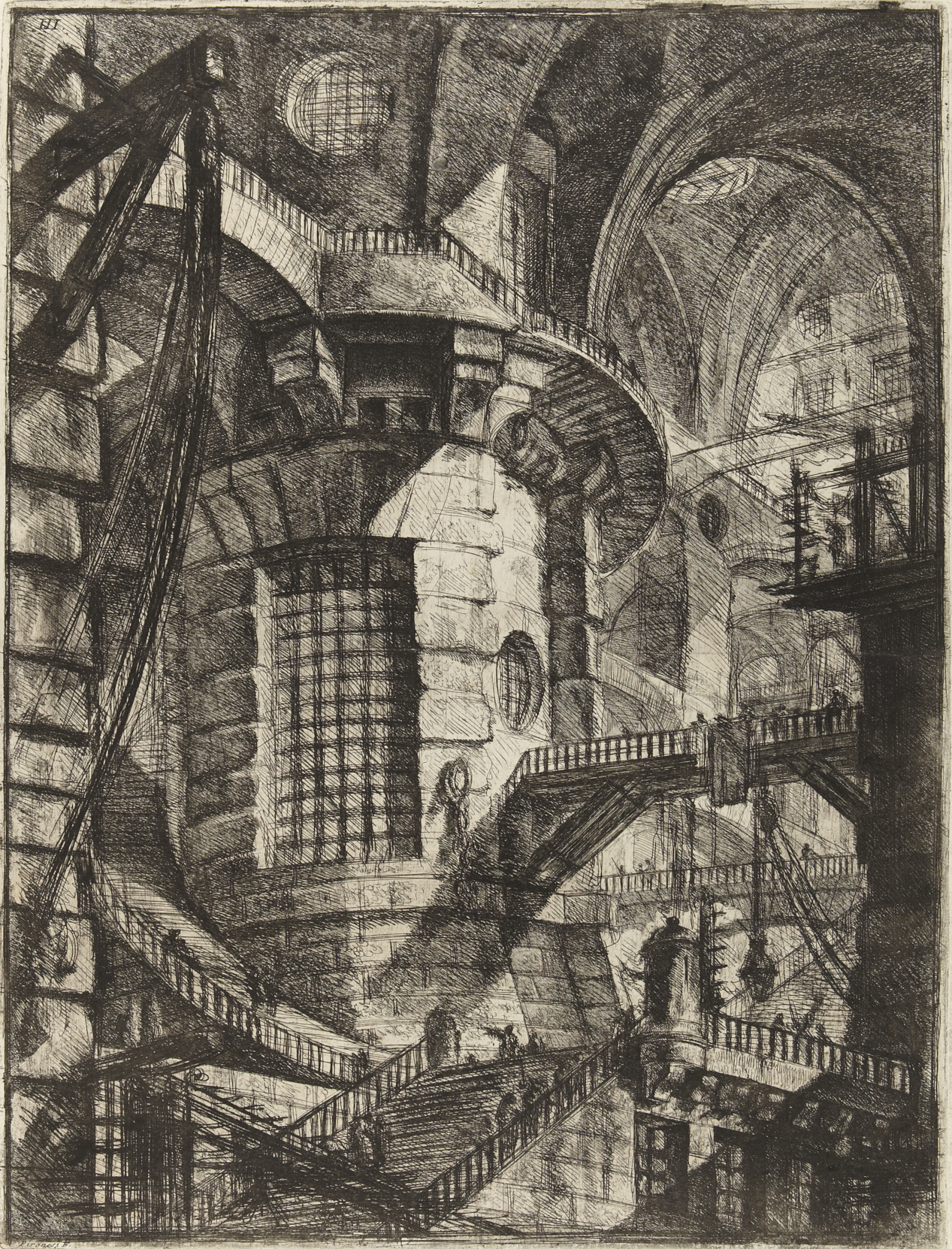
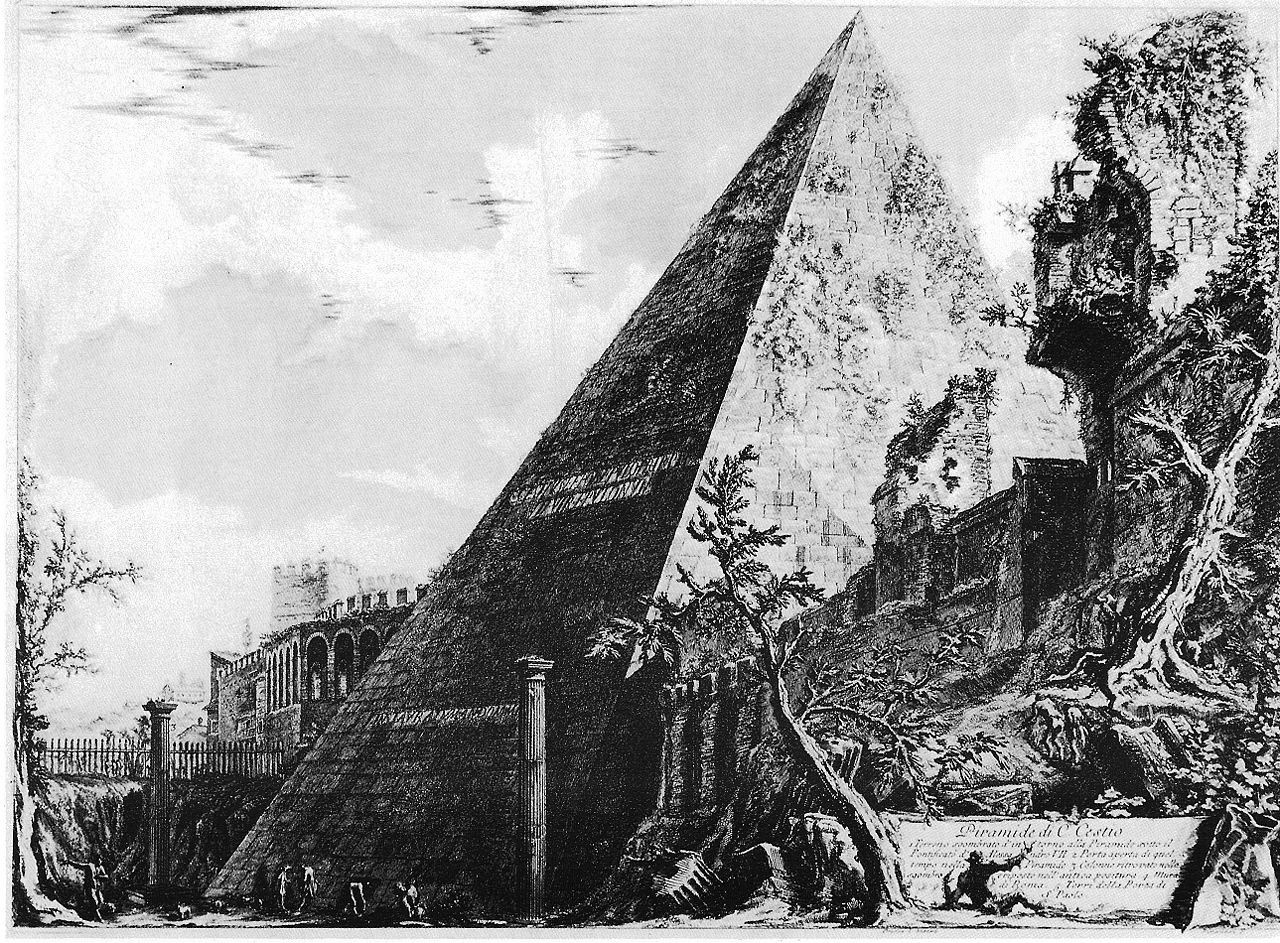
After a few apprenticeships, in which he learnt etching techniques, in 1743 he produced his first collection of plates entitled 'First part of architectures and perspectives invented and engraved by Gio. Batta Piranesi, Venetian architect', which was followed by the first edition of Carceri d'invenzione ('Prisons of invention') in 1745 and Vedute di Roma ('Views of Rome'), a collection published from 1748 to 1778. In the meantime, he opened his studio in Via del Corso, opposite the Academy of France. Between 1756 and the following year, he published his best-known collection, the Antichità Romane ('Roman Antiquities'), divided into four volumes. In a short time, he achieved great success and his fortune was consolidated under the pontificate of Clement XIII, who became his patron and protector.
Related: Rococo: The Art of Shells & Idylls
The works of Piranesi, whom the famous French writer Marguerite Yourcenar described as a 'black mind', are imbued with drama and melancholy, characteristics that make him a forerunner of the Romantic spirit, despite the fact that his main source of inspiration was Classicism revisited in a Rococo key. His engravings were described by him as 'capricious inventions', a term he used to indicate the imaginative character of his creations.
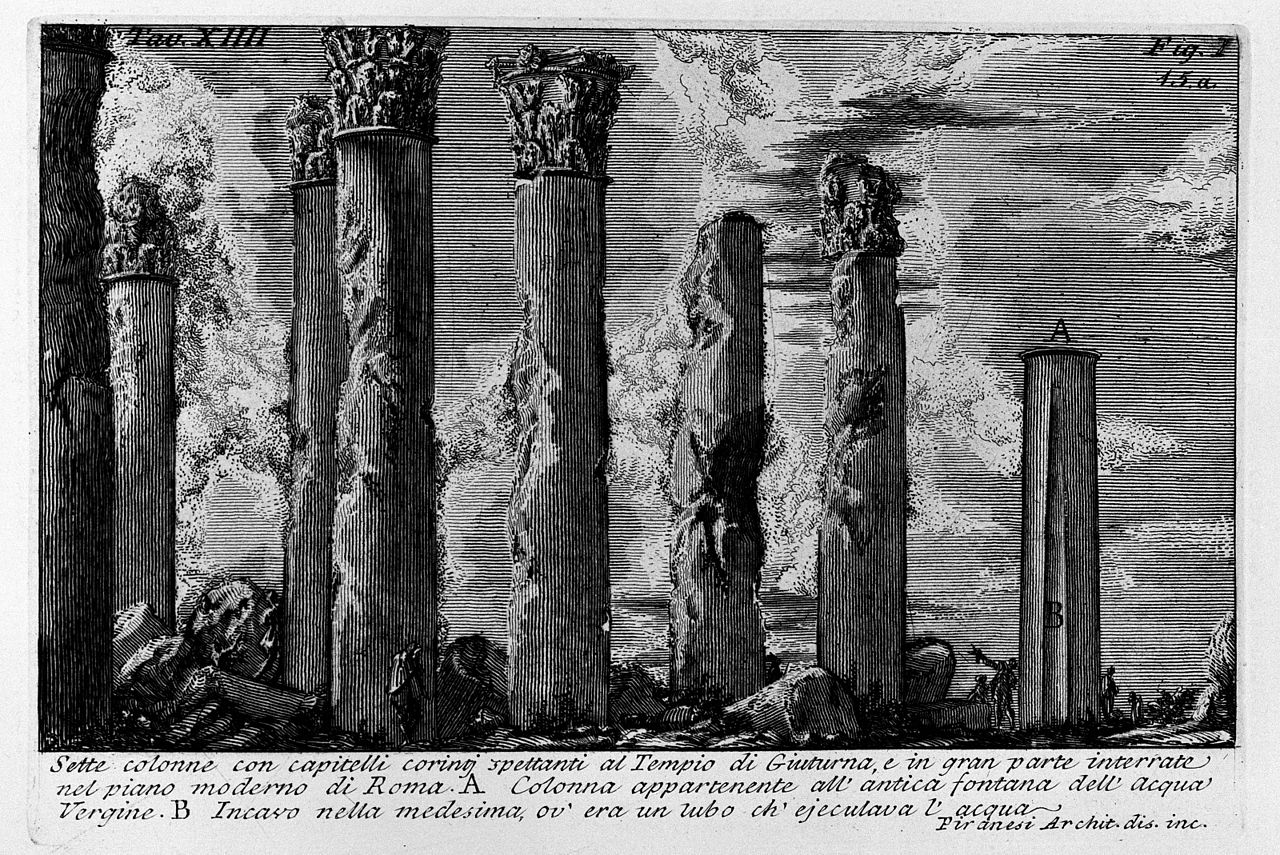
Piranesi's fame was also linked to the so-called 'Grand Tour': the long artistic and cultural journeys that young people from noble families used to make, starting in the 18th century, to the major cities of continental Europe. Obviously, one of the key stops on the Tour was Rome. As Piranesi became a key reference point of the new artistic and intellectual life of the Italian capital, his works were held in high esteem. Through the Grand Tour, Piranesi also made many important friendships.
Thanks to the support of Clement XIII and the patronage of the pontiff's nephew, Cardinal Giovanni Battista Rezzonico, Piranesi was able to realize his architectural dream. Among his many projects, the most important was the rebuilding of the Church of Santa Maria del Priorato, in which he restored the façade using exceptional iconography and created magnificent stucco decorations inside. Work on the site began in 1764 and was completed two years later, thus returning one of its great religious monuments to the city of Rome.
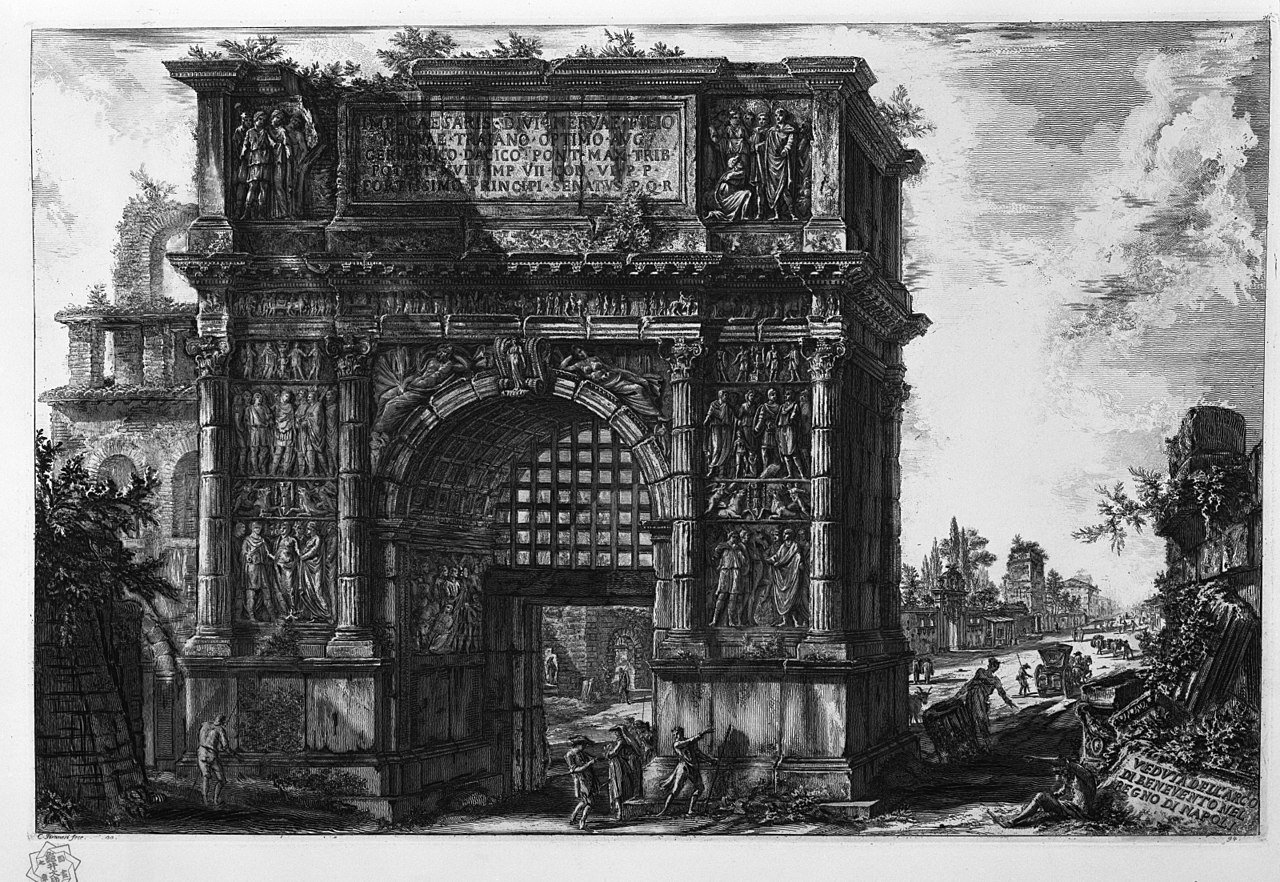
Piranesi's artistic maturity manifested itself in the collections Il Campo Marzio dell'antica Roma ('The Campus Martius of ancient Rome') (1762) and Diverse maniere di adornare i cammini ('Different ways of adorning paths') (1769), in which he also testified to his commercial activity. Piranesi was in fact known to be one of the greatest entrepreneurs of his time, engaged in the sale of ornaments, marbles and antiquities. When he died in 1778, his son Francesco took over his legacy, continuing to disseminate his wonderful works. At the behest of Cardinal Rezzonico, Giovanni Battista Piranesi was buried in the Church of Santa Maria del Priorato, his best-loved project.
Related: Canaletto: The Spirit of Venice
Although Piranesi's most famous works are associated with Rome, his contribution extended beyond the Eternal City. In fact, the artist also produced works on other cities and subjects. In addition to the famous views of Rome, he also created similar series for cities such as Venice, Naples and Paestum. These works show the architectural and historical beauty of these cities.
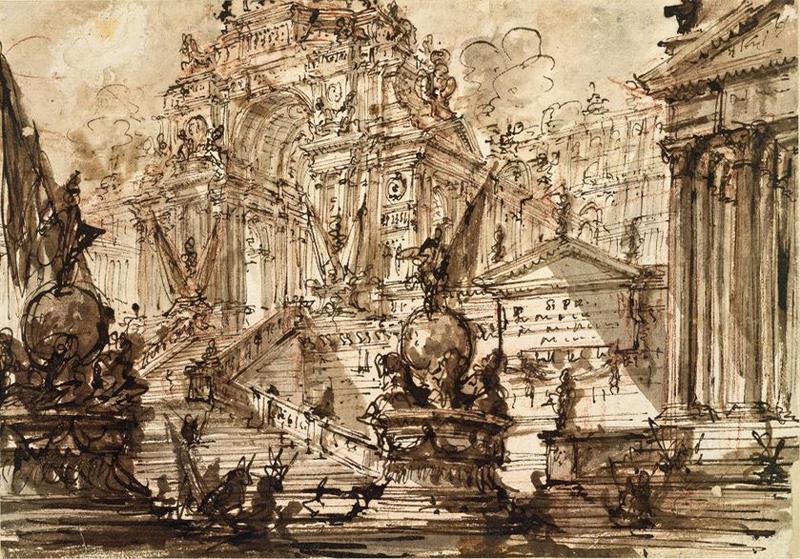
Piranesi was fascinated by ancient ruins and archaeological sites outside Rome. He produced prints with architectural remains from Pompeii, Herculaneum and other sites of ancient Rome. These works provided insight into the ancient past and played a significant role in spreading the appreciation of classical antiquity.
Want articles like this delivered straight to your inbox? Subscribe to our free newsletter!
Piranesi's art is distinguished by its eclecticism and the versatility of his creative flair, making it difficult to place him in predefined artistic categories or currents. His personality is influenced by his dual Venetian and Roman cultural background, which contributes to his complex artistic physiognomy. Piranesi's artistic legacy has influenced generations of artists, architects and scholars – including Maurits Cornelis Escher, whose Impossible Constructions owe a clear debt to Piranesi's Prisons – as well as the Surrealist movement. His works continue to be admired and studied around the world, testifying to the lasting impact of his creative genius.