
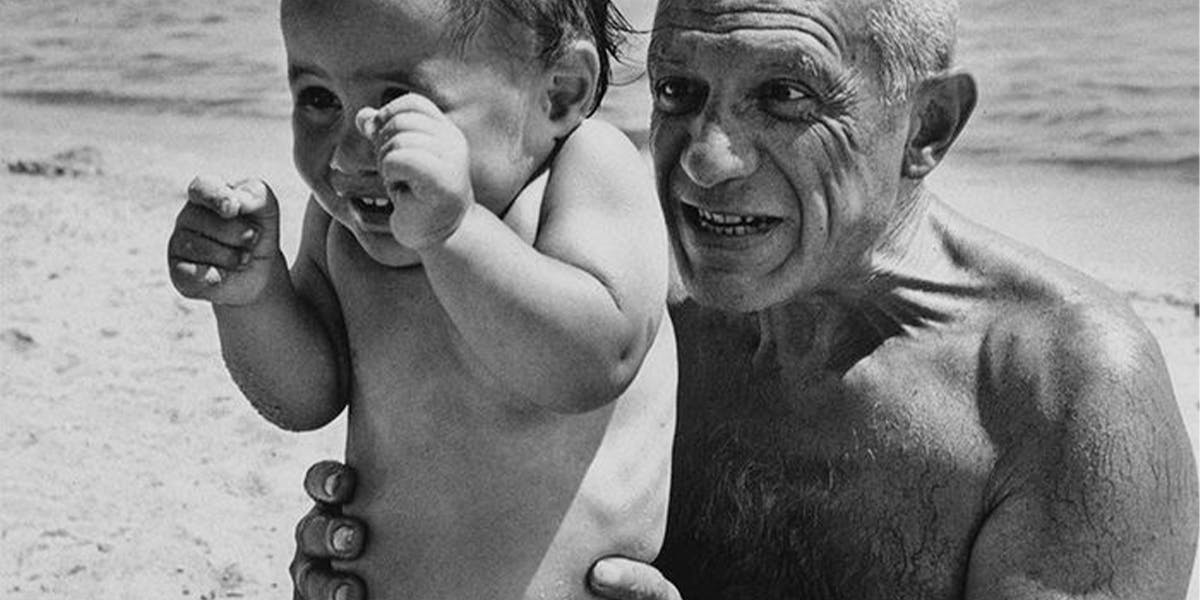
In 1943, 61-year-old Pablo Picasso fell in love with Françoise Gilot, a painter 40 years his junior whom he first met in Paris. Although separated from his first wife, Olga Chochlowa, Picasso was nevertheless still legally married and was in a seven-year relationship with photographer and painter Dora Maar.
Picasso left a heartbroken Dora Maar for Françoise shortly thereafter. The relationship between Dora and Picasso had been passionate and inspiring (especially for him), but also exhausting (especially for her). The painter's flirtations with his muse Marie-Thérèse Walter had always been a problem for Dora as well.
Related: On and Off the Canvas: Art's Most Famous Muses
With Françoise, everything seemed different. She managed to convince the vain Picasso to drastically shorten his declining hair, instead of combing his remaining hair over his bald spot, a decision Dora had encouraged in vain.
Another radical change in the painter's life was his move in 1948 to Vallauris, on the Côte d'Azur, with Françoise and their son Claude, born a year earlier (their daughter Paloma was to follow in 1949). In this new setting, Picasso not only enjoyed the joys of family life, but also discovered a new passion: pottery.
Want more articles like this straight to your inbox? Subscribe to our free newsletter here.
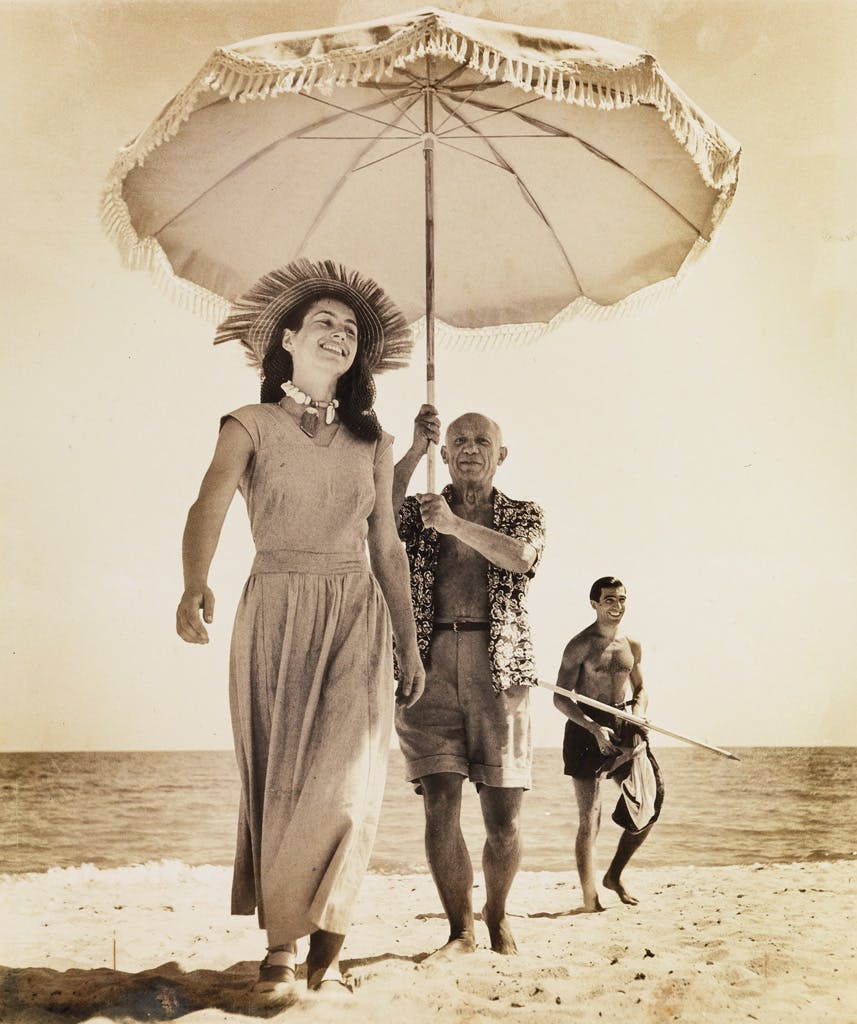
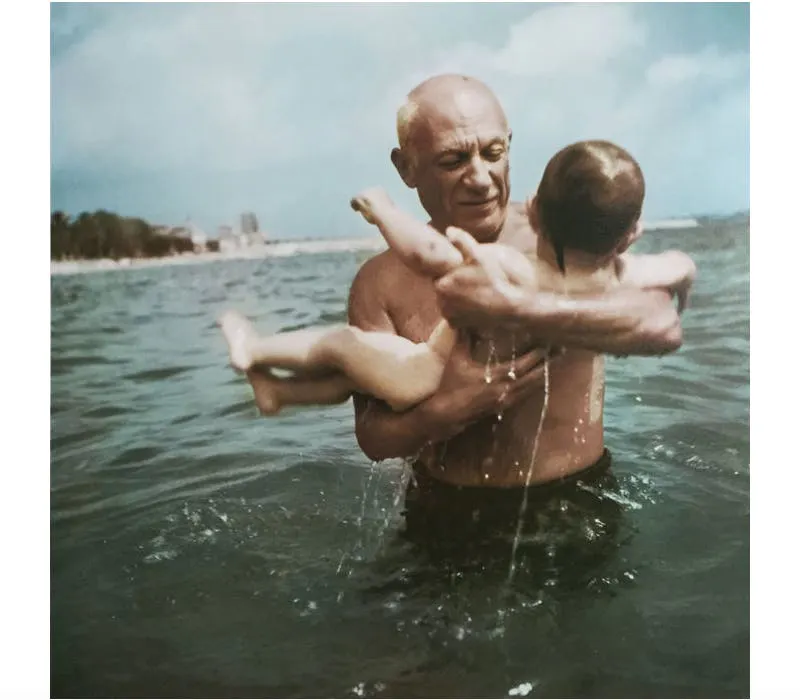
This new family idyll was immortalized in 1948 by American-Hungarian photographer Robert Capa, a good friend of Picasso. The best-known photo in this series shows Françoise strolling on the beach, followed by Picasso holding a parasol above her. Other shots show him playing in the sea with his son Claude.
Related: Picasso's Hidden Talent
The photographer of these enchanting shots, Robert Capa, is best known for less idyllic photos from World War II and the Spanish Civil War. In 1947 Capa founded the Magnum photography agency with colleagues Henri Cartier-Bresson, George Rodger and David Seymour.
The familial happiness of Françoise Gilot and Pablo Picasso was not destined to last however. In 1953, she left him and returned to Paris with their two children. This experience was new for the artist who had always been the one to end a relationship.
Related: 8 Artists Inspired by the South of the France
Picasso took his revenge by preventing Françoise from pursuing her career as a painter. He used his influence to forbid Parisian galleries from exhibiting her works, otherwise they would never be able to present one of his works again. To support herself, Françoise published the book Vivre avec Picasso in 1964, in which she recounted her experiences alongside a man who was both a genius and a tyrant. Picasso tried, in vain, to prevent its publication. The work has been described as "the most intimate and revealing portrait of Picasso ever written." However, Capa's idyllic beach photos would forever immortalize Picasso and Francoise in a few moments of bliss.


