
The ultimate ideal is not to be fashionable but to get ahead of it. Better yet, to invent and embody it without appearing to be; all the better to let it spread throughout society. This is the secret of the success of the great brands of this world, of which Ole Lynggaard is naturally a part of today.
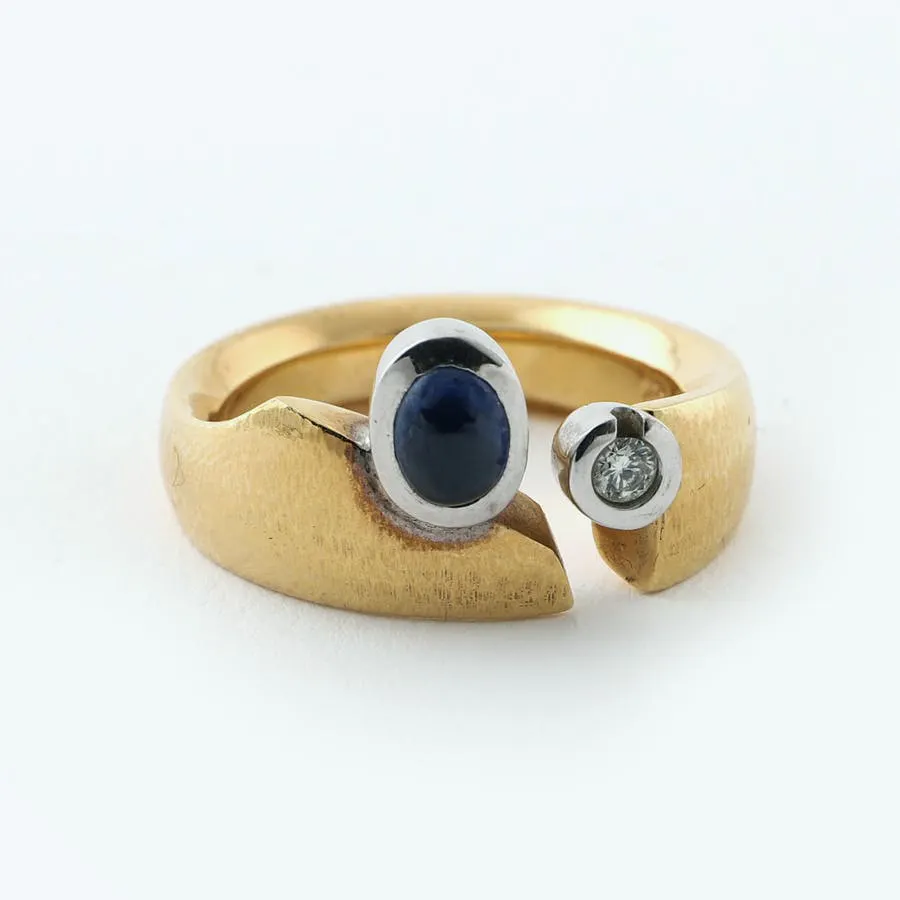
Passionate about the brilliance of jewelry, the Danish designer Ole Lynggaard founded his eponymous company in Copenhagen in 1963, after having traveled the world in the 1950s. Returning from his initiatory journey with Karin, his future wife who also became his muse, he thus forged a very precise idea of the different approaches to fine jewelry through his stops in Germany, China, New York, the Philippines and even Paris.
Related: The Surprising Inspiration Behind the Cartier Love Bracelet
Ole learnt quickly, and understood excellence. So much so that the creations of this young goldsmith quickly caught the eye of the royal court of Denmark, of which he later became the official supplier.
The recipe for this dazzling success lies first and foremost in the passion that drives it. A passion for drawing, painting and the harmony of Scandinavian landscapes lies behind the brand.
One of the company’s first designs to benefit from international enthusiasm was the invention of the jewel clasp, marketed in 1969. In Scandinavia, the brand acquired a promising reputation. Its satin gold jewelry began to capture the hearts of women who discovered the attention to detail and the timeless elegance specific to this company where everything was – and is – decided and shaped in the family.
At Ole Lynggaard, business is above all a story of transmission. At the end of the 1980s, Ole’s daughter Charlotte joined the adventure, followed in 1994 by his son, Søren, who has since become the CEO of the company. Charlotte has a gift for creation, like her father, and it is therefore natural that she took over the artistic direction of the brand. Within a few years, she breathed modernity, femininity but also a cool factor into jewels which hitherto exuded sobriety and charisma.
Related: How Diamonds Became a Symbol of Love
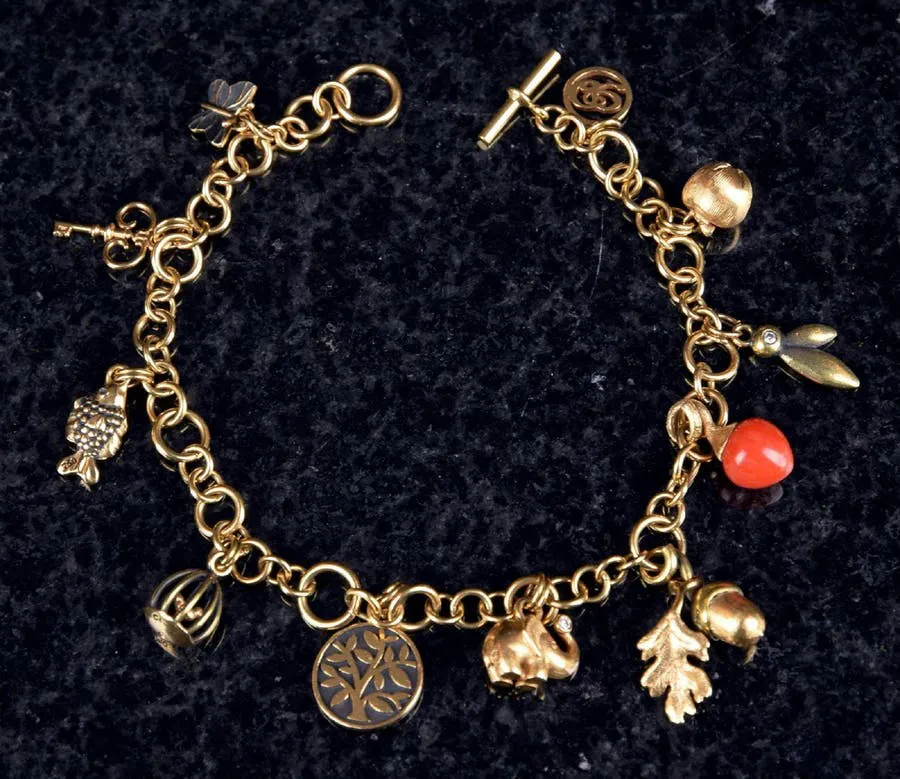
Fleeing the sirens of bling-like whims of jet-setters, the heiress also multiplied the collections in order to offer modular pieces on a daily basis (rings, earrings, necklaces, charms, etc.) at affordable prices.
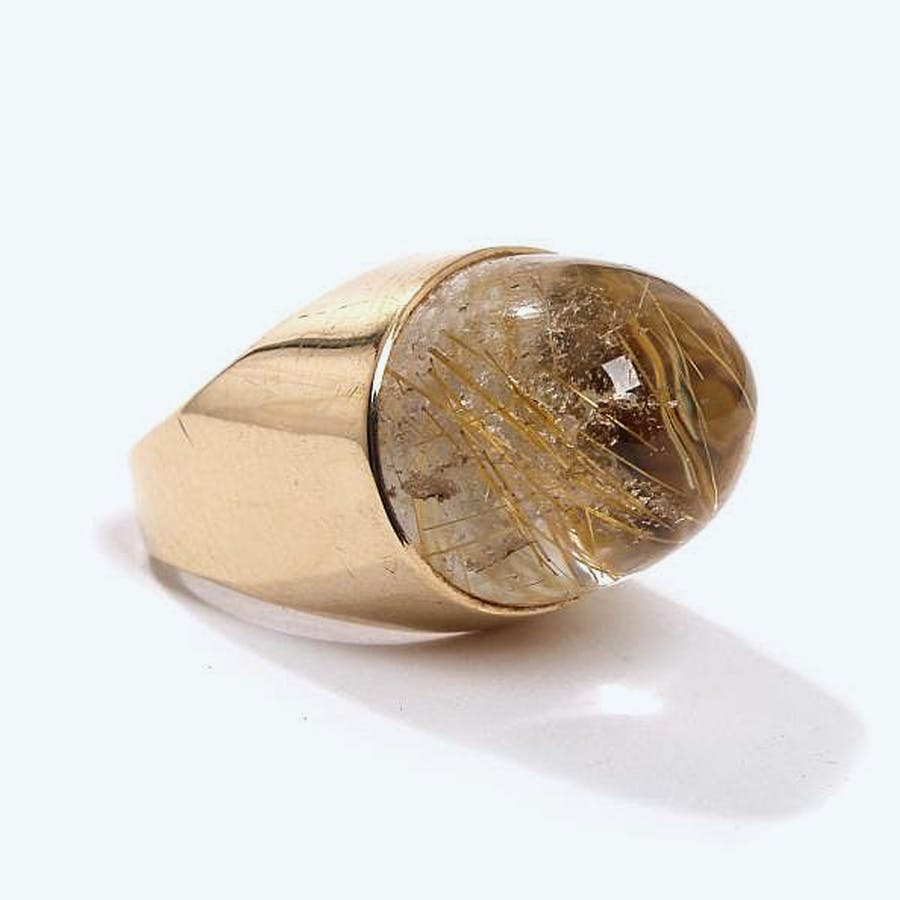
To get a more precise idea, the brand currently offers entry-level Life Bracelets at $250, while some exceptional pieces can go up to $35,000. All of them nevertheless have a strong identity, this vintage patina, a poetry of colors and a vegetal influence which remain in the DNA of the Danish house, just like certain favorite gems such as moonstones, pink quartz, coral and gold.
Related: The 9 Most Popular Jewelry Brands
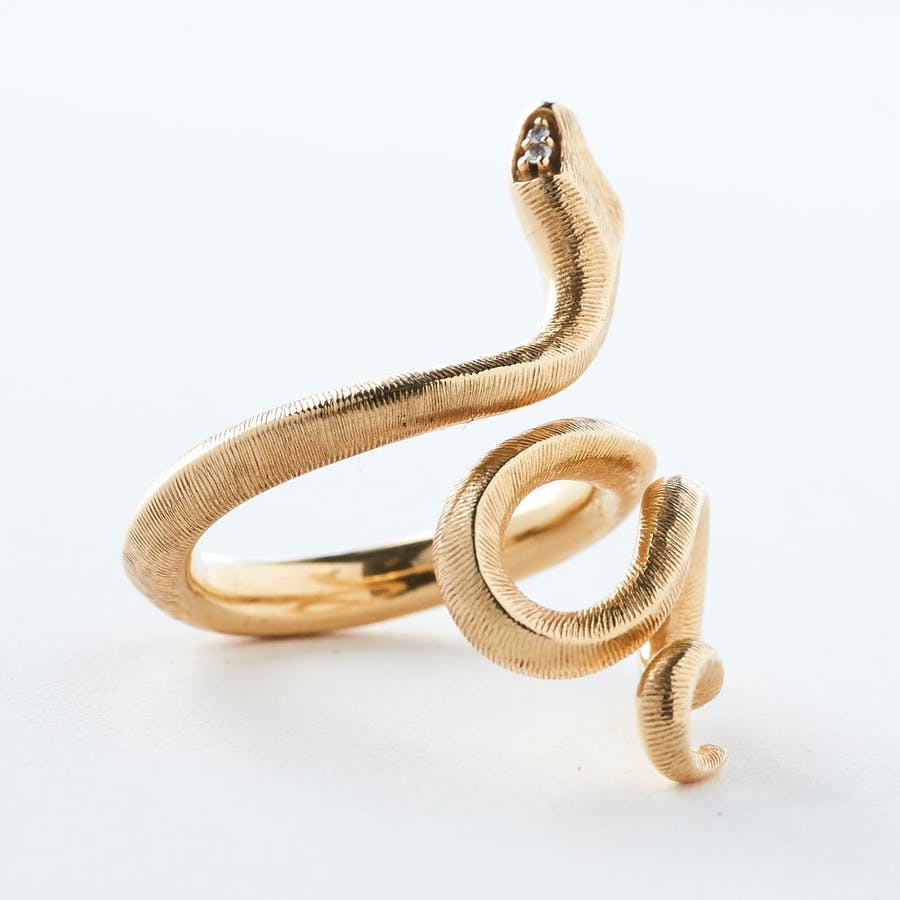
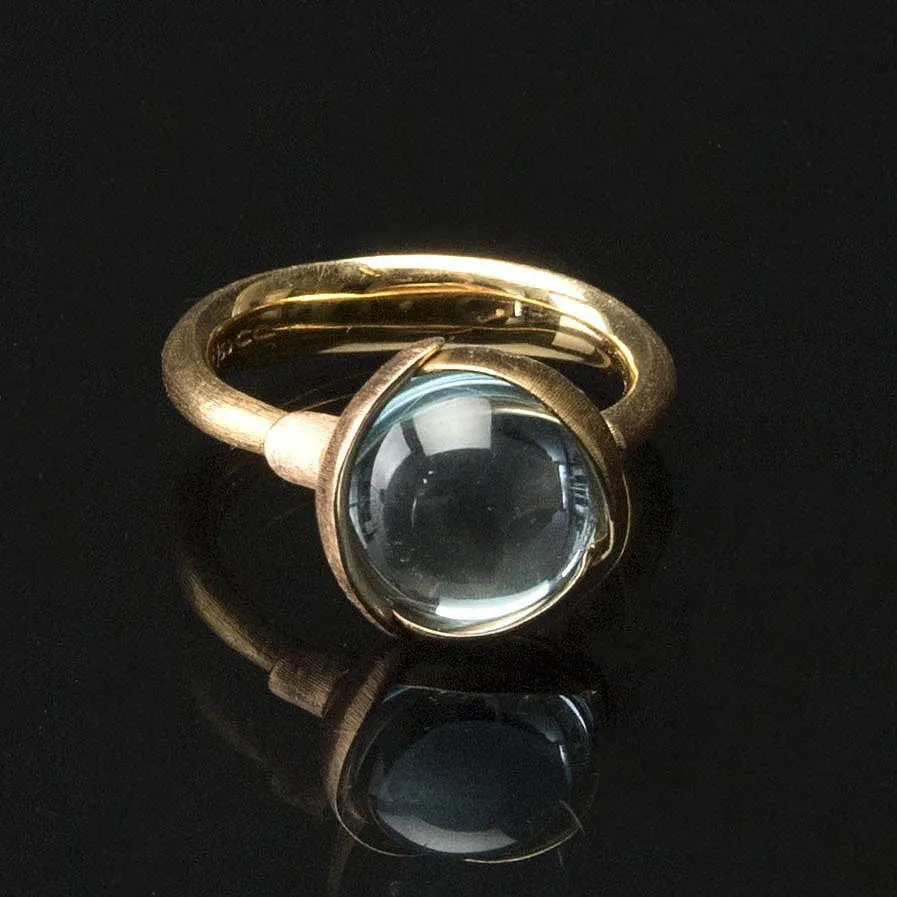
In recent years, the brand, which is defined as the largest goldsmith's workshop in Northern Europe, has had a series of best-sellers, like its Lotus and Snake rings, whose aesthetics pay tribute to the treasures that Ole Lynggaard found in Egypt when he stayed there in his youth.
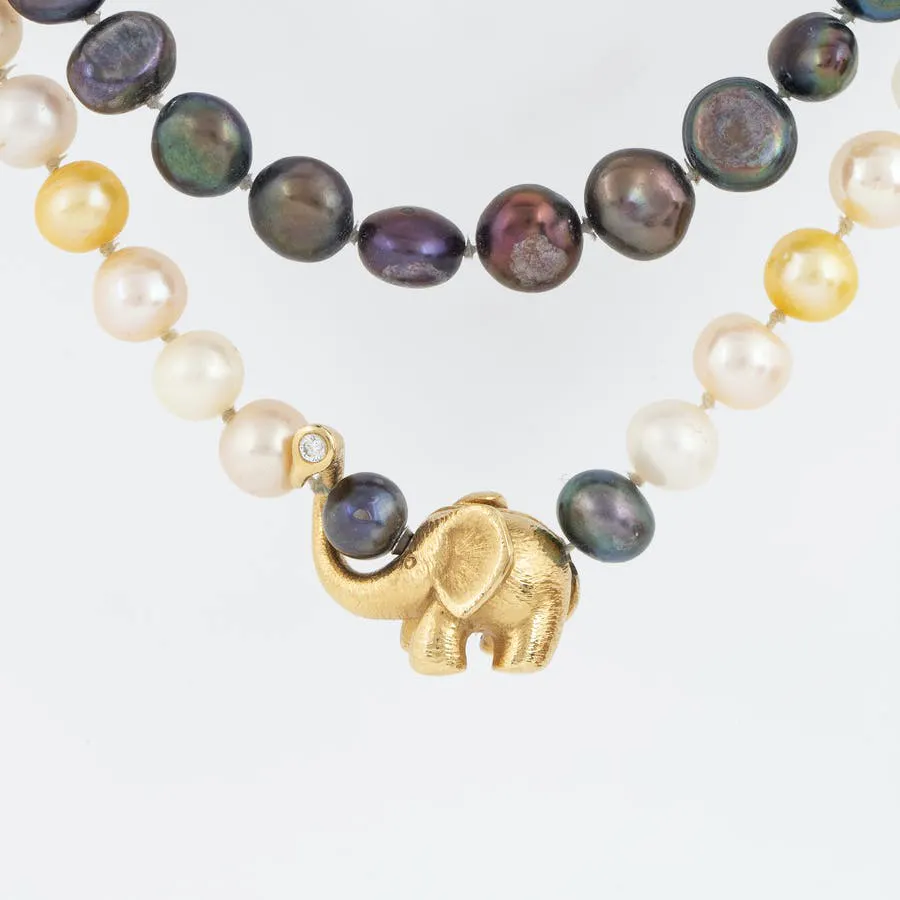
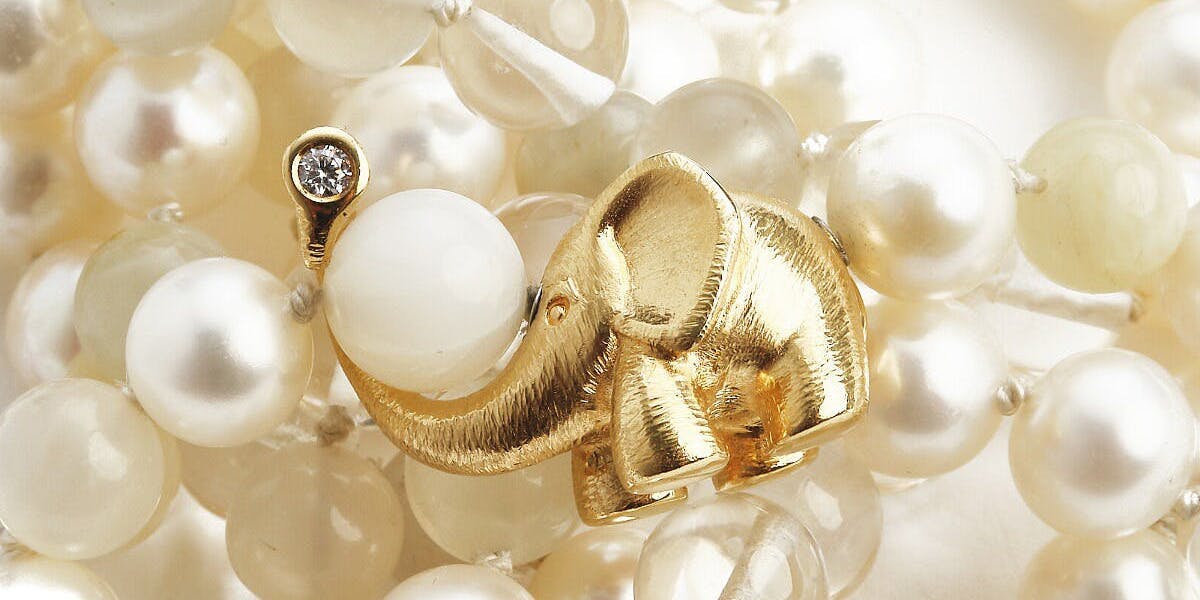
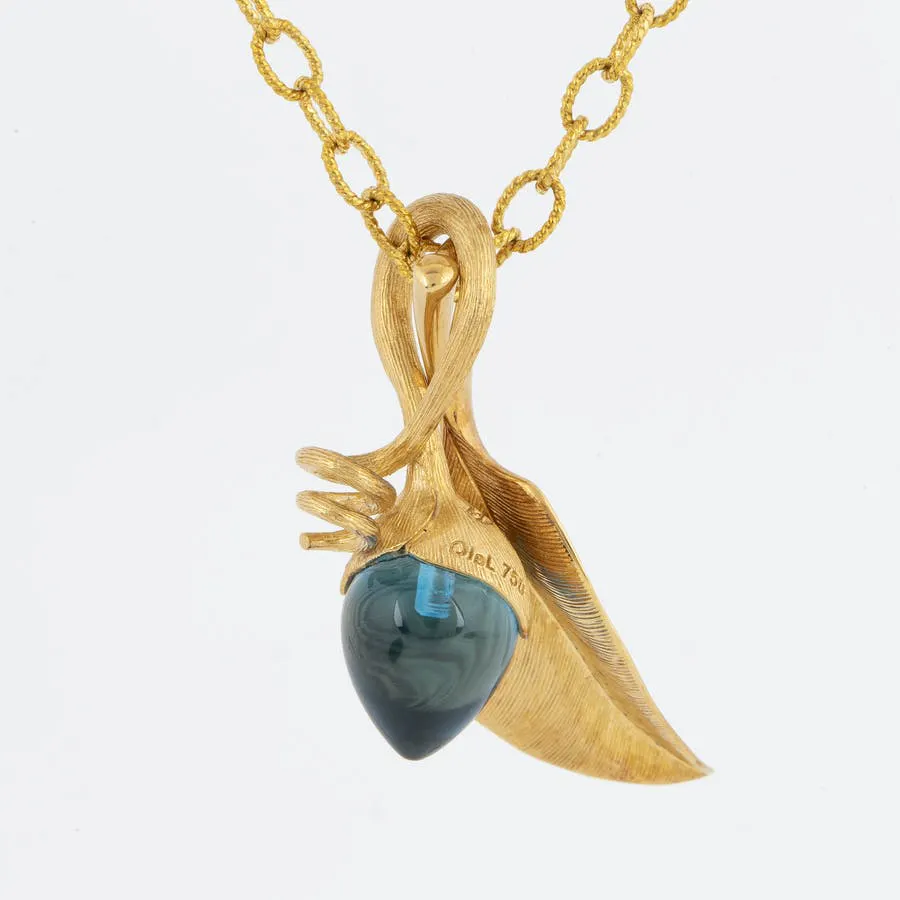
The brand’s recent reinterpretations of the Elephant pendant in yellow gold and diamonds, as well as the Leaves and Nature collections in hand-engraved gold, have also been successful, with thousands of pieces sold around the world. While this alone is impressive, it is all the more so that it translates into an annual increase in turnover of 10% – lasting twenty years.
Related: The Imaginative Jewelry of Alexander Calder
As for its ‘image’, the brand has also raised the bar with its collaboration with ex-supermodel Helena Christensen in 2014 and 2015. The reinforcement of a renowned muse has also played in the great breakthrough of Ole Lynggaard in Australia and in certain European countries where the brand’s presence was still marginal, as was the case until recently in France.
Since then, things have changed, since the Danish label now has a flagship store in Paris, in the Place Vendôme district where the most prestigious global brands of jewelry and watchmaking are concentrated.
Globally, the brand is now present in 25 countries and employs around 100 people, including around 40 goldsmiths, who are mainly found in the workshops of Hellerup, north of Copenhagen, but also in Thailand, where some productions are outsourced. Proof of the serenity that reigns internally, some employees have worked for forty years in this family company that Ole Lynggaard continues to follow closely, despite passing eighty years.


