
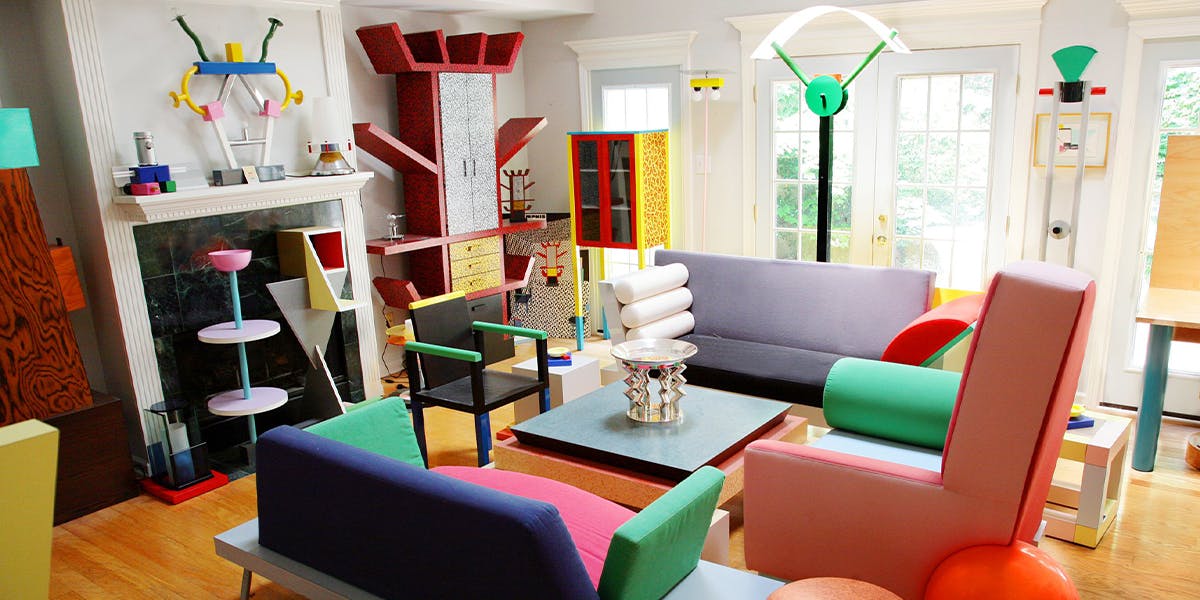
Memphis embraced all those things that modernism had refuted: patterns and colors, kitsch and humour. It challenged our notions of functionality and good taste.
1981: the brilliant Ettore Sottsass founds the Memphis Group in Milan, an event that in a short time will dictate the aesthetic rules of an entire decade. Today this eclectic, colourful and kitschy furniture has come back in style.
Milan in winter is always grey, cold and foggy, and this was certainly the case one December evening in 1980 when Ettore Sottsass met with the designers Lucchi, Cibic, Thun, Zanini and Bedin. The aim of their meeting went well beyond a simple dinner with friends: the designers wanted to create a movement to rebel against the status quo of modernist design. This meant overtaking the minimalist, functional and sobriety of modernism with a bold design, made of the bright colours of Pop Art, the extravagant forms of Art Deco and the kitsch of the 1950s.
On one of these evenings, the chatter was accompanied by Stuck Inside of Mobile with the Memphis Blues Again, the famous Bob Dylan song. When it came time to find a name for the collective, Sottsass proposed ‘Memphis’ – the city of Tennessee and the birthplace of musicians such as BB King, Johnny Cash and Elvis Presley. Memphis is also relevant to Ancient Egypt: Ptah, an ancient Egyptian deity, was the god of craftsmen and architects. In the triad of Memphis, Ptah is the husband of Sekhmet and the father of Nefertem.
Related: A Brief History of Furniture Design
To the surprise of its founders, the need for Memphis was enthusiastically welcomed by designers all over the world, so much so that many of the forty designers who collaborated in the collection presented at Milan’s Salone del Mobile in 1981 were foreigners: Nathalie du Pasquier from France, Michael Graves from the United States, Hans Hollein from Germany, Shiro Kuramata from Japan – a clear sign that the need that had driven the birth of the collective was not relegated just to Italy, but was a common necessity for many.
The success of Memphis wasn’t limited to the niche of creatives of the time. Rather, as Alberto Bianchi Albrici, owner of the Memphis Studio since the mid-1990s, said, "Memphis broke everything". In fact, the inauguration of the event on the occasion of the Salone del Mobile had an enormous response, to such an extent that "when we arrived, there was incredible traffic", recalled French designer Martine Bedin in an interview, "and Ettore thought it was a terrorist attack. Shortly thereafter, we discovered that they were all there for us."
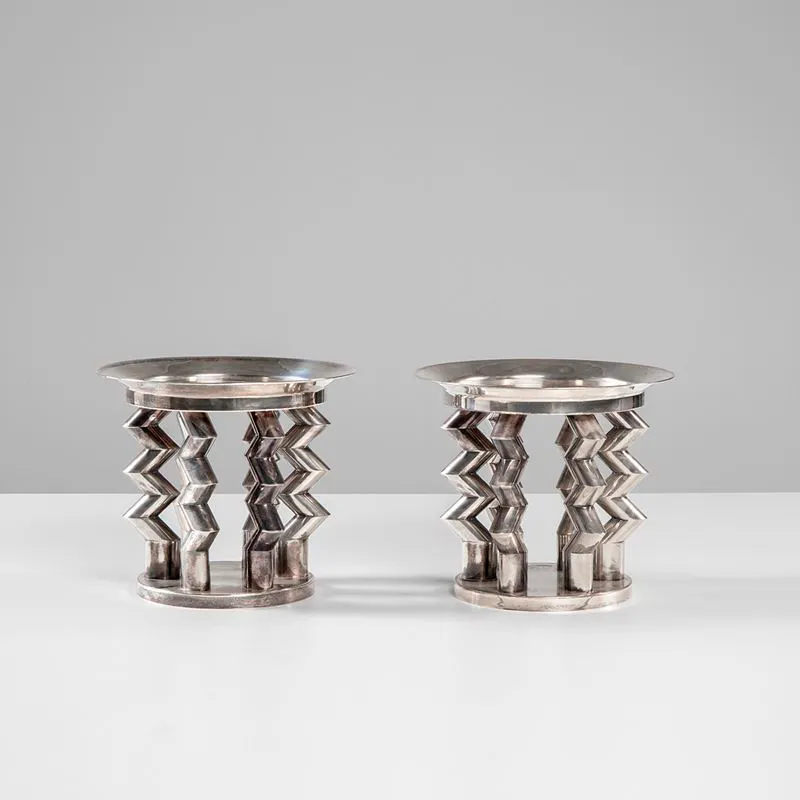
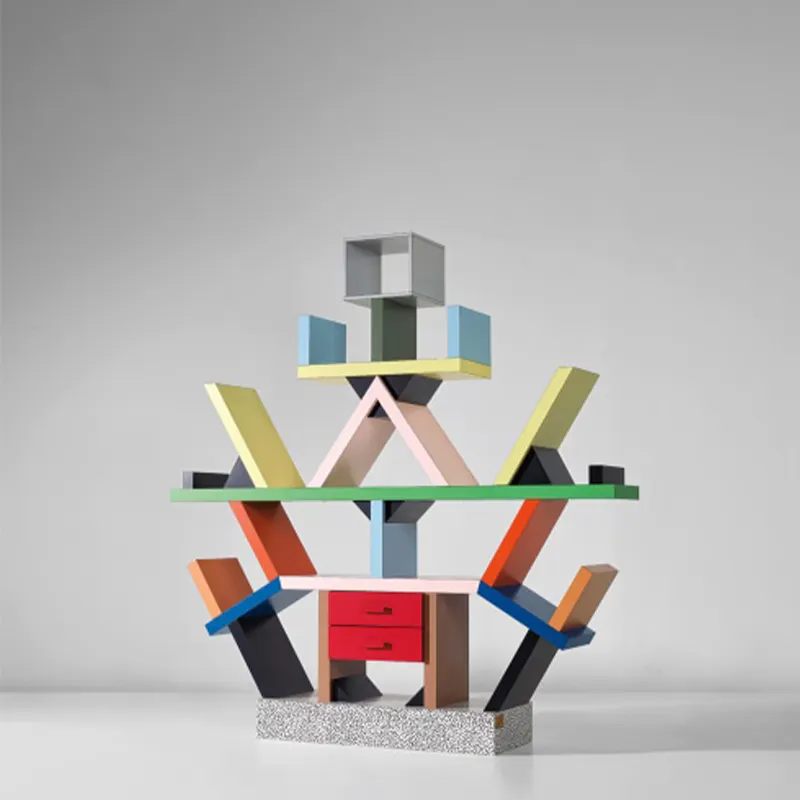
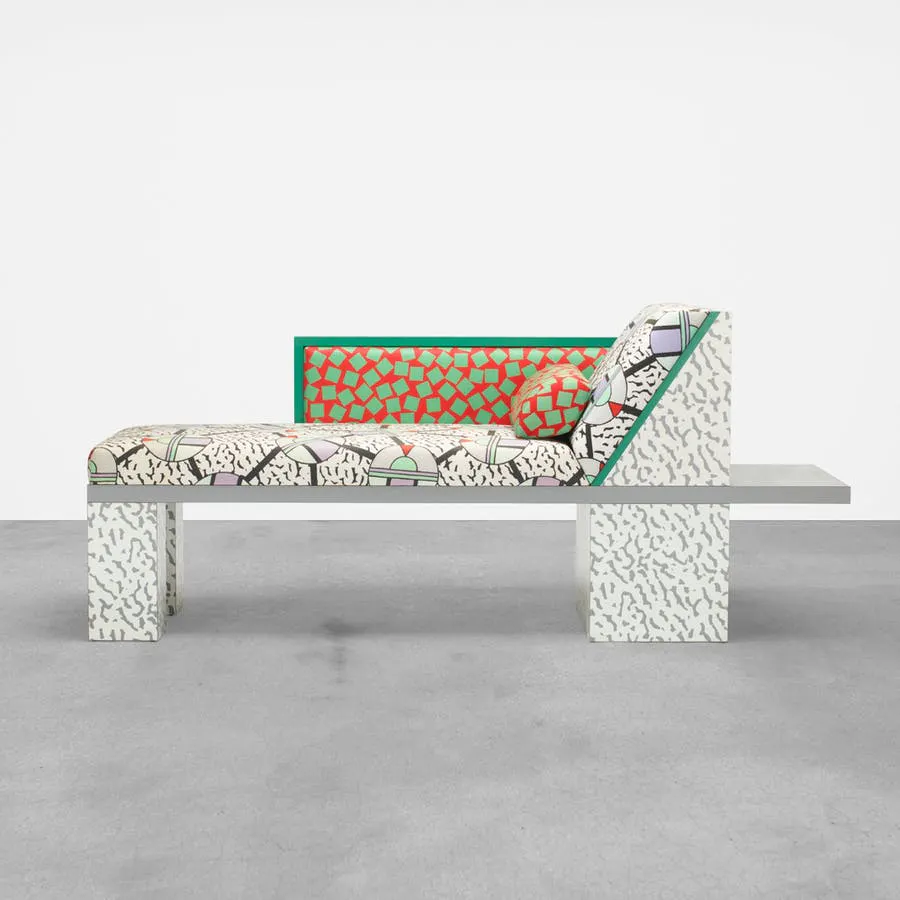
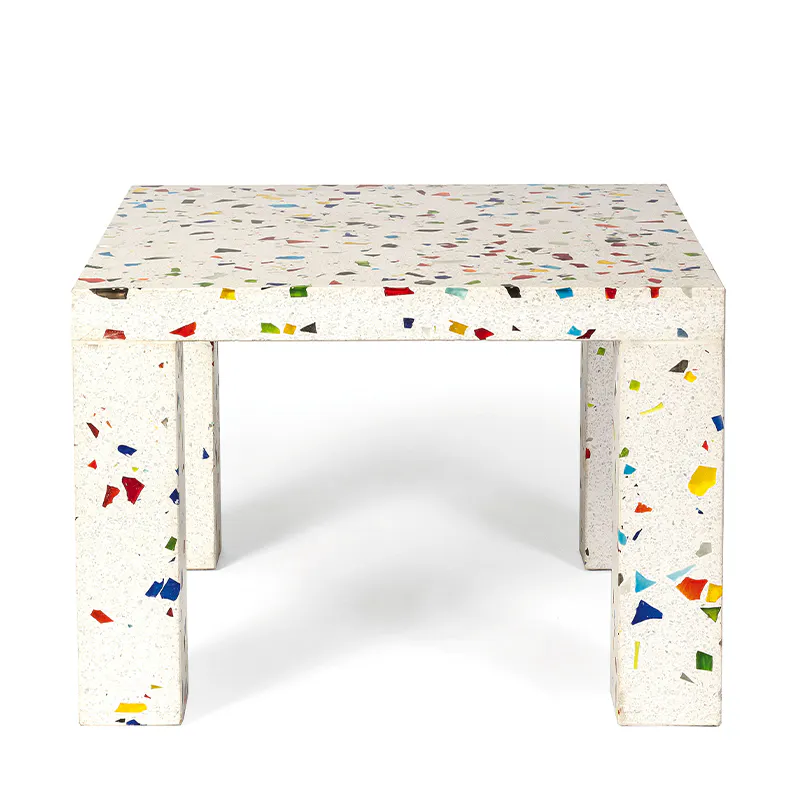
The 56 pieces of the first collection – made up of fabrics, lamps and other furniture – were colourful, exaggerated and almost kitsch, at the limit of good taste. Revolting against all the laws of modernist design led by Mies van der Rohe, the designers had created one of the first examples of Postmodernism: functionality was passed into the background, materials were poor (such as plastic laminate and Venetian terrazzo), and it desecrated aesthetics. And if this wasn’t enough, in a game of smoke and mirrors, the pieces took their name from the most famous luxury hotels in the world: the Carlton bookcase, the Casablanca cabinet and the Plaza table.
Many famous people also fell in love with the furniture of the collective: among the most enthusiastic was the musician David Bowie alongside the stylist Karl Lagerfeld, both of whose collections were dispersed by Sotheby's in 2016 and 1991 respectively. Although they were very successful, the furnishings did something much more extraordinary than simply make money: they modelled the aesthetics of the '80s, an influence that in recent decades has never been exercised so blatantly.
Want more articles like this delivered straight to your inbox? Subscribe to our free newsletter
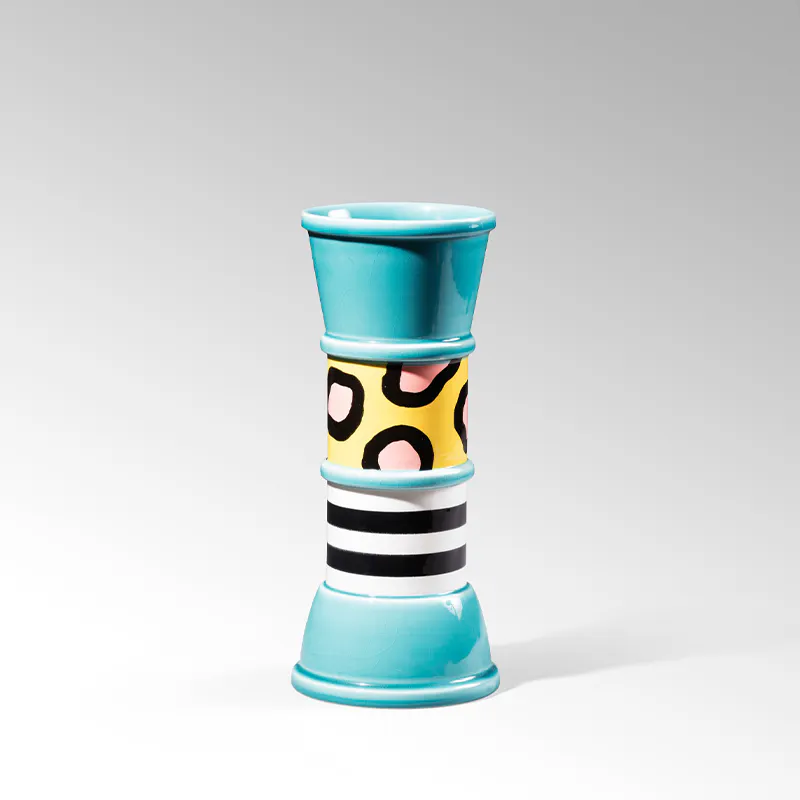
The explosive recipe of Memphis features all the typical ingredients of the aesthetics of the 1980s: bright colours, bizarre patterns, geometric shapes and kitsch.
"Memphis embraced all those things that modernism had refuted: patterns and colours, kitsch and humour. It challenged our notions of functionality and good taste", said Anthony Barzilay Freund, director of fine arts at 1stdibs.
There are many examples of how this aesthetic spread like wildfire and ended up coinciding with the culture of the '80s, but it’s enough to look at the first MTV logos (launched at that time), or scenes in Back to the Future, to realise the contribution of the group on popular culture.
After this bomb that disrupted the design world was dropped, the group dissolved in 1988. Sottsass had already left three years earlier, fearing that Memphis would mark him for life: "It is a phenomenon born out of cultural and political necessities, that are now gone", he said. “There are times when something happens, and then it's over. That's enough.”
Related: The 10 Most Popular Furniture Designers
Despite its short life, the influence of the group has never completely exhausted itself. Excluding the ‘90s, the interest in Memphis has always been rather high. For example, the spring/summer 2005 collection of MiuMiu used the patterns of Nathalie du Pasquier. However, it is only in recent years that the Memphis Group has returned to the spotlight, thanks to the increasing interest in Italian design and the reevaluation of the '80s, often considered an emblem of bad taste.
Related: Gio Ponti: A Founding Architect
This interest is reflected in the secondary market, where Gio Ponti's records are flanked by those of Sottsass and company, and are often featured in special, dedicated sales, such as ‘Sottsass Repertorio’ held at Artcurial in October 2018. This comeback isn't purely limited to the auction halls: in 2014 American Apparel launched a collection designed by Nathalie du Pasquier, Valentino was inspired by the collective's design for his 2017 collection, and in 2018 Adidas has launched the 'ZX Memphis' shoes.
Memphis and the ‘80s really never left – though we only realise it now.
Discover more trends with Barnebys Magazine
This is an updated version of an article originally published in 2018.


