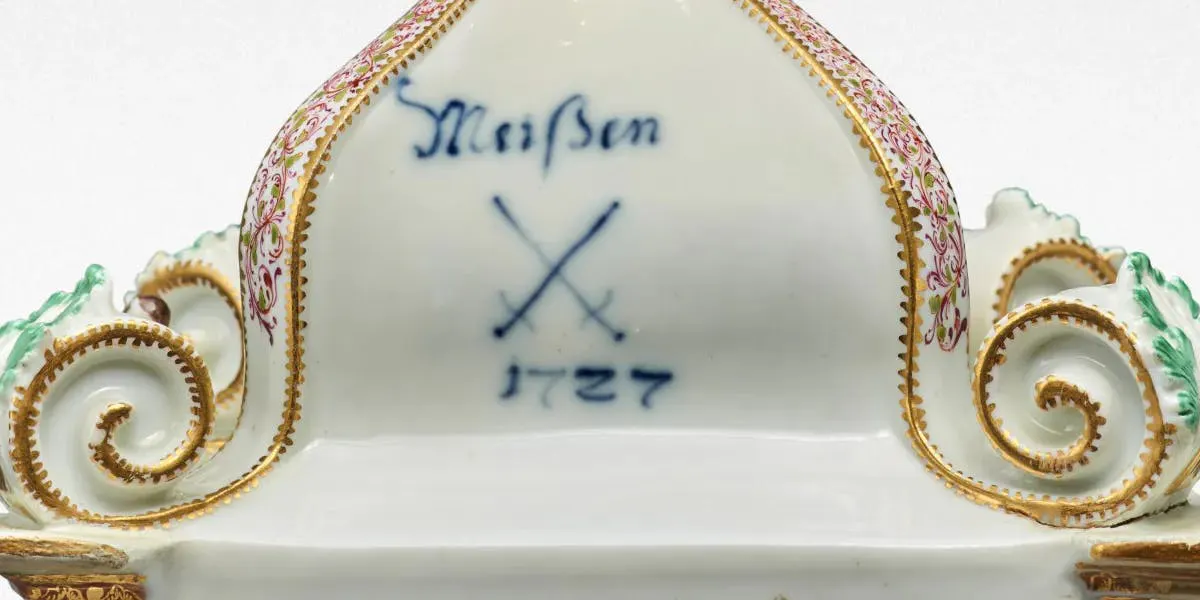
Last Tuesday, the Oppenheimer collection of Meissen porcelain was presented for auction at Sotheby's, comprised of 117 exquisite pieces. The collection of masterpieces surpassed all expectations: there was hardly a lot that did not multiply its estimate, bringing the total sale result to around $15 million, fivefold the expected $3 million.
Related: 5 Things You Didn't Know About Ceramics
This sensational total underlines once again how much the first works of the first porcelain factory in Europe are still sought after. Needless to say, when such a prestigious collection hits the market, collectors are ready to raise the stakes.
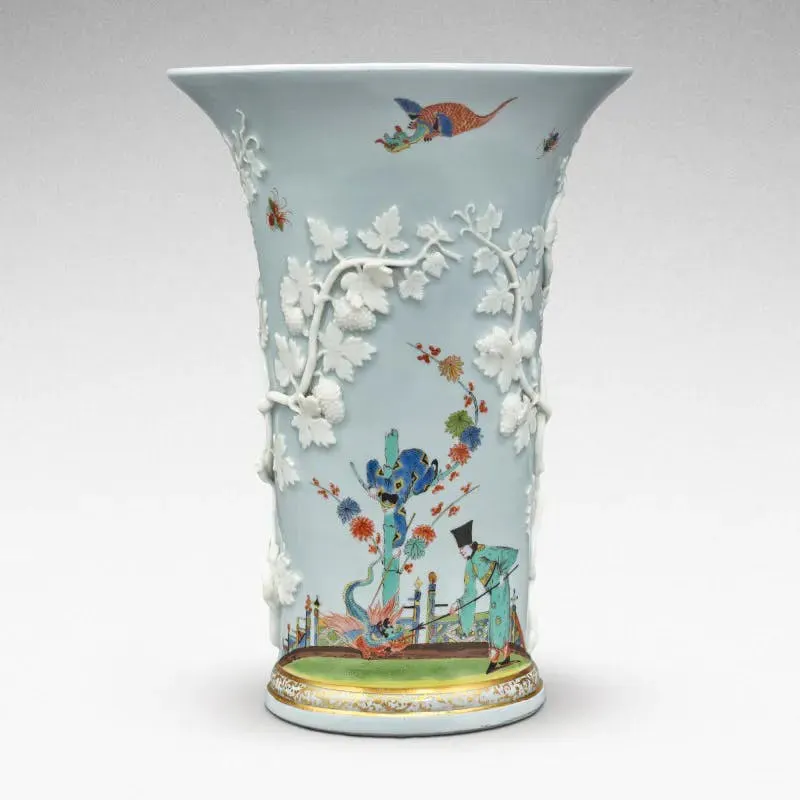
Franz and Margarethe Oppenheimer, a Jewish couple living in Berlin, had assembled a remarkable collection of Meissen porcelain at the beginning of the 20th century. In 1927, they called on art historian Ludwig Schnorr von Carolsfeld, who was a professor at the Schlossmuseum and an expert in porcelain and ceramics, to catalog it.
Related: Rosenthal: Art at the Table
In 1936, the Oppenheimers were forced to leave Germany after paying the “Reichsfluchtsteuer” (exodus tax). Their journey finally ended in New York in December 1941, after stops in Vienna, Hungary, Sweden and Colombia. The porcelain collection, however, was not able to travel with them.
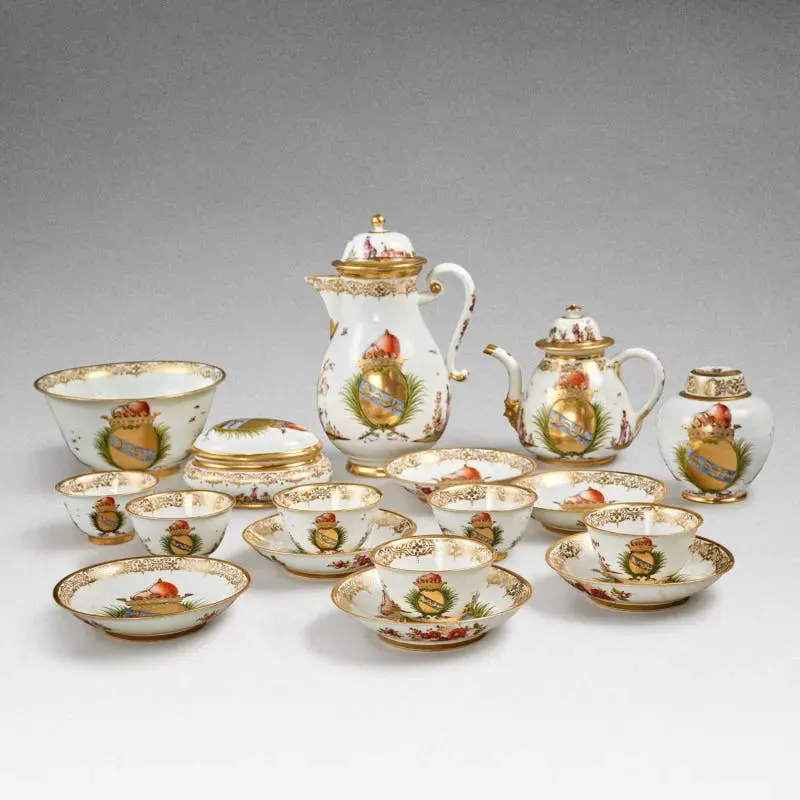
It passed into the hands of Amsterdam-based banker and art collector Fritz Mannheimer, a Nazi opponent, but after Mannheimer's death in 1939, Kajetan Mühlmann, a prominent Nazi art agent, got hold of the collection to display it in the future “Führermuseum” in Linz. The museum was never established and the collection was taken underground at the end of the war and returned to Amsterdam by the Allies' Monuments Men where it became the property of the Dutch state. It has since been exhibited at the Rijksmuseum in Amsterdam, the Kunstmuseum in The Hague and the Museum Boijmans van Beuningen in Rotterdam.
Related: Staffordshire Pottery: Britain's Ceramic Center
At the beginning of 2021, the heirs of the Oppenheimers were ruled the legitimate owners of the collection by the Dutch Restitution Commission and entrusted Sotheby's with the sale.
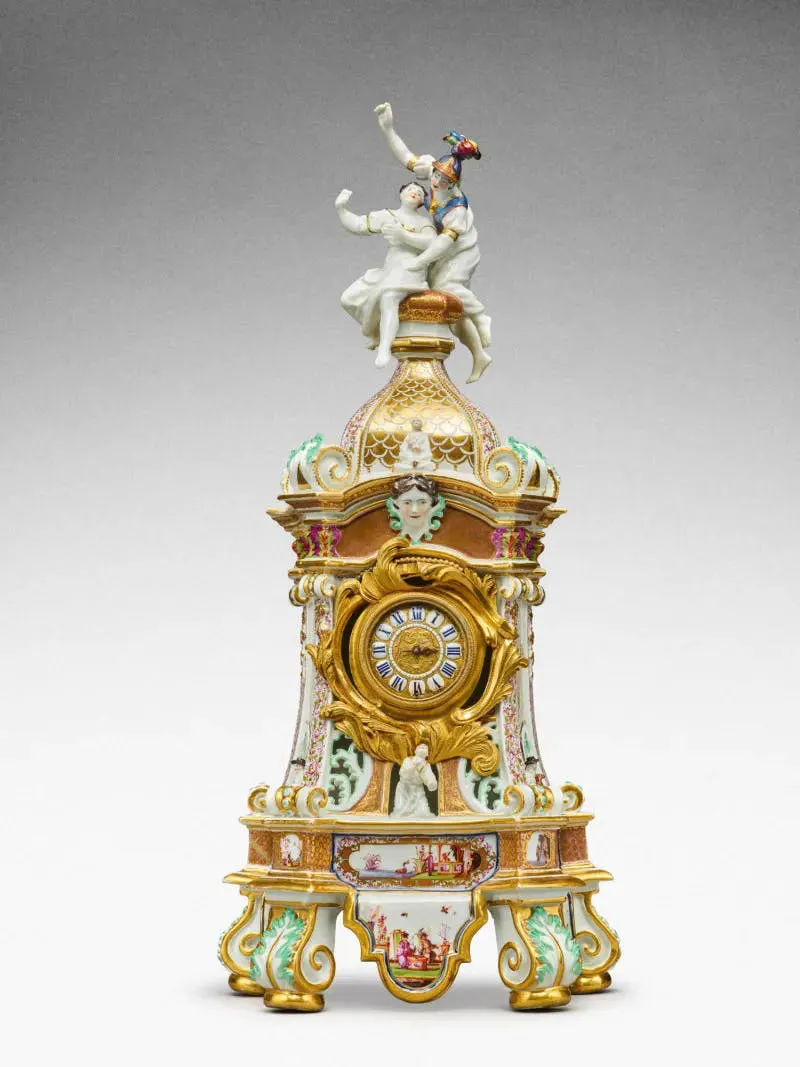
Collectors weren't the only ones joining in the festivities: museums also made offers. The Rijksmuseum has acquired more than half of the lots on offer, namely those it had to return at the start of the year. Among these artifacts was an important mantel clock dating from 1727, which was purchased for around $1.6 million.