1901 was a pivotal year for the 19-year-old Pablo Picasso. In June, he held his first solo exhibition in Paris at the gallery of art dealer Ambroise Vollard. However, it was another event that would shape the future artistic development of the young Catalan painter. In February, his close friend and fellow countryman Carlos Casagemas took his own life in a dramatic act of despair over unrequited love for Germaine Gargallo, a dancer and artist’s model. During a gathering at the restaurant L’Hippodrome, Casagemas first fired a shot at Germaine—missing her—before turning the gun on himself. Picasso, who was in Madrid at the time, was devastated, and the tragedy would leave a lasting imprint on his work later that year.
See also: 8 Patrons of the Parisian Avant-garde
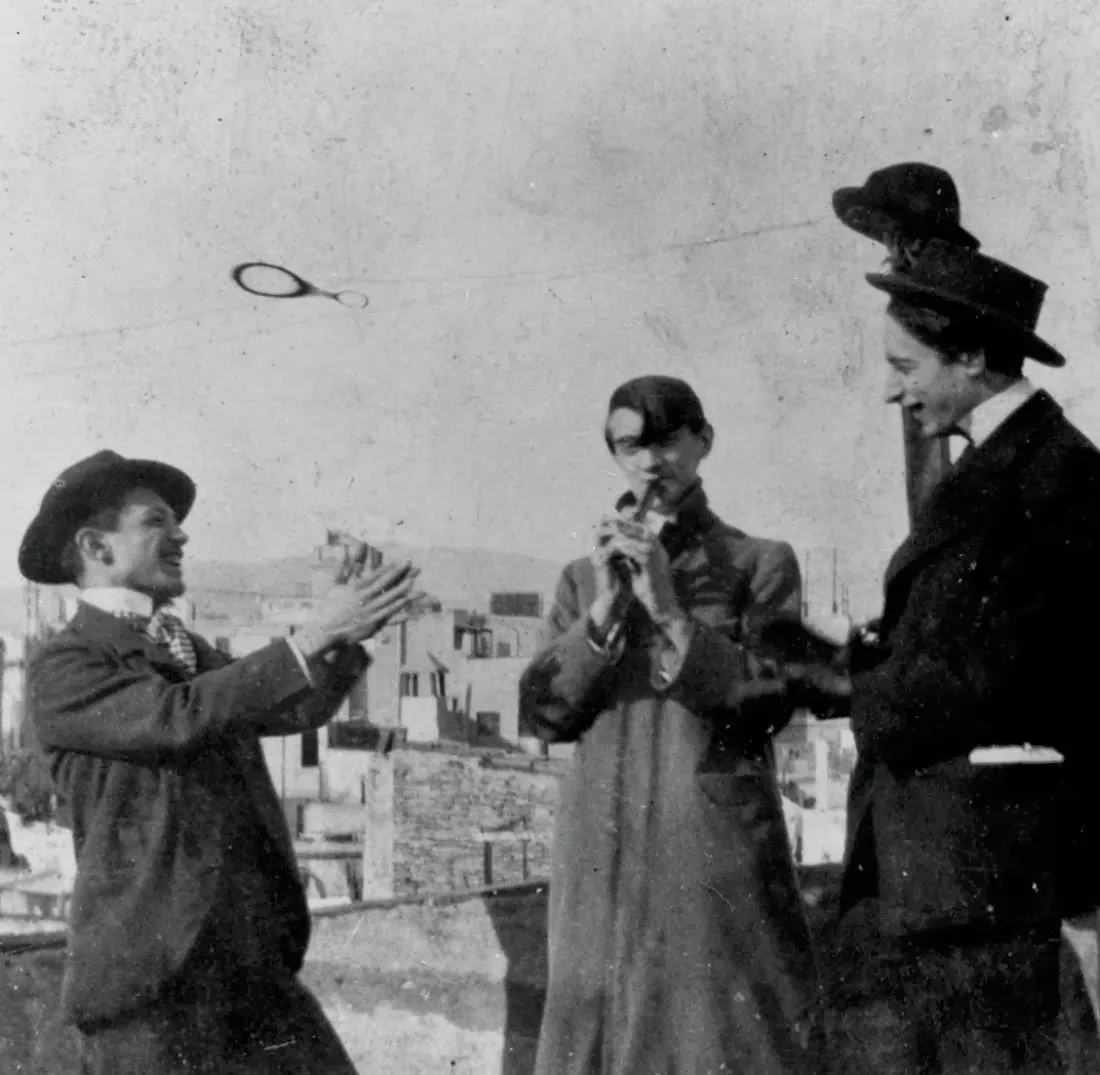
The previous year, Picasso and Casagemas had travelled to Paris together for the World Exhibition, sharing a studio in Montmartre. In January 1901, Picasso returned to Spain while Casagemas remained in Paris, where the tragic events soon unfolded.
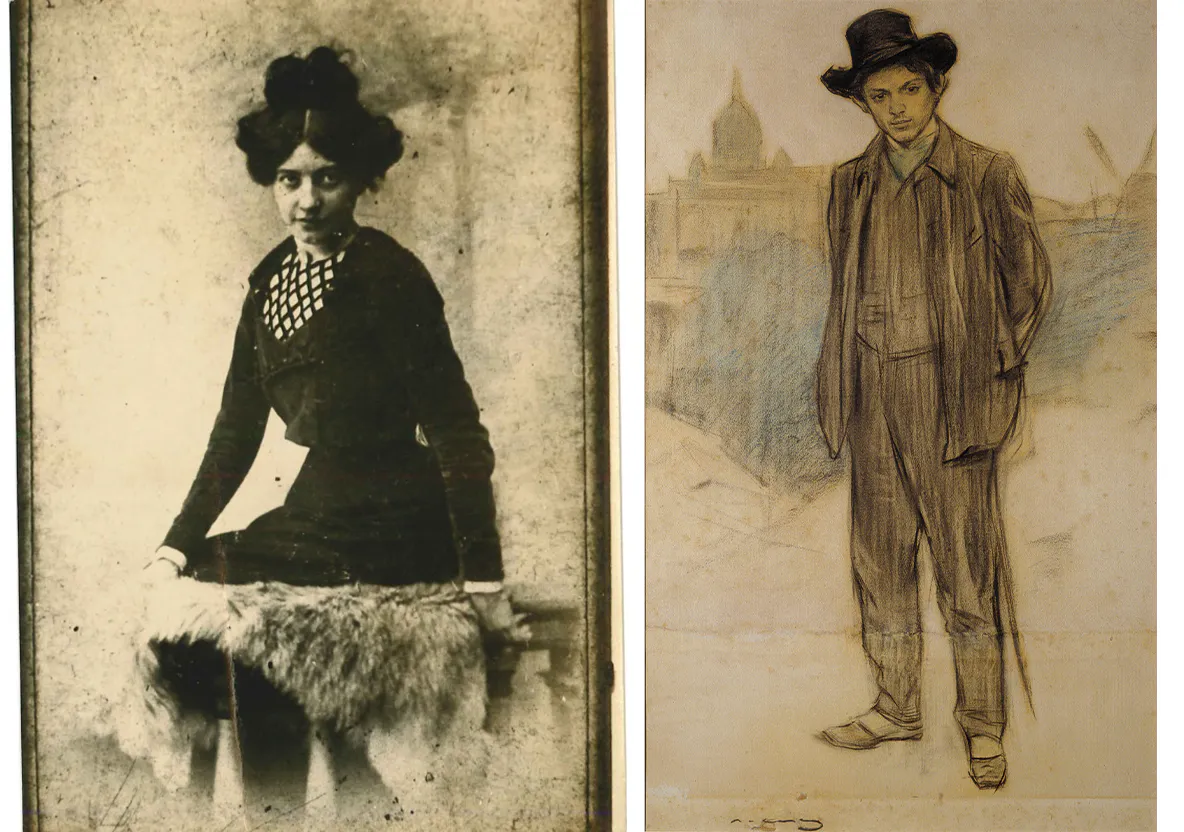
It was in the aftermath of this loss that Picasso’s artistic style began to change. Having initially painted in the tradition of the Old Masters and academic schools, his first stay in Paris and his discovery of the Impressionists had led him towards a more vibrant palette and bold, short brushstrokes. He was also greatly influenced by Toulouse-Lautrec and, like him, drew inspiration from the lively cafés and bars of Montmartre. But Casagemas’ death cast a shadow over his work. In response to his grief, Picasso turned to a darker, more monochromatic palette, giving rise to what would become known as his Blue Period—one of the most significant phases in art history.
See also: Toulouse-Lautrec: Aristocratic and Dispossessed
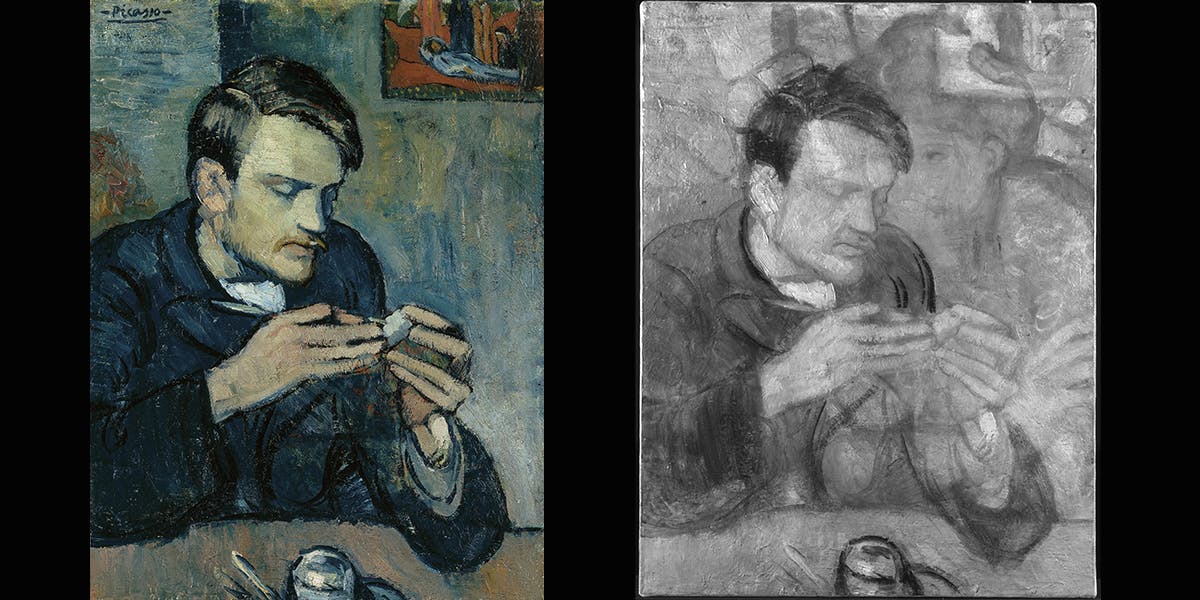
In the autumn of 1901, the Barcelona-based sculptor Mateu Fernández de Soto arrived in Paris and moved in with Picasso. That year, Picasso painted his portrait, depicting him absorbed in a woodcarving at a table. In the upper right-hand corner of the canvas, part of a painting Picasso created in memory of Casagemas’ death and funeral can be seen.
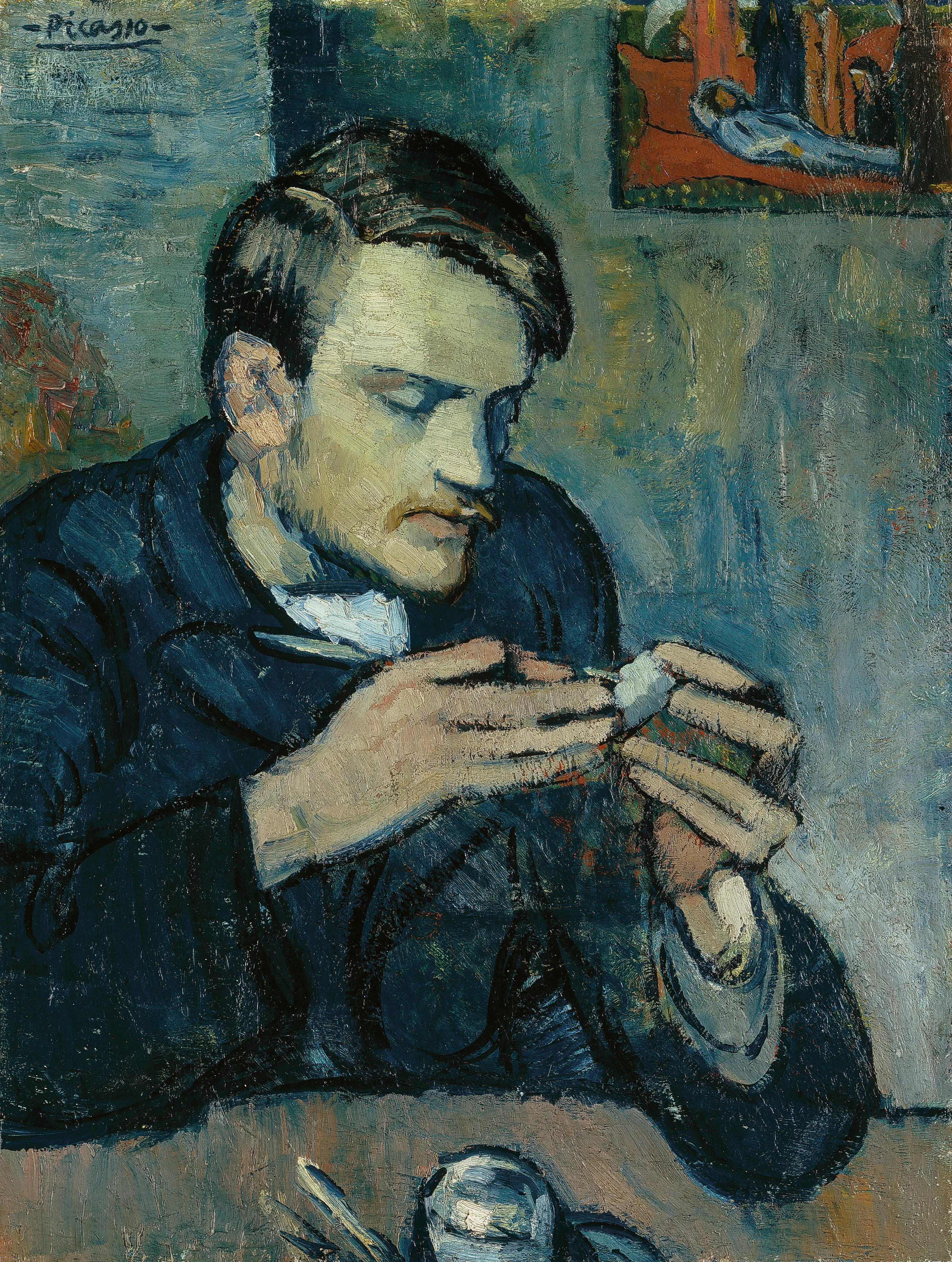
Since 1935, the portrait of Mateu Fernández de Soto has been part of the collection of Swiss art collector and patron Oskar Reinhart. From February 14, it will be on display in The Griffin Catalyst Exhibition: Goya to Impressionism. Masterpieces from the Oskar Reinhart Collection at The Courtauld Gallery in London.
In preparation for the exhibition, conservators at The Courtauld examined the portrait in detail, using X-ray and infrared technology. Their analysis revealed the presence of another painting beneath the surface—a portrait of a woman. Like many struggling young artists in Paris at the time, Picasso frequently reused canvases, painting over earlier works.
See also: A Hidden Self-portrait of Vincent van Gogh Discovered
The newly uncovered figure, with her hair elegantly pinned up, closely resembles other female subjects Picasso painted that year, including the two absinthe drinkers depicted in works held by the Kunstmuseum Basel and the Hermitage Museum in St Petersburg.
Barnaby Wright, Deputy Director of The Courtauld Gallery, commented: “We have long suspected another painting lay behind the portrait of de Soto because the surface of the work has tell-tale marks and textures of something below. Now we know that this is the figure of a woman. You can even start to make out her shape just by looking at the painting with the naked eye. Picasso’s way of working to transform one image into another and to be a stylistic shapeshifter would become a defining feature of his art, which helped to make him one of the giant figures of art history. All that begins with a painting like this.”

Want more news like this delivered straight to your inbox? Subscribe to our free newsletter!
Further analysis has revealed the faint outlines of an even older painting on the same canvas—another portrait of a woman, reminiscent of L’Esperá (Margot), a vibrant work Picasso painted in 1901, now housed in the Museu Picasso in Barcelona.
The Griffin Catalyst Exhibition: Goya to Impressionism. Masterpieces from the Oskar Reinhart Collection will be on display at The Courtauld Gallery in London from February 14 to May 26 2025.