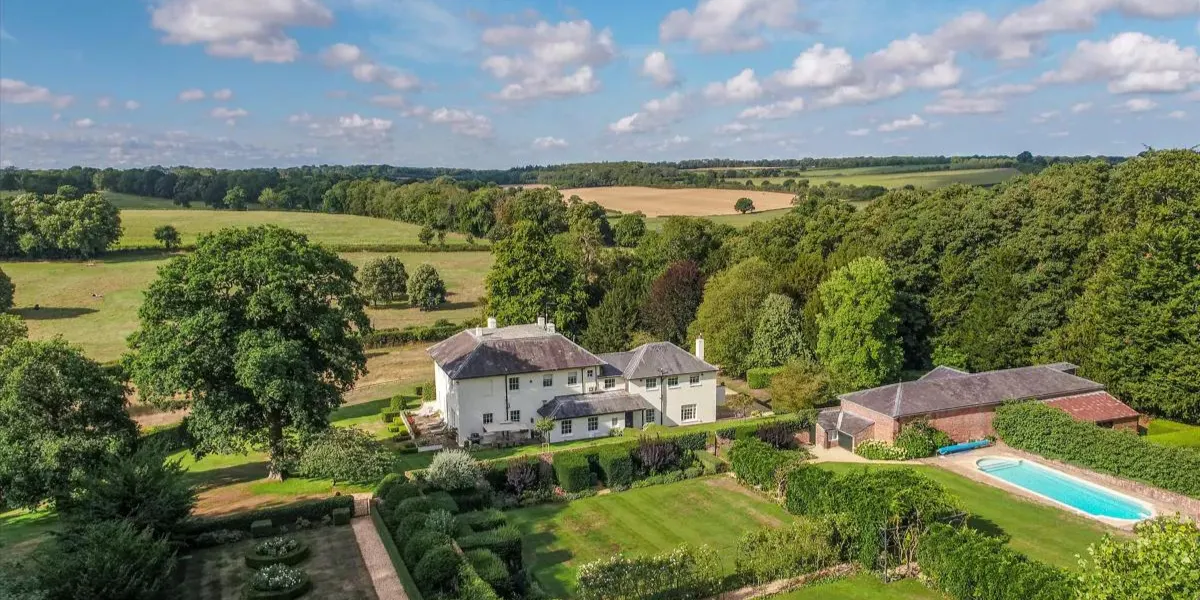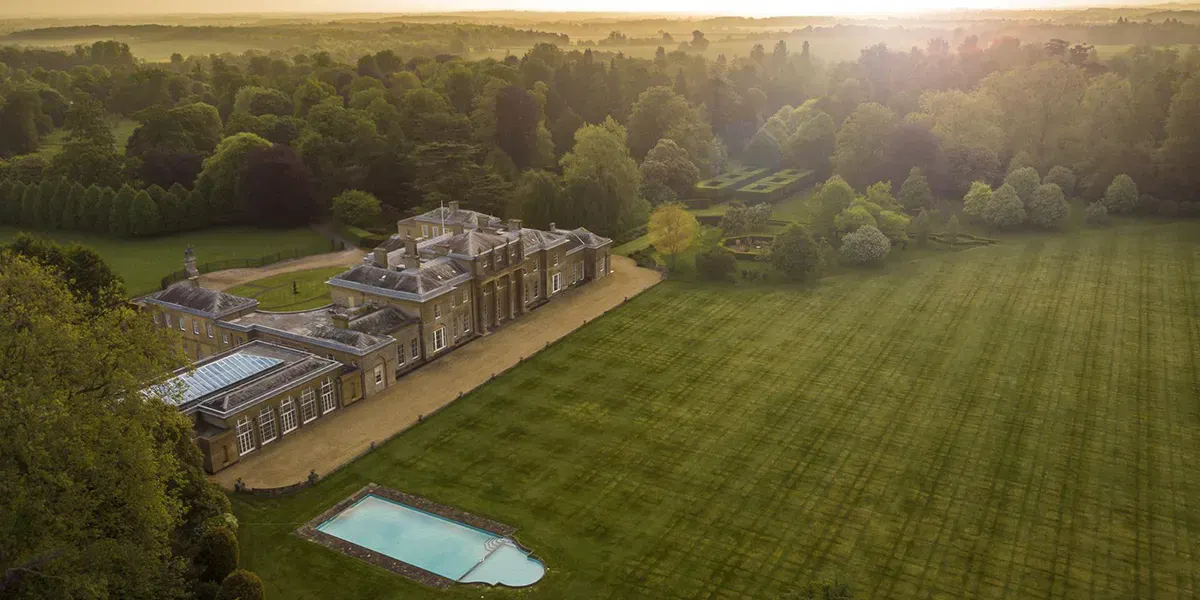
At this Neoclassical-style manor house nestled in the rolling hills of southern England surrounded by woods and meadows, it would hardly be a surprise if an elegant couple in Regency-era dress were to appear.
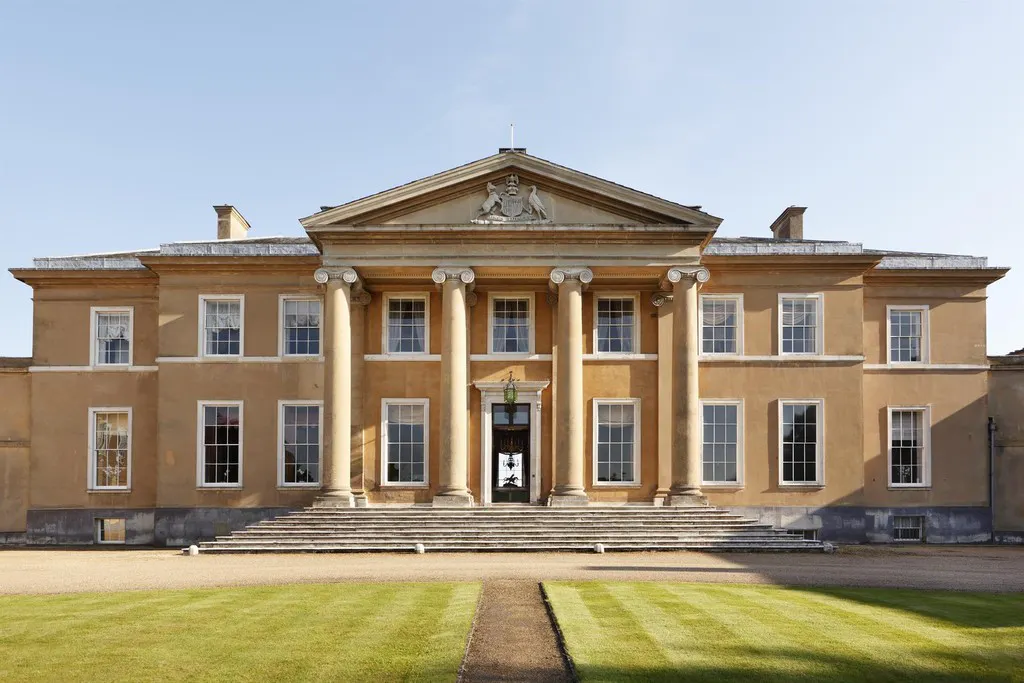
Hackwood Park in Hampshire could have jumped straight out of a novel by Jane Austen (1775-1817) and just as easily be called Delaford, Donwell Abbey or Pemberley. In fact, Jane Austen even knew the property, having grown up not far from it as she lived in Hampshire for most of her life.
Related: The Best Selling Novel of All Time
Today, Hackwood Park blends historic and modern elements that make it "ready for the 21st century," as Christie's International Real Estate reports on its website.
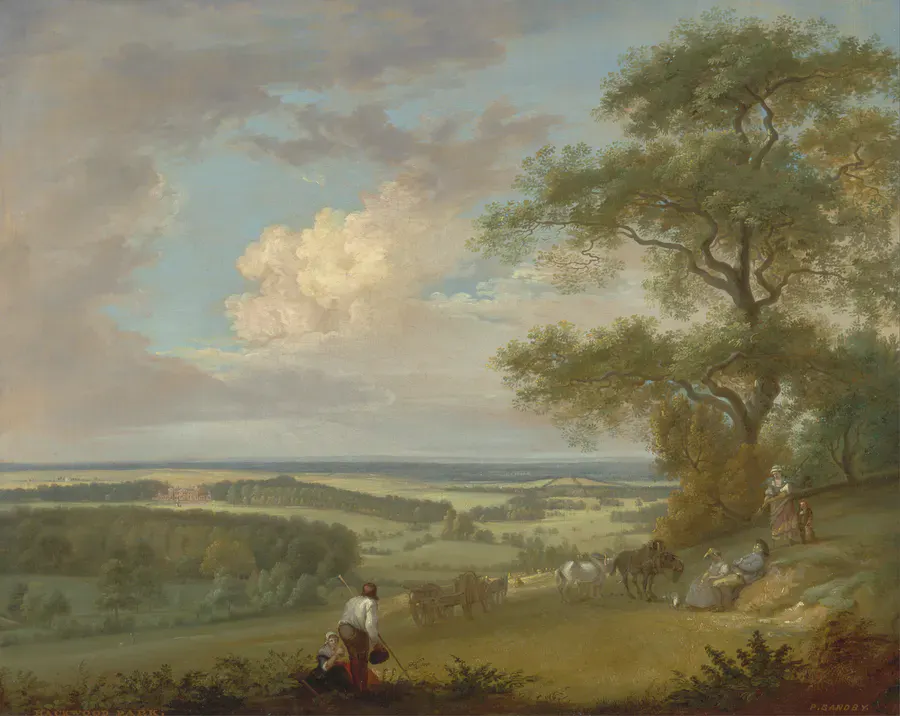
So what can the buyer expect? A Grade II* listed Neoclassical style mansion, meaning it is of particular national importance, with Grade II listed horse stables and coach house on 600 acres, set in parkland designed by Charles Bridgeman (1690-1738) with a deer park, pastures and Grade II listed woodland. And all just 50 miles from London.
Related: 7 Paintings of London You Should Know
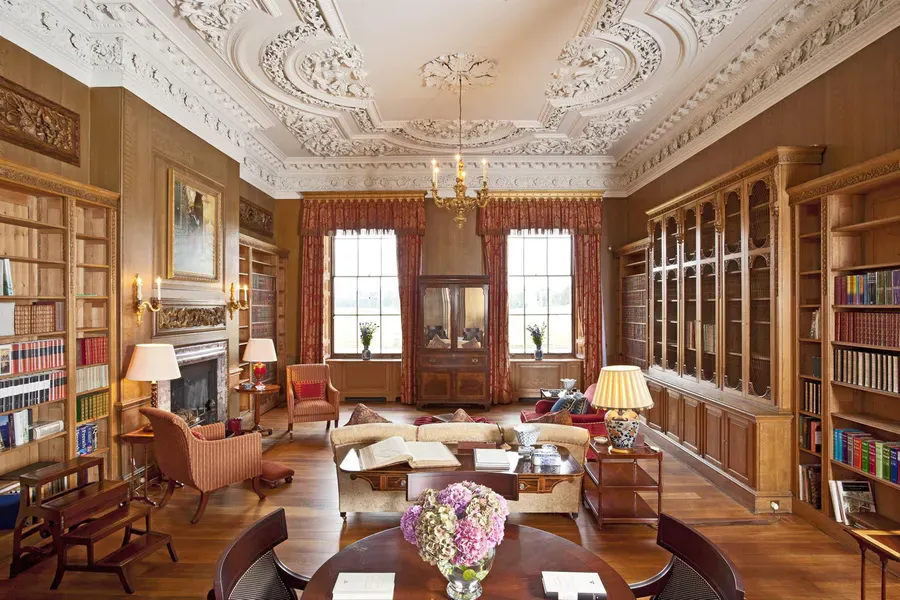
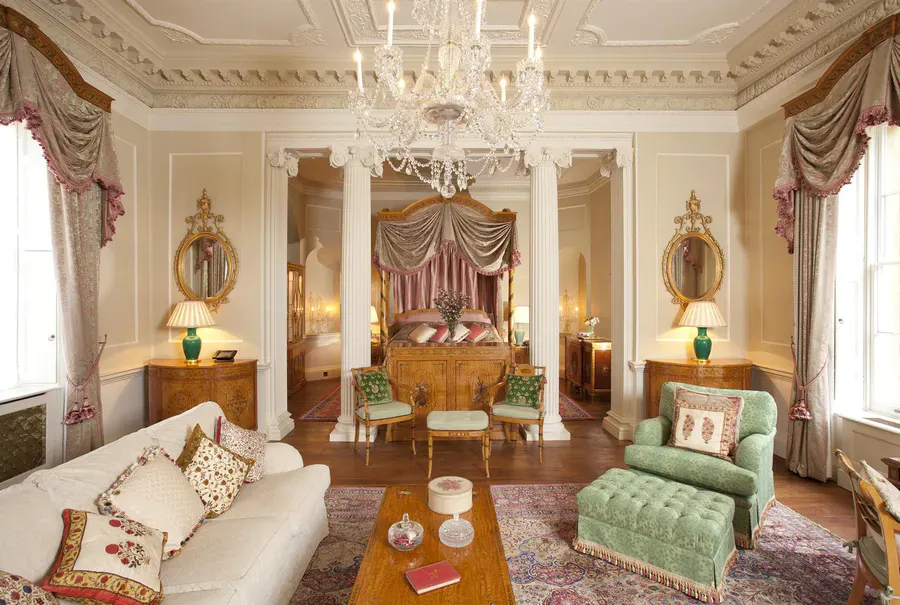
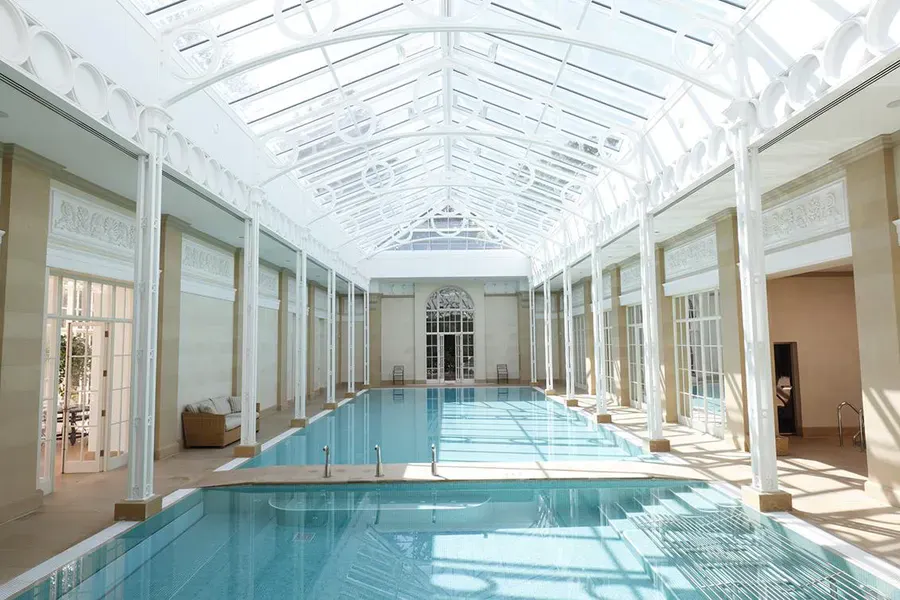
The manor house features 24 bedrooms and 20 bathrooms, an outdoor and indoor pool, spa and gym, staff quarters, a library, and a tennis court.
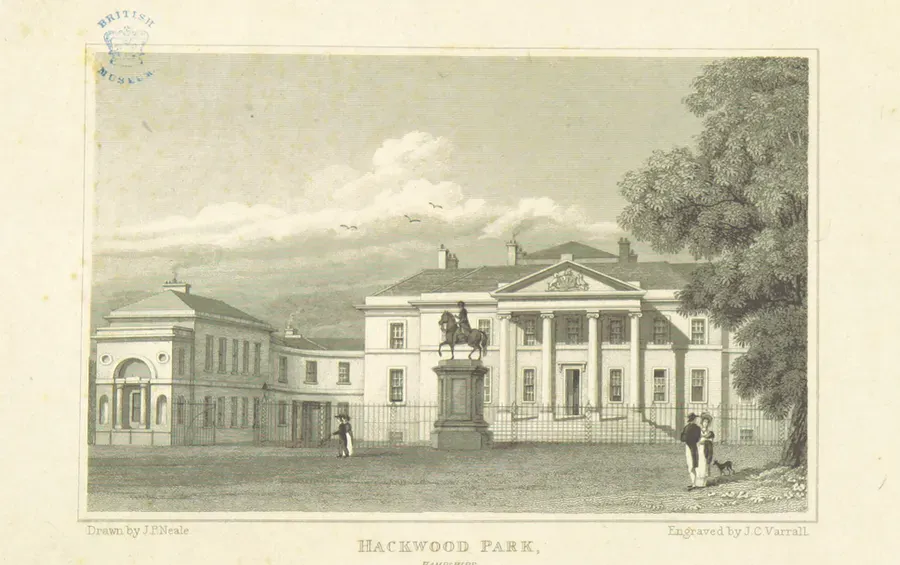
Hackwood Park's history dates back to the 13th century when it was a deer park. Three centuries later, the land was bought by William Paulet, 1st Marquess of Winchester (1483/85-1572), whose descendant, the 1st Duke of Bolton (1630-1699), had a manor house built in the 1680s, which still stands today. The building was given its current Neoclassical look in the late 18th century by the architect Lewis Wyatt (1777-1853), who also designed the Lyme Park estate, which served as the setting for Mr. Darcy's Pemberley in the BBC film adaptation of Pride and Prejudice.
The Paulet family left Hackwood Park in the mid-19th century and rented it out instead. Temporary residents included Lord Curzon, who had been Viceroy of India from 1899 to 1905, and Elisabeth, Queen of the Belgians (a niece of the Austrian Empress of the same name), who lived there with her children during her World War I exile.
Related: How to Furnish Your Modern Home with Antiques
In 1936, Hackwood Park was sold to the newspaper publisher William Berry, 1st Viscount Camrose (1879-1954), who extensively renovated the interior and received guests from high society there. During World War II, the house served as a convalescent home for Canadian soldiers.
The second Viscount Camrose, John Seymour Berry (1909-1995), inherited Hackwood Park in 1954. He made a name for himself mainly through his marriage at 76 years old to Joan Yarde-Buller (1908-1997), preceded by a discreet friendship of 30 years. It was the third marriage for the glamorous Joan Yarde-Buller, who was married from 1927 to 1936 to Loel Guinness from the well-known brewing family and from 1936 to 1949 to Prince Aly Khan. Both marriages ended in divorce. While Prince Aly Khan became involved with actress Rita Hayworth, Joan returned to her native England where she eventually became mistress of Hackwood Park, where she lived until her death in 1997.
Hackwood Park (price available upon request, but said to be in the realm of $78 million) offers history, glamor and modern comforts, but as a heritage site it also demands responsibility. Or to paraphrase Jane Austen, Hackwood Park requires sense and sensibility.