

Growing up in south-central Los Angeles had a grave impact on artist Kehinde Wiley (b. 1977). It was here that Wiley experienced poverty first hand when his father returned to Nigeria and left behind his wife and six children, including Wiley and his twin brother. Wiley remembers how he would spend many afternoons with his siblings and mother searching for discarded items that they could sell from the small thrift stand in front of their home in order to survive. It was his mother’s goal to keep her children away from the gangs and crime which meant that after school the children were in ‘lockdown’. When she discovered Wiley’s artistic talent, she sent him to art school on the weekends: the first stepping stone in Wiley’s passion for the arts.
I want to paint people that look like me.
At the age of twelve, Wiley was chosen to partake in a group visit to the USSR, where he and fifty other children learned about Russian art. When he graduated high school, Wiley went on to complete a BFA at the San Francisco Art Institute in 1999, and then earned a scholarship at Yale University School of Art where he completed his MFA in 2001.
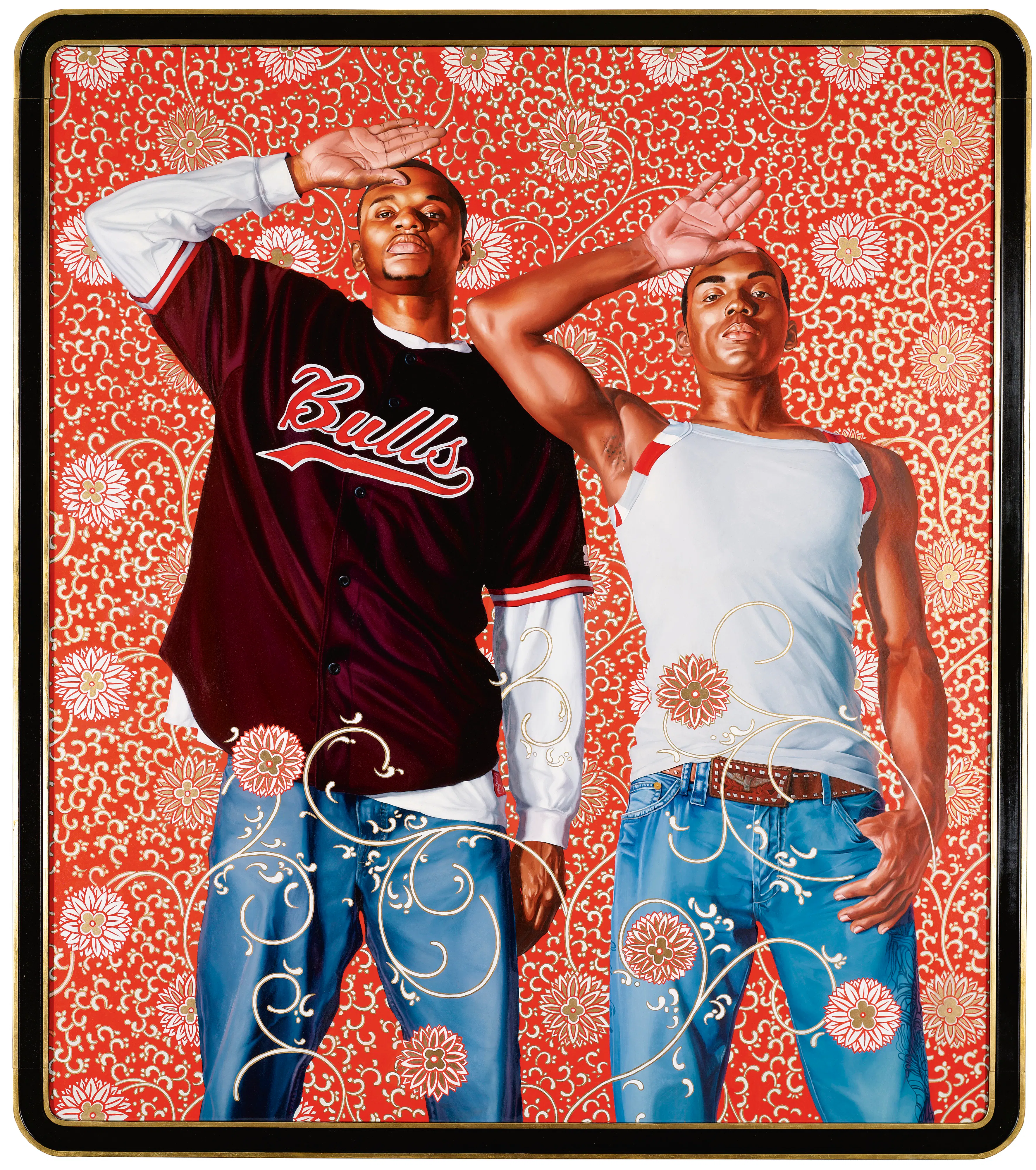
While growing up and studying the arts, Wiley quickly realized that it was most important to paint what inspired him and not what his teachers expected him to paint. This, and also being a gay man of color, influenced his works greatly. He once said: "I know how young Black men are seen. They're boys, scared little boys oftentimes. I was one of them. I was completely afraid of the Los Angeles Police Department."
See also: Josef Albers: Thinking Outside the Box
After completing his studies, Wiley went on to do a residency at the Studio Museum, Harlem where he earned around $500 a month and slept outside on the museum’s grounds. It was around this time that he began to focus on painting portraits.
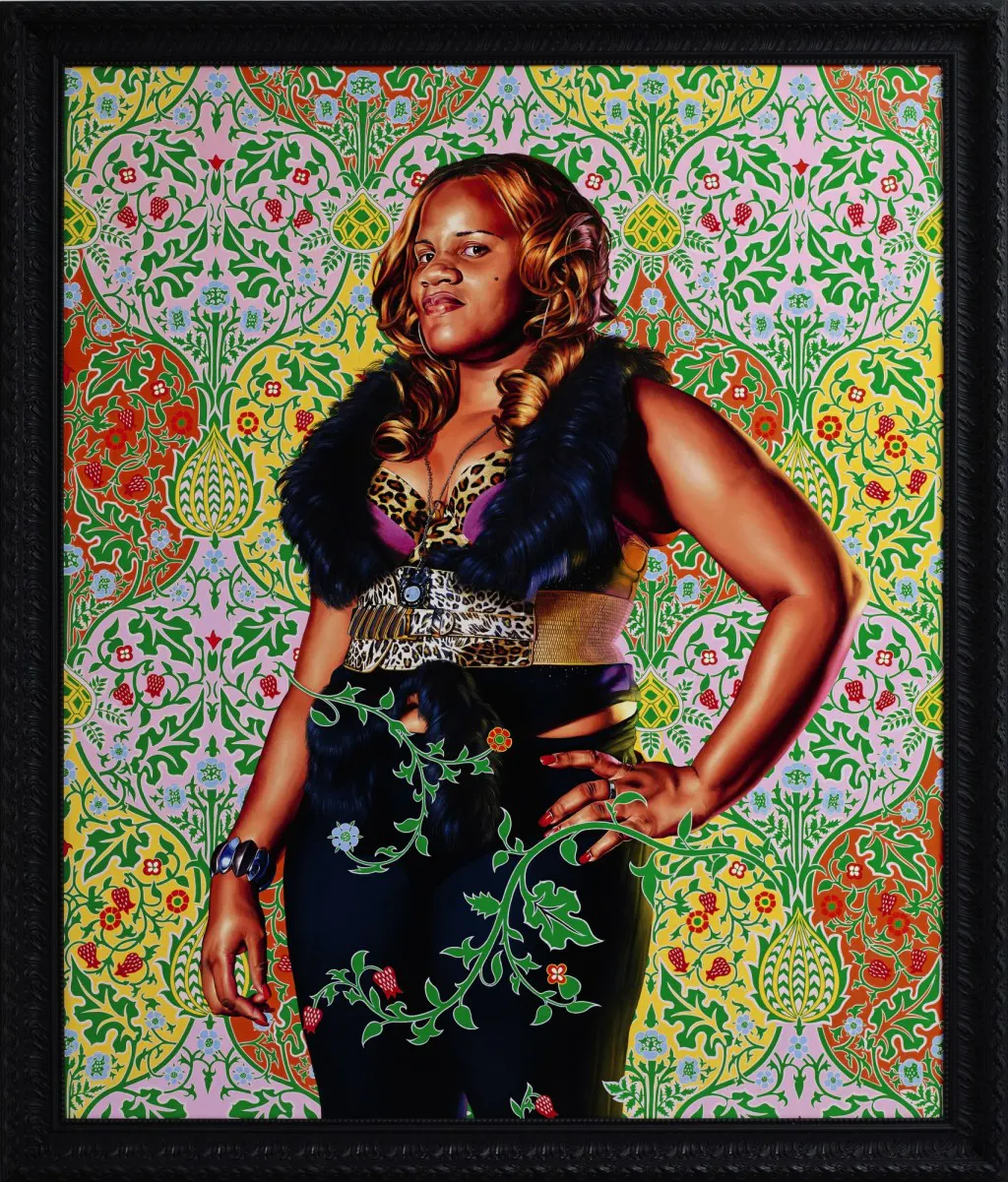
The artist found his inspiration in the works of the old masters, such as Joshua Reynolds, Thomas Gainsborough and Titian. By using the traditional pompous and glorified representation of nobility alongside the more modern, urban look of his models, he blurs the lines of the old and new. Each of his paintings has a way of standing out through its colorful backgrounds of flowers and other repeating, graphic shapes that have been greatly influenced by old fabrics and patterns. With the help of artists that he employs in his studio, the backgrounds are carefully drawn before he concludes the work by painting the model in poses commonly used by the old masters.
See also: A New Renaissance for Old Masters
For Wiley, using a real model to create his works is crucial. He finds his models on the street by way of ‘street casting’. As he stated in an interview: “I want to paint people that look like me." Although his earlier works portray only men, he has recently evolved towards painting women in powerful and heroic positions.
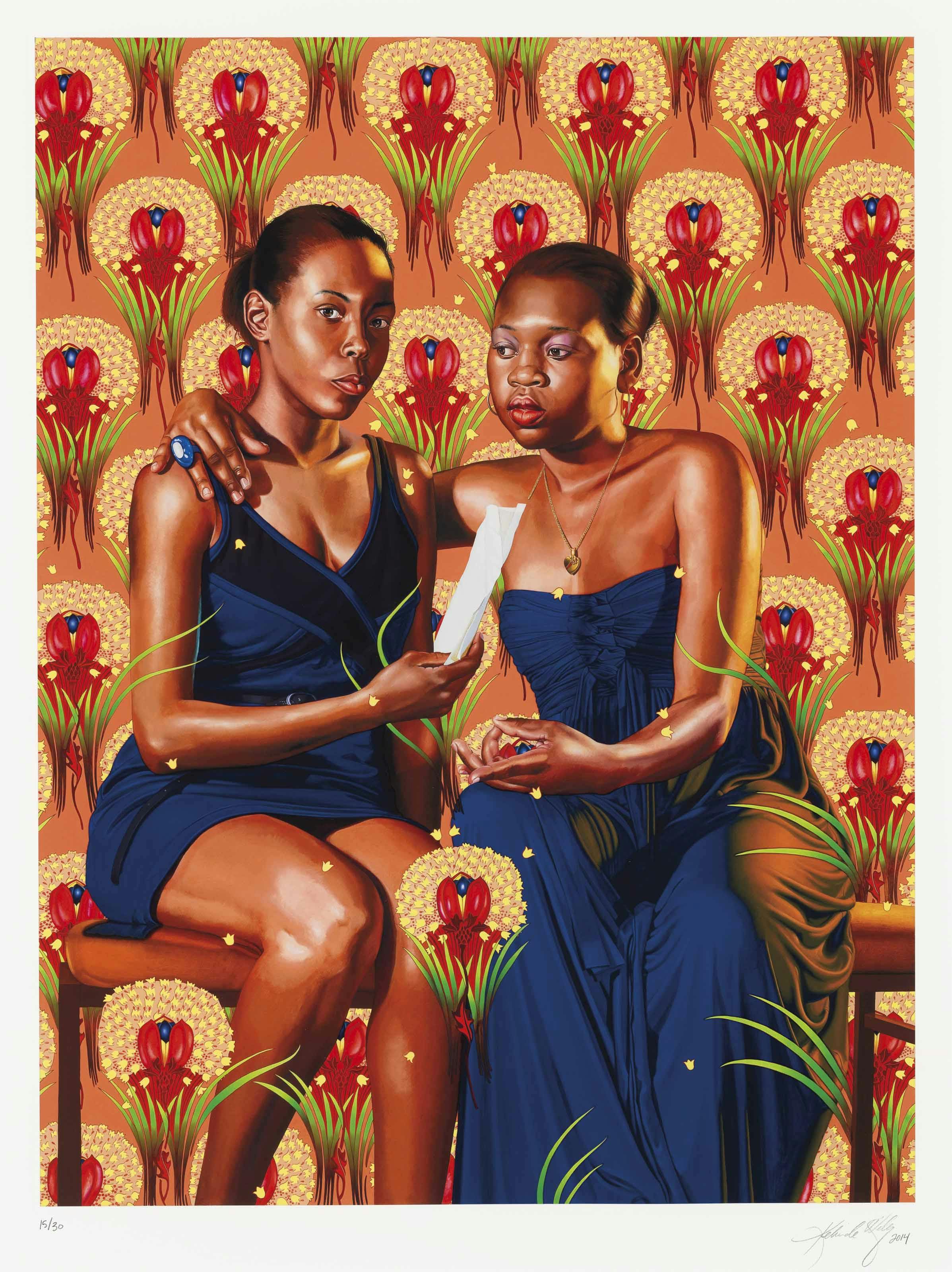
His first series to depict women was Judith and Holofernes (2012), which makes a direct reference to the historic paintings of the same name and subject, most specifically the post-beheading stance of Giovanni Baglione’s (Judith is from the Apocryphal books of the Bible). In Wiley’s version, the artist transports the religious image of a courageous and powerful woman into a contemporary version that resonates with fury and anger.
See also: Lois Mailou Jones: Inimitable Fusion of Cultures
More recently, Wiley has had paintings exhibited in prominent institutions, such as the Smithsonian Institute, the Elmhurst Art Museum and the National Portrait Gallery, but it was in 2017 that he became famous ‘overnight’ when he was commissioned to portray the 44th President of the United States: Barack Obama. He is the first Black artist to paint the President’s official portrait for the National Portrait Gallery. His unusual take on the traditional way of portraying the most powerful leader of the world led to immensely positive reviews and worldwide interest in his style.
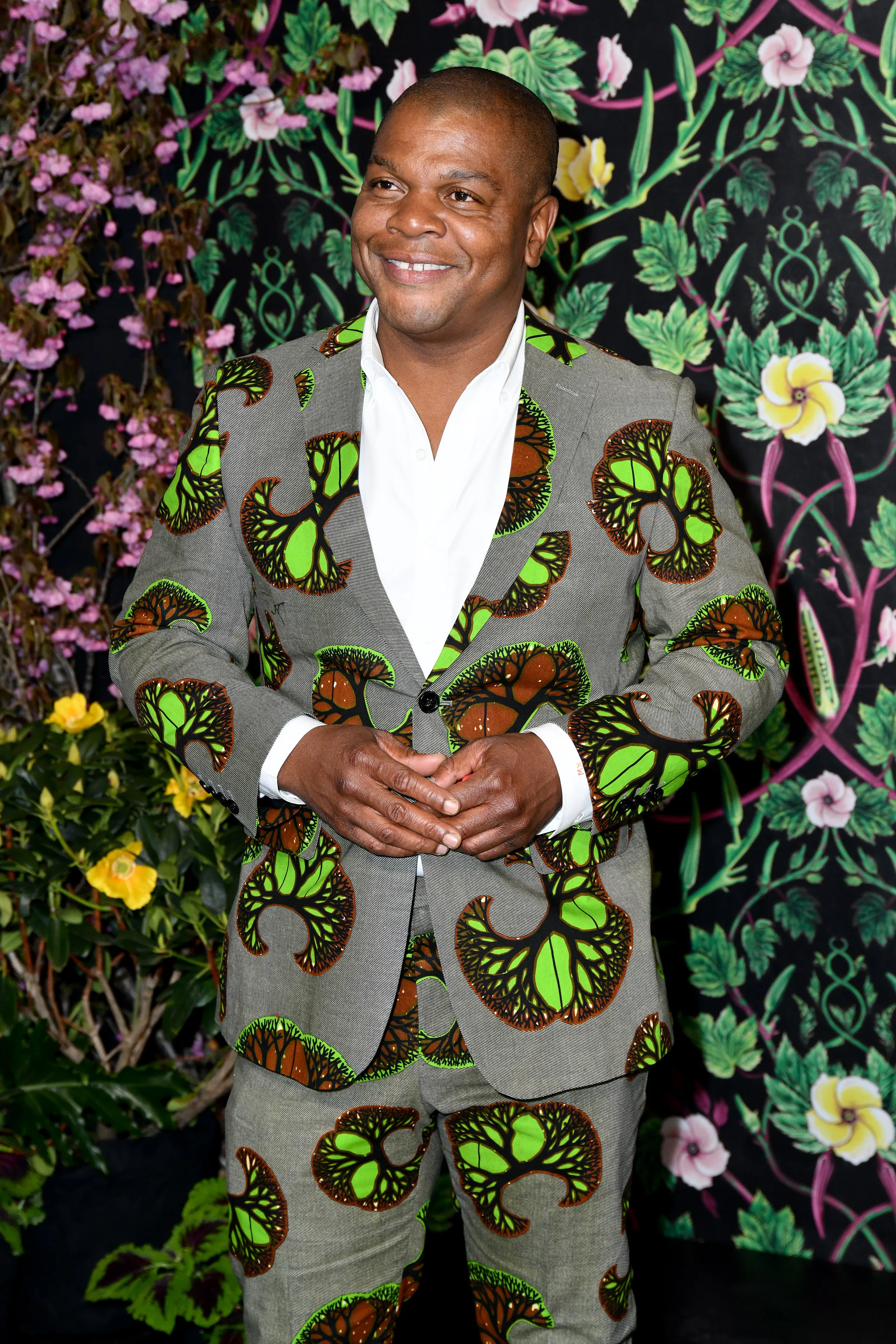
Since the unveiling of this portrait, the artist has become a popular candidate in the auction world. In 2018, his painting of a teenager, Charles I, sold for $300,000 at Sotheby’s – over 200% above its pre-sale estimate.
Recently, he has created a multi-disciplinary residency program called Black Rock Senegal. The program is for multimedia artists from around the world and encourages an exchange of different cultures and experiences. Since 2000 he has been giving lectures in museums and universities, such as Tate Modern and the New York Academy of Art, New York. He has also collaborated with brands such as Puma and Givenchy, creating artworks that include these fashion labels.
See also: The First Works of 10 Famous Artists
Wiley has been awarded a US Department State Medal of Art for his outstanding works that have brought awareness to the lack of diversity in the art world, especially in museums. In addition to this, he has been given the New York City Art Teachers Association/United Federation of Teachers Artist of the Year Award and the American Federation for Arts Cultural Leadership Award in recognition of his fight for equality through the arts.
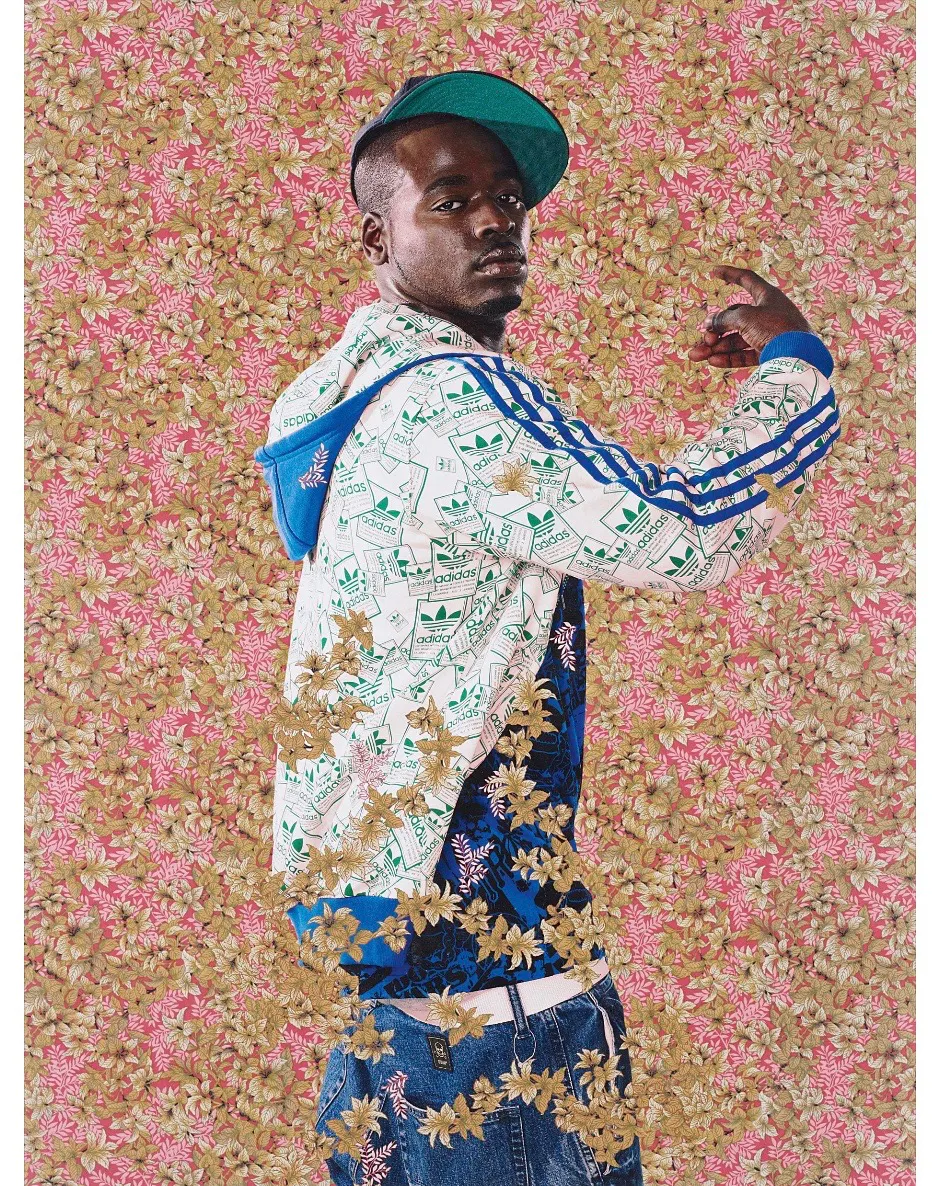
By combining the classical way of painting with ornamental, colorful backgrounds and people of color in modern clothes, he opens the doors of the art world to new interpretations. Wiley gives the typically un- or under-represented men and women a voice and brings their image face to face with the spectator of the painting. He has revolutionized the ‘traditional’ way of painting by presenting a minority group that fights for their recognition.
Explore more of your favorite artists on Barnebys Magazine
Article by Sophie Bubmann