
Born July 16, 1796, rue du Bac, in Paris, Jean-Baptiste Camille Corot had stylish origins. His father, a native of Burgundy, was a wig-maker and with his hat-maker wife ran a very popular hat store in the capital. Besides Jean-Baptiste, two sisters completed this family of wealthy traders who lived above this store.
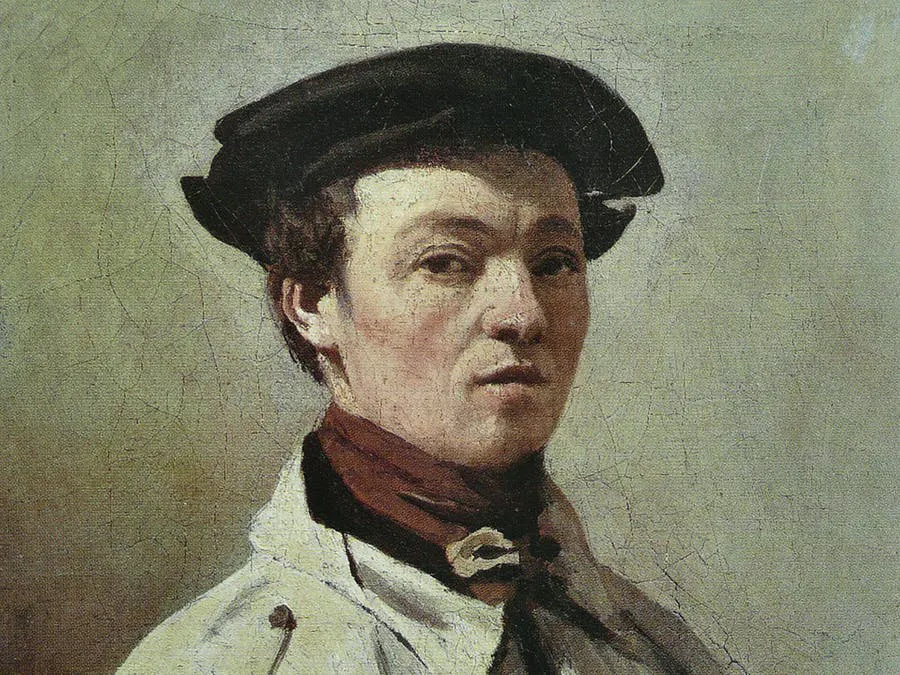
After his high school years, between Paris and Rouen, the son, not particularly focused on studies, was apprenticed to Parisian cloth merchants, but turned out to be a very poor salesman. In the evening, he was introduced to drawing at the Académie de Charles Suisse, quai des Orfèvres, an activity which corresponded more to his aspirations and which led him to refuse the business that his father offered him at the beginning of the 1820s.
Related: Impressionism: Between Shadow and Light
Jean-Baptiste wanted to pursue an artistic career, and he was supported by his parents with an annuity of 1500 pounds per year. He rented, in 1822, a studio on the Quai Voltaire, which would become his workshop, while he deepened his apprenticeship in drawing and painting with Achille-Etna Michallon, who won the grand Prix de Rome for historic landscape in 1817, then, after his early death, with Jean-Victor Bertin.
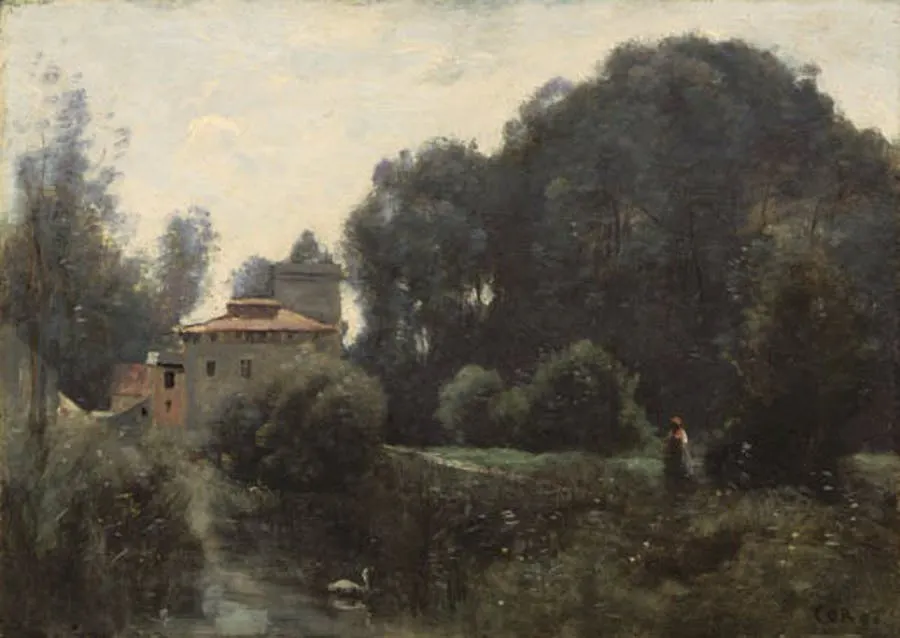
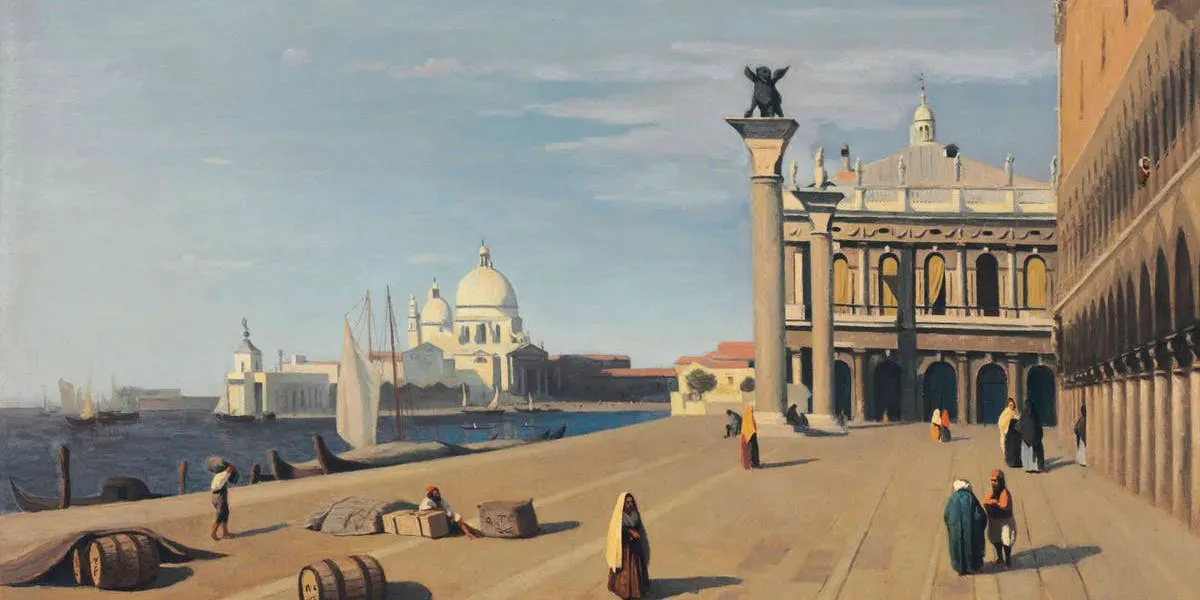
Inspired, just like Michallon, by Pierre-Henri de Valenciennes, whose influence in Corot's work is obvious, Bertin urged his student to work in the open air, especially in the forest of Fontainebleau, which would later lead to the foundation of the Barbizon School, which captured landscapes of provincial life. Between 1825 and 1828, Jean-Baptiste Corot perfected his study of classical culture in Italy, through stays in Rome, Naples and Venice.
He crisscrossed France in search of landscapes, from Normandy to Provence, via Brittany, Morvan and Auvergne. He carried out many studies on the spot of landscapes and architecture, which he then transposed into paintings in his workshop, but was slow to exhibit.
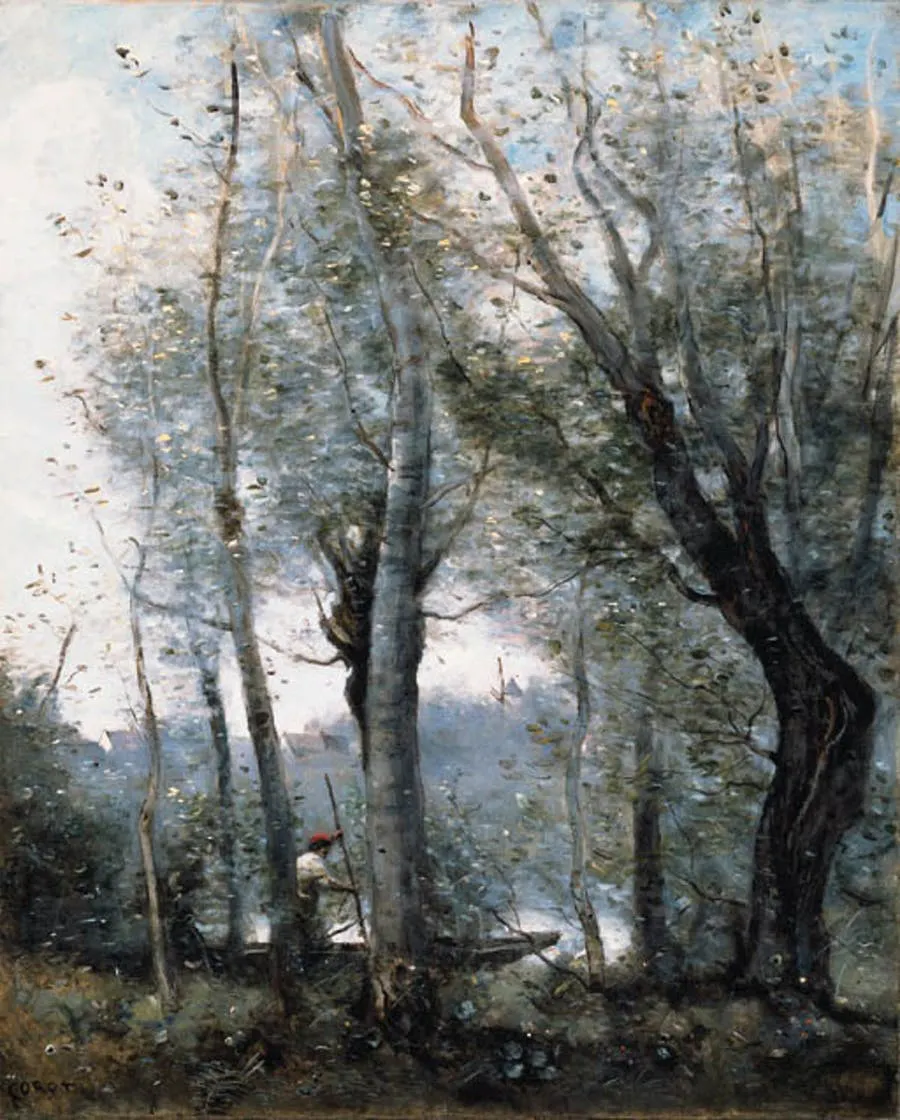
The first two paintings he presented in 1827 at the Salon of Painting and Sculpture went almost unnoticed, and it was not until 1935, notably with Hagar in the Desert, a composition illustrating an episode from Genesis, that he was noticed by the public and the critics.
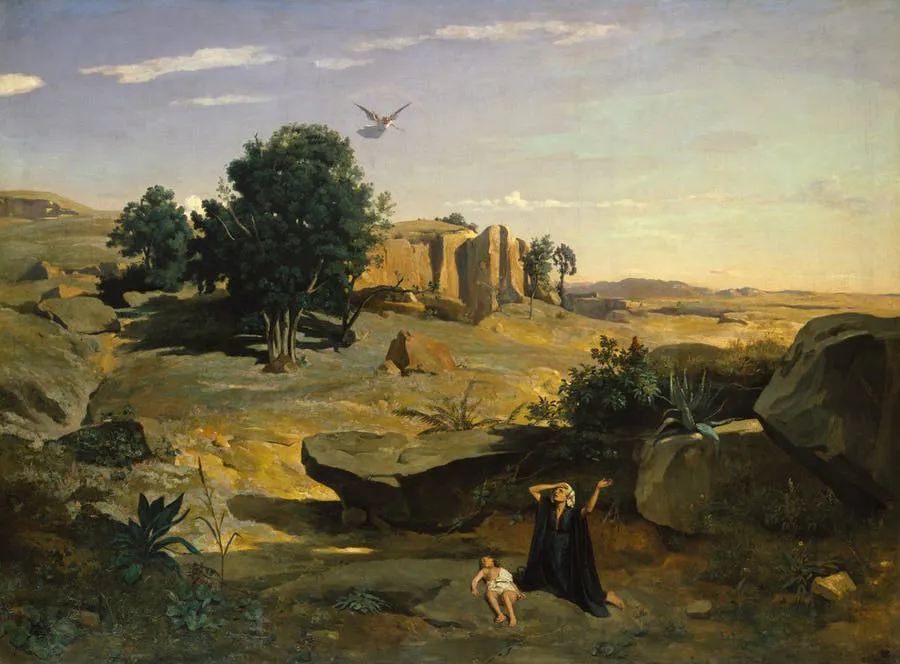
The following years, he exhibited regularly at the Salon, where his paintings got mixed reviews, the moderns reproaching him for his classicism, the classics thinking his "realistic" treatment of religious or mythological themes weren't accurate. But Corot commanded the admiration of his contemporaries; Baudelaire praised him and, in 1848, he even became a member of the Salon jury, two years after being knighted in the Legion of Honor.
Related: Berthe Morisot Emerges from the Shadows
In 1855, he showed six works at the Universal Exhibition in Paris, one of which was acquired by Napoleon III, leading to high prices for his works. His style evolved significantly, freed from academic constraints and the concern for realism dear to the school of Barbizon where he nevertheless made his mark.
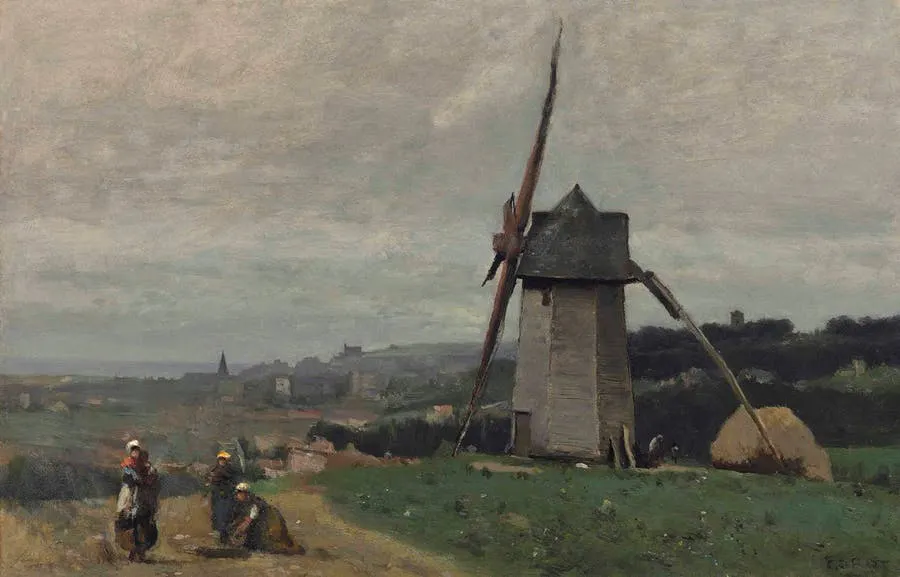
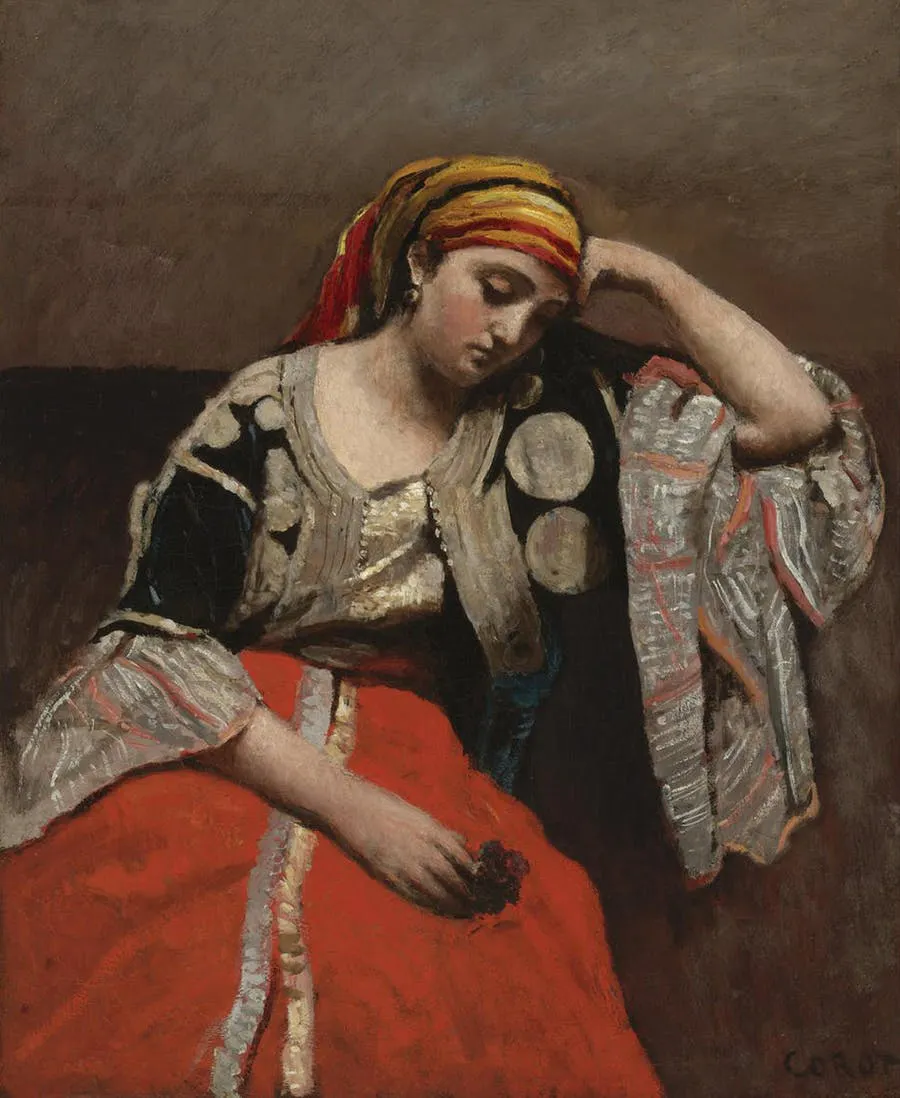
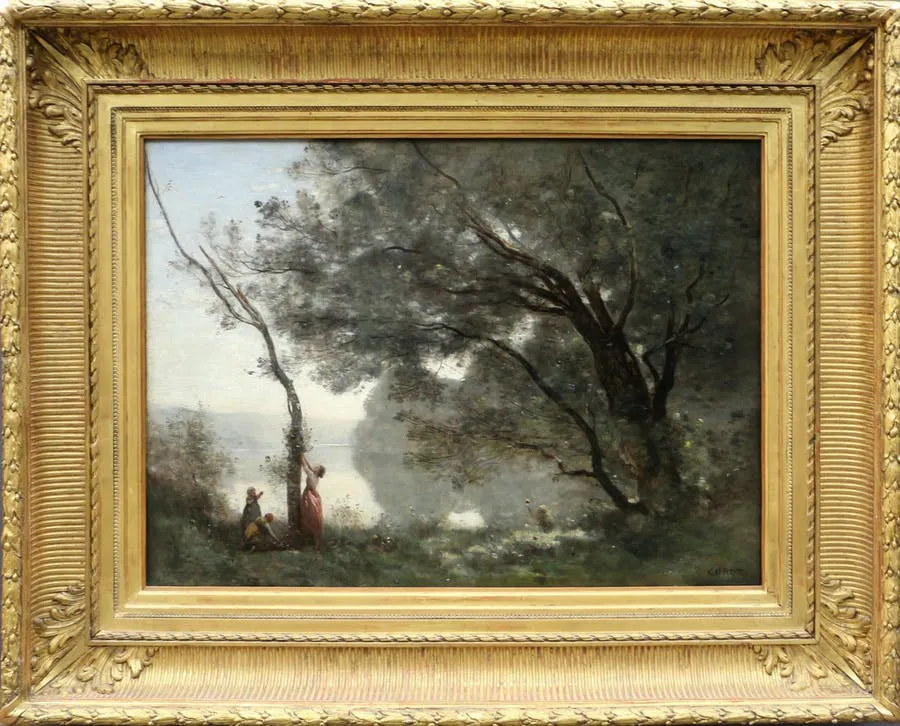
Jean-Baptiste Corot then used his memories and dreams to create imaginary landscapes, characteristic to his Impressionist approach. Souvenir de Mortefontaine, an oil produced in 1864 and considered his masterpiece, resulted from this sublimation of memory. During this period, he also made many portraits.
The commercial success that the bourgeoisie assured him in this second half of the 19th century encouraged counterfeiters to imitate his style, to the point that it is estimated that today there are three or four times more fake Corots in circulation than there are authentic paintings signed by the painter (and he painted more than 3,000 artworks).
Related: The 5 Most Notorious Art Forgers
Having become very rich, Jean-Baptiste Corot distinguished himself during the last years of his life by his charitable works for the benefit of the poor of Paris, but also for artist friends and their families. In 1872, he bought a house in Valmondois, in Val-d'Oise, for Honoré Daumier, who was blind and destitute. Three years later, he granted a large sum of money to the widow of Jean-François Millet for the education of his children.
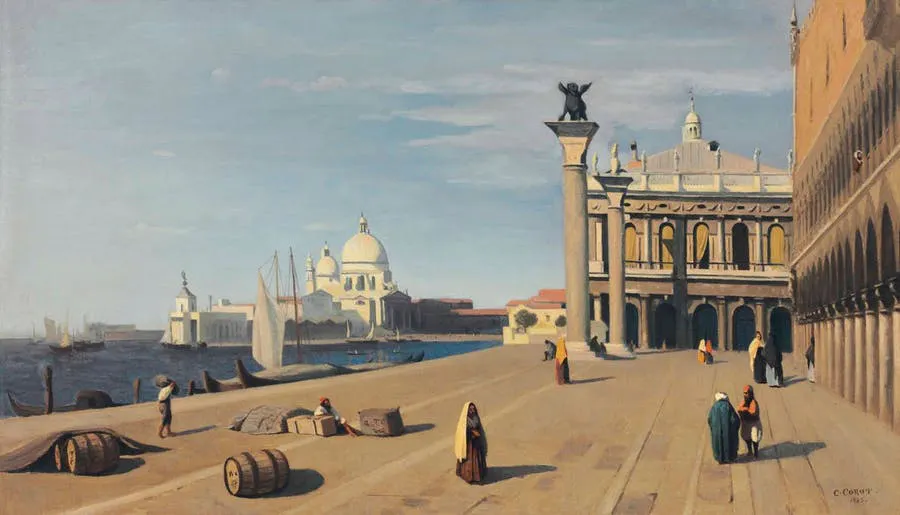
Suffering from stomach cancer, Corot died on February 22, 1875 in Paris. He is buried in the Père-Lachaise cemetery. Through his dreamlike neoclassicism, he contributed to shifting academic lines and announced the avant-garde movements that would mark the end of the century. At the end of the 20th century, his work benefited from a first speculative wav. His auction success has continued in the last 20 years with a Venetian landscape sold at Christie's for $9 million in 2018, marking his artist record.