
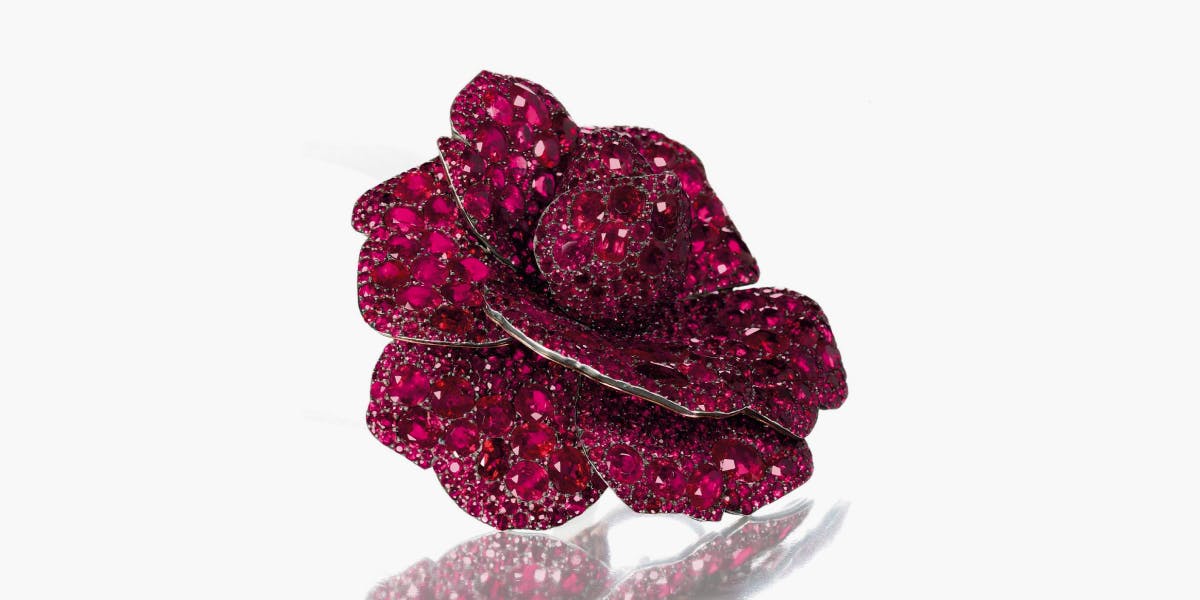
In the heart of Paris, at 7 Place Vendôme, there is no sign, no glittering window display—only three discreet letters: JAR. This near-invisible presence conceals one of the most exclusive and revered jewelry brands in the world, helmed by the enigmatic Joel Arthur Rosenthal. Known for his unparalleled craftsmanship, innovative techniques, and a refusal to conform to traditional commercial practices, JAR has captivated collectors, tastemakers, and connoisseurs for decades. Owning a piece by JAR is not just a purchase—it is a privilege.
Born in 1943 in the Bronx, Rosenthal’s path to becoming one of the most sought-after jewelers was anything but conventional. A Harvard graduate with a background in art history and philosophy, he moved to Paris, where he initially worked as a screenwriter and later opened a small textile shop, experimenting with unusually coloured yarn. His clientele included designers from Hermès and Valentino. It was during this time that a client commissioned him to design a mount for a gemstone—an experience that would change the course of his career.
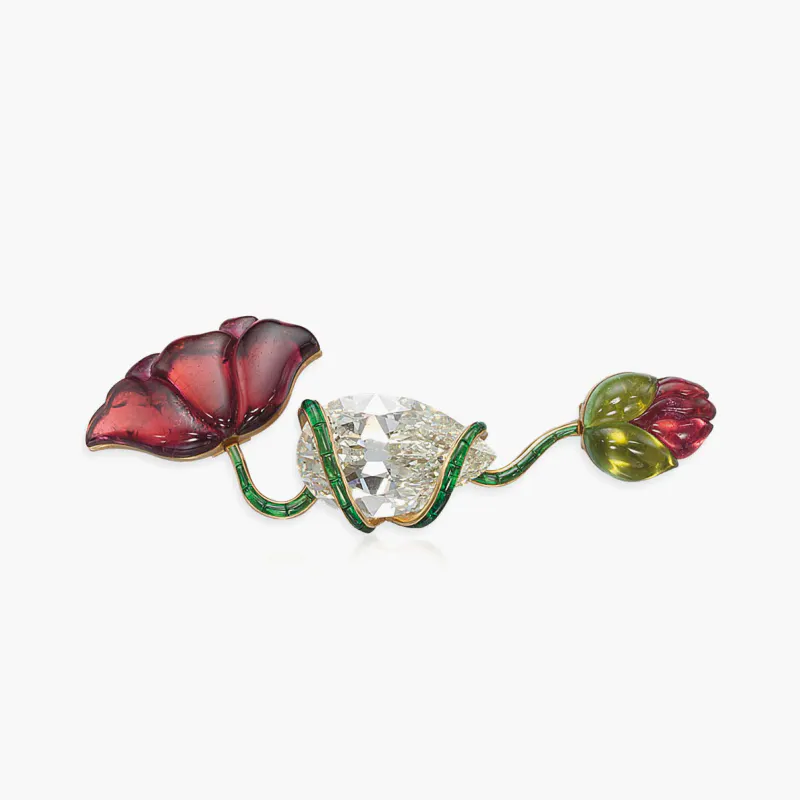
Rosenthal briefly worked at Bulgari in New York, gaining valuable experience before returning to Paris in 1977 to establish his own jewelry atelier with his life and business partner, Pierre Jeannet. From the beginning, JAR was different—there was no advertising, no mass production, and no easy access. His shop at Place Vendôme has no display window, no regular hours, and only opens its doors to a select few, including Elizabeth Taylor, Elle Macpherson, Barbara Walters, and Ann Getty. To even be considered as a client, one must be introduced by an existing patron. Rosenthal personally approves each buyer and has been known to refuse sales if he feels a piece does not suit the wearer.
See also: Harry Winston: Jeweler to the Stars
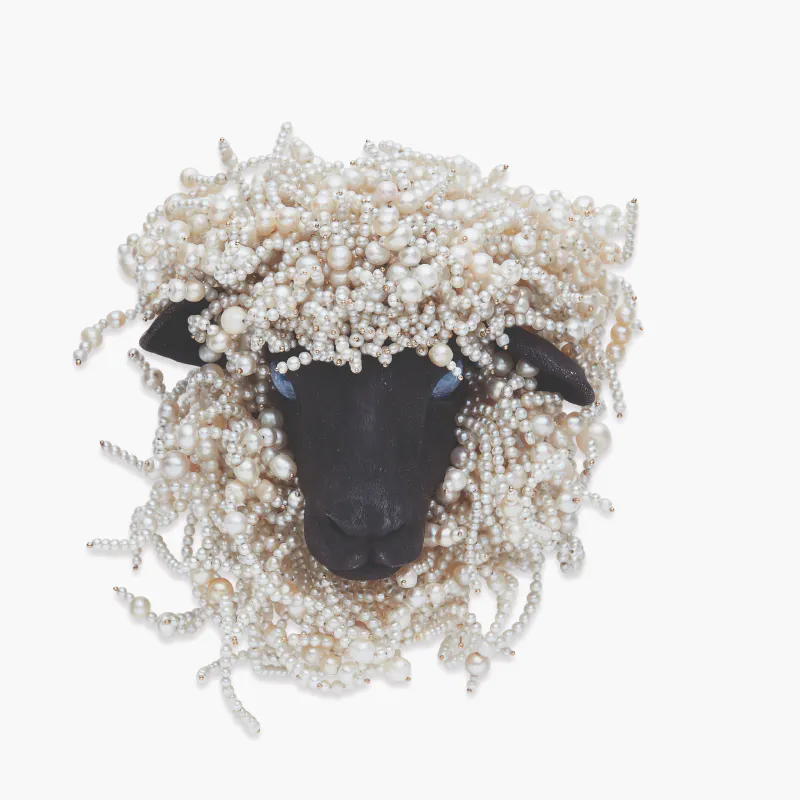
What sets JAR’s creations apart is his masterful use of pavé setting and his approach to materials. His designs combine precious gemstones with unconventional elements like aluminium, titanium, and darkened metals, creating pieces that are both technically complex and artistically breathtaking. His introduction of oxidised titanium to high jewelry redefined design possibilities, making large, intricate pieces lightweight. One of his signature techniques is the graduation of coloured gemstones, which subtly transition from one hue to another or from subtle to vivid tones. He has always sought to minimise visible metal in his designs, allowing the brilliance of the stones to take centre stage.
Want more articles like this straight to your inbox? Subscribe to our free newsletter!
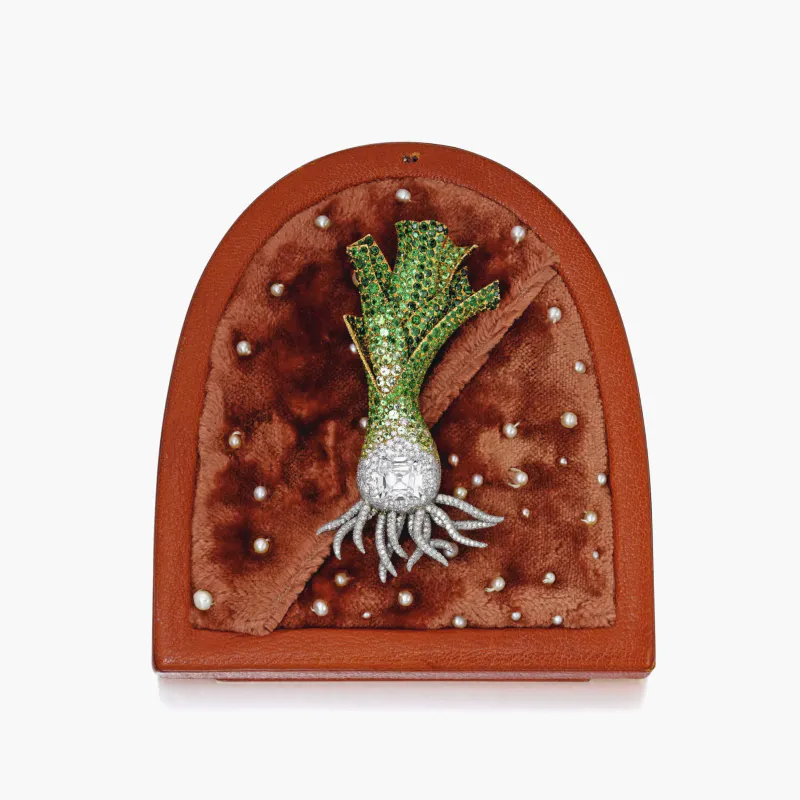
JAR’s exclusivity and mystique only fuel the demand for his pieces. He produces just 70 to 80 pieces a year, crafted by expert artisans in Switzerland and France, each one unique and often custom-made for a particular buyer. His jewelry commands extraordinary prices at auction. The 'Leek Brooch' (1989) sold for $1,515,000 at Sotheby’s in 2017 (well above its estimated price of $450,000-$650,000), while Lily Safra’s 'Ruby Camellia Brooch' fetched a record-breaking $4.3 million at Christie’s in 2012. Unlike most jewelry, which often resells for less than its original price, JAR pieces frequently resell for twice their original price.
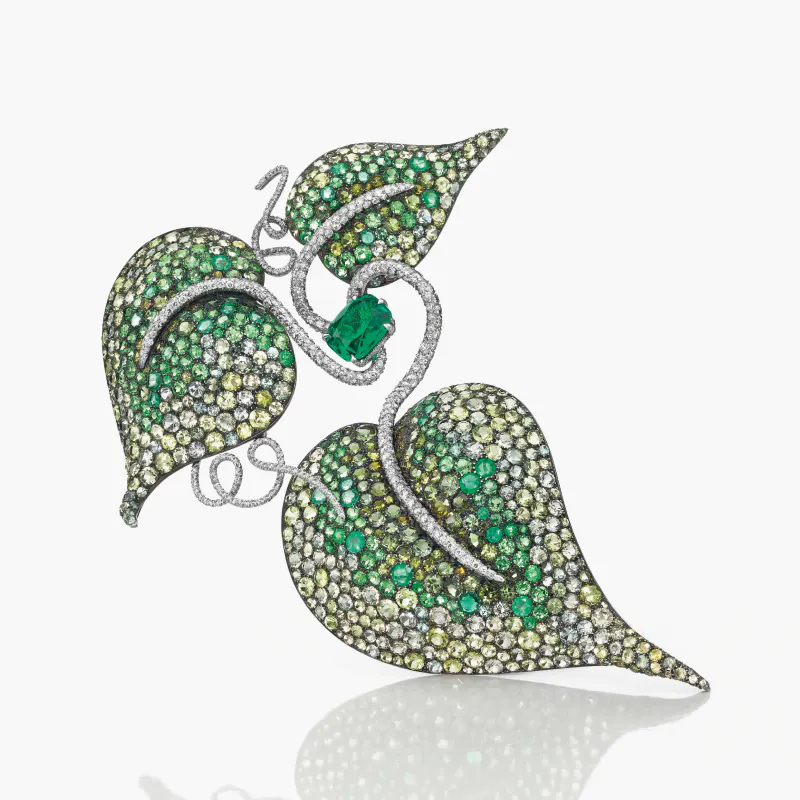
Despite his "cult" status, Rosenthal remains intensely private. Since the brand's inception, he has consistently declined interviews, despite frequent requests from top magazine journalists worldwide. JAR does not publish catalogues, has no press or marketing department, does not release photos of its jewelry, and has no website or listed phone number. The house operates solely through word-of-mouth and reputation.
See also: The 9 Most Popular Jewelry Brands
Rosenthal has hosted only two exhibitions: one at London’s Somerset House in 2002, where visitors had to use flashlights to view the jewelry, and an invitation-only, 24-hour-long exhibition at the Metropolitan Museum of Art in 2013, where he became the first living jeweler to receive such an honour. On this occasion, he published the only book on his works, JAR Paris, a 720-page catalog printed in a limited number of copies that now sells for thousands of dollars.
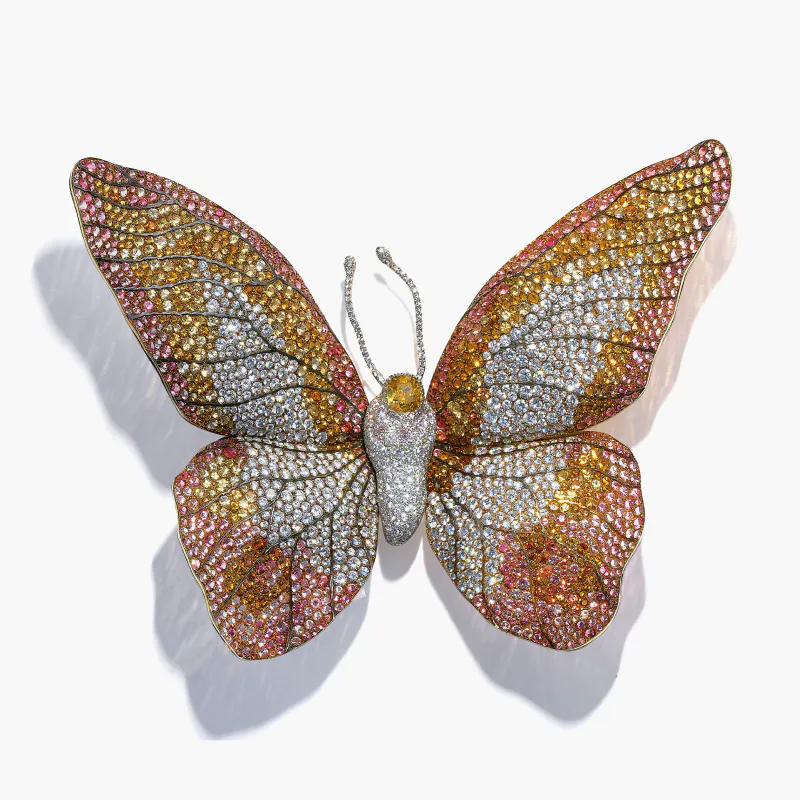
JAR has never been about trends or mass appeal; his pieces are timeless, deeply personal, and often compared to fine art. He has been called "the Fabergé of our time" by The New York Times for his attention to detail and uncompromising vision. Financially, JAR is a resounding success. In 2011, the company, officially employing just four people, posted €16.9 million in revenue and €3 million in profit. Although he does not personally create the pieces, he carefully designs each one, relying on his select artisans to bring his visions to reality.
See also: A Brief History of the Necklace
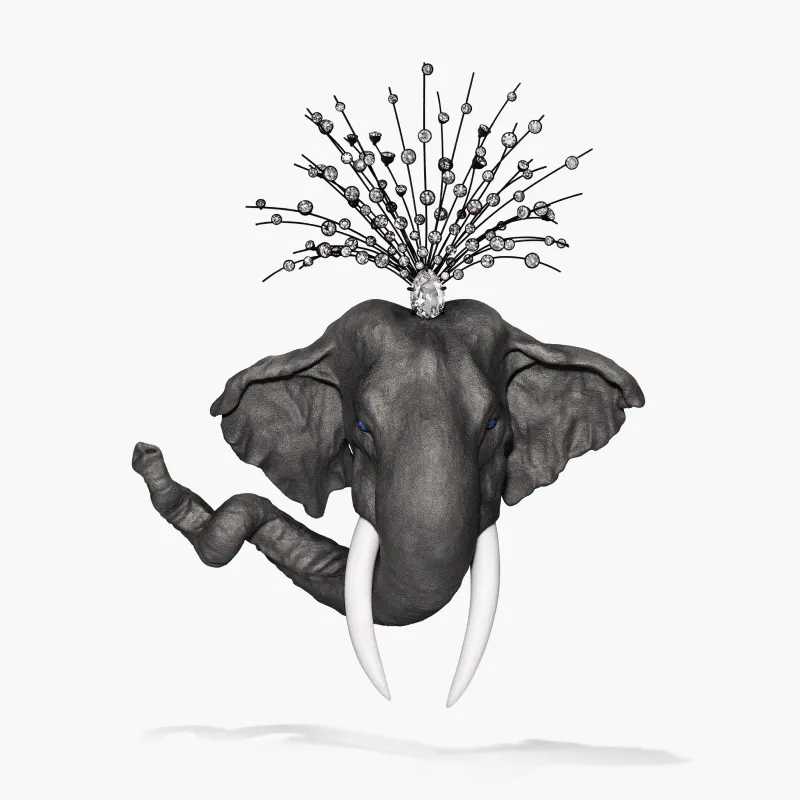
As jewelry expert Julie Valade put it, "Either you want JAR and abide by his conditions, or you go elsewhere," (Vanity Fair, 2013). In a world where high jewelry is often defined by excess and publicity, JAR stands apart—an artist who lets his creations speak for themselves, leaving the world in awe.