
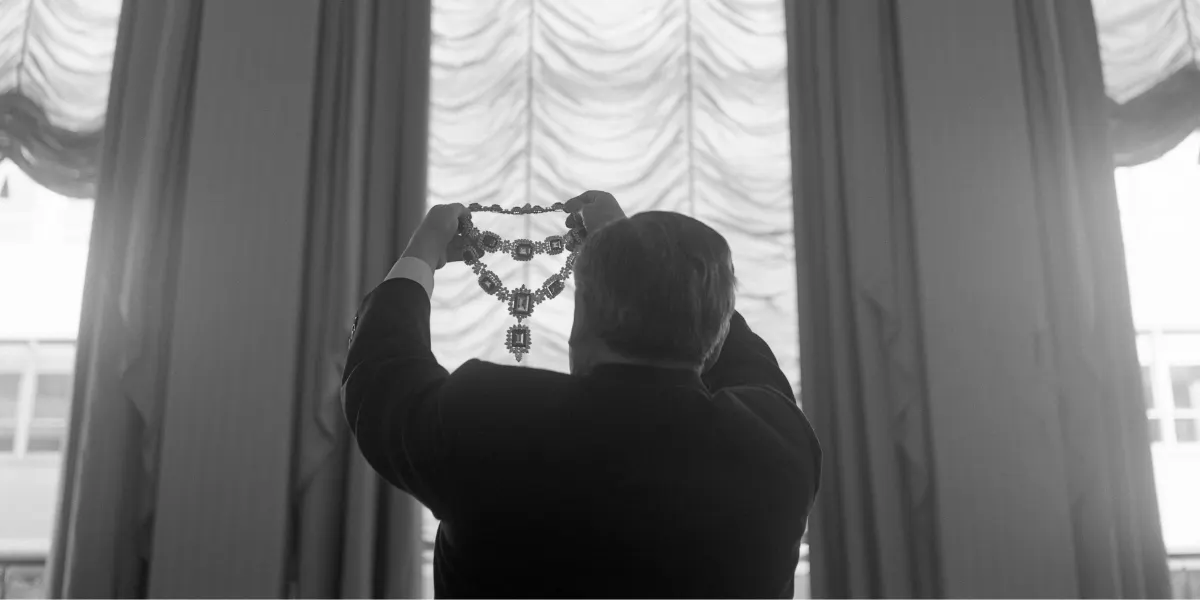
Few names evoke the glamour and prestige of the jewellery world like Harry Winston. Winston’s journey from a humble beginning to a global luxury icon is as remarkable as the gemstones he famously collected. Born in New York City in 1896 to Ukrainian immigrant parents, Winston’s fascination with jewels began early. At just 12 years old, he recognised a 2-carat emerald hidden among costume jewellery at a pawn shop, purchased it for 25 cents together with another stone (so the seller wouldn’t get suspicious) and resold it for $800 two days later—a glimpse of the talent that would define his career.
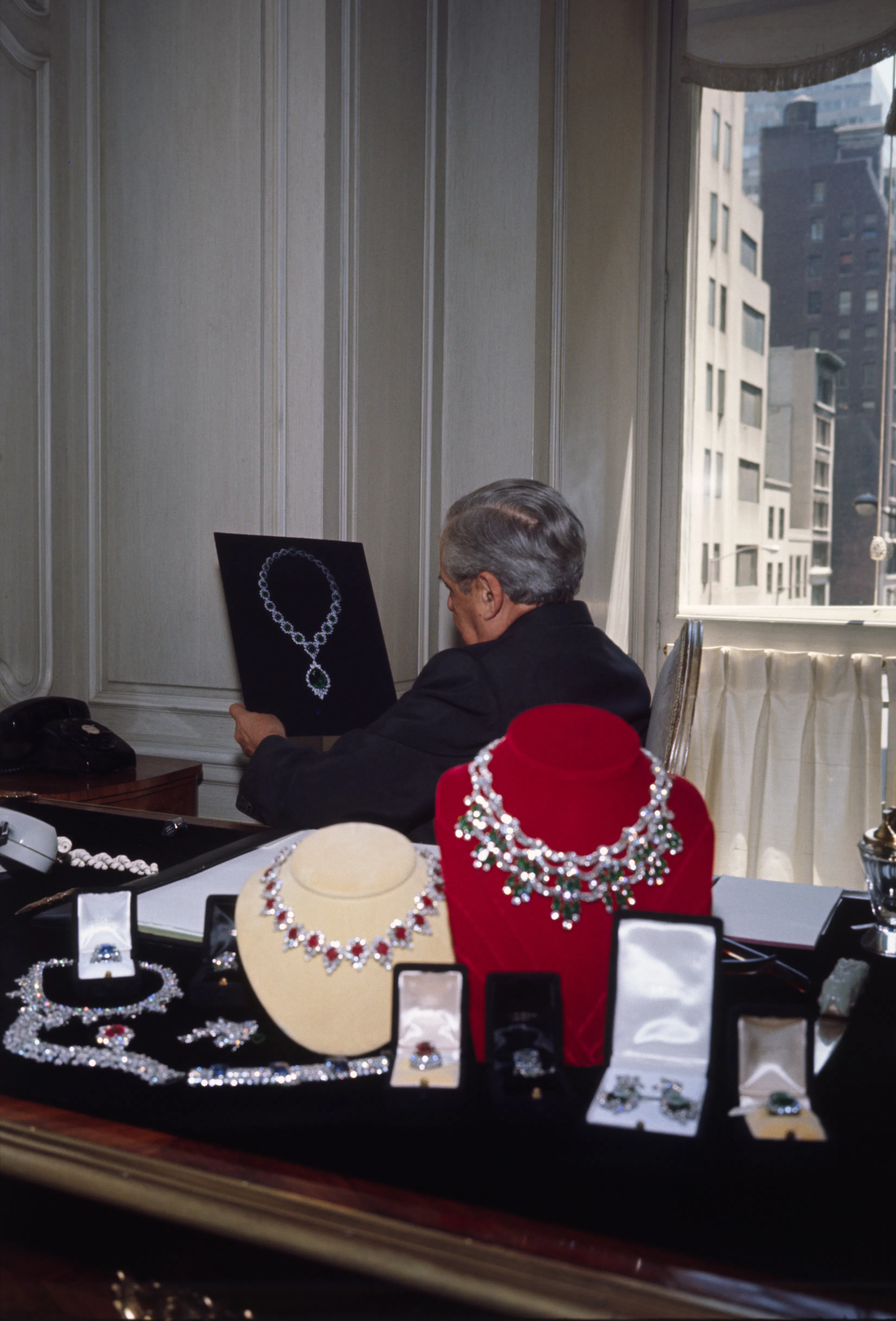
By 1920, at 24 years old, Winston opened his first business: The Premier Diamond Company, located at 535 Fifth Avenue. After much effort, he finally received a bank loan and started to slowly build his empire. In 1926, he acquired Arabella Huntington's jewellery collection for $1.2 million. This was one of the most important collections of the past century, famous for its ropes of pearls and Cartier pieces. He transformed the outdated designs into contemporary masterpieces, showcasing his approach to modern jewellery-making. In 1932, he officially established Harry Winston Inc., and by 1947, Cosmopolitan magazine had anointed him "The King of Diamonds."
See also: How Van Cleef & Arpels Got Its Four-Leaf Clover
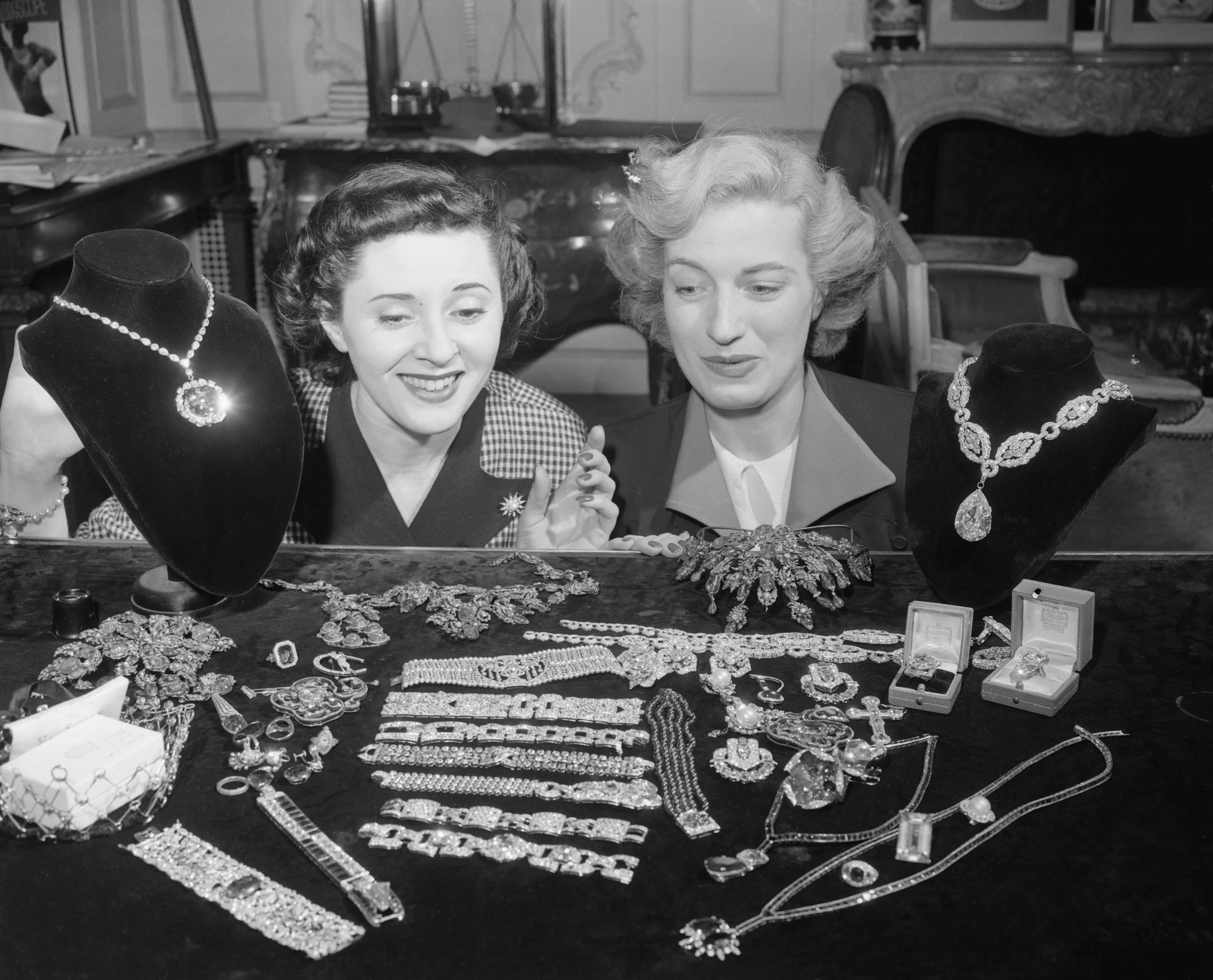
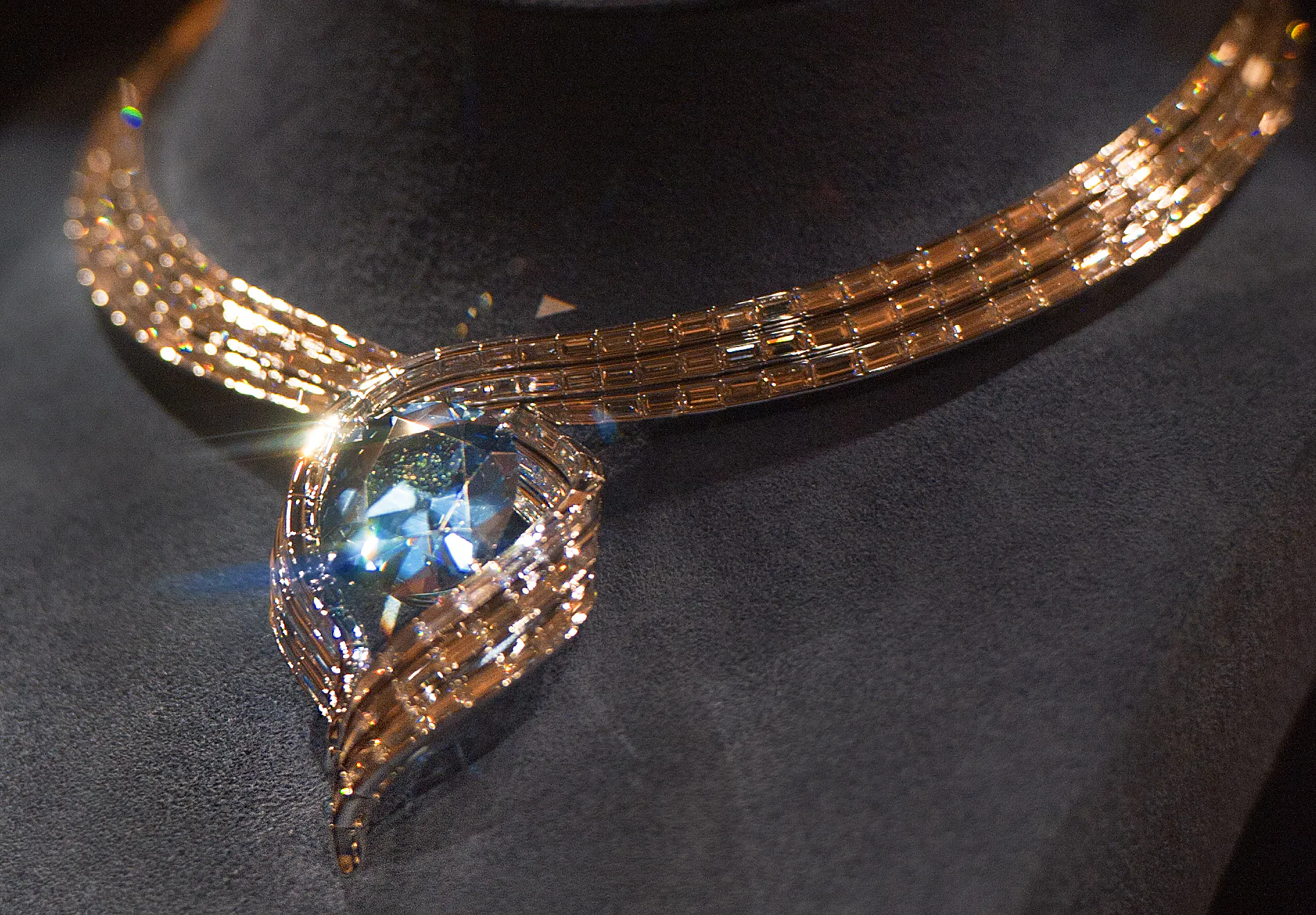
Known for his extravagance, Winston famously sent some of the world’s most precious diamonds, including the 726-carat Jonker Diamond and the legendary Hope Diamond (valued at over $250 million) through the U.S. Postal Service (for $0.64).
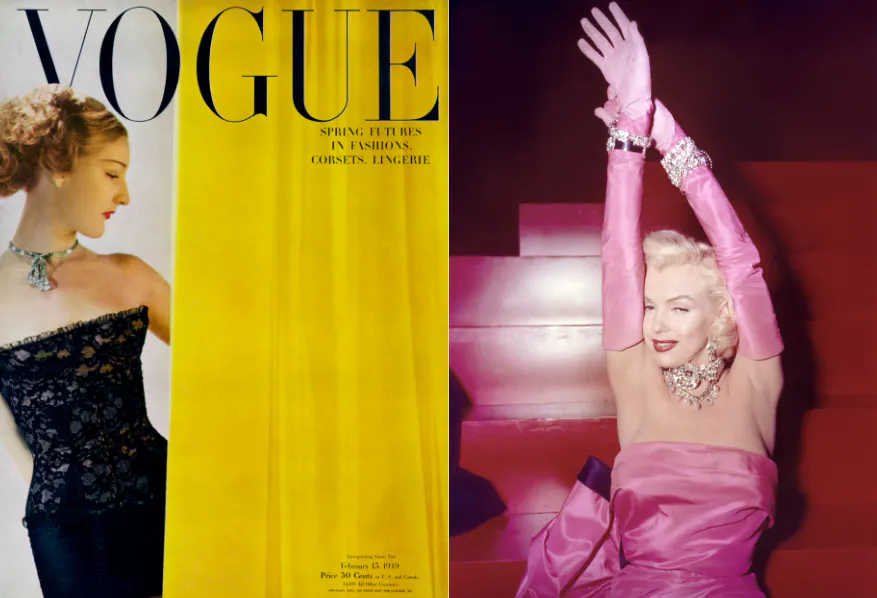
Winston was also a trailblazer in Hollywood glamour. In 1944, he revolutionised the red carpet by being the first jeweller to lend diamonds to an actress, Jennifer Jones, for the Academy Awards. This bold move earned him the title of "Jeweller to the Stars" and cemented Harry Winston as a household name. Harry's gemstones were desired by iconic figures- from Marilyn Monroe, who immortalised the brand in "Diamonds Are a Girl’s Best Friend" by singing “talk to me Harry Winston tell me all about it,” to Jacqueline Kennedy Onassis, whose engagement ring from Aristotle Onassis featured a 40.42-carat marquise diamond. The brand's cinematic allure continued with the 80-carat yellow diamond “Isadora” necklace worn by Kate Hudson in How to Lose a Guy in 10 Days, which was named after dancer Isadora Duncan and later sold for $5 million. However, younger generations might recognise Harry Winston from Gossip Girl and Sex and the City, where iconic characters Blair Waldorf and Carrie Bradshaw were both proposed to with Harry Winston engagement rings.
See also: The Surprising Inspiration Behind the Cartier Love Bracelet
Harry Winston’s legacy as the “King of Diamonds” is best reflected in the exceptional gemstones he acquired and transformed throughout his career. Among the most famous is the legendary Hope Diamond, a 45.52-carat deep blue stone (rumoured to be cursed, it was the favourite gemstone of Marie Antoinette). Rather than selling it, Winston donated it to the Smithsonian Institution in 1958. Equally notable was the Jonker Diamond, a 726-carat rough discovered in South Africa in 1934. Winston outbid competitors to acquire the diamond, sending it on a U.S. press tour that included a photo shoot with Shirley Temple. Another monumental purchase was the Vargas Diamond, a 726.60-carat rough found in Brazil. After an arduous journey to secure it, Winston transformed the rough diamond into many smaller stones. In 1953, he acquired a 155-carat rough from South Africa, which he cut into a flawless 62.05-carat pear-shaped diamond, aptly named the Winston Diamond.
See also: The World's 10 Most Expensive Diamonds
Want more articles like this straight to your inbox? Subscribe to our free newsletter!
Harry Winston’s impact extended beyond his lifetime. In 1960, he relocated the company to its current home at 718 Fifth Avenue in New York, marking one of the largest transfers of jewels in history. Following his death in 1978 at age 82, the brand continued to thrive. In 1997, the Smithsonian Institution honoured his legacy with the Harry Winston Gallery, which houses the Hope Diamond. Later milestones include the acquisition of the 101.73-carat Winston Legacy Diamond in 2013, hailed as one of the most perfect diamonds ever auctioned. Most recently, the Winston Pink Legacy ring, featuring an extraordinary 18.96-carat fancy vivid pink diamond (formerly owned by the Oppenheimer family), was unveiled to honour his 125th birthday, setting a world record as the most expensive pink diamond per carat. Winston’s passion for diamonds was so intense, that he daily carried some of his most valuable stones in his pockets, simply for the pleasure of it. Today, the name Harry Winston remains synonymous with timeless luxury and elegance.
![Angus McBean, ‘Surrealist Self-Portrait’ [detail], 1949, gelatine silver print signed in pencil (verso). Photo: Christie’s via Barnebys Price Bank](https://images.prismic.io/barnebys/59d0dd75-2472-4d1e-9b09-1f75a722eca4_unnamed.jpg?auto=compress,format)