
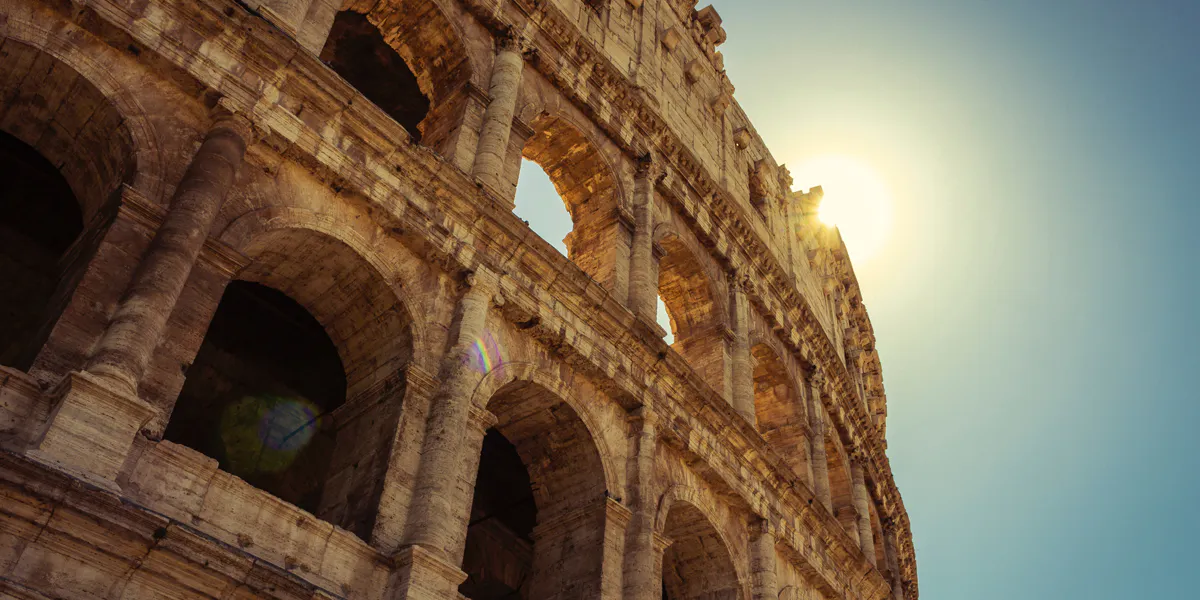
It's an ambitious project that will help the conservation and protection of the monument and increase its usage.
After its $30-million refurbishment in 2014, a new renovation of the Colosseum’s arena floor has been announced by the Italian government. The project is intended to come to term in 2023 and foresees the installation of a “light, reversible and sustainable” wooden high-tech panelling over the arena.
The flooring will rotate and quickly cover or uncover the underground network, allowing it to be viewed and protected from the rain, and ensuring its ventilation. The Italian minister of culture, Dario Franceschini envisioned hosting cultural events on the new stage, stating: “It's an ambitious project that will help the conservation and protection of the monument and increase its usage”.
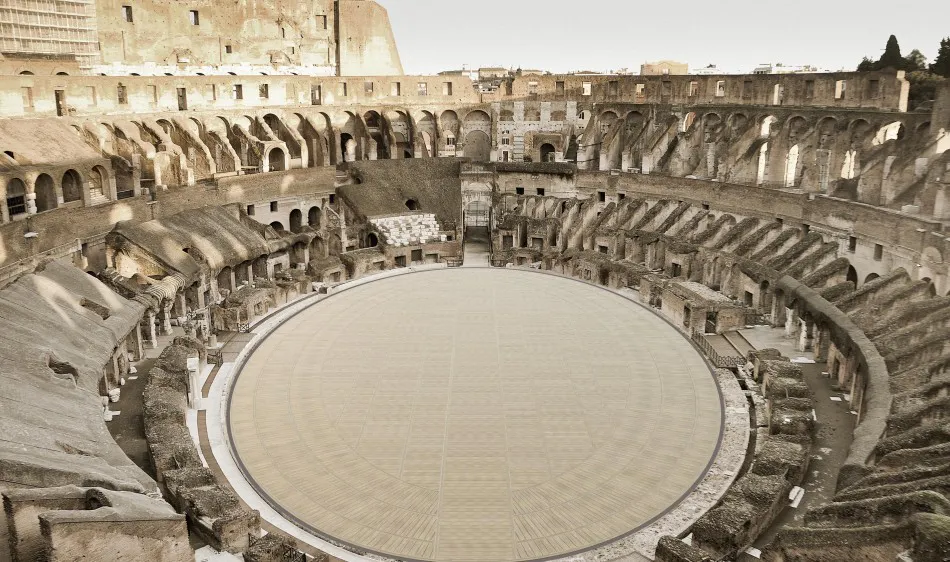
Completed under Emperor Titus in AD80, the Roman amphitheater once sported a wooden floor camouflaged by a layer of sand, assembled above a complex network of tunnels and rooms where gladiators and animals awaited their appearances on the arena.
Related: UNESCO Recognizes 8 Frank Lloyd Wright Buildings as World Heritage Sites
The floor was expunged in the late 19th century when archaeologists began excavating the subterranean levels of the UNESCO world heritage site. In 2010, the underground structure was opened to the public, enabling visitors to catch a glimpse of the tunnels from the seating area. Prior to the 2020 coronavirus pandemic, the Colosseum attracted around seven million visitors annually, placing it among the world's most popular tourist sites.

The idea took shape after Franceschini retweeted the prestigious Italian archaeologist Daniele Manacorda's proposal to bring the Colosseum back into use by rebuilding its arena.
Related: The Mysterious Underground Baths of María de Padilla
The Venetian company Milan Ingegneria won a grant of €18.5 million ($22 million) after it was selected among ten competitors in a call launched by the Italian government in December 2020. The studio, whose name has been linked to the restoration of the Palladiana Basilica in Vicenza, boasts an impressive portfolio of projects located across the globe and collaborations with acclaimed architects such as Renzo Piano.
Related: The History of Notre Dame
The platform will be built at the same height the Romans employed during the Flavian reign. “[It] takes both form and functions from the original plan”, explained the studio. The beams' rest directly on the wall structures without mechanical anchors, making the design reversible and as non-invasive as possible. ”If there is the need to remove it, it will be possible to restore it to the current state of affairs”, pointed out Massimiliano Milan, chief executive officer at Milan Ingegneria, in an interview with CNN.
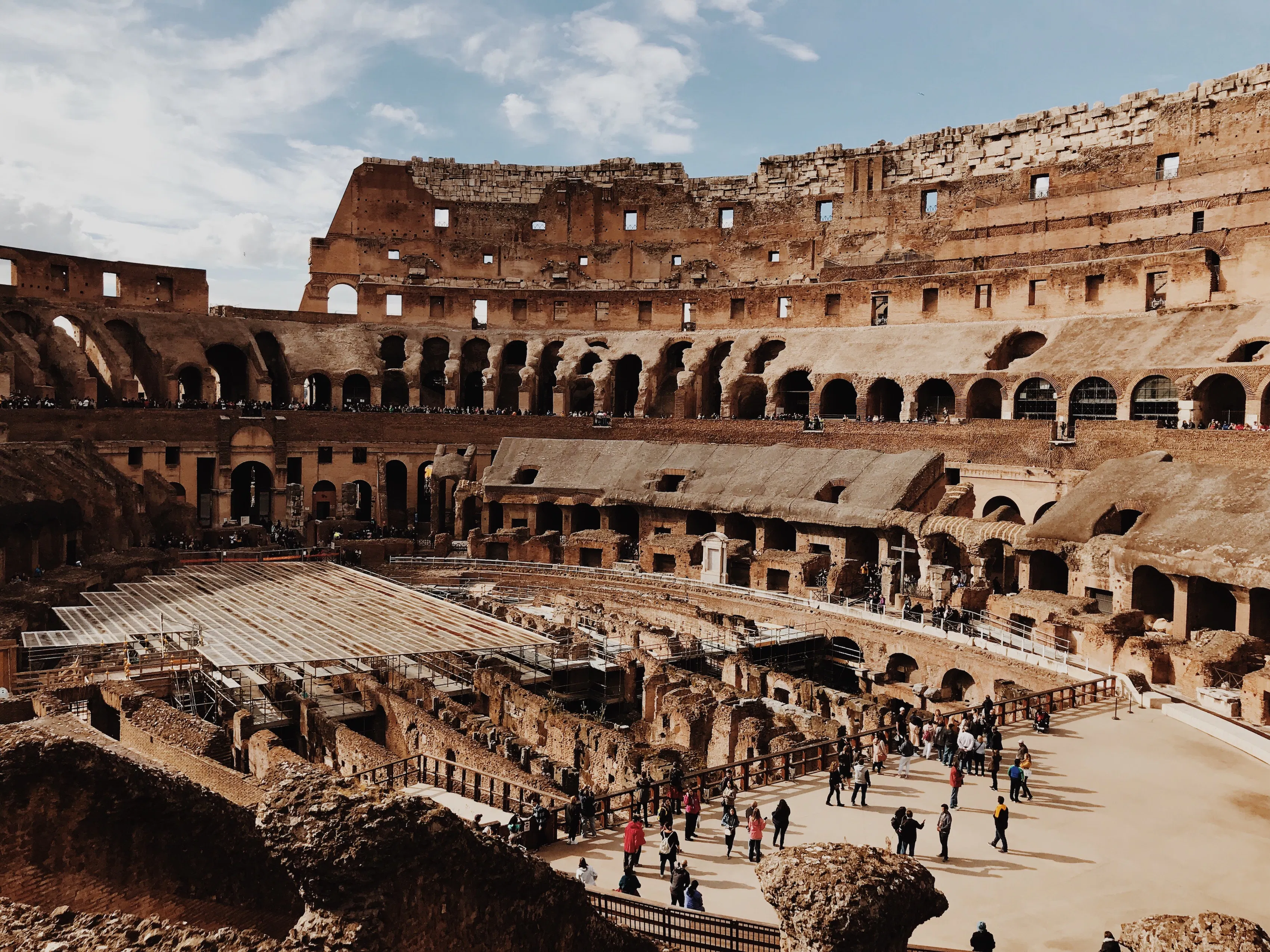
The new decking will consist of moveable panels made from a lattice of rotating Accoya wooden planks, a chemically-treated pine lumber. Twenty-four mechanical ventilation units distributed along the perimeter of the monument will control the humidity and temperature of the underground infrastructure: “In 30 minutes it will be possible to guarantee the complete exchange of the entire air volume,” asserted the designers in a press release. In addition, the installation of a rainwater collection system will recover water and redirect it to the Colosseum's public bathrooms.
The project has since attracted widespread criticism in Italy, with detractors suggesting the €18 million might be better spent on more pressing issues.
Discover more art world news with Barnebys magazine
Article by Noor de Falco